Everything you need to know about containment basins for chemical products.
The containment basin for chemical products is a technical solution that protects your company from environmental risks, operational accidents, and financial losses. If your operation stores drums, jugs, IBCs, or any container holding hazardous liquids, containment isn’t optional. It’s part of the minimum safety structure.
Companies that skip this step usually find out their mistake too late. A leak can happen due to human error or container wear. Once the liquid reaches the floor, the impact is immediate. It can contaminate the soil, put employees’ health at risk, and harm the environment.
This content was created to help industrial managers, technical staff, and safety professionals understand how to choose the right solution, how to size the proper capacity, and how to turn containment into operational efficiency.
What is a containment basin for chemical products?
The containment basin for chemical products is a structure designed to retain accidental leaks of stored liquids. It works as a secondary protection system.
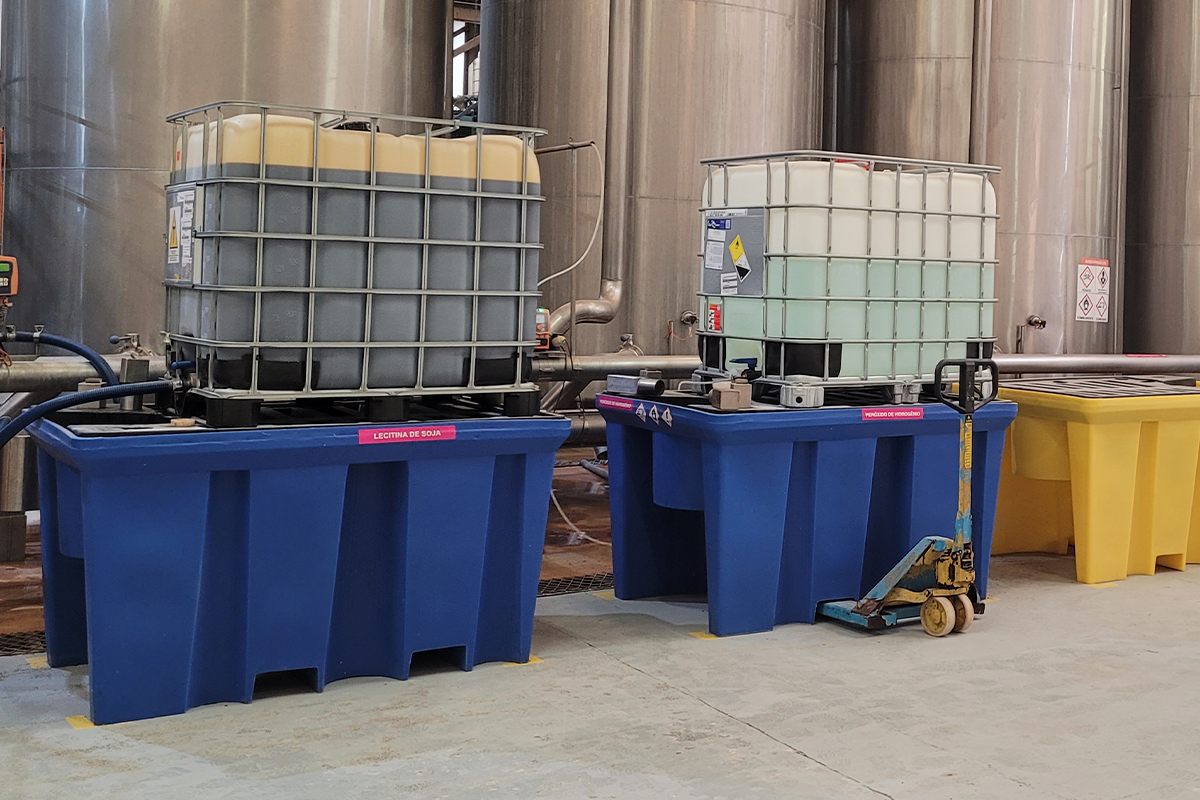
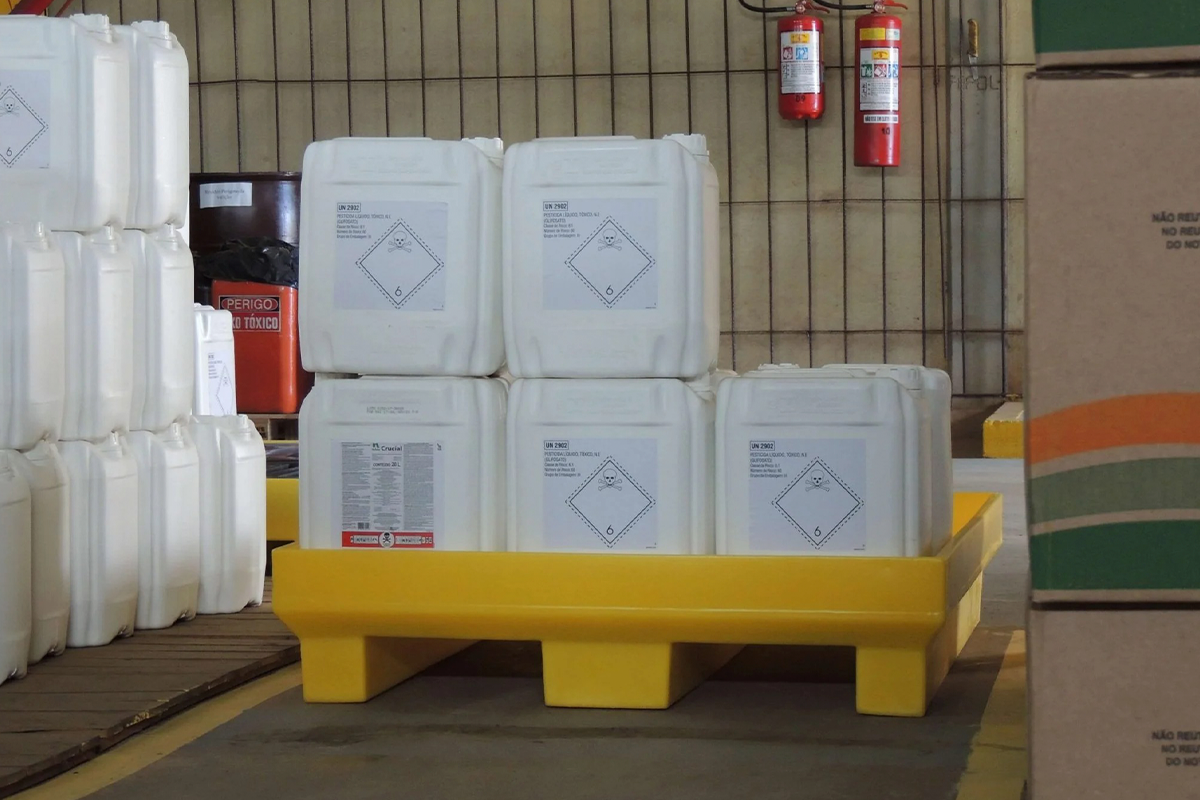
In practice, the containers sit on a raised surface. Below it is a reservoir sized to hold any spilled liquid. If a drum or jug fails, the leak won’t spread across the area.
This prevents soil contamination, infiltration into the stormwater system, and worker exposure to the product.
Why your company needs proper containment
Anyone working with chemical products faces three major challenges: safety, compliance, and risk control.
Without proper containment, the company can face:
- Heavy environmental fines
- Temporary area shutdown
- Soil remediation costs
- Labor lawsuits
- Loss of environmental certifications
In addition, audits require clear evidence of control over hazardous liquid storage. Proper containment demonstrates management maturity and a commitment to accident prevention.
How does containment work in practice?
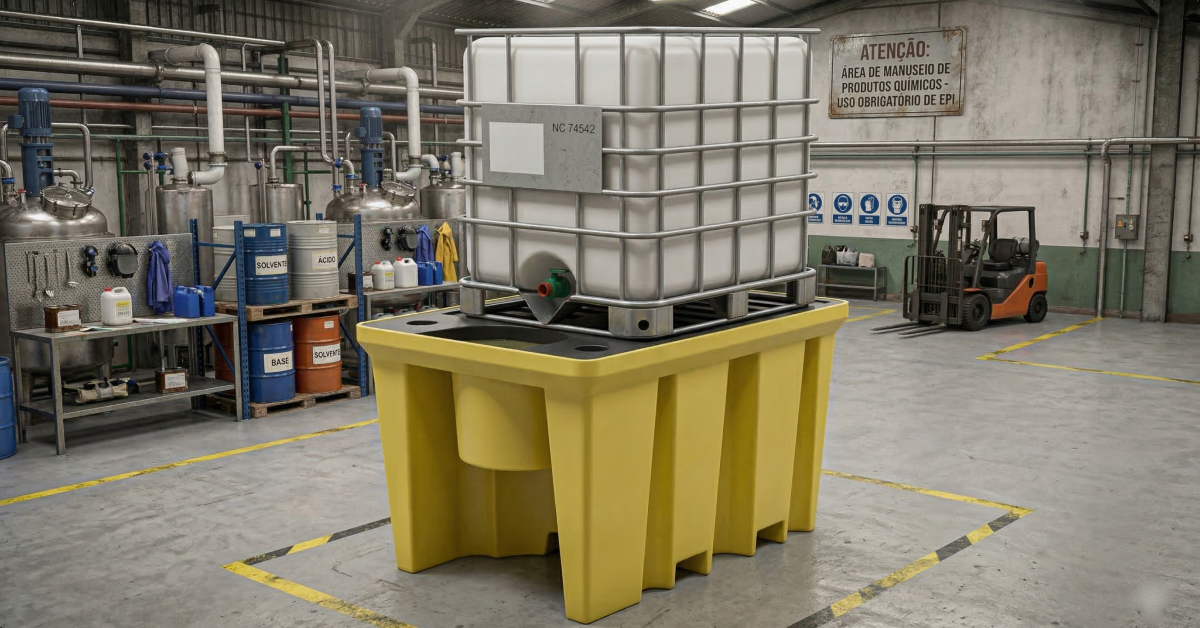
The way it works is simple and efficient. The container sits on the upper grate. If a leak occurs, the liquid flows down and stays contained in the lower reservoir.
This system prevents the product from spreading. It also makes proper cleanup and disposal easier.
For example, in a plant that stores flammable solvents, a drum could develop a crack after being moved. Without containment, the liquid spreads. With the basin installed, the leak stays contained.
This containment reduces the risk of fire, contamination, and worker exposure.
Containment basins for chemical products and environmental regulations
Environmental law requires control over the storage of hazardous substances. In many cases, the technical rule states that the basin’s capacity must be enough to fully contain the largest stored container or a percentage of the total stored volume, whichever is greater.
This requirement exists to ensure a leak doesn’t spread beyond the designated safety area.
Companies that adopt proper systems significantly reduce the risk of fines.
In addition, containment is a strategic part of corporate environmental policy. Organizations that follow standards such as ISO 14001 need to demonstrate effective control measures.
How do you choose the right capacity?
The right capacity can’t be estimated generically. Technical factors need to be assessed. First, identify the individual volume of each container. Then, consider the total amount stored in the area. Also assess the chemical product’s risk class.
Corrosive products require more attention to the basin’s material. Flammable substances demand layout and ventilation planning. Choosing the right capacity ensures safety and avoids unnecessary investment.
Materials and structural strength
The basin’s efficiency depends on the material used. Rotomolded plastic structures offer clear technical advantages.
High-quality polyethylene offers chemical resistance, durability, and low residue absorption. It also withstands temperature variations without warping.
This extends the equipment’s service life and reduces replacement costs. Unlike improvised masonry or exposed metal solutions, technical plastic maintains structural integrity for many years.
Applications across different sectors
The containment basin for chemical products is used across various industrial sectors.
In the chemical industry, it’s a mandatory part of safe storage. In the agricultural sector, it protects areas that store pesticides. In the pharmaceutical sector, it helps control cross-contamination.
Food industries also use containment for liquid inputs. Distribution centers apply the solution for solvents and industrial cleaning products.
Even small businesses need this structure. Company size doesn’t eliminate environmental responsibility.
Safety and accident prevention
Accident prevention starts with proper storage.
Leaks can create slippery floors, unexpected chemical reactions, and direct exposure to the product. The containment basin creates a physical barrier that drastically reduces these risks.
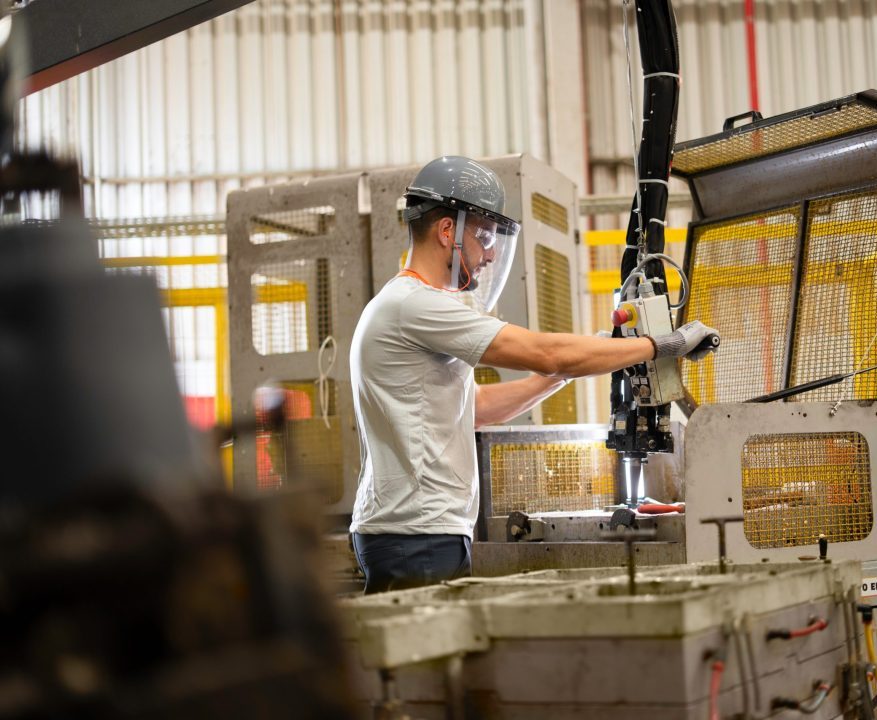
It also improves layout organization. Organized environments reduce human error and increase operational control. Safety isn’t just personal protective equipment. It’s structural planning.
Environmental impact and corporate responsibility
Companies that invest in containment demonstrate commitment to the environment. Soil contamination can cause permanent damage. Environmental remediation is expensive and slow.
In addition, customers and partners value organizations that adopt sustainable practices. Proper containment strengthens the institutional image and reinforces ESG policies.
Financial gains and operational efficiency
Many managers see the basin as just a cost. In practice, it’s an investment.
Avoiding a single environmental fine can pay for several containment units. In addition, the material’s durability reduces the need for frequent replacement.
Organized storage improves logistics flow. Visual identification of risk areas makes internal inspections easier. Efficiency and safety go hand in hand.
Common mistakes that compromise efficiency
Some mistakes are still common.
Choosing a model with less capacity than needed compromises the containment function. Installing it on an uneven floor can cause irregular liquid buildup.
Ignoring the chemical compatibility between the stored product and the basin’s material can shorten its service life. Skipping periodic inspections is also a serious mistake. Even durable equipment needs preventive checks.
Prevent losses before they happen
If your company stores chemical products and doesn’t yet have proper containment, the risk is already there.
Tecnotri develops highly durable technical solutions, with properly sized capacity and proven chemical resistance.
Talk to our team now, request a technical assessment, and implement a permanent solution. Protect your operation, your assets, and the environment with a company that understands industrial safety.