In smaller industries, daily operations are usually marked by compact facilities, overlapping roles, and intense workloads. An oil leak, a damaged drum, or improper storage of flammable products can turn into a bigger problem than it seems.
Even so, many micro and small businesses believe containment measures are only for large brands, which leaves them exposed to failures that could be avoided with simple solutions.
That’s why understanding how the containment basin fits into this picture is a necessary step for anyone looking for operational stability and legal compliance. Read on to learn more!
Why is the containment basin essential, even for small operations?
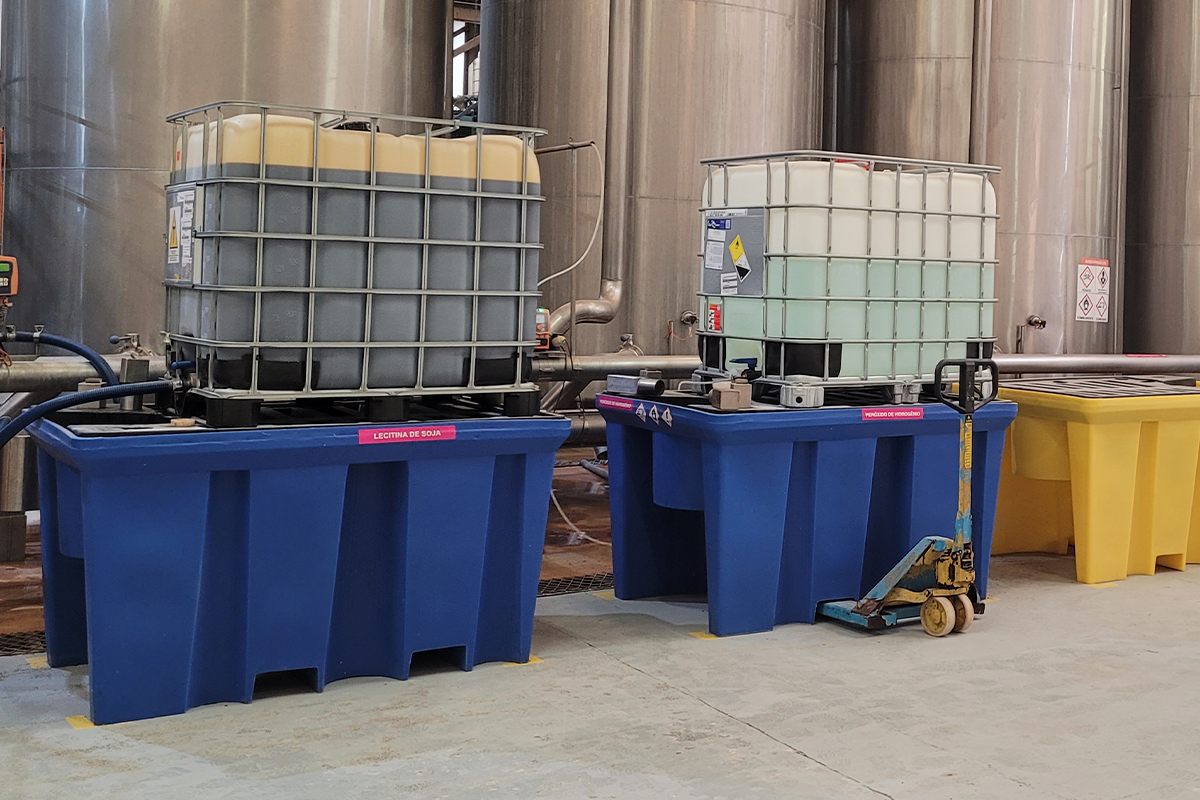
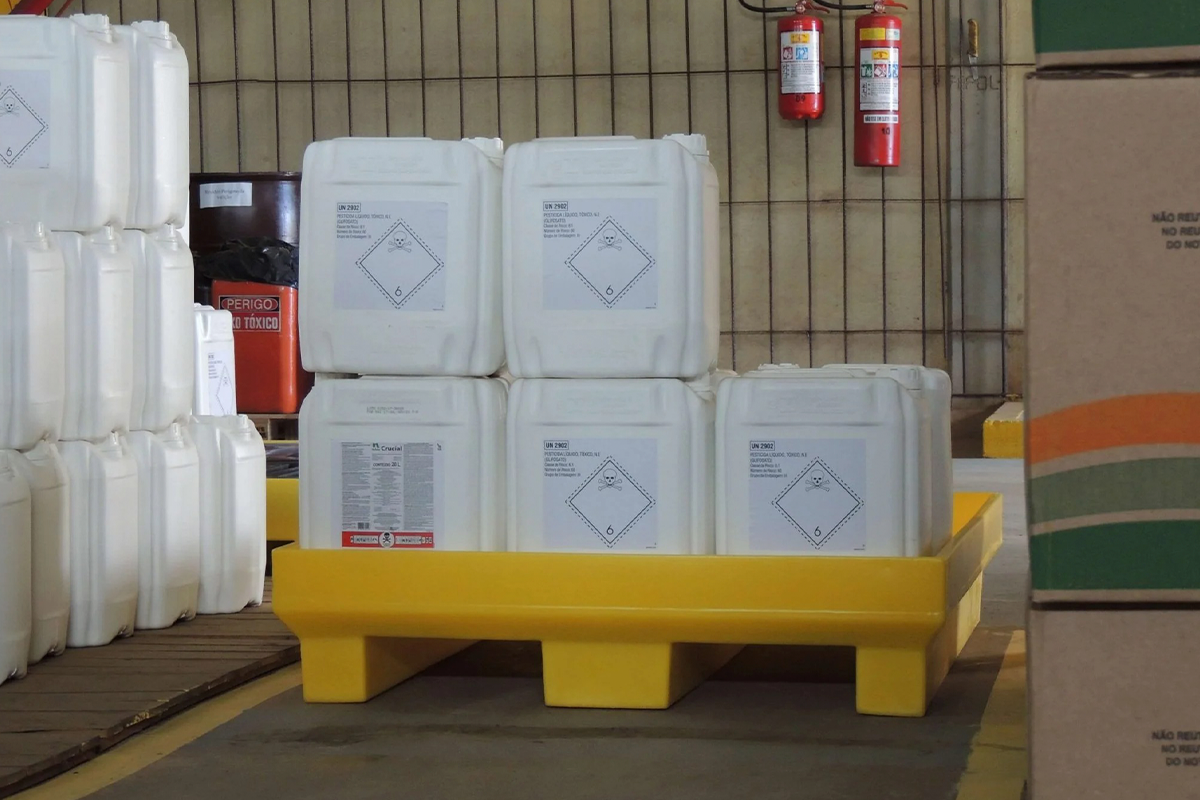
Also known as a containment tank or containment pallet, the containment basin is equipment designed to retain leaks and prevent hazardous substances from reaching the ground.
While often associated with large industrial plants, its use is just as relevant for auto repair shops, body shops, gas stations, cleaning companies, small factories, and even funeral homes that handle chemical fluids.
These sectors work with hazardous items such as fuels, lubricating oils, solvents, degreasers, and waste. Any storage failure can lead to environmental contamination, occupational health problems, and business shutdowns.
Besides being an affordable preventive measure, the containment basin meets regulations that apply to companies of all sizes. In other words, going without one isn’t just risky — it’s a red flag during inspections.
Regulations: where does the containment basin fit in?`
Complying with environmental and labor regulations is part of running a business, and when it comes to storing flammable and hazardous products, two key references stand out: NR-20 and CONAMA Resolution 430/2011.
- NR-20 – Health and safety when working with flammables and fuels
This applies to any activity involving the extraction, storage, transfer, or handling of flammable liquids or fuels. The standard reinforces the need to adopt risk-reduction measures, including:
- Risk management;
- Safe storage;
- Leak prevention;
- Proper signage and containment.
Businesses such as repair shops, gas stations, chemical plants, body shops, carriers, and even services that use oils or solvents in their processes need to follow its requirements.
- CONAMA 430/2011 – Effluent control
This resolution addresses liability for effluent discharge and reinforces the importance of preventing chemical substances from reaching bodies of water or urban drainage systems.
In this sense, a containment basin works as a primary barrier, keeping liquid waste from leaving the work environment.
When do small businesses really need a containment basin?
Most businesses that handle hazardous liquids fall into this category. See some common situations:
- Storing drums of oil or solvent;
- Changing oil at auto repair shops;
- Refueling machines internally;
- Handling industrial cleaning products;
- Storing jugs of fuel or flammable fluids;
- Storing fertilizers or chemical additives;
- Washing parts with harsh products.
In many of these cases, small splashes or ongoing leaks get ignored in day-to-day operations. However, this residue builds up environmental risk and can lead to serious fines, especially during inspections related to industrial waste and environmental safety.
How does the containment basin prevent fines and legal problems?
Even companies operating with small volumes can be penalized if they lack proper containment structure. Not having this equipment can result in:
- Environmental fines for soil contamination;
- Labor citations for failing to comply with NR-20;
- Risk of shutdown during stricter inspections;
- Cleanup and environmental remediation costs, if the leak reaches drains or outdoor areas.
The containment basin acts as an operational “safety net”: if the containers fail, the liquid stays contained. This reduces the impact, makes cleanup easier, and demonstrates compliance with legal requirements.
How do you choose the right containment basin for your business?
To choose the right model, consider three main factors:
- Stored volume
The basin’s capacity should support the volume of the largest container used, according to ABNT NBR 17505 guidelines, which regulate the storage of flammable liquids in drums and IBCs.
- Type of liquid
Oils, fuels, solvents, and corrosive products require sturdy materials and a reinforced structure.
- Frequency of use
Companies with daily handling need basins with removable grates and simple drainage for cleaning.
Practical advantages of environmental containment in daily operations
Besides meeting regulations and avoiding risks, the containment basin improves daily operations by:
- Improving space organization;
- Making internal inspections easier;
- Preventing stains and residue on the floor;
- Reducing costs from rework and ongoing cleanup;
- Giving the operation more predictability.
For small and micro businesses, these gains translate directly into productivity and confidence in processes.
Tecnotri’s containment basins: strength and compliance for small businesses
At the end of the day, anyone seeking environmental safety needs reliable solutions. Tecnotri’s containment basins are made from Low-Density Polyethylene (LDPE), a material known for its durability and excellent resistance to corrosion and chemical damage.
Among its standout features:
- Seamless, weld-free structures, which eliminate leak risks;
- Smooth surface, which makes cleaning easier and prevents residue buildup;
- Compatibility with forklifts and pallet jacks, optimizing internal transport;
- A range of capacities, from 100 to 1,100 liters, serving everything from small repair shops to large industries;
- Compliance with Anvisa and environmental agency regulations.
The next step toward a safer operation
Now that you know an affordable way to meet regulations and avoid fines that eat into your budget, find out how Tecnotri’s containment basin can protect your company and the environment!