It’s not new that plastic is present in our daily lives. Its popularization in industry and in the lives of millions of people around the world was a consequence of the evolution of manufacturing processes, such as the rotomolding process. And that’s exactly what you’re going to know now.
Rotomolding: from raw material to final product
There is a wide variety of polymers that can be used in the rotational molding process. According to a survey by Braskem, polyethylene (PE) represents approximately 90% of all plastic used on the market.
Some of the reasons for this popularity are the unique characteristics of this material. Featuring thermal stability, resistance to extreme temperature variations and impacts, in addition to the relatively low cost compared to other polymers. Other types of resins that can be used in the rotational molding process are EVA, PVC and plastisol.
The rotomolding process
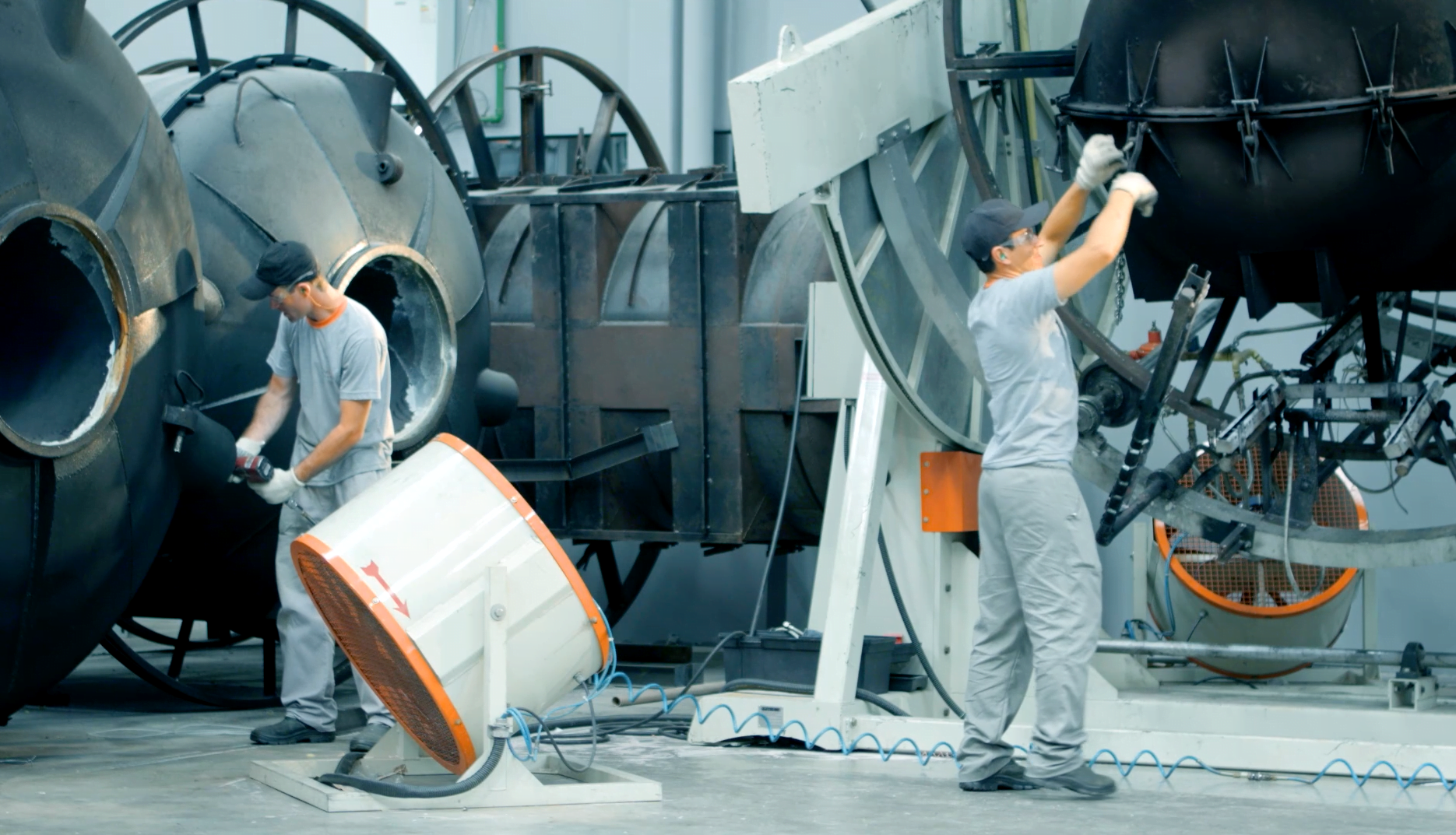
The manufacture of plastic parts using the rotomolding process consists of introducing a certain amount of powdered resin into a hollow mold. This mold is then heated and rotated at a low speed so that the resin spreads over its entire length. As it melts, the powdered polymer fills the entire mold, acquiring its shape. When it cools, we have the piece ready in the shape of the mold used.
Rotomolding and its application in industry
Rotomolded plastic has a series of advantages over other materials such as glass, wood and metal in industrial production. And the rotational molding process further facilitates access to more versatile, resistant and lower-cost products. Rotomolding guarantees the manufacture of light, resistant and versatile products.
Through this process, we can manufacture parts on different size scales, from small basins to large reservoirs. It is this versatility that explains the popularization of rotomolded plastic products in various industrial activities in Brazil and around the world.
Main advantages of rotomolded plastic
Rotomolded parts produced from polyethylene have exclusive characteristics compared to other plastics. They are extremely resistant and 100% recyclable. In addition to allowing the use of additives, such as antimicrobial and UV14 protection. Adding to this the fact that they are monobloc pieces, without corners, light and with a smooth surface, we have an extremely versatile product for application in industry. Its resistance to chemical and climatic agents guarantees a long useful life, which averages over 10 years.
Examples of rotomolded plastic products
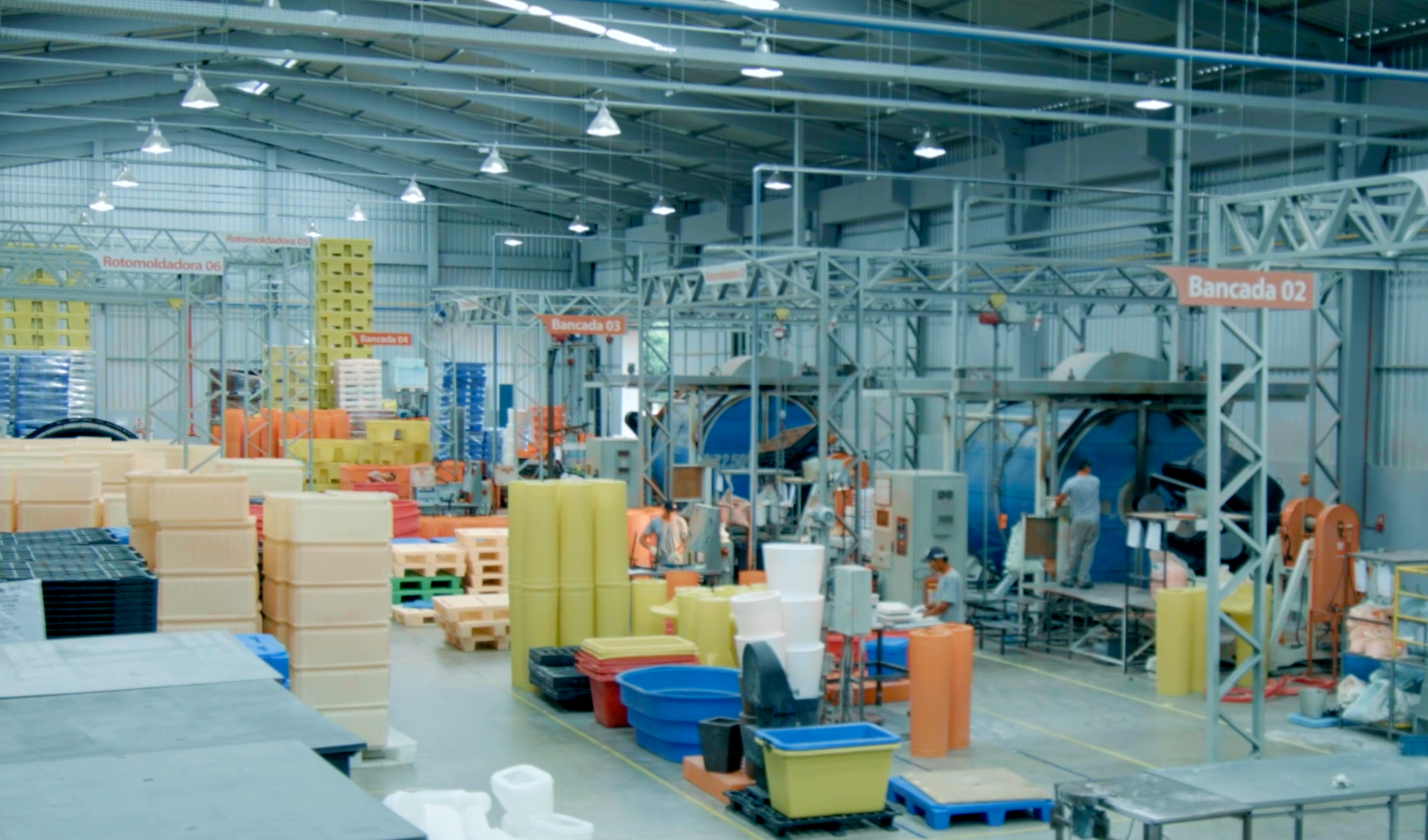
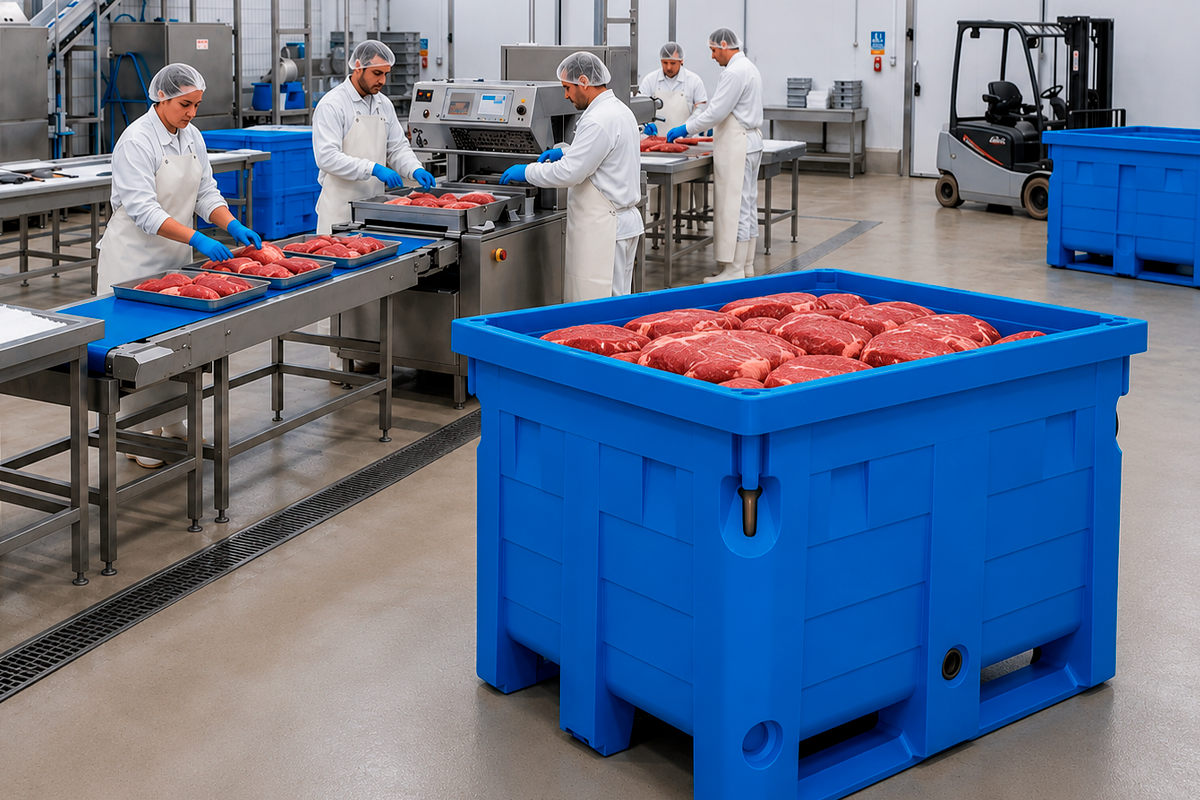
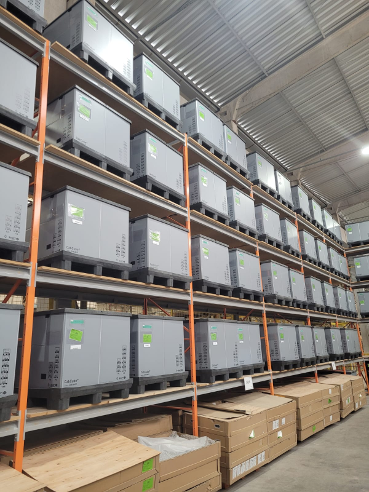
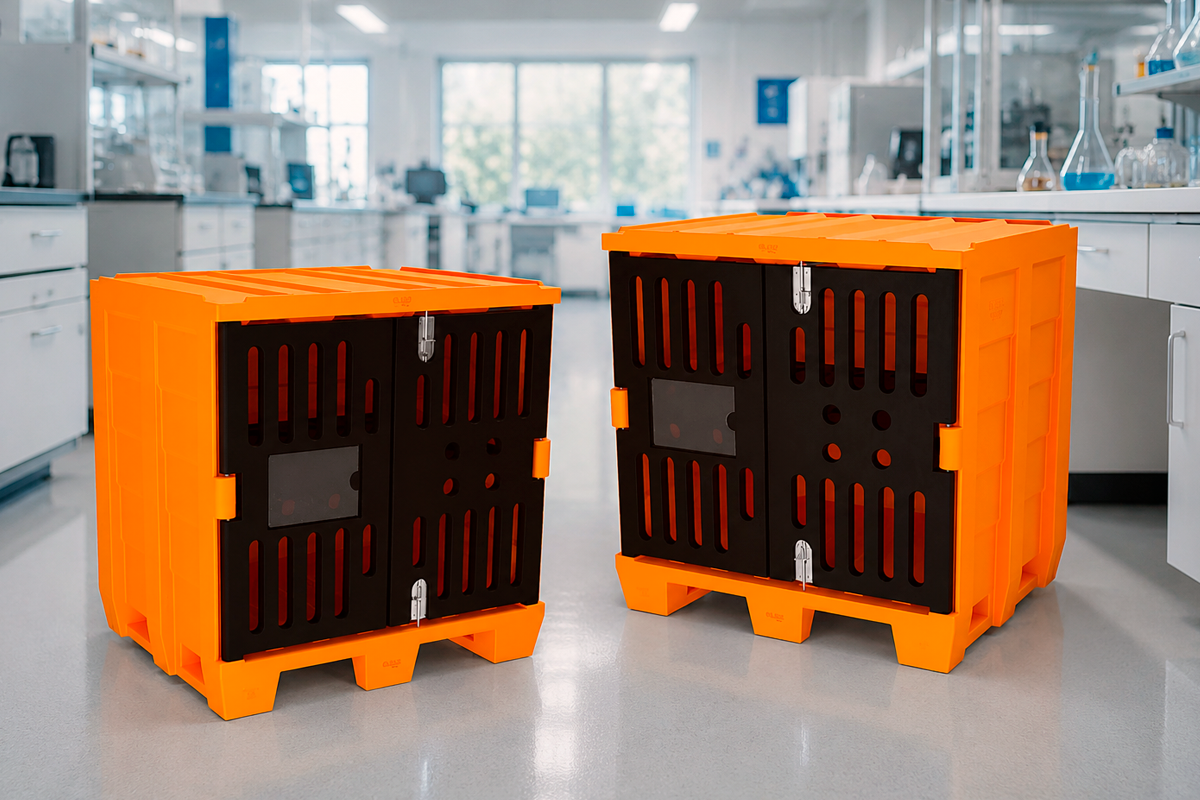
Rotomolded plastic products are increasingly present in sectors such as industry, commerce, cargo logistics, toys, packaging, decoration, nautical, chemical and agricultural activities. Nowadays, we can find plastic pallets, cargo safes, unitizer pallets and containment pallets, all manufactured using the rotational molding process.
The use of these products on a large scale is revolutionizing industrial processes due to all the characteristics of the rotomolded plastic that we present here. Companies are reducing costs and gaining efficiency by using lightweight, versatile parts that are safe for people and the environment and, above all, have a long useful life and low maintenance.
In short: the 10 advantages of rotomolded plastic that you need to know
- Greater savings in projects involving small or large batches;
- Lower initial investment cost;
- Produces light, resistant and long-lasting parts;
- Products with a smooth surface and easy to clean;
- They are 100% recyclable and non-toxic;
- Completely closed parts, without seams and tensions;
- Generate low residual stresses;
- They are manufactured with antimicrobial protection and UV14 filter;
- Does not change their properties when exposed to chemical agents;
- They can be customized in your shape and color.
We hope this article was useful to you. If you liked it, share it. To learn more about rotomolded plastic and learn about Tecnotri’s products, read this other article aqui.