

Reverse logistics is no longer just an environmental concept — it has become a strategic necessity for industries seeking efficiency, cost reduction, and regulatory compliance.
If your company deals with products, packaging, or waste generated during the production process, understanding how to structure a reverse logistics system is essential. More than meeting legal requirements, it’s about turning waste into value.
In this complete guide, you’ll learn what reverse logistics is, how it works in practice, what its real benefits are, and how to implement it efficiently in your operation.
What is reverse logistics?
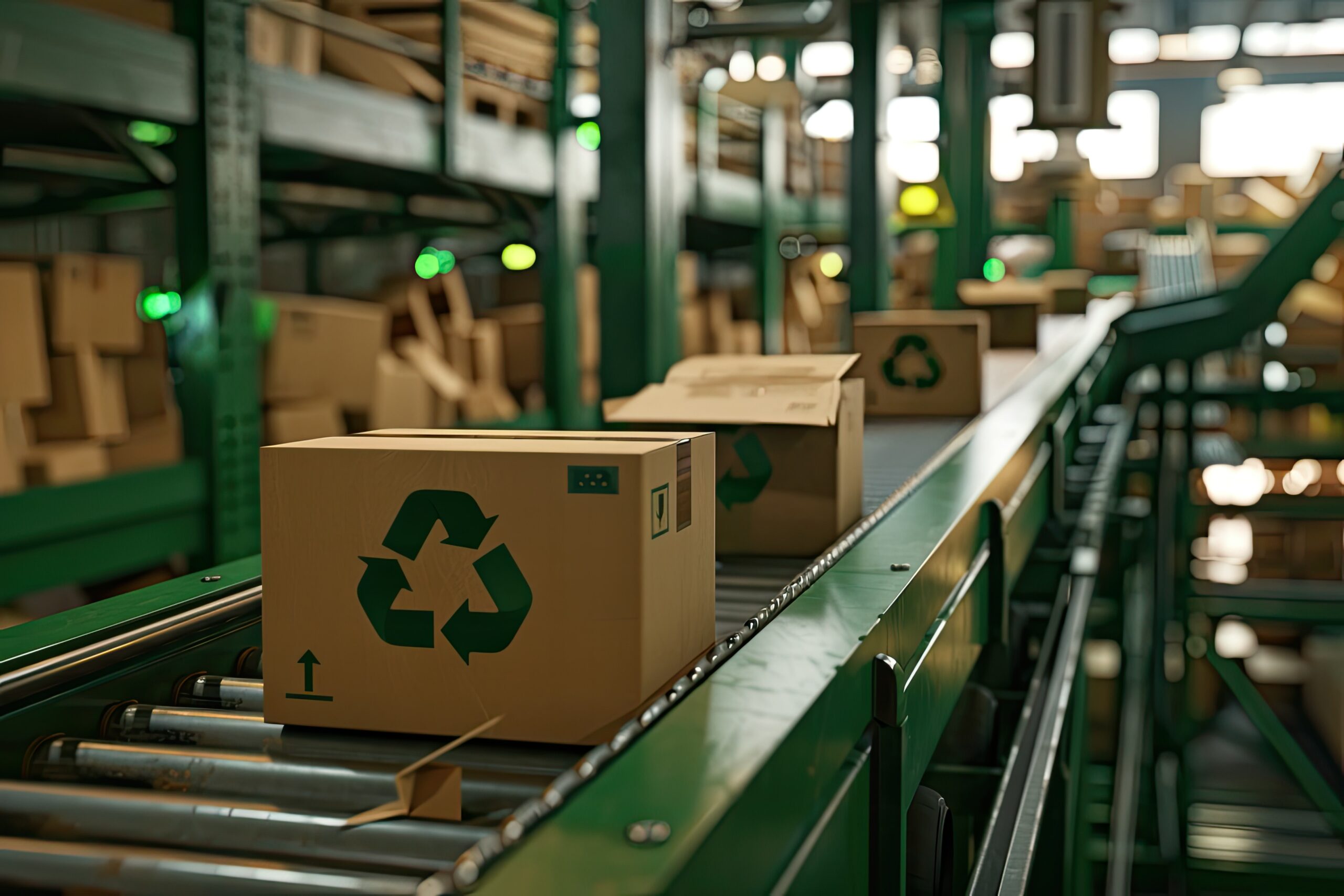
Reverse logistics is the set of actions and procedures that enable products and packaging to return to the production cycle or to environmentally appropriate disposal. In practice, this means creating ways to enable the collection, transport, and reuse of materials that, under a traditional model, would simply be thrown away.
It involves the whole chain:
consumer;
distributor;
industry.
The goal is to reduce waste generated, prevent contamination, and ensure the final destination is environmentally appropriate.
Why has reverse logistics become essential?
The growth of industrial production has also increased waste generation. This has led to legal requirements and market pressure for more sustainable practices. Brazil’s National Solid Waste Policy established shared responsibility among companies, government, and consumers.
This means industry is no longer responsible only for production. It also needs to ensure the proper return and disposal of materials.
Companies that fail to adapt face:
risk of fines;
loss of competitiveness;
negative impact on their image;
On the other hand, companies that build reverse logistics systems gain efficiency and brand value.
How does reverse logistics work?
Reverse logistics follows a structured flow.
The process begins with the return of the product or packaging. Next, it’s transported to a sorting point or back to the manufacturer.
After that, the material can have different destinations:
reuse;
recycling;
reprocessing;
proper disposal.
This flow needs to be planned so it can run continuously.
Companies that manage to run this system efficiently reduce waste and gain more control over their assets.
Sectors where reverse logistics is mandatory
Some sectors have legal requirements to implement reverse logistics.
These include:
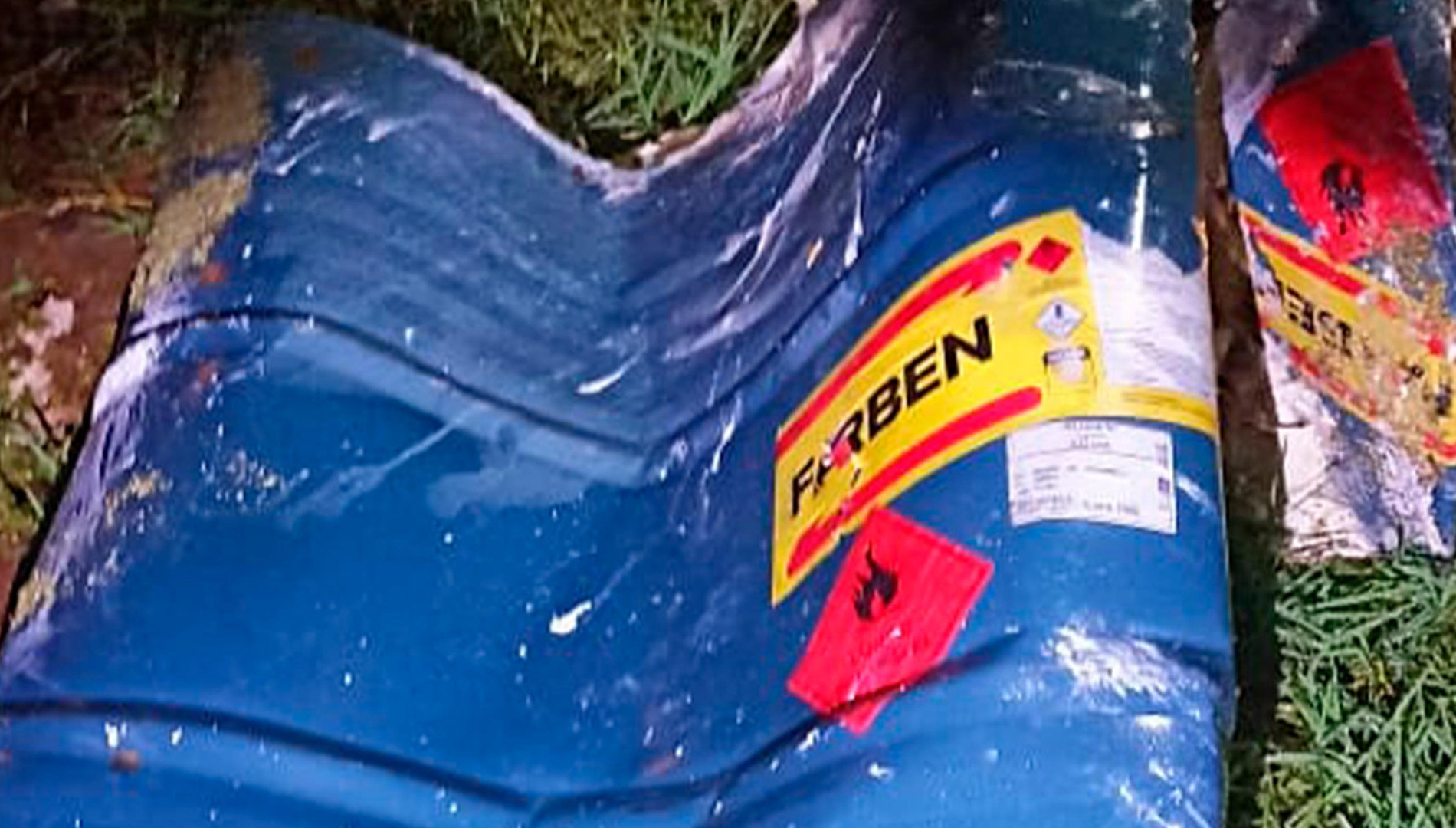
pesticides and their packaging;
batteries;
tires;
lubricating oils;
electronic products;
lamps.
In these cases, the company needs to create ways to enable the return of materials. This includes collection points, proper transport, and correct disposal.
Reverse logistics beyond the legal requirement
Even when there’s no regulatory requirement, reverse logistics is highly recommended.
Companies that adopt this model are able to:
reduce raw material costs;
improve logistics control;
increase operational efficiency;
strengthen their sustainable image.
In addition, consumers are paying more attention to companies’ environmental impact. Sustainability is no longer just a differentiator — it’s become a deciding factor.
The importance of packaging in the process
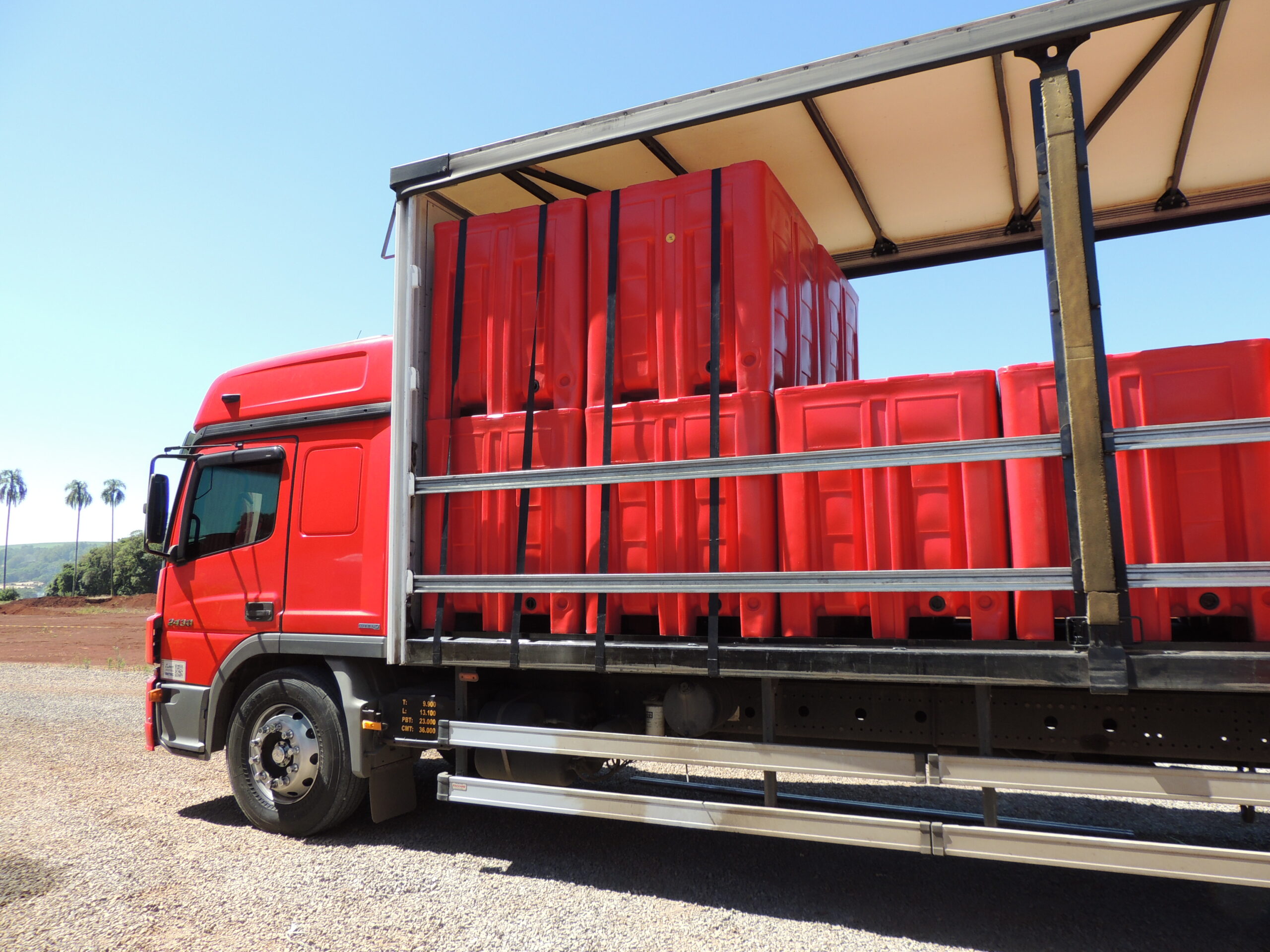
One of the most critical points in reverse logistics is the choice of packaging. It needs to withstand multiple cycles of use, transport, and storage.
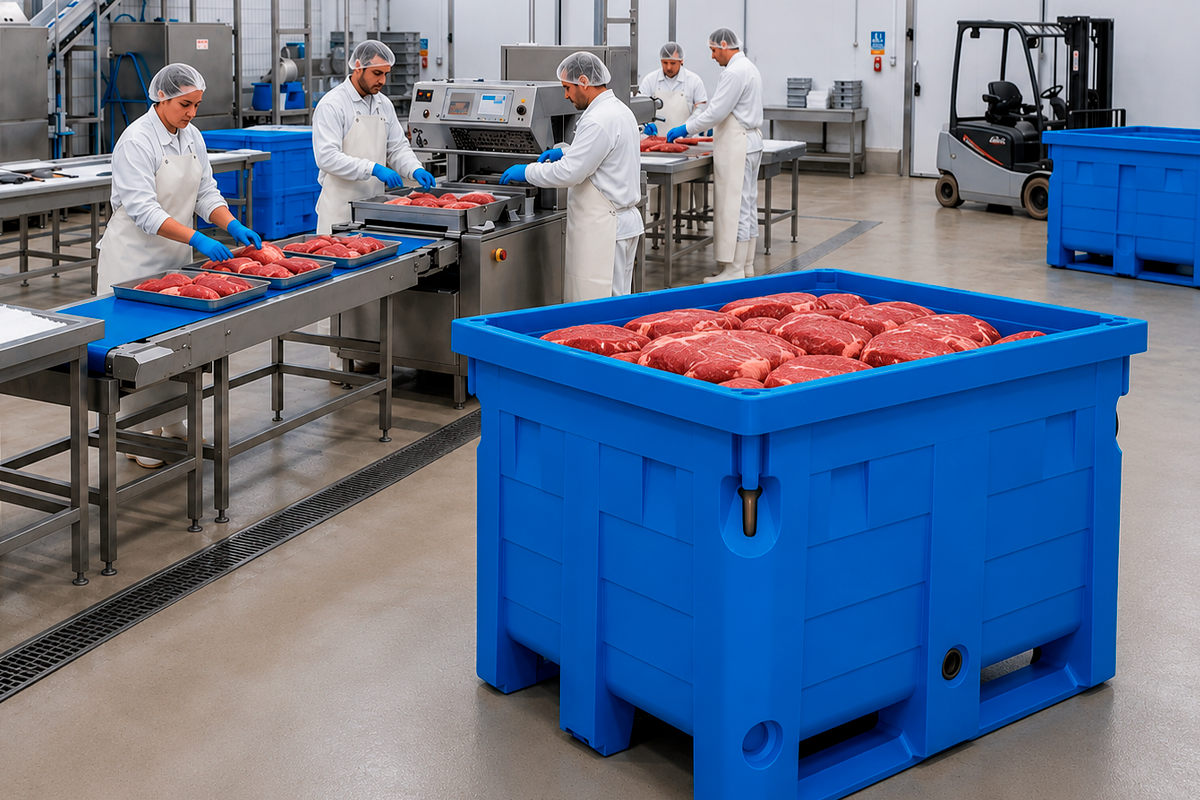
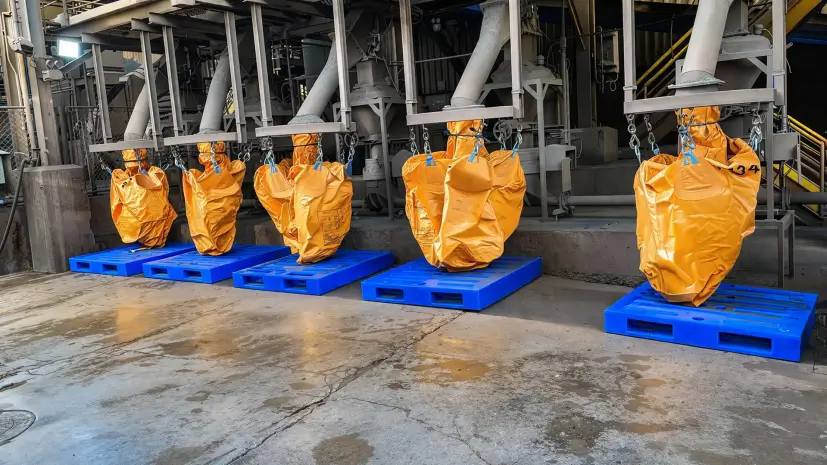
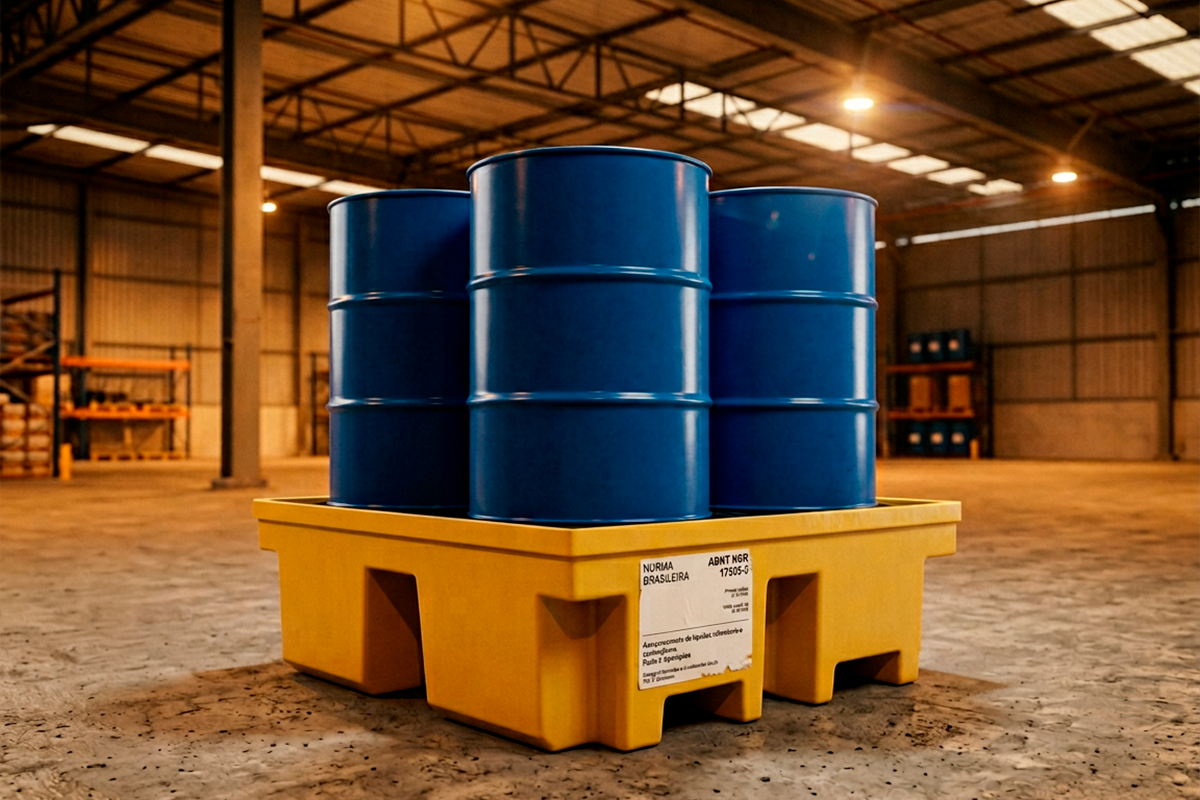
Fragile materials generate cost and rework. That’s why many industries are replacing disposable solutions with reusable structures, such as rotomolded plastic pallets and plastic bin containers.
These products offer greater durability and resistance, and allow for a continuous flow within the reverse logistics system.
If you’d like to learn more about the role of pallets in this process, check out our content:
The importance of plastic pallets for reverse logistics
Reverse logistics and cost reduction
One of the biggest myths is that reverse logistics generates cost. In practice, when well structured, it reduces costs.
This happens because:
materials return to the production cycle;
raw material purchases decrease;
waste is reduced;
asset utilization improves.
In addition, reusable packaging reduces the need for constant replacement. Savings show up over the medium and long term.
Reverse logistics and sustainability
The relationship between reverse logistics and the environment is direct. By reducing waste generated, the company lowers the environmental impact of its operation.
It also prevents soil and water contamination. This process contributes to more responsible management aligned with today’s requirements.
If you’d like to dive deeper into how this applies to specific sectors, check out our content:
The importance of reverse logistics in the chemical and pharmaceutical industry
Reverse logistics systems in industry
To work efficiently, reverse logistics needs to be structured as a system.
This involves:
logistics planning;
defining collection routes;
packaging standardization;
flow control;
traceability.
Companies that implement reverse logistics systems manage to turn a complex process into a predictable operation.
Reverse logistics and load unitization
Unitization is an essential factor for return efficiency.
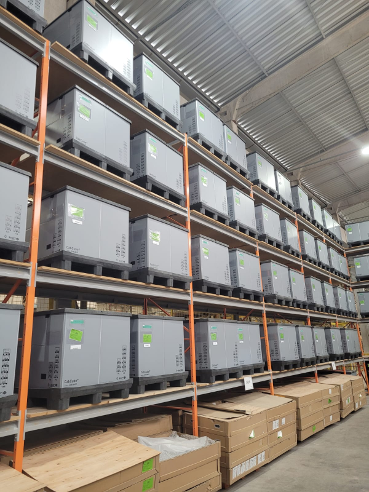
Using pallets, boxes, and standardized structures makes handling, transport, and storage easier.
Solutions such as box pallets and sleeve pallets increase process efficiency.
If you’d like to better understand these solutions, check out our content:
Box pallets and sleeve pallets: the most efficient unitizing devices in reverse logistics
Reverse logistics in the pharmaceutical sector
The pharmaceutical sector requires strict control. Reverse logistics in this segment involves traceability, safety, and compliance.
Expired products or packaging need to be returned in a controlled manner.
If you’d like to understand how to apply this in practice, check out our content:
How to apply reverse logistics in the pharmaceutical industry
Reverse logistics as a competitive advantage
Companies that master reverse logistics gain a competitive edge. They operate with more control, less waste, and better use of resources.
They also strengthen their brand in the market. Today, sustainability influences purchasing decisions.
Companies that demonstrate environmental responsibility stand out.
If your company wants to reduce costs, improve logistics efficiency, and build an effective reverse logistics system, choosing the right solutions makes all the difference.
Tecnotri develops highly durable rotomolded plastic pallets and plastic bin containers, ideal for reverse logistics operations.
Talk to our team and find out how to optimize your process.
I WANT TO TALK TO A SPECIALIST
Advantages of reverse logistics
Reverse logistics shouldn’t be seen as just an environmental requirement. When well structured, it becomes one of the pillars of an industry’s operational efficiency.
Companies that adopt this model start to see clear gains, both financial and strategic.
Reducing operating costs
Cost reduction happens progressively. By enabling the return of products and packaging, the company reduces the need to constantly purchase new materials. In addition, components can be reused or reprocessed, reducing dependence on raw materials.
Another relevant point is the reduction of hidden losses. Many companies have no control over what gets discarded along the way. With reverse logistics, this flow starts being monitored.
The result is a more predictable and optimized operating cost.
Less waste generated
Reverse logistics has a direct effect on reducing the waste generated by the operation.
Instead of discarding materials after use, the company creates a cycle of return and reuse.
This reduces the volume of waste and prevents negative impacts on the environment.
It also contributes to an operation more aligned with sustainable practices and regulatory requirements.
Companies that reduce their waste also cut costs related to disposal and treatment.
Better logistics control
One of the biggest gains lies in control.
By building reverse logistics systems, the company gains visibility over the flow of materials, from dispatch to return.
This allows it to:
track products and packaging;
identify bottlenecks;
control logistics assets.
This level of control reduces errors, improves organization, and increases operational efficiency.
Longer packaging lifespan
Choosing the right packaging directly impacts reverse logistics performance.
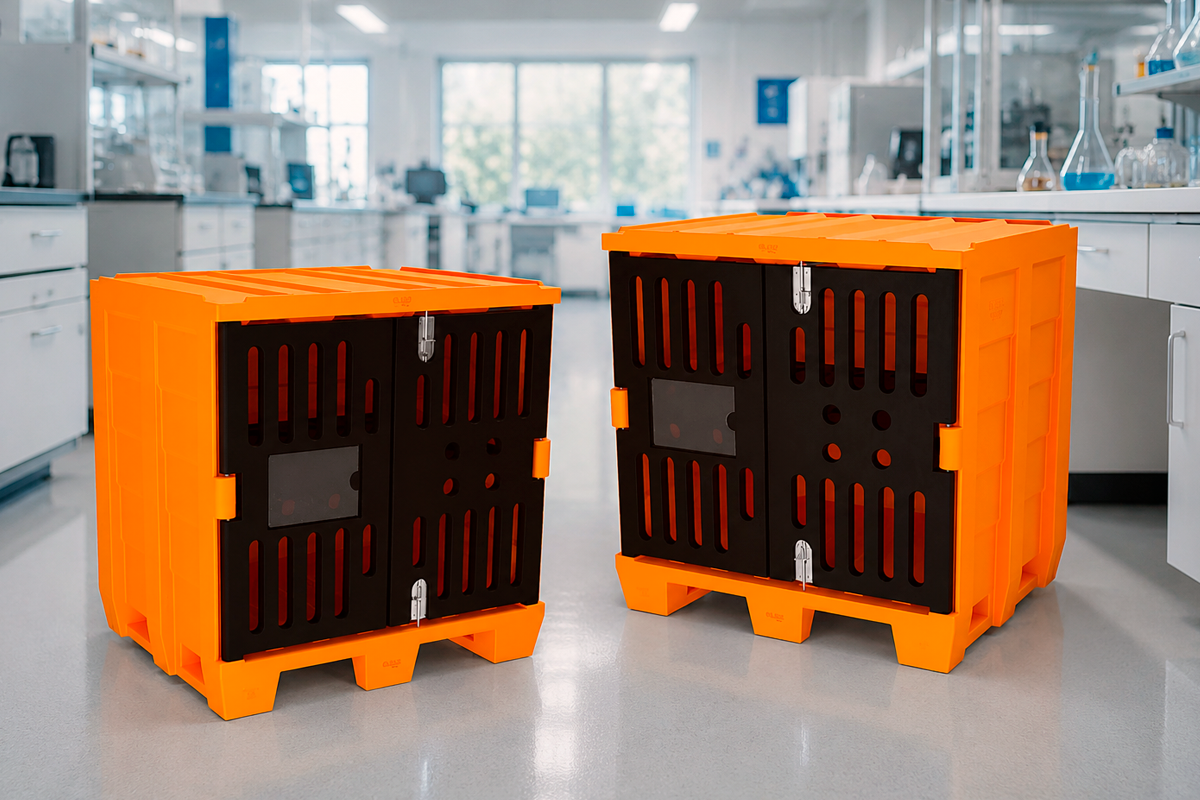
Reusable structures, such as plastic pallets, bin containers, cargo safes, and tec cubes.
Unlike disposable or fragile materials, these solutions maintain their integrity over time.
This reduces frequent replacements and increases return on investment.
In addition, durable packaging ensures greater safety during transport and storage.
Improved institutional image
Adopting reverse logistics strengthens brand perception in the market.
Companies that demonstrate environmental responsibility stand out to customers, partners, and investors.
Today, sustainability is a relevant factor in purchasing decisions.
Organizations that adopt responsible practices build a stronger, more trustworthy image.
This has a direct impact on competitiveness.
More operational predictability
Beyond all these gains, reverse logistics brings predictability.
When the return flow is well structured, the company operates with less uncertainty.
It knows:
when materials will return
in what condition they’ll return
how they’ll be reused
This predictability improves planning, reduces improvisation, and increases operational efficiency.
In the long run, this translates into a more stable, organized operation that’s prepared to grow consistently.
Stop losing money on inefficient logistics. Talk to Tecnotri and turn your process into real results
Reverse logistics is an essential strategy for companies seeking efficiency, sustainability, and competitiveness.
It goes beyond legal obligation. It’s an opportunity to improve processes, reduce costs, and strengthen the brand.
Companies that build efficient systems manage to turn waste into value.
If your company hasn’t yet set up an efficient reverse logistics system, now is the time to act.
Tecnotri offers rotomolded plastic pallet and plastic bin container solutions built to withstand intense operations and multiple use cycles.
Get in touch with our team and find out how to implement a reverse logistics system that’s efficient, safe, and economically viable.
I WANT TO TALK TO A SPECIALIST