Wine production is an important economic activity in the State of Rio Grande do Sul. A tradition that began with the arrival of the first Italian immigrants that ended up becoming a reference throughout the country and even internationally. The combination of a climate diversity suitable for the cultivation of various species with investments in technology and training has led to the emergence of a strong wine producing market with its own personality, serving consumers who are increasingly knowledgeable about this culture.
Rio Grande do Sul represents more than 90% of the production of grapes intended for the manufacture of wines, sparkling wines and juices. A significant share in the national market, which is currently the fifth largest wine producer in the Southern Hemisphere and continues to grow in volume and relevance in the global market. According to information from the Ministry of Agriculture, Livestock and Supply (Mapa), Seapi/RS and Embrapa, there are 675 formalized wineries in the State, where 138 grape varieties are cultivated, including those intended for the production of fine and sparkling wines and those intended for the production of table wines and juices.
Technology and tradition in perfect harmony
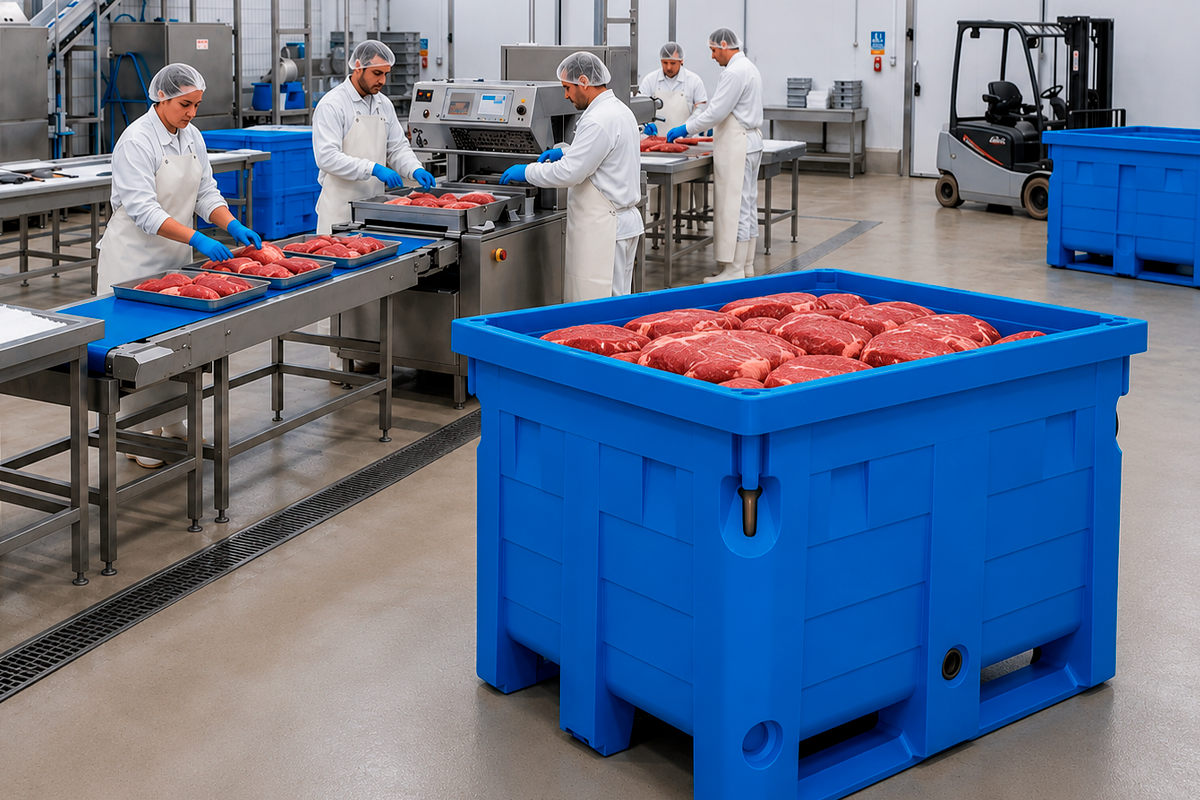
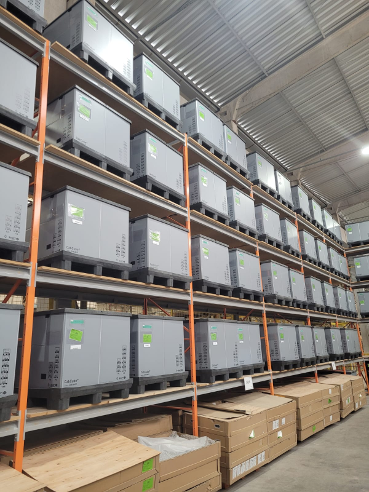
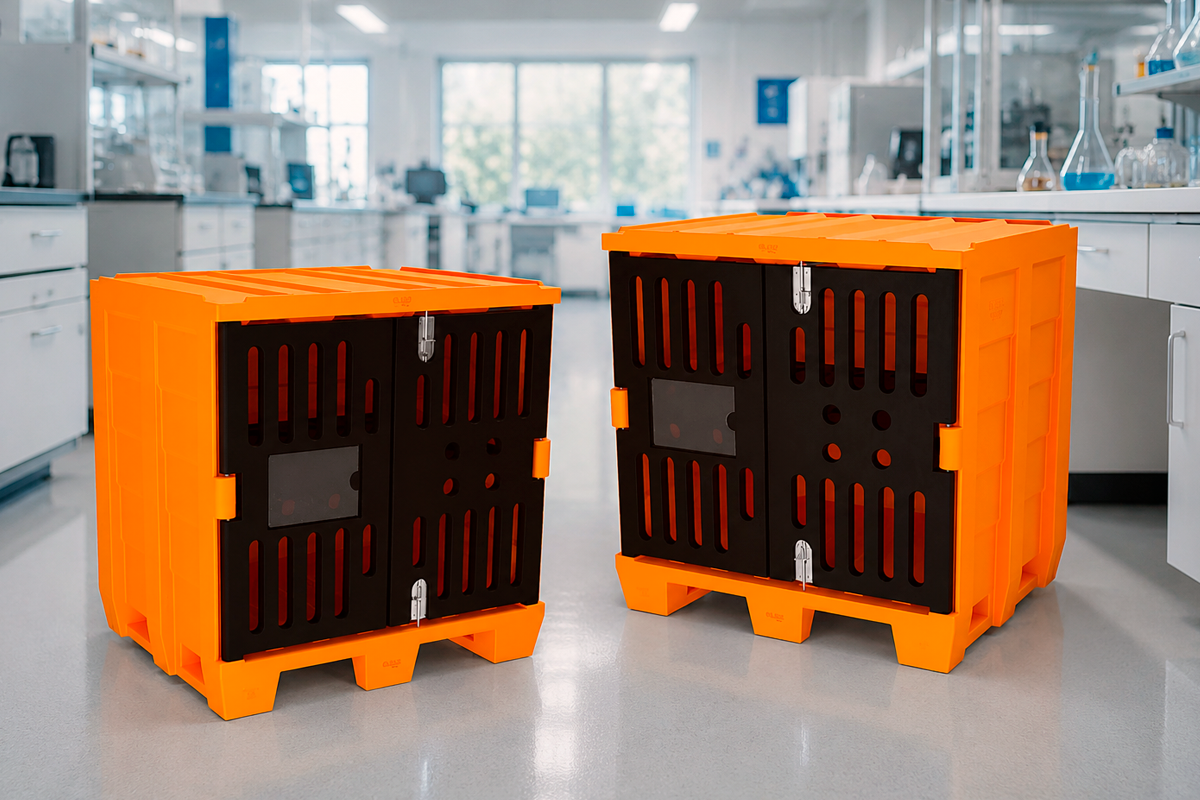
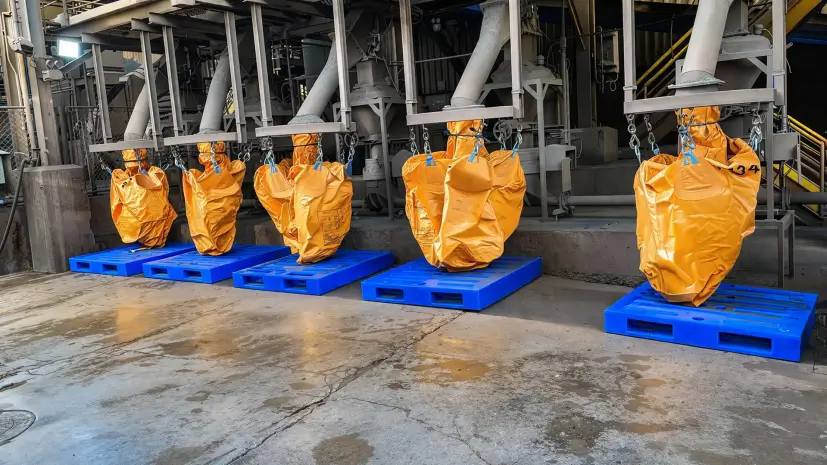
To achieve significant production numbers and recognition of the quality of its products around the world, the tradition brought by Italian immigrants, mostly established in Serra Gaúcha, needed to evolve and adopt new technologies in search of productivity and quality of international standards. A recent example of this movement occurs in the harvesting and storage of grapes, which nowadays is being carried out with the help of plastic containers (or bins, as they are better known by producers). Made from rotomolded plastic, they are resistant, made from a single piece, without seams or fittings, replacing traditional wooden ones.
Tecnotri, a company from Rio Grande do Sul specialized in the manufacture of rotomolded plastic parts, offers containers in versions from 39 to 650 liters and with load capacities of up to 1000 kg. It is one of the main suppliers for this market. According to the company, the biggest benefits of plastic containers compared to traditional wooden containers are their durability and practical handling. In addition to hygiene, as they receive antimicrobial protection and a UV14 additive that prevents the proliferation of fungi and bacteria, and allows direct contact with the fruits, which is essential in the food industry.
Producers are verifying these benefits in practice. Viníciola Basso, one of the most traditional in the State, located in the municipality of Flores da Cunha-RS, already uses 650-liter rotomolded plastic bins to harvest and transport its harvest. And producers from neighboring municipalities are also already experimenting with this new feature with an eye on the return later on, with reduced operational costs and agility in the storage and transportation of grapes, ensuring total quality from the field to the table of wine lovers around the world.