Fish and seafood are delicate and sensitive foods, easily susceptible to contamination. Exactly for this reason, it is important to ensure that products remain in adequate condition, even during logistical transport. This avoids problems with health surveillance and greater customer satisfaction.
Follow the text, check out the best practices for transporting fish and discover how Tecnotri can help your company adapt to these requirements.
What are the best practices for transporting fish?
Next, check out some of the measures to take into account when transporting this type of food:
– Refrigeration:fish and seafood need to be kept at cold temperatures to prevent spoilage. Therefore, it is important that they are transported in refrigerated or temperature-controlled vehicles. Travel time should also be minimized to ensure the freshness of the fish.
– Packaging: fish must be packaged appropriately to avoid damage during transport. Invest in equipment that maintains the integrity of the fish and prevents liquid leaks.
– Hygiene: vehicles and containers used to transport fish must be cleaned and disinfected regularly to avoid cross-contamination and ensure food safety. Choosing equipment that is easy to clean is also essential, as it makes operation easier.
– Documentation: the Animal Transport Guide (GTA) and the invoice are mandatory items and need to be carried throughout the fish transport logistics, as they serve as proof of their origin for inspection and transit control purposes.
What are the standards for transportation in the fish industry?
There are several regulations that the fish segment needs to follow to be within the law, including:
NR 17: known as the ergonomics standard. It requires the company to use products that preserve the health of employees, reducing physical, mental and psychological efforts.
HACCP: in Portuguese, it means “Hazard Analysis and Critical Control Points”. It is a system that prevents physical, chemical and biological hazards in food, aiming to improve the quality of logistics processes.
FDA: the acronym, in English, refers to the Food and Drug Administration. Establishes strict regulations for the transport of food, including fish.
FSSC 22000: food safety certification, based on the ISO 22000 standard, which provides a set of guidelines for organizations across the food industry, helping to ensure the safety and quality of food throughout its entire operation, from production to final consumption.
How does Tecnotri help with fish transport?
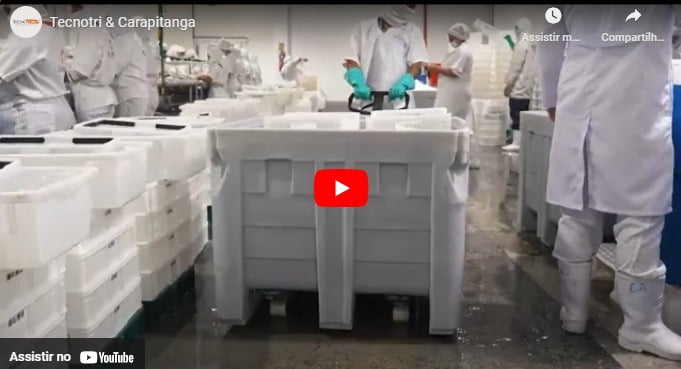
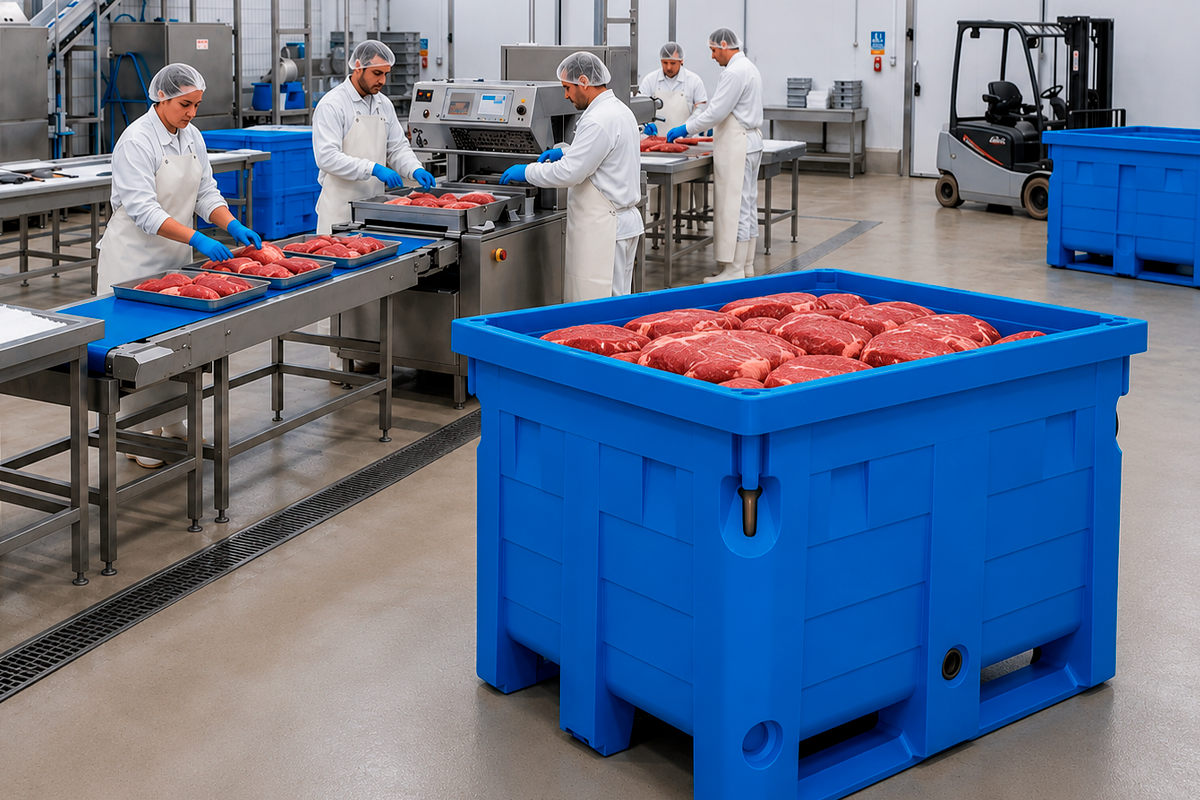
Tecnotri offers a specific line of products to serve the fish sector: container bins. The solution provides more safety and practicality for the transport and storage of fish and seafood. Do you know why?
As they are made of rotomolded plastic, they are light, resistant and easy to handle and clean. This way, they can ensure food conservation, in addition to reducing work accidents and maintenance costs.
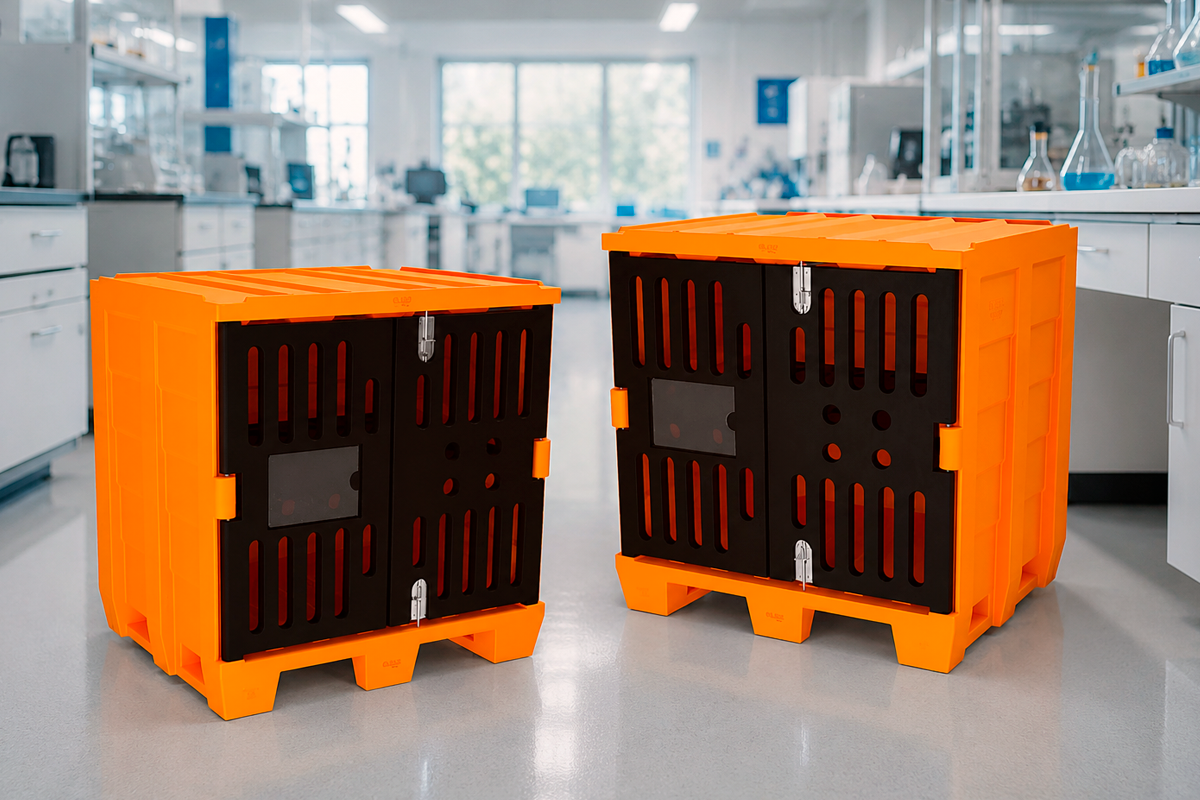
Tecnotri also has a 600-liter bin container in the thermal version, which has a triple wall, two runners and locks on the lid to guarantee fixing and the drainage system. These aspects preserve food and facilitate the cleaning process.
Check out the line’s differences:
– Allows direct contact with food;
– Greater comfort for workers;
– They are free from fungi and bacteria;
– 100% recyclable (LDPE seal);
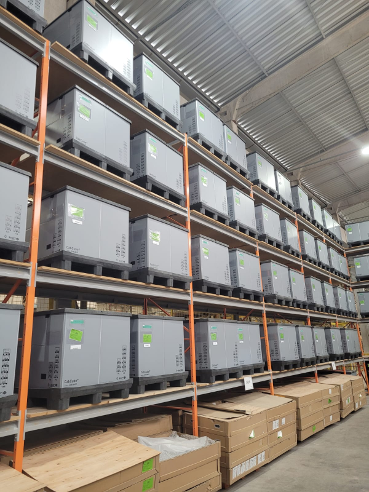
– Can be stacked;
– Easy to clean;
– Long service life;
– Does not require maintenance;
– Resistant to temperatures from -35°C to 60°C;
– Made from 100% virgin material;
– 10 year warranty.
In summary…
- Fish industries need to be aware of good transportation practices to ensure the preservation of fish and seafood;
- There are several regulatory standards for the segment, which include food safety and ergonomic requirements for employees;
- To optimize your company’s transport operations, count on Tecnotri’s line of container bins, an ideal solution for the fish sector.
Learn more
See all the details of Tecnotri’s bin containers in the catalog and obtain greater productivity in logistics processes.