In the food industry, great care is necessary at any stage of production. Ensuring hygiene and correct conservation is essential so that food meets the desired quality standard and is suitable for consumption.
Secure storage is one of the crucial points in this regard and must be carried out in accordance with industry standards. Follow the text and find out more about it!
The rules for safe storage in the food segment
The way ingredients and final products are stored varies depending on the product and the specific standards for each food category, but there are general guidelines.
Embrapa (Brazilian Agricultural Research Company) recommends the following good practices::
- For raw materials and finished products
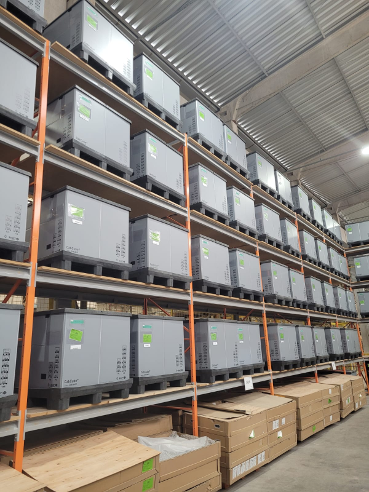
Storage must protect the integrity and quality of the items, according to the respective guidelines for each product, preventing contamination and/or the proliferation of microorganisms and protecting against damage to the container or its packaging.
Systematic and regular inspections of finished items must be carried out, ensuring that only articles suitable for human consumption are sent for sale.
- Frozen storage
They must be stored at a temperature equal to or below 0°C. Freezing prevents most of the water present in the food from being used by microorganisms, inhibiting their activity. It can still occur, but very slowly. - Refrigerated storage
Refrigeration is considered a means of brief preservation. Most alterable foods can be kept refrigerated for a limited time, at a temperature slightly above the freezing point, generally between 0°C and 10°C, also in accordance with the recommendations for each item. - Storage at room temperature
Products that do not require special conditions must be maintained according to the guidelines specific to their segment.
All industries in the segment must strictly follow the regulations related to sanitary conditions, handling, processing and storage of food. If they are not adequate, they may suffer fines and penalties and lose market space.
Some standards are:
- FSSC 22.000 (Food Safety System Certification, that is, Food Safety System Certification), which aims to ensure quality in production and distribution, avoiding risks in all industry processes;
- ISO 2200, which concerns food safety management, demanding requirements that avoid risks throughout the production chain;
- Ordinance nº 326of the Health Surveillance Secretariat, associated with the transport of food cargo. It establishes that the items used to carry the products must be made from materials that guarantee adequate preservation and allow for easy cleaning, avoiding contamination.
Bin containers: see how they help with secure storage
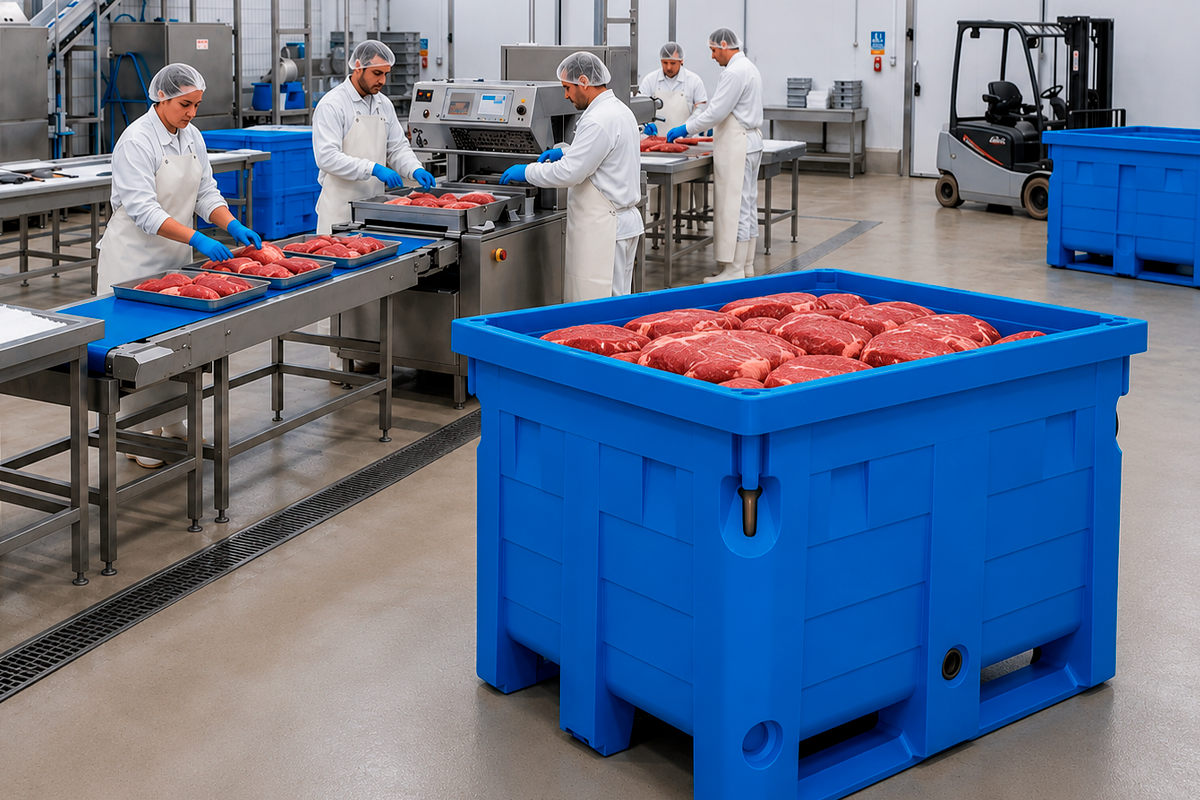
Made of rotomolded plastic, our bins are perfect for use with food. They comply with standards, such as Anvisa, HACCP, FDA and BFP regulations. They allow contact with products safely and provide simplified disinfection.
In addition, they are lightweight, resistant to impacts and temperature changes and easy to handle, optimizing everyday life, ensuring simpler operations and reducing workplace accidents. Not to mention that they offer a long useful life, generating excellent value for money.
The line is extensive, with containers of different sizes, capacities and formats. Discover all the options and see more details!