Spaces known as clean areas in industry are essential for activities that need to be carried out without risk of contamination.
This is the case of pharmaceutical industries, which have a fundamental resource for dealing with different substances and medicines. Within strict efficiency and safety standards.
Next, better understand the concept, the proper care for these areas and some of the main standards that regulate them.
What is a clean area?
clean areas, also called clean rooms or clean rooms, are places where the environment is fully controlled against the presence of microorganisms.
The purpose is to ensure that these small living beings present in the air do not generate interference, whether in procedures within surgical centers, in tests carried out in chemical laboratories and in the aforementioned pharmaceutical industry productions.
You must isolate the area from other facilities and follow a strict control standard for the volume of particles circulating in the location.
In the case of pharmaceutical operations, the clean area is essential to guarantee the quality and safety of the products handled, since medicines require specific environments to maintain their integrity.
What precautions should you take in this type of environment?

In general, aclean area in industrymust have environmental controls related to its temperature, humidity, air flows, lighting, pressure, noise, vibration and especially microbial contamination.
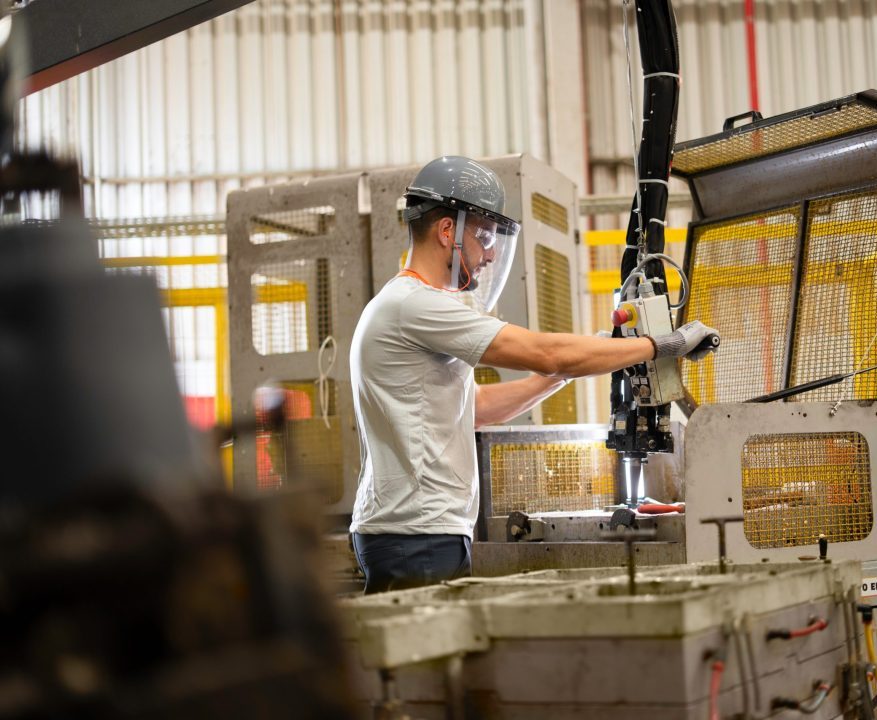
In addition, everyone who uses it must take certain precautions to prevent the transmission of particles or microorganisms. Eventually, they could contaminate the site.
This involves sanitizing the area before and after using it, cleaning or changing shoes at the door (where there is usually a cleaning machine and sticky mats), and putting on special clothing in the correct order (top to bottom).
In addition, people cannot have cosmetics or other similar products while in the clean area, nor consume food, which includes candy or chewing gum in the mouth.
An important requirement is the awareness of all users about the function of this type of space. You must identify the possibilities of contamination and disclose the precautions to be taken.
There are several classes of clean areas and each of them has specific recommendations and rules. What defines them are their regulatory standards.
Understand how your main regulatory standards work
The classification of a clean area is based on the purity of the air inside it. That is, the concentration of particles per volume of air. From this, we stipulate specific procedures, equipment and recommendations for its control.
You can use several standards for this definition, with ISO 14644 being the most used worldwide. It determines the areas by classes in relation to particles per cubic meter. These classes range from 1 to 9, with the first being considered the “cleanest” and the last being the “dirtiest”.
However, these are not the only parameters to guarantee the safety of people, processes and products handled. For example, in Brazil, it is still necessary to pay attention to the recommendations of ABNT and ANVISA.
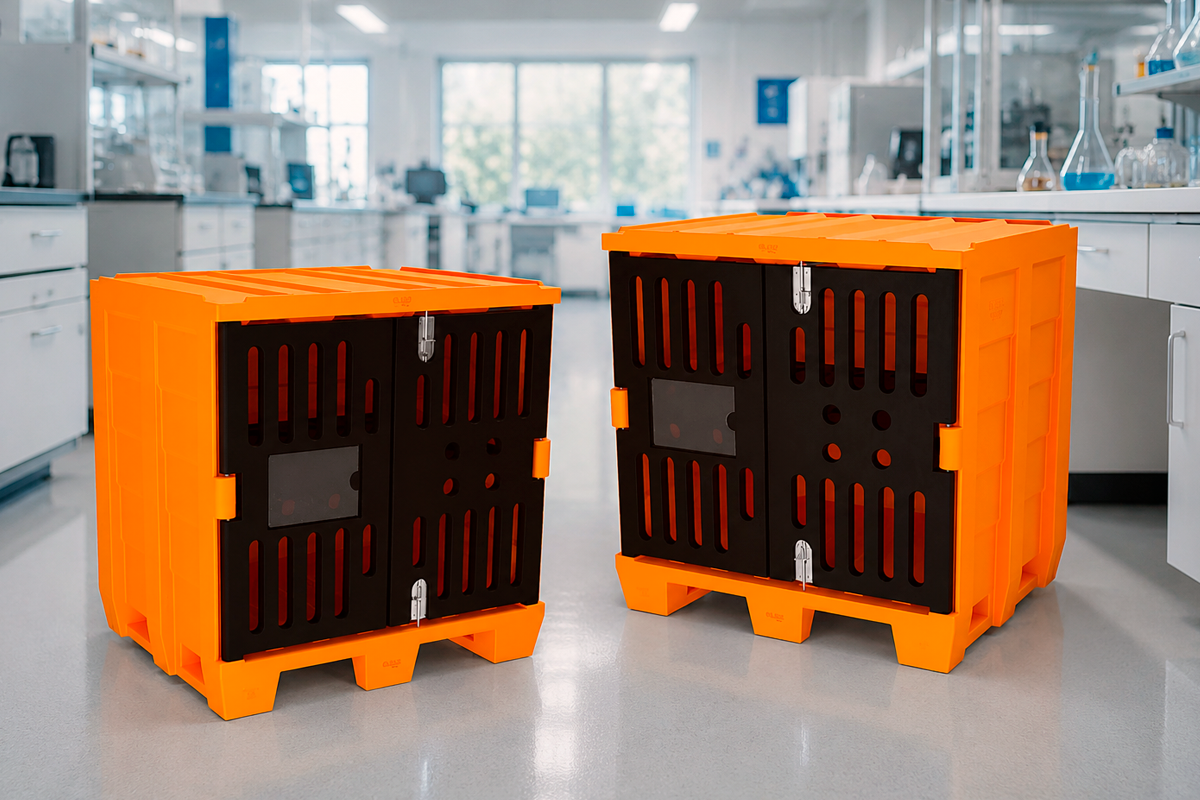
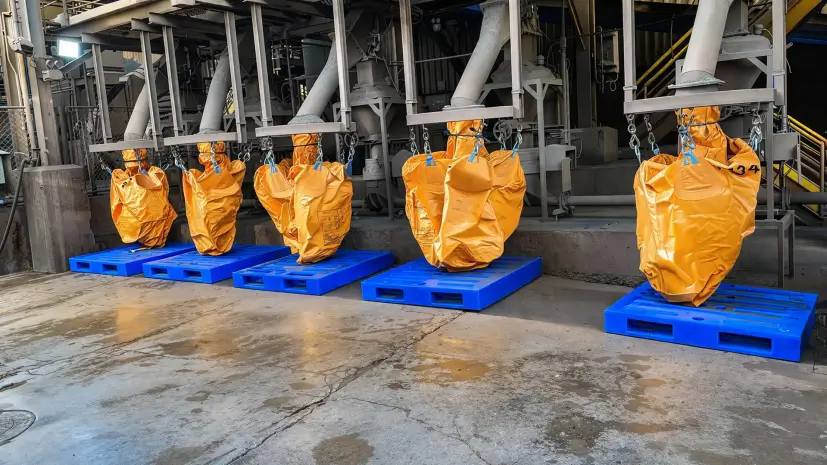
We can still consider the other inputs used in the processes and go beyond. Returning to the pharmaceutical industry, the pallets that store medicines themselves have special requirements. Typically, the sector prioritizes rotomolded plastic products (which have protection against antimicrobial proliferation) certified by BRC and GFSI standards.
If you liked this article about clean areas and want to know more about the pallets we just mentioned, click here and discover Tecnotri’s solutions, which is an absolute reference in quality and technology in the area.