Safety and sustainability are fundamental to ensuring process efficiency and compliance with standards in the chemical industry. Since production in the sector involves the use of chemical and dangerous substances, investing in environmental and worker safety is necessary to avoid accidents and contamination. Proper management of chemicals and the use of appropriate equipment contribute to increased safety and sustainability.
See the importance of containing dangerous liquids
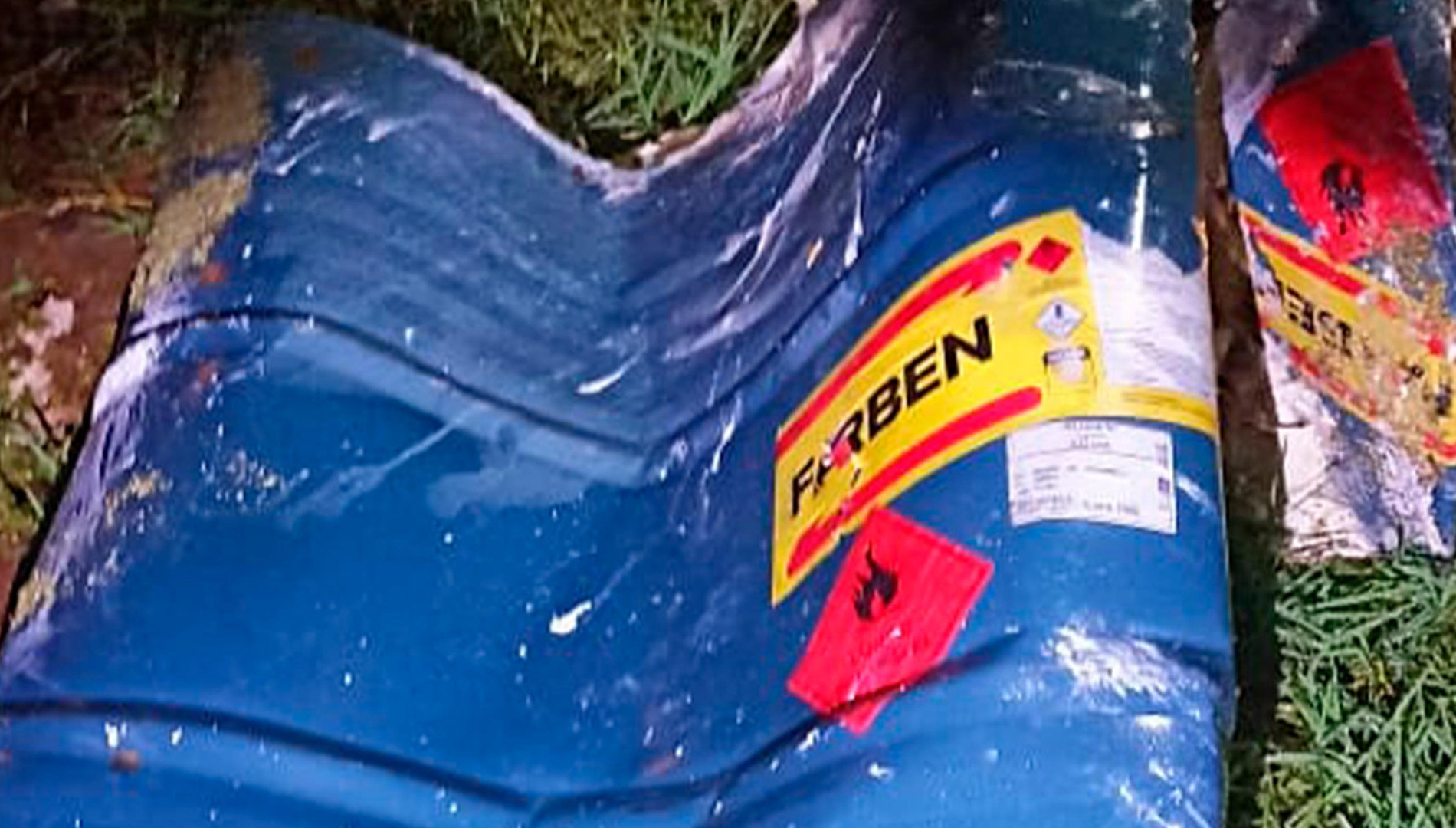
The handling, transport and storage of substances classified as dangerous represent major challenges for the chemical industry. Intense interaction with flammable, toxic, explosive products and other harmful characteristics requires measures to prevent failures in all processes. This way, accidents that put workers and the company itself at risk are avoided. It is necessary to always be aware of the risk of accidents and spills.
Highly dangerous chemicals are categorized into nine classes:
- explosive materials
- gases
- flammable liquids
- flammable solids
- organic peroxides
- toxic and infectious substances
- radioactive materials
- corrosive substances
- harmful articles and substances
This classification, developed by the UN, aims to define the storage of substances according to their physical-chemical nature, preventing them from reacting with each other and causing accidents.
Since the danger of these substances is extremely high, establishing measures that allow activities to be carried out with a low risk of accidents is very important. In this sense, the use of containment equipment and care with the conditions of product packaging are essential.
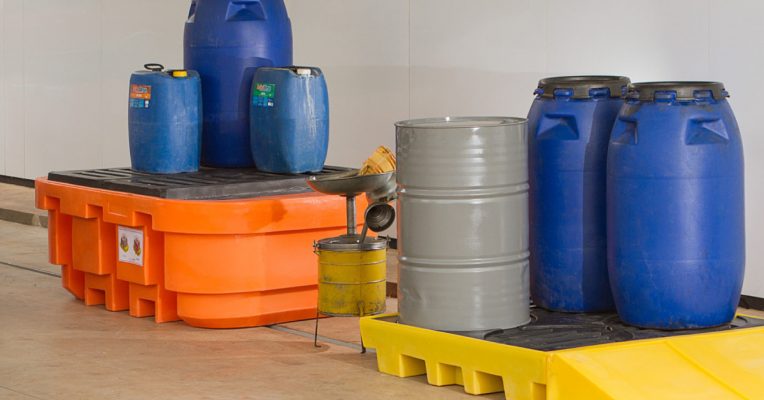
In addition to labeling materials and separating them into categories, it is important to store these substances in high containment containers in order to prevent leaks, such as basins or dams. Such reservoirs make it impossible for the chemical substance to come into contact with the ground and with the incidence of light and heat, in addition to having anti-corrosive material. Furthermore, it is important to use containment basins and safety safes for transporting and storing these products.
Learn how to increase safety in the chemical industry
The chemical industry must observe strict legislation and take special safety precautions to avoid accidents and spills. After all, these substances can cause contamination of the work environment and people who handle these products.
In addition, the Good Manufacturing Practices must be observed (BPF). These standards guarantee the hygiene and sanitation of products throughout the chemical industry’s production process. These recommendations aim to avoid the unwanted introduction of impurities of a chemical, microbiological nature or foreign matter during the sampling, production, packaging, storage or transport of medicines.
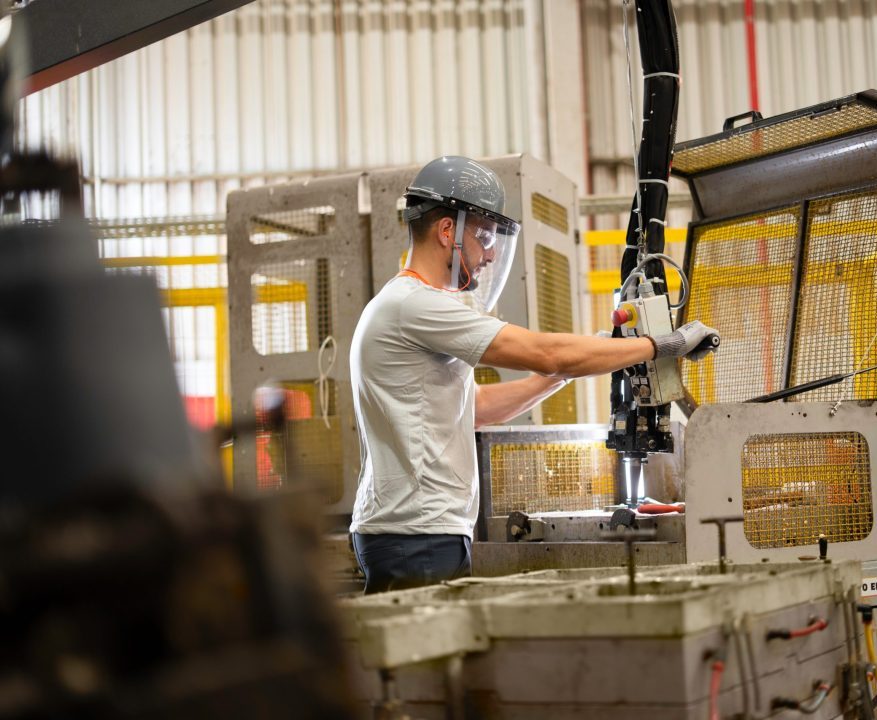
To protect employees, companies must provide protective equipment and promote adequate training on how to handle chemicals. The work environment must be very well signposted, warning about the risks of the products used and the procedures necessary to avoid accidents. Respecting the requirements of standards such as NR-20 guarantees the necessary procedures to avoid accidents with dangerous products.
Understand how to adapt to NR-20
NR-20 style=”font-weight: 400;”> aims to establish minimum requirements for the management of occupational health and safety in the chemical industry. This standard involves measures against risk factors for accidents arising from the activities of extraction, production, storage, transfer, handling and manipulation of flammable and combustible liquids.
To adapt to “https://tecnotri.com.br/importancia-nr20-na-industria/”R-20, companies need to gather and periodically review a series of documents:
- Installation project
- Inspection and maintenance plan
- Operating procedures
- Risk analysis
- Worker training certificate
- Accident analysis
- Leaks, spills, explosions and fires prevention and control plan, with due identification of all sources of fugitive emissions
- Emergency response plan
NR-20 also talks about the storage of dangerous substances and the importance of using appropriate packaging, which follows technical standards and prevents leaks and contamination.
Proper storage of chemicals requires good planning. Factors such as the material of the storage compartments and the temperature and pressure conditions must be treated with great care and responsibility.
To increase safety, one of the recommended pieces of equipment is the Containment Pallet, which allows the containment of spills by chemical and flammable liquids. This container helps prevent contamination and work accidents, thus ensuring greater safety for employees and the environment. Furthermore, it reduces losses and allows the reuse of stored substances, in some cases.
In addition to complying with the NR-20 standard, the Containment Pallet also meets OSHA 40, CFR 264 and ISO 14001 standards.
See the importance of reverse logistics for the environment
Dangerous liquids cannot be thrown in regular trash, as they can cause risks to the population and major environmental impacts. Therefore, products such as pesticides, batteries, tires, lubricating oils, fluorescent lamps and electronics need to have an appropriate final destination. These dangerous materials must be collected by specialized companies so that they can be disposed of appropriately, in accordance with safety standards.
The correct environmental practices provided for by reverse logistics, such as disposal and treatment of waste, are essential to preserve the health of the population and the environment. Reverse logistics involves the process of planning, implementing and controlling reverse flows of raw materials for their appropriate recovery or disposal. This practice reduces the environmental and social impact caused by waste, in accordance with the requirements of legislation.
Increase security with cargo safes
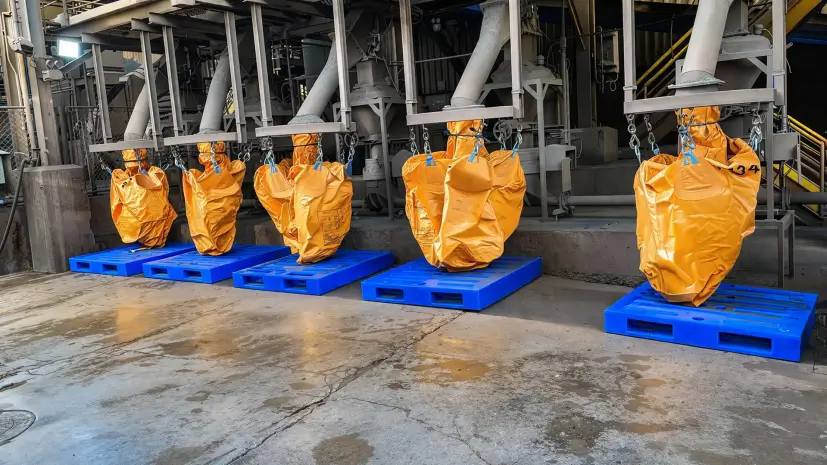
The transport of dangerous cargo requires special care to ensure safety. Furthermore, the law determines the appropriate identification, packaging, labeling, packaging and documentation of these products. To guarantee their tightness in relation to the rest of the load, they must be segregated in load safes.
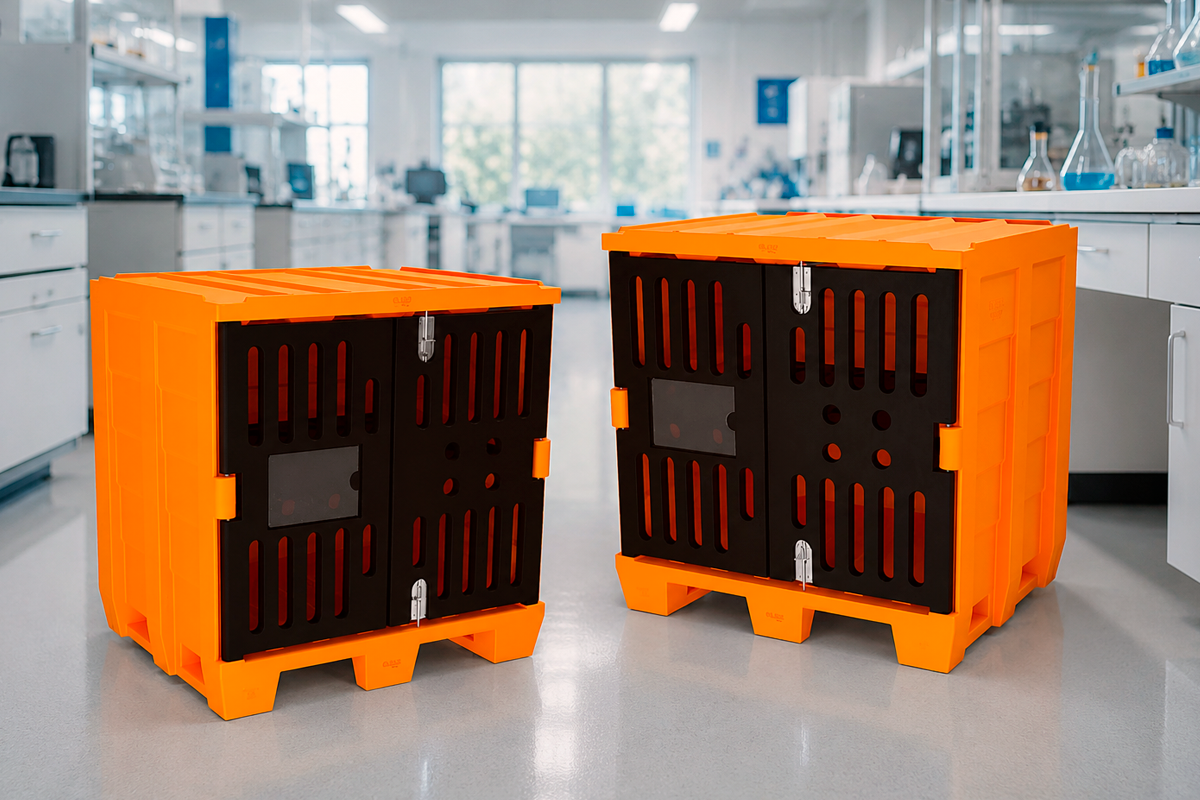
Developed to segregate incompatible and dangerous materials, cargo safes are widely used by transporters of medicines, chemical materials and food. These boxes have zippers to secure the cargo, with the purpose of segregating it during transportation of incompatible products.
Without seams or welding, the cargo safe is non-toxic, resistant and immune to chemical agents. With stainless steel closing latches and hinges, it allows the safe transport of different substances in the same container. In cases of leaks, there is no contamination of the environment, as the dangerous material is completely retained inside the safe.
By presenting these characteristics, Tecnotri cargo safes and containment pallets meet Anvisa’s sanitary standards and the requirements of Good Manufacturing Practices (BFP).
In short, safety and sustainability care in the chemical industry is essential to guarantee the safety of workers and observe the requirements of legislation.
Do you want to know more about the advantages brought by containment pallets? See here!