Table grapes are a crop that is very sensitive to mechanical damage. Therefore, some care is necessary to ensure efficiency in the harvesting process. After all, the final quality of the fruits is directly linked to the care taken in harvesting, handling and transporting the product.
Hygiene and careful handling procedures contribute to obtaining high-quality, food-safe fruits, without increasing costs for the producer.
But do you know what are the main precautions recommended when harvesting grapes? Why is the use of rotomolded plastic containers so important? Check it out below!
Necessary care when harvesting grapes
The ripeness of the grapes can be checked based on the soluble solids content, associating it with attributes such as appearance, color, texture and flavor, in addition to counting the days since sprouting. With the accumulation of water and sugar, they begin to gain volume, until they reach the ideal stage for harvesting.
In practice, the main factors for determining the harvest point are the soluble solids content (called Brix) and the relationship between soluble solids and titratable acidity. According to international standards, the minimum soluble solids content for harvesting is 14.0 Brix. But, for the Itália, Rubi and similar varieties, a minimum ratio of 15:1 is recommended.
In addition, other care is necessary for a good harvest:
- In the case of an irrigated area, it is recommended to reduce the amount of water available, to avoid excessive turgidity of the berries, which makes them more susceptible to damage during handling
- To assess the general condition of the fruit, you can also measure the diameter of the berries, the size and shape of the bunches and the soluble solids content
- The producer must plan the harvests, evaluating the labor and material needed
- Bin containers must be clean, sanitized and lined with soft, flexible and washable material. Furthermore, care must be taken not to leave crop residues or any materials inside that could damage or contaminate the grapes.
- The containers must be distributed along the planting lines, resting them in an inclined position on the plant stem, avoiding direct contact with the soil.
- Harvesters and operators must be trained to properly perform their duties
- Harvesting should be carried out during the coolest hours of the day, avoiding rainy days or the incidence of dew on the fruits.
- Harvesters must have clean hands and nails cut, and wear gloves whenever possible
- After harvesting, the containers must be kept in the shade and transported to the packing house as quickly as possible. In this way, it is possible to avoid dehydration of the grapes, the drying out of the stems and the detachment of the berries (degrana).
Understand how bins help with grape harvesting
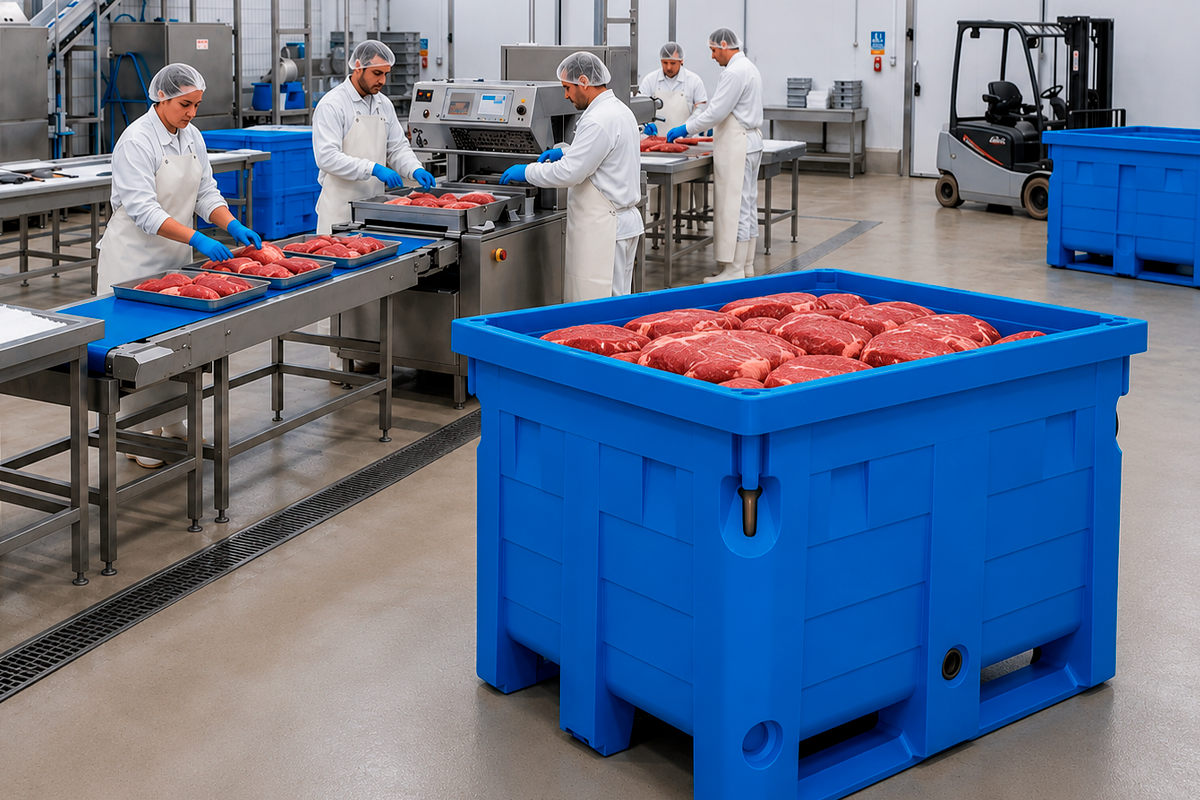
A major advance in grape cultivation was made possible with the use of rotomolded plastic containers, known as bins, capable of carrying around 400 kilos of grapes.
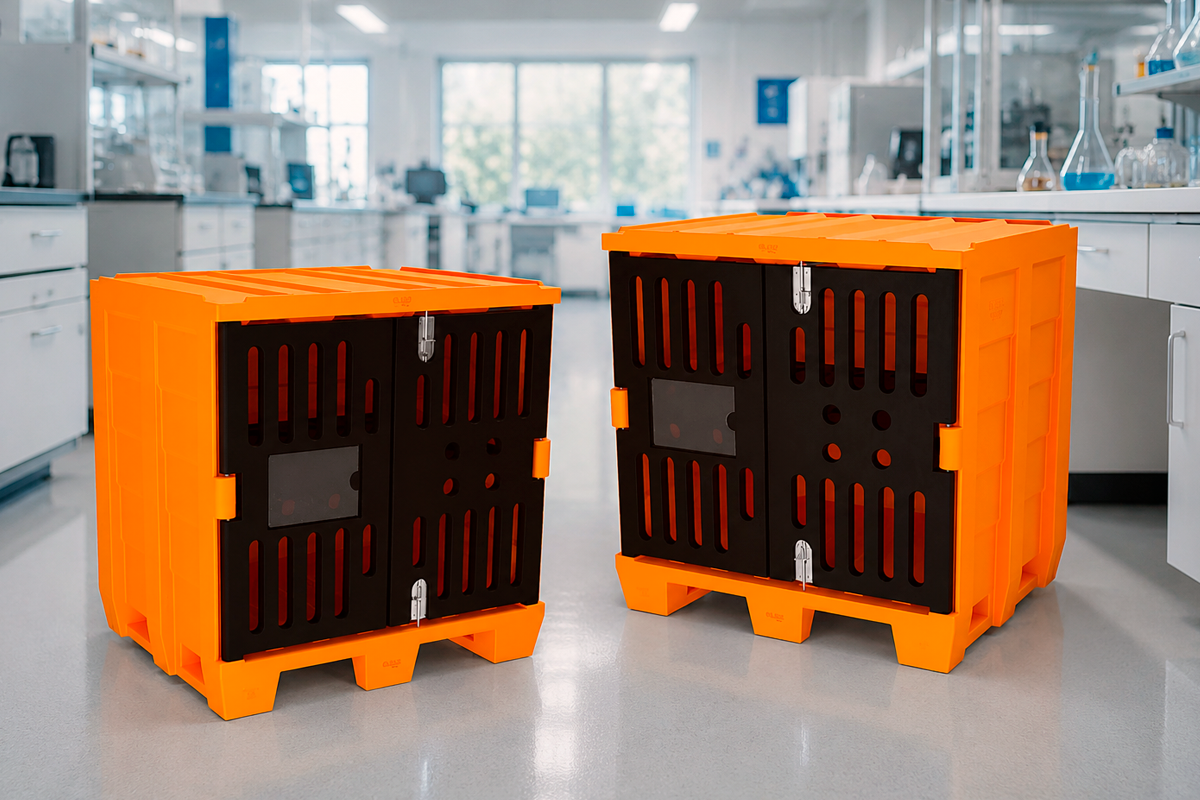
Produced with rotomolded plastic, bins containers are light, resistant, non-toxic, unalterable to chemical agents and resistant to temperatures from + 60°C to – 40°C. These products promote hygienic conditions in the transport and storage of fruits, as they have antimicrobial protection and prevent the proliferation of fungi and bacteria. Furthermore, they have a UV14 additive and antimicrobial protection, which prevents the proliferation of fungi and bacteria and allows direct contact with food.
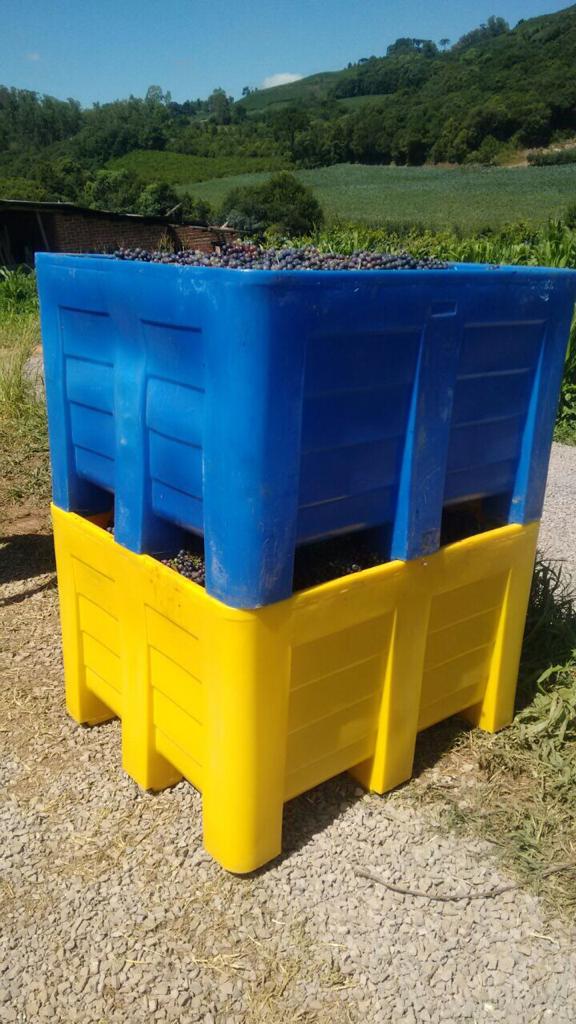
A tractor with a fork attached can easily remove these large plastic containers from the field, reducing manual labor and bringing savings of 30% to the harvest.
Furthermore, it is important that the containers follow the specifications of Anvisa’s health standards (ABNT 1642) and good manufacturing practices (GMP), which are fundamental in the food industry. The bin, which does not have holes, generates the same amount of must as an 18-kilo box of grapes.
Another advantage of rotomolded containers is their versatility in use, as they are light, durable and easy to clean. Made for use on the ground, they can be easily moved with a pallet or forklift.
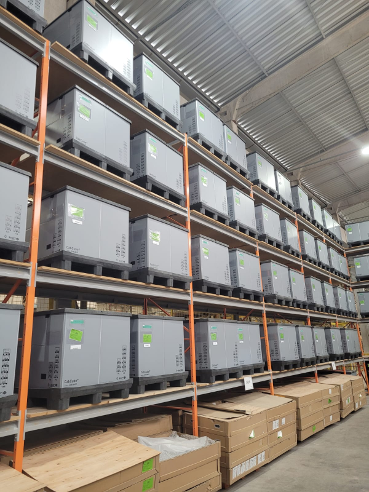
Stackable, light and versatile, bin containers also stand out for their great durability – on average, 10 years –, a period longer than the wooden boxes previously used in grape production. Furthermore, these containers are monobloc, that is, they do not have seams, nails, or splinters, therefore, they do not require specific maintenance and contribute to the reduction of operating costs, enabling a quick return on investment in their acquisition.

Differentiations of Super Roto plastic pallets
In addition to bin containers, Super Roto Tecnotri rotomolded plastic pallets are ideal for grape cultivation and the most suitable for the production of drinks and food.
Some of the biggest benefits of plastic containers compared to old wooden pallets are hygiene, durability and practical handling. Super Roto plastic pallets receive antimicrobial protection and a UV14 additive, which prevents the proliferation of fungi and bacteria. Furthermore, they allow direct contact with the fruits, which is essential in the food industry.
Light, non-toxic and easy to clean, this product also has a UV14 additive and antimicrobial protection. Without seams or welds, they have four entrances, with 2 cm flaps, hollow face, two stringers, slider and runner.
Furthermore, they are easy to transport, rotomolded plastic pallets have flaps that help in transporting and storing food. Preventing boxes from sliding on pallets. The hollow faces allow for the drainage and flow of liquids that may accumulate during the storage of food products.
These products, made of high-density rotomolded plastic, are resistant to freezing and can be used in environments with temperatures between -35ºC and 60ºC.
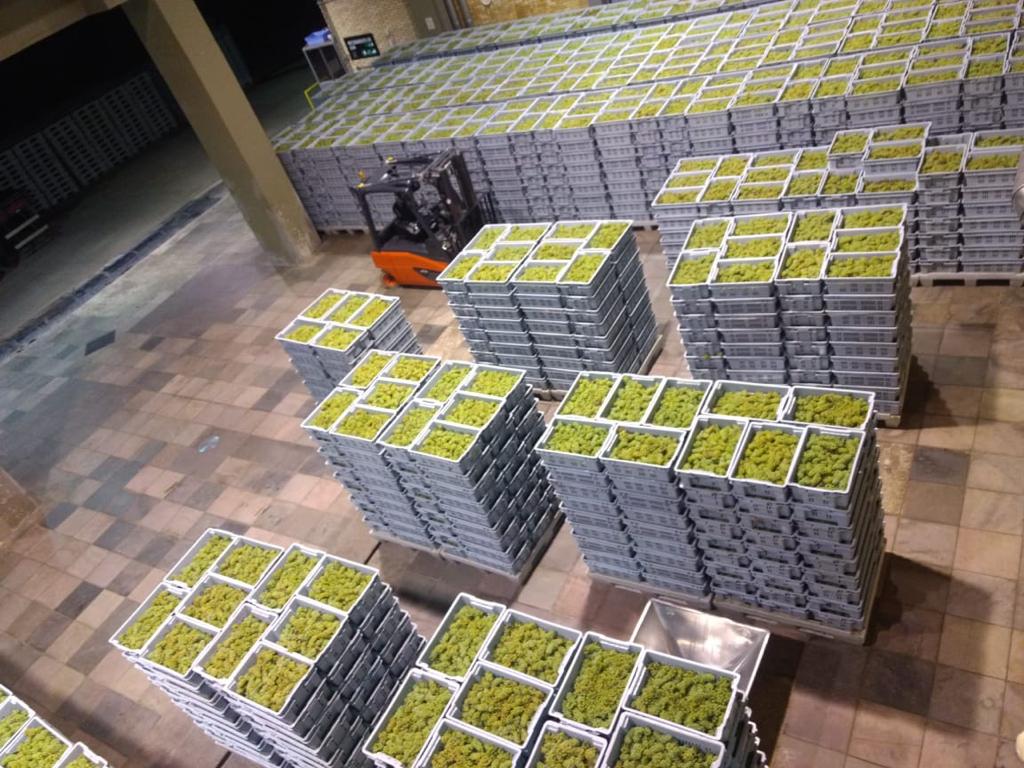
Carrying capacity of bins contenders in grape harvesting
Another advantage of the plastic pallet is its load capacity, as it is capable of supporting large weights. Extremely robust, these products allow boxes to be stacked. Furthermore, as they are monoblocks, they do not have seams, nails or welds, which helps to avoid accidents and bring greater safety to operations.
Another important difference is that plastic pallets are up to 70% lighter and more resistant than wooden pallets, in addition to being 100% recyclable and non-toxic. In turn, wooden pallets are heavier and vary in weight, which can increase by up to 30% when exposed to humidity and rain. Therefore, plastic pallets cost up to 75% less than wooden pallets.
As we have seen, the use of bin containers in grape harvesting helps to guarantee fruit quality, good hygiene conditions, food safety and increased productivity.
Did you like this article? Continue reading about the subject: New technologies in grape harvesting