How to overcome challenges in chemical industry logistics
The handling, transport and storage of substances classified as dangerous represent major challenges for logistics in the chemical industry. After all, the sector has to observe strict legislation and take special care with safety
Do you know the main challenges of logistics in the chemical industry? Do you know how to overcome these difficulties? In this article, we will show you how to ensure greater security and efficiency in your processes. Check it out!
Understand how logistics works in the chemical industry
Logistics is an area that ranges from the acquisition of raw materials to the transportation, storage and distribution of the finished product to the customer.
The chemical industry has strict requirements in the production of its products, as it involves the use of chemical and dangerous substances and special safety precautions.
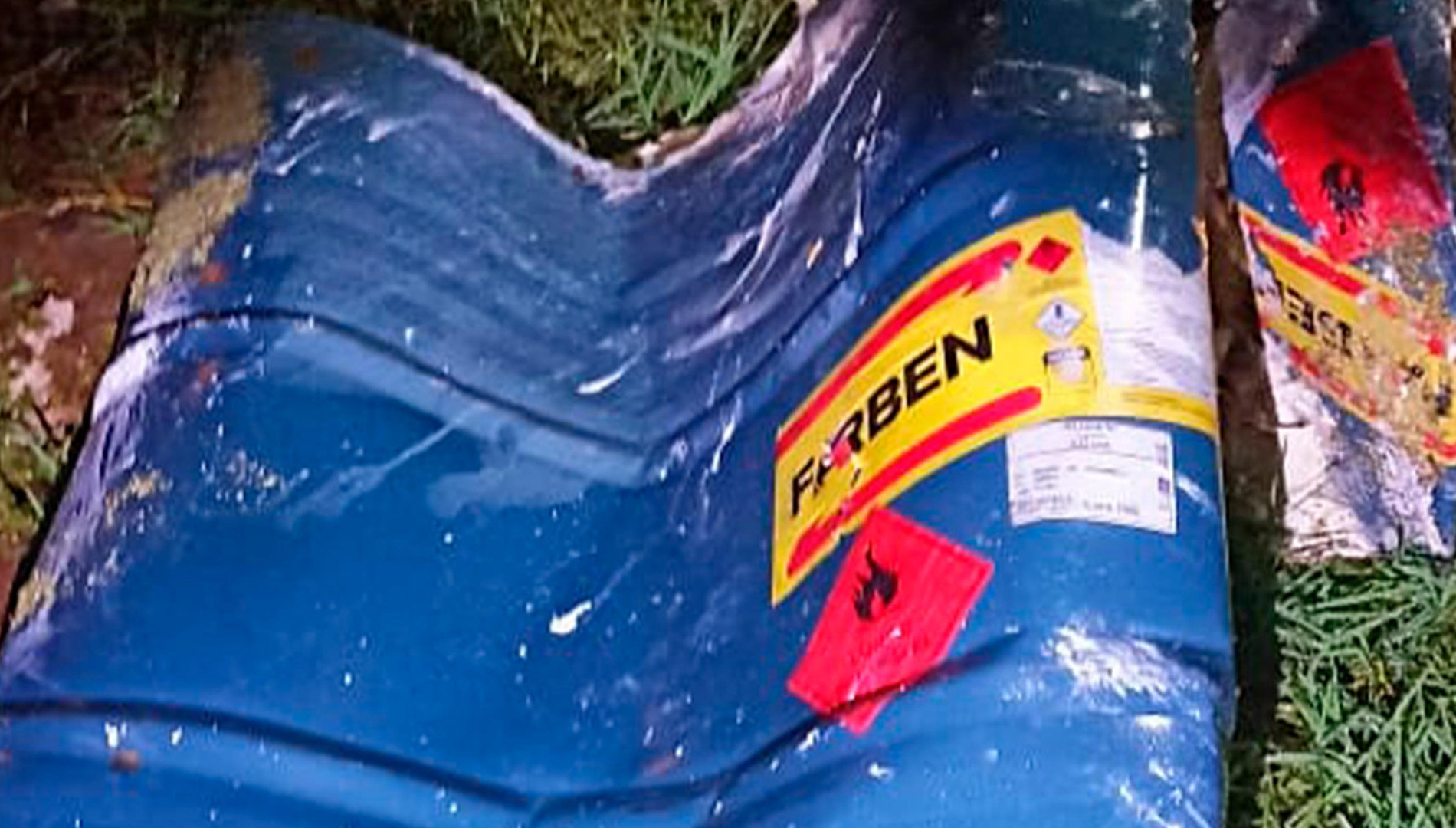
Anyone who deals with chemical and flammable liquids must always be aware of the risk of accidents and spills. After all, they can cause contamination of the work environment and the people who handle these products.
According to Ordinance No. 204/97 of the Ministry of Transport, a dangerous product is any substance that, due to its physical and chemical characteristics, poses risks to public safety, human health and the environment.
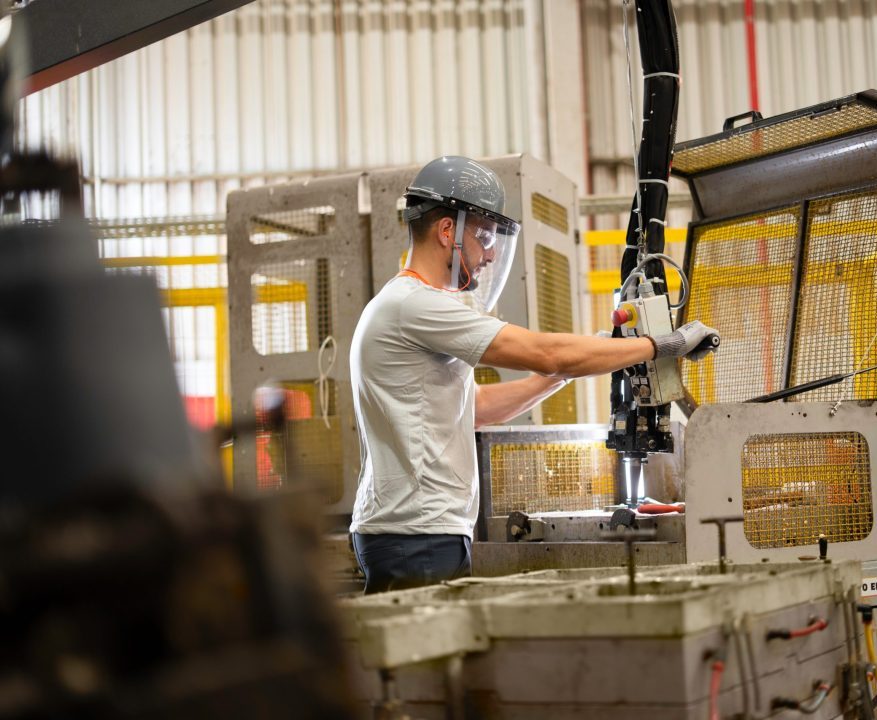
Specialized and trained professionals carry out the storage and transport of chemical and flammable liquids, observing safety norms. They receive training and updates to acquire solid knowledge of operational procedures and legislation.
Factors such as the need for movement, temperature and pressure conditions and the types of storage compartments that will be used with great responsibility and care.
Take extra care with storage
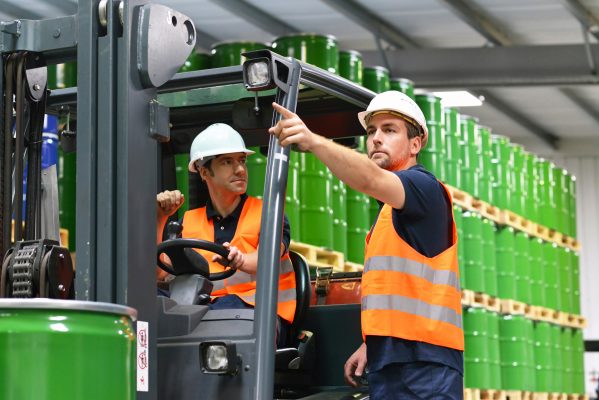
Good planning is necessary for proper chemical storage. Furthermore, factors such as the material of the storage compartments and the temperature and pressure conditions must be treated with great care and responsibility.
Tank identification must provide information indicating whether the product is dangerous or toxic, and what measures are necessary in the event of an accident. It is necessary to properly separate the chemicals, as the mixture can cause explosions in some cases.
Store toxic chemicals in well-ventilated areas, with floors and shelves away from direct sunlight so that, in the event of an accident, the fumes do not collect the chemical, and it is not absorbed by surrounding materials.
Additionally, personnel trained to handle each product must lock the storage room during use, allowing limited access.
Make sure that the containers used to handle substances are really suitable for each type of chemical product and always check that the container lids are closed correctly.
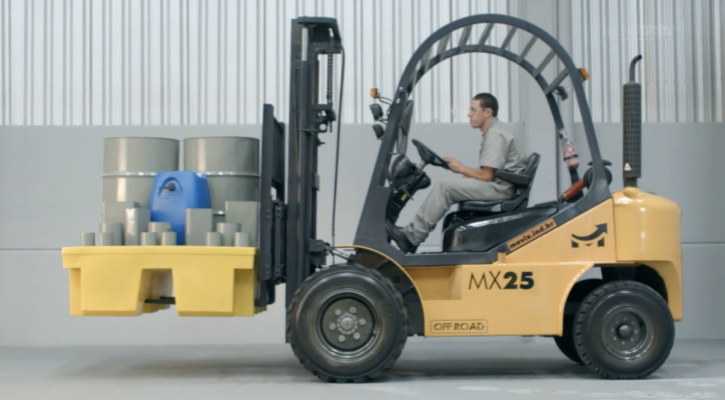
Containment pallets, characterized by greater resistance to corrosion, impacts or the effects of time, are the most suitable for transporting and storing chemical products.
Furthermore, the use of cargo safes prevents product leakage and also helps organize stocks, allowing segregated loads to occupy the same space.
Learn what precautions are needed during transport
The transport of chemical and dangerous products also requires special care. After all, in addition to the dangers posed to drivers and pedestrians, the spillage of these types of loads can cause major environmental impacts and have serious consequences for human life.
To guarantee safety, have a driver trained to drive dangerous products and pay attention to the requirements of the legislation. The truck must contain all documentation with data on the classification of the cargo, the manufacturer or importer of the product.
The truck must also be externally marked with signs to show the products it carries and their risks. Safety panels and risk labels indicate dangers, with numbers and symbols that classify the products transported. In addition, the driver must carry an emergency kit to use in the event of an accident.
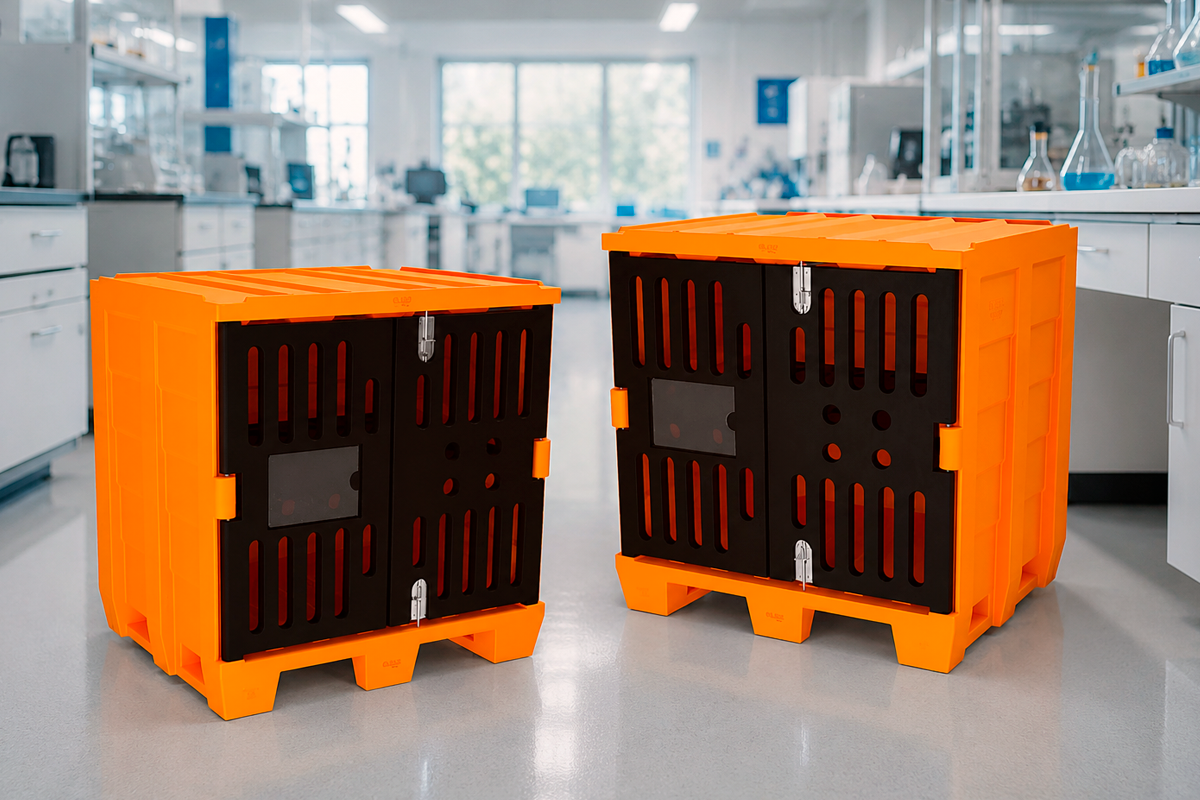
Transporters of medicines, chemical materials and food use cargo safes. These boxes have zippers to secure the cargo, with the purpose of properly segregating it during transport incompatible products.
Without seams or welding, the cargo safe is non-toxic, resistant and immune to chemical agents and has antimicrobial protection. With stainless steel closing latches and hinges, it allows the safe transport of different substances in the same container. Even in cases of leaks, there is no contamination of the environment, as the dangerous material is completely retained inside the safe.
Learn how to avoid contamination of the environment
Containment pallets prevent the spillage of flammable, acidic and corrosive chemical agents, reducing the risk of contamination.
These products also ensure the appropriate disposal and treatment of chemical industry logistics waste, reducing the risk of environmental contamination. With reverse logistics, waste returns to the production process and can be sent for contamination-free recycling.
You must place pallets or containment basins under the drums and gallons containing chemicals to prevent leaks or spills. In this way, they make it possible to reuse spilled liquid, reducing waste costs.
Lightweight, non-toxic and immune to chemical agents, the containment basin offers great resistance to corrosion and the effects of time. Furthermore, it has a reversible face (grid), capable of accommodating drums on one side and packages of different sizes on the other. Easy to disassemble, clean, and transport, it allows transportation with forklifts or pallet trucks.
By presenting these characteristics, Tecnotri pallets and containment basins meet Anvisa’s health standards and the requirements of Good Manufacturing Practices (BFP).
As we have seen, care with logistics in the chemical industry is essential to guarantee safety, reduce environmental impact and comply with legal requirements.
Do you like this article? Do you want to know more about the advantages brought by containment pallets? See here!