Currently, the search for sustainability is not only a way of exercising environmental responsibility, but also an important competitive differentiator for companies.
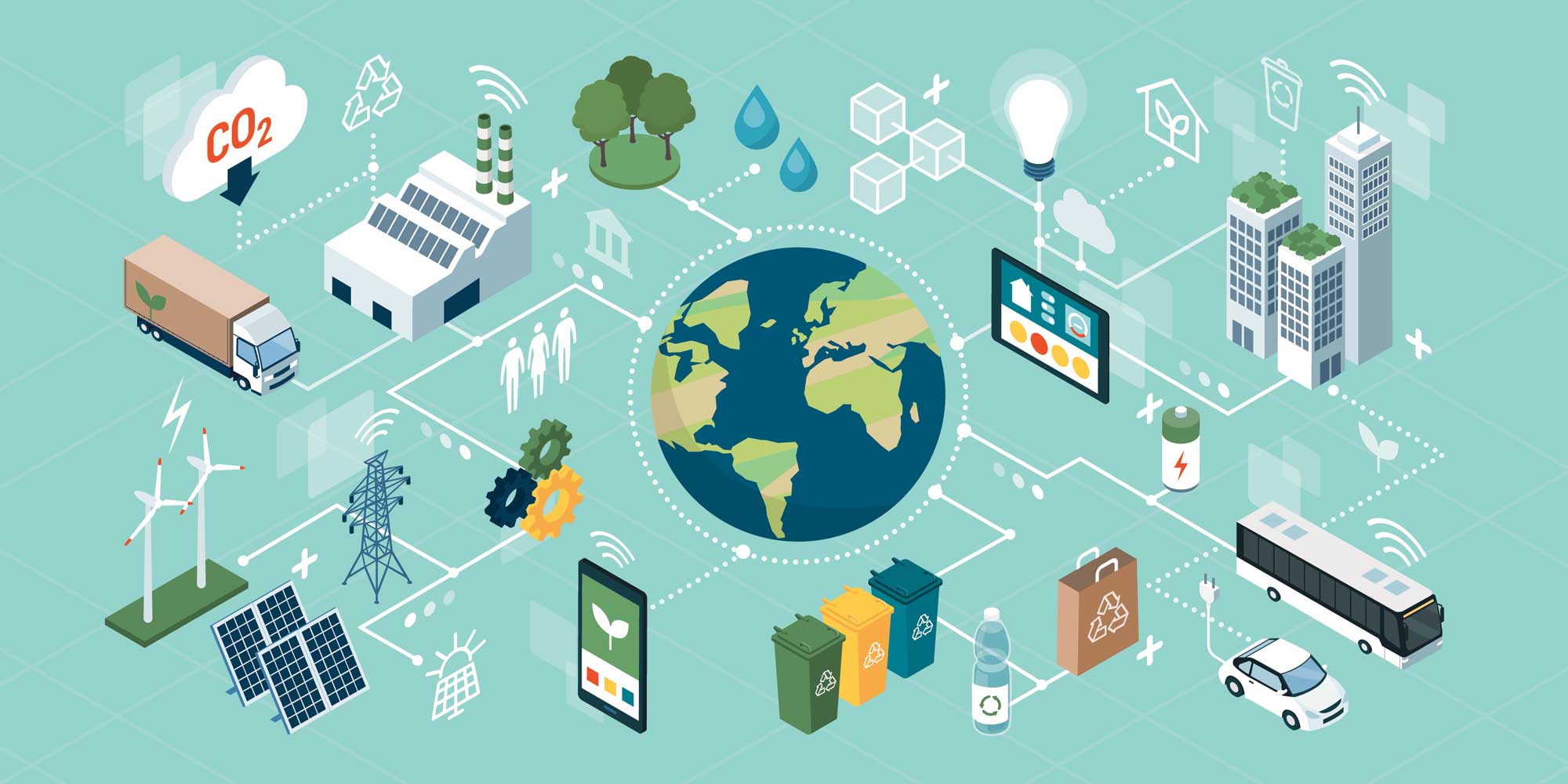
In this context, the concept of green logistics is gaining ground, which refers to the set of practices designed to reduce the environmental impact caused by logistics activities. This conception affects the entire configuration of companies’ processes, structures, transportation, distribution and storage systems. Therefore, the main objective is to find economic and ecological balance.
Understand what green logistics is and how it works
Green logistics aims to increase the sustainable development of companies and reduce the impacts of their activities on the environment that surrounds them.
The idea is for the company to establish effective practices to exploit natural resources responsibly, avoiding generating waste and reducing the emission of pollutants into the environment.
Among its main objectives, we can mention:
- Reduce carbon emissions from logistics operations and control their results. One of the most used methodologies for calculating greenhouse gas emissions levels is the international standard UNE-EN 16258:2013.
- Reduce air, soil, water and noise pollution, analyzing its impact at each of the logistical stages.
- Make rational use of natural resources, recycling packaging and reusing containers.
- Finding effective and economically viable solutions to reduce dependence on fossil fuels in the transport of goods.
Learn how green logistics differs from reverse logistics
A very common confusion involves the distinction between green logistics and reverse logistics. Contrary to what many people think, these two concepts do not mean the same thing, even though they are related and are guided by concern for the environment.
In common, the two value recycling, remanufacturing and the use of reusable packaging. But the difference is that reverse logistics is mainly responsible for returning products and commercial return by companies. Its main objective is to improve the recycling of packaging, electronic products, fluorescent lamps, lubricating oils and pesticides.
Green logistics, in turn, focuses on broader aspects, such as reducing the use of packaging and reducing the environmental impact of industries. Therefore, reverse logistics is an integral part of green logistics, which is a broader concept, but does not mean the same thing.
An important point is that both reverse logistics and green logistics are supported by the National Solid Waste Policy (Law nº 12,305/10) of the Ministry of the Environment.
See how to implement green logistics in your company
Many measures can be adopted by companies to make their logistics processes more sustainable. In this way, it is possible to reduce waste through global process improvement.
In the purchasing and supply sector, sustainability criteria can be included when evaluating suppliers’ proposals. You can, for example, choose to buy ecological packaging and limit the use of plastic.
In the area of transport, you should opt for vehicles that restrict greenhouse gas emissions as much as possible.
In addition, systems can be used to help plan product delivery routes, in order to save fuel and reduce the emission of polluting gases.
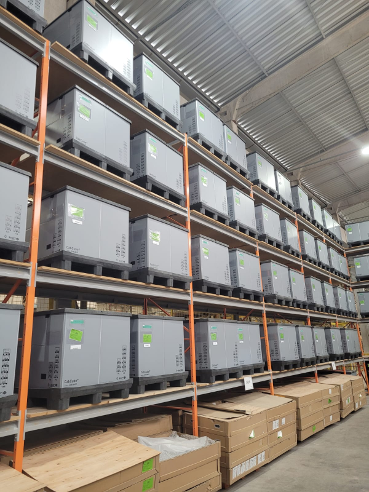
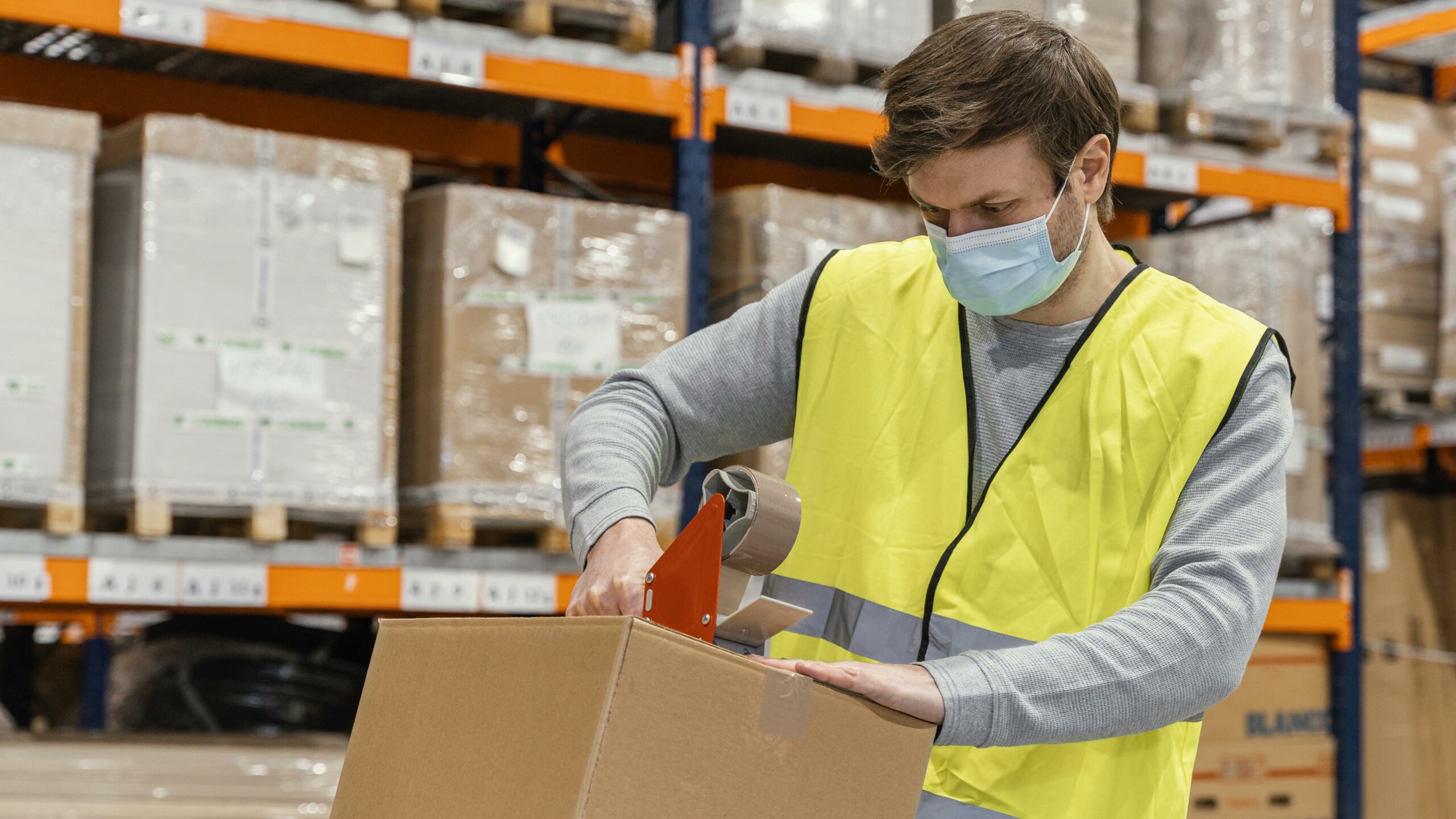
In the storage stage, aspects such as efficiency in water and energy consumption, the use of alternative energy sources and waste management must be prioritized.
It is also possible to reduce movement within the warehouse with good location management and optimized planning of picking tasks.
In addition, the waste generated must be managed with sustainable criteria. To achieve this, a waste classification process must be established according to the materials that will be recycled.
See the advantages of using plastic pallets
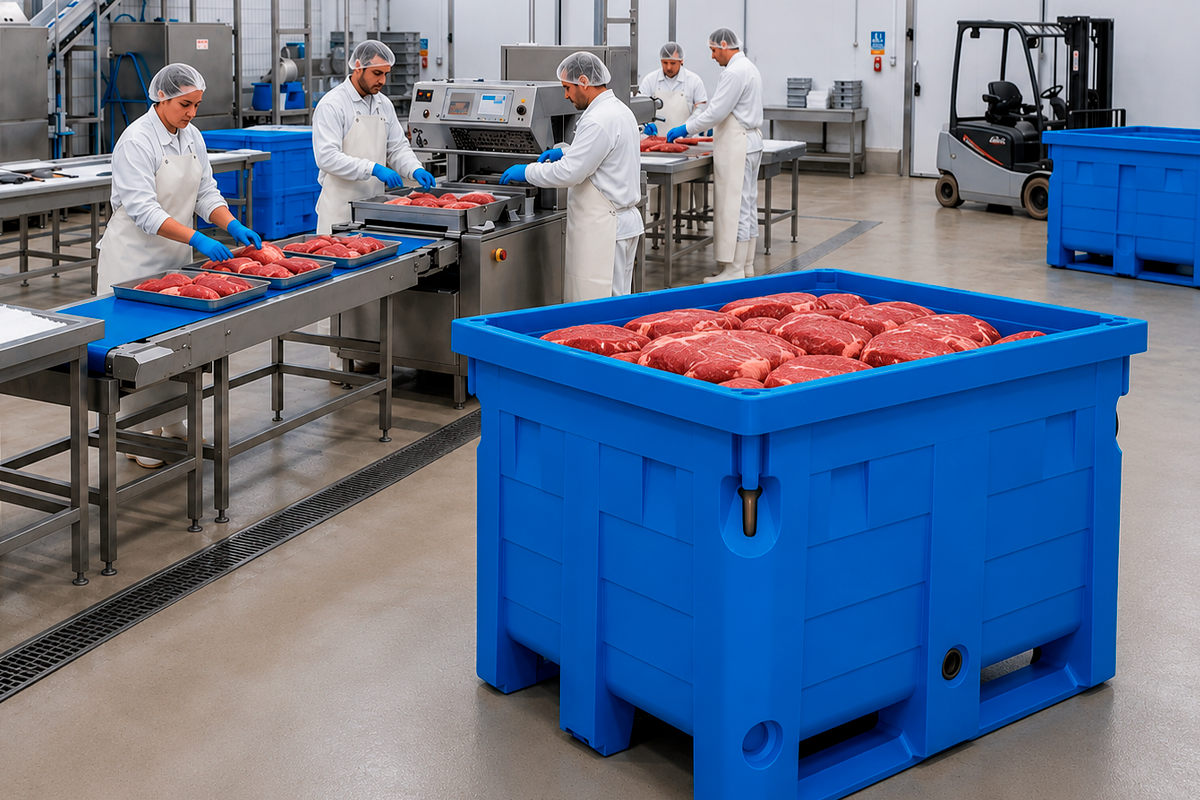
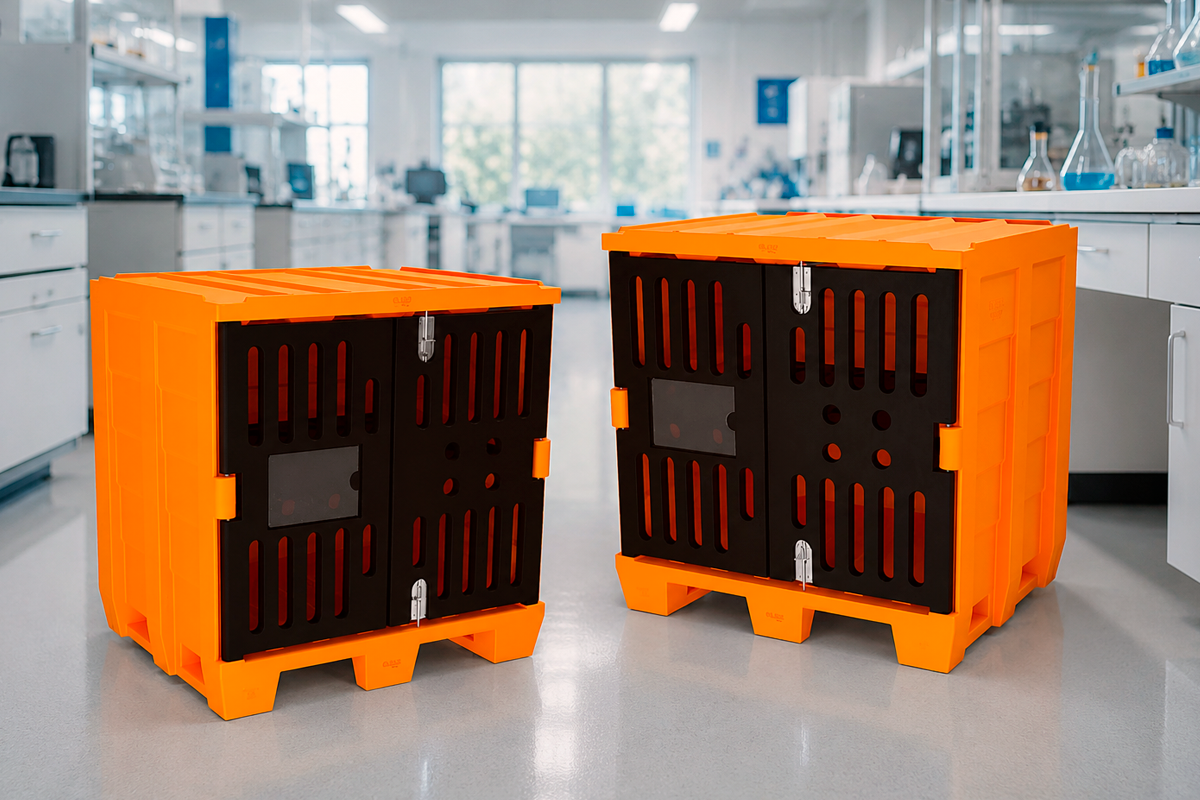
Due to its long useful life, the plastic pallet can be reused several times, as it is made of polyethyleneo and is completely recyclable. Therefore, it causes less environmental impact than wooden pallets.
plastic pallets are also lightweight, 100% recyclable, non-toxic, resistant to chemicals and have a useful life of over 10 years. Furthermore, they are washable and easy to clean.
By having characteristics such as lightness, resistance and constant weight, these products help to optimize logistics operations. Therefore, they enable greater rationalization and standardization of the storage location, better use of physical space and acceleration of processes.
The rotomolded plastic pallet also favors reverse logistics, as it has expressive identification of ownership. This feature can provide information for pallet management. Furthermore, it enables traceability using, for example, Radio Frequency Identification or RFID.
As we have seen, green logistics involves practices that make operations more efficient and sustainable, bringing many environmental and economic benefits.
Did you like this article? Do you want to know more about how you can increase your company’s logistics efficiency? Click here.