A clean and sanitized environment is essential to guarantee the safety of products and the control of hygienic-sanitary conditions in the industry, which is why it is essential to be aware of good cleaning practices in the food industry.
Asepsis in the manufacturing environment offers benefits, ranging from reduced product losses due to contamination to a more positive consumer perception of the brand. Furthermore, these precautions can ensure that companies comply with the legal requirements of supervisory and control bodies.
But do you know how to ensure good cleaning and hygiene practices in the food industry? What are the advantages of using rotomolded plastic pallets and containers? In this article, you will find useful information on how to increase safety and what equipment should be used. Check it out!
Learn about good cleaning practices in the food industry
To guarantee the hygiene and safety of its products, the food industry needs to take great care with cleaning and hygiene at all stages of its processes. After all, products are always subject to contamination risks.
According to Anvisa, the manufacture of medicines requires a high level of cleaning and sanitation in the facilities and care for the materials and equipment used. Therefore, the first step to avoiding problems is to understand that cleaning and sanitation are different concepts.
During cleaning, organic and inorganic residues adhered to surfaces are removed. Therefore, it is essential to prevent foreign objects and/or substances from contaminating products and reaching consumers.
On the other hand, in sanitization, the main objective is to eliminate pathogenic microorganisms and reduce the number of spoilages, until the levels presented are considered safe. To achieve this, it is essential to use properly validated products and procedures.
To ensure effectiveness, it is necessary to define which indicators will be used in the cleaning process. Among them, we can mention the cleaning time, the number of people involved, the use of chemical and cleaning products and the reduction of the microbiological load. With all this data measured and demonstrating the reduction in contamination, the industry will be able to validate its processes before health surveillance bodies.
See the benefits of Super Roto pallets for hygiene and cleaning
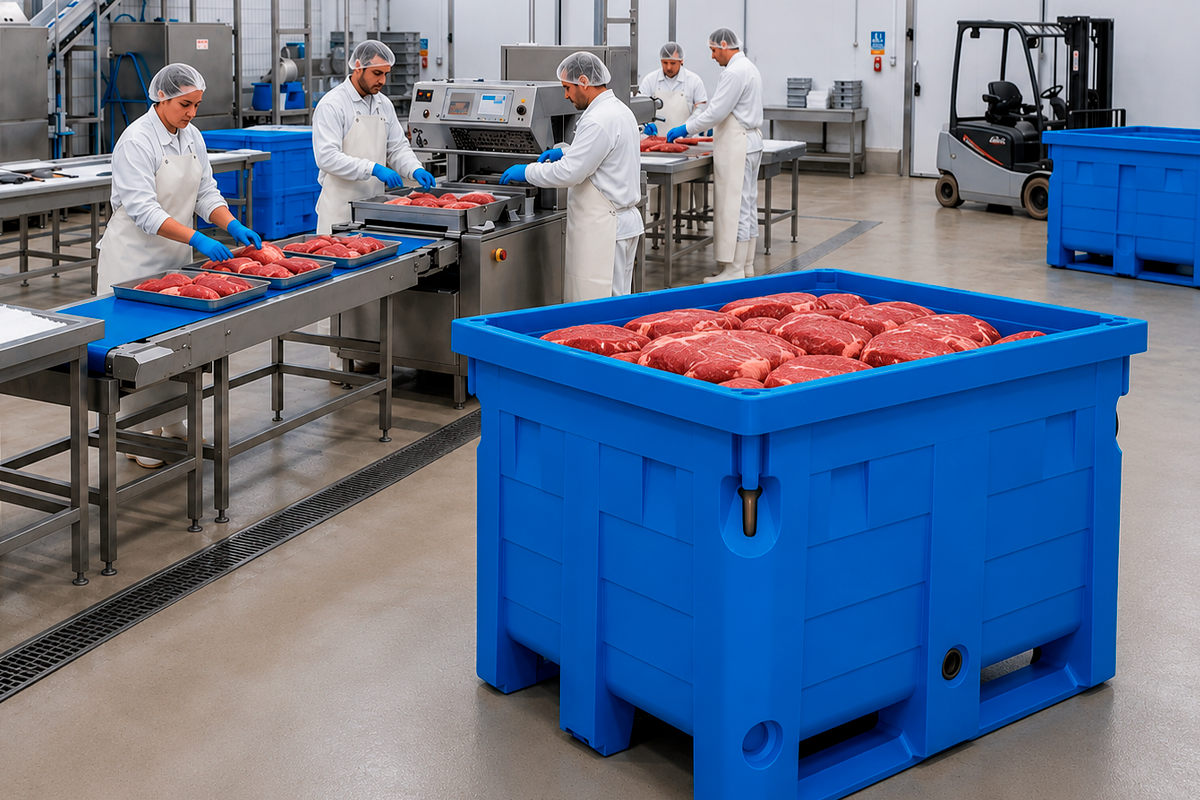
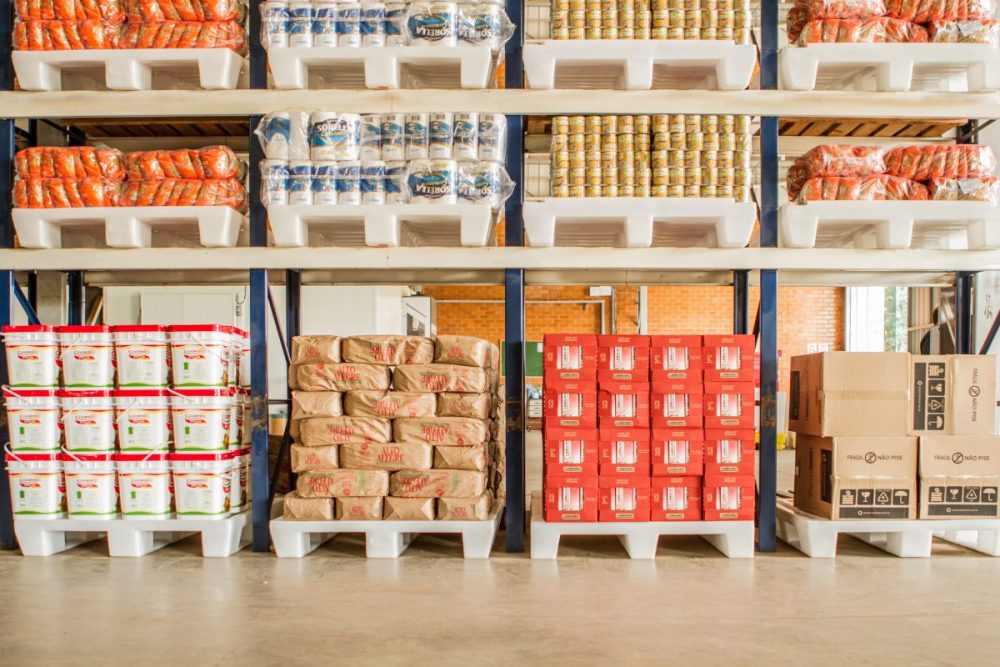
The use of plastic pallets rotomoldados Super Roto contributes to increasing safety and meeting health standards, essential to good practices in the food industry. Practical and versatile, these products are easy to clean and sanitize and offer microbial protection.
Unlike wooden pallets, which store fungi, bacteria and other contaminants, plastic pallets are not porous and do not absorb moisture, which helps to avoid contamination.
Below, you will learn about some of the main characteristics of these products and you will be able to understand why they are the most suitable for the food industry.
Cleaning and hygiene
Plastic pallets are also easy to clean and sanitize. Its smooth, waterproof surface allows the application of cleaning agents and disinfectants. This prevents the proliferation of microorganisms and bacteria, which can compromise the quality of food.
These products also feature antimicrobial protection, which prevents the proliferation of fungi and bacteria and allows direct contact with food. Furthermore, they are non-toxic, resistant to chemicals and do not absorb moisture, which prevents product contamination.
Another advantage is that its pieces have a monobloc structure, without seams, nails or welds. Therefore, its finish is uniform, with rounded corners, without edges or contamination points. All of this helps to avoid accidents and brings greater safety to operations. See more.
Compliance with health standards
Made of polyethylene, the Super Roto® rotomolded plastic pallet is best suited for sectors that require washable and sterile packaging, such as the food industry.
Made of polyethylene, Super Roto® rotomolded plastic pallets are best suited for sectors that require washable and sterile packaging, such as the food industry. They are developed in accordance with national hygiene and cleaning legislation, such as Anvisa and the HACCP system (Hazard Analysis and Critical Control Points).
In addition, these products also follow the group of principles and rules set out in the POPH (Standardized Operating Procedures for Sanitation) and BPF (Good Manufacturing Practices) documents.
Another requirement of the standards is that food is transported appropriately and stored in clean, dry and organized places, protected against contamination. In accordance with the Resolution of the Collegiate Board (RDC) nº 72 of 12/29/2009 from Anvisa, “shelves, pallets and pallets must be made of resistant, waterproof and smooth material”.
Resistance and durability
An advantage of the plastic pallet is its load capacity, as it is capable of supporting large weights. Extremely robust, this product allows boxes to be stacked, optimizing warehouse space.
Logistics versatility
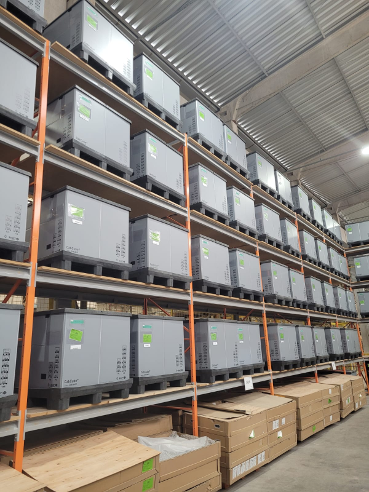
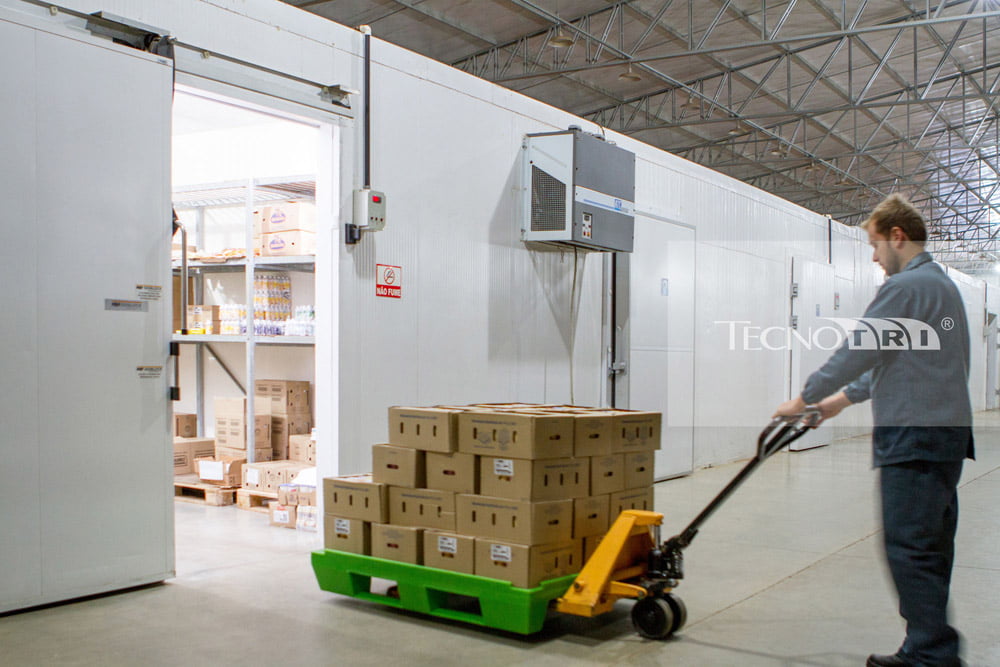
One of the main differences of plastic pallets is the versatility they present for logistics management. They can be stacked, andthey can be stacked and stored on shelves, in order to optimize the space used. In this way, they enable greater rationalization and standardization of the storage location and better use of physical space. See more.
Automation capability
Automation is a trend in storage in the food industry. It enables the use of resources such as pallet stacker cranes, operations shuttles and telescopic conveyors. As it is a customizable product, made from molds, the plastic pallet can be manufactured according to customers’ logistical needs, favoring automation.
Main advantages of Super Roto pallets:
- – Free from fungi and bacteria;
- – Resistant to temperatures from -35oC to 60oC;
- – Versatility of use and application;
- – Easy to clean;
- – 100% recyclable;
- – 10 years warranty;
- – Produced in accordance with Good Manufacturing Practices (GMP), ISO 22,000, BRC and IFS certification.
Highly resistant and versatile, containment pallets are widely used in refrigerators, as they can withstand environments with temperature between +60° C and 40° C.
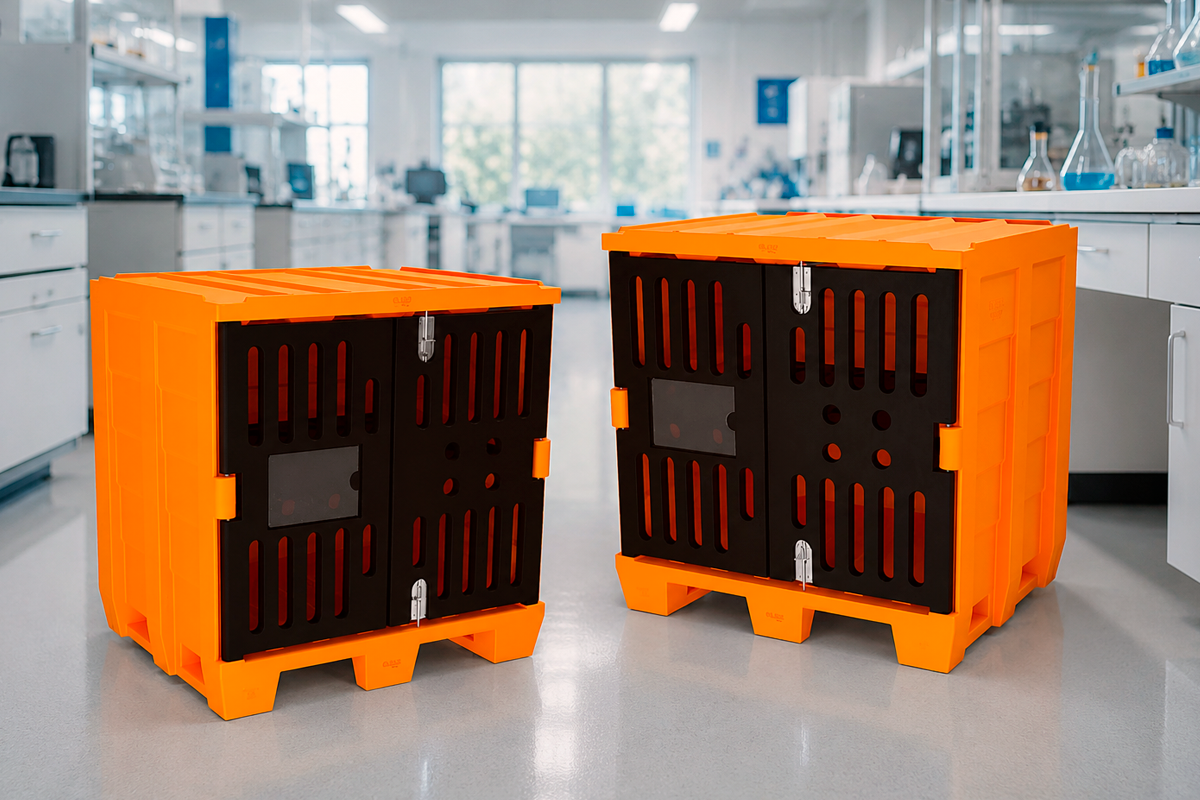
The cargo safe with closing latches is non-toxic and resistant to chemical agents, and, therefore, ideal for the movement of controlled substances.
As we have seen, the food industry needs to take a series of hygiene and cleaning precautions to ensure safety and quality in the food industry.
Did you like this article? Do you want to know more about how plastic pallets support good practices in the food industry? Access our blog and find other articles on the subject.