To guarantee the safety of medicines and avoid contamination, the pharmaceutical industry needs to observe strict requirements in the production, logistics and hygiene of its products.
As it involves health issues, strict safety and hygiene standards must be adopted to guarantee the health and well-being of the population and its employees.
Understand the importance of ensuring safety in the pharmaceutical industry
To be used by the population, medicines must offer guaranteed quality and safety, with proven therapeutic effects and standardized composition.
The efficacy and safety of medicines must be validated through scientific studies that are duly indexed and documented. These products must be researched, developed and duly registered with Anvisa before being sold.
Quality must be achieved through quality control of raw materials, packaging materials, pharmaceutical formulation of the final product and through stability studies.
To increase security in the sector, constant surveillance actions must be adopted. Among them, we can mention:
- – Report adulterations, contributing to the safety, quality and effectiveness of medicines;
- – Reduce the risks arising from the use of medications through systematic monitoring of adverse drug reactions (ADRs);
- – Stimulate the concern and interest of health professionals regarding the diagnosis and reporting of adverse reactions to medications;
- – Provide guidance to professionals on precautions when using medication;
- – Highlight problems in the quality of medicines;
- – Report prescription errors and ensure the rational use of medicines.
Learn about Anvisa’s good manufacturing practices
Anvisa, which regulates the rules and procedures that must be adopted by manufacturers of pharmaceutical products, provides, in article 402 of RDC 17/2010, on Good Medicine Manufacturing Practices. Compliance with these standards is mandatory for the certification of these products by Anvisa, and failure to comply constitutes a health infraction.
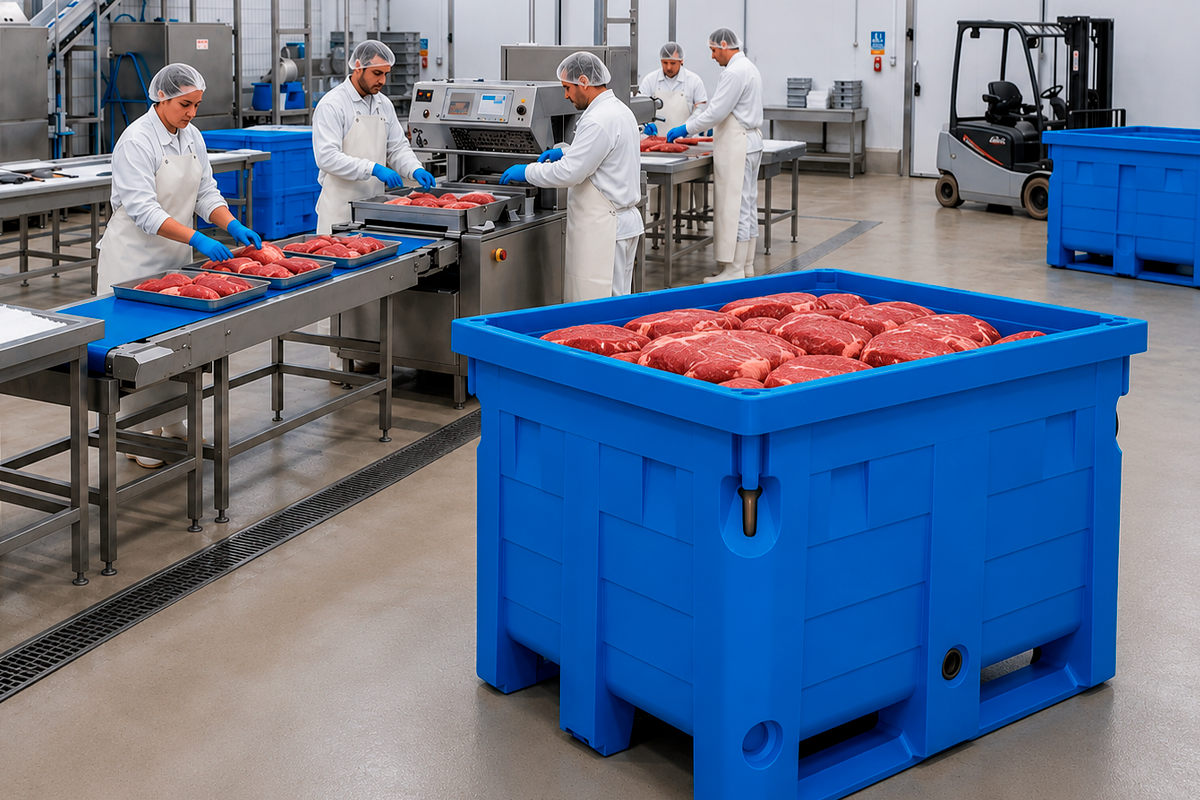
The standard establishes that the areas involved in the herbal medicine manufacturing process must always be clean and that all surfaces must be smooth and impermeable. In this way, it is possible to minimize the accumulation or release of particles or microorganisms and allow the repeated application of cleaning agents and disinfectants.
The consolidation of health standards applied to the industrial scale production of medicines guarantees products manufactured with quality, safety and effectiveness. BPF thus contributes to excellent production, optimizing expenses and reducing losses by reducing failures in the production chain.
Processes and procedures must be established according to the results of the validation study, which guarantees the quality and effectiveness of the products. Furthermore, they must undergo periodic revalidation to ensure that they remain capable of achieving the planned results.
Particular attention must be given to process validation, control tests and cleaning procedures. They must be revalidated if there are changes to the standard formula, preparation method, change of equipment or materials.
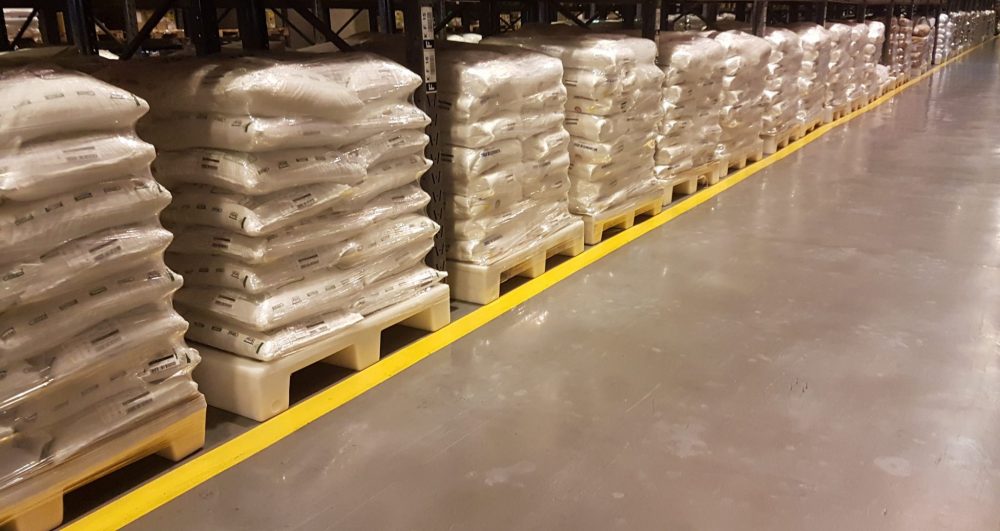
Increase safety with rotomolded plastic pallets
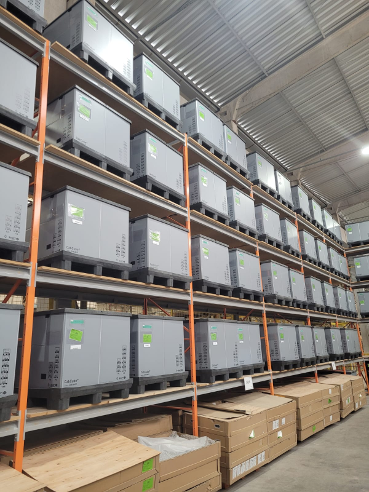
To guarantee the quality and safety of the entire production process and adapt to health and safety standards, pallet models capable of meeting the specific needs of the sector were developed.
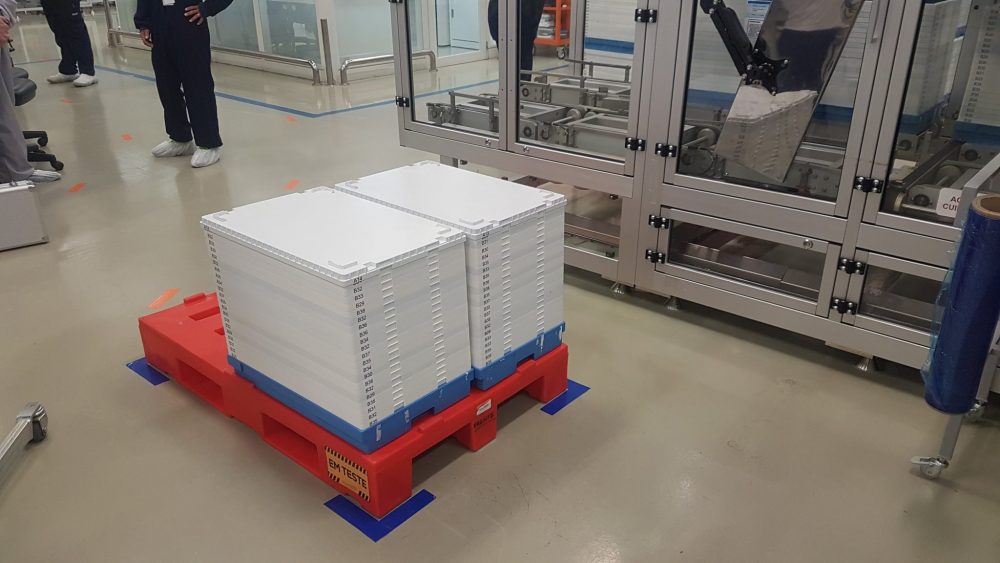
As they are more hygienic, easy to wash and sanitize and meet health standards, plastic polymer pallets are the most suitable for the production of medicines.
The rotomolded plastic pallet (Super Roto®) has a smooth, waterproof surface, which minimizes the accumulation or release of particles or microorganisms and allows the application of cleaning agents and disinfectants that act on the entire surface.
As it is made from sanitizable and non-toxic material, the plastic pallet helps to avoid contamination. In addition to receiving antimicrobial protection, which prevents the proliferation of fungi and bacteria.
Monoblocks, these products do not have seams, nails or welds, thus helping to avoid accidents and bring greater safety to operations. Furthermore, they have rounded corners, without edges and are easy to clean. The plastic pallet is also resistant to mechanical shock, avoiding cracks and cracks, which are anchoring points for fungi and microorganisms that are difficult to clean and disinfect.
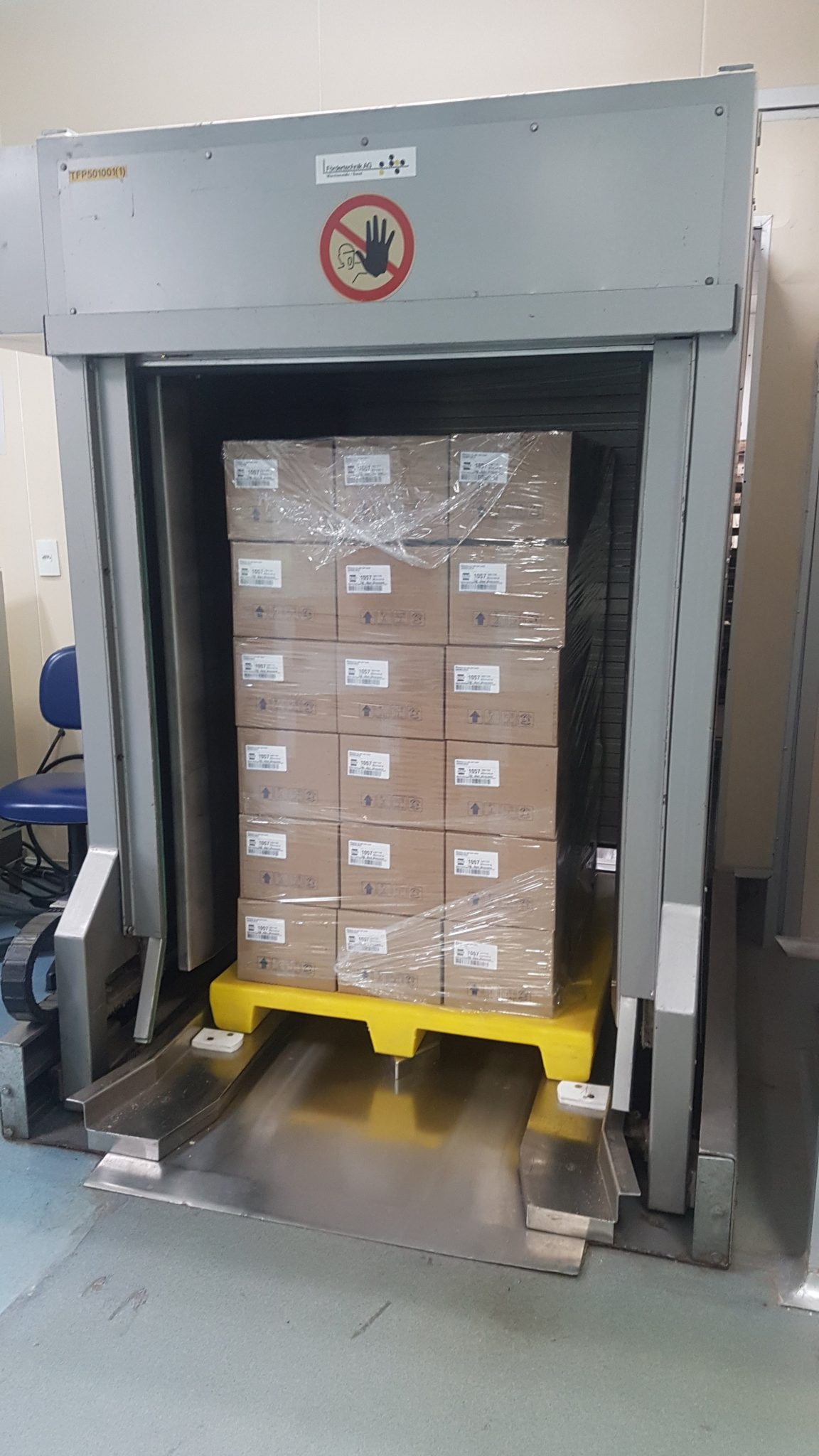
Have more security with containment pallets
To ensure greater quality and safety throughout the pharmaceutical industry’s production process, Tecnotri containment pallets were developed. Also called pallet container or containment basin, it is used to ensure the containment of leaks from drums and drums.
The containment pallet or containment basin prevents the leakage of chemical, flammable, acidic and corrosive liquids stored in drums and drums. Furthermore, it allows any spilled liquid to be reused.
Lightweight, non-toxic, easy to disassemble and sanitize, the rotomolded containment pallet (Super Roto®) Tecnotri is easy to transport and can be handled with forklifts or pallet trucks. Furthermore, it has a reversible face (grid), capable of accommodating drums on one side and packages of different sizes on the other.
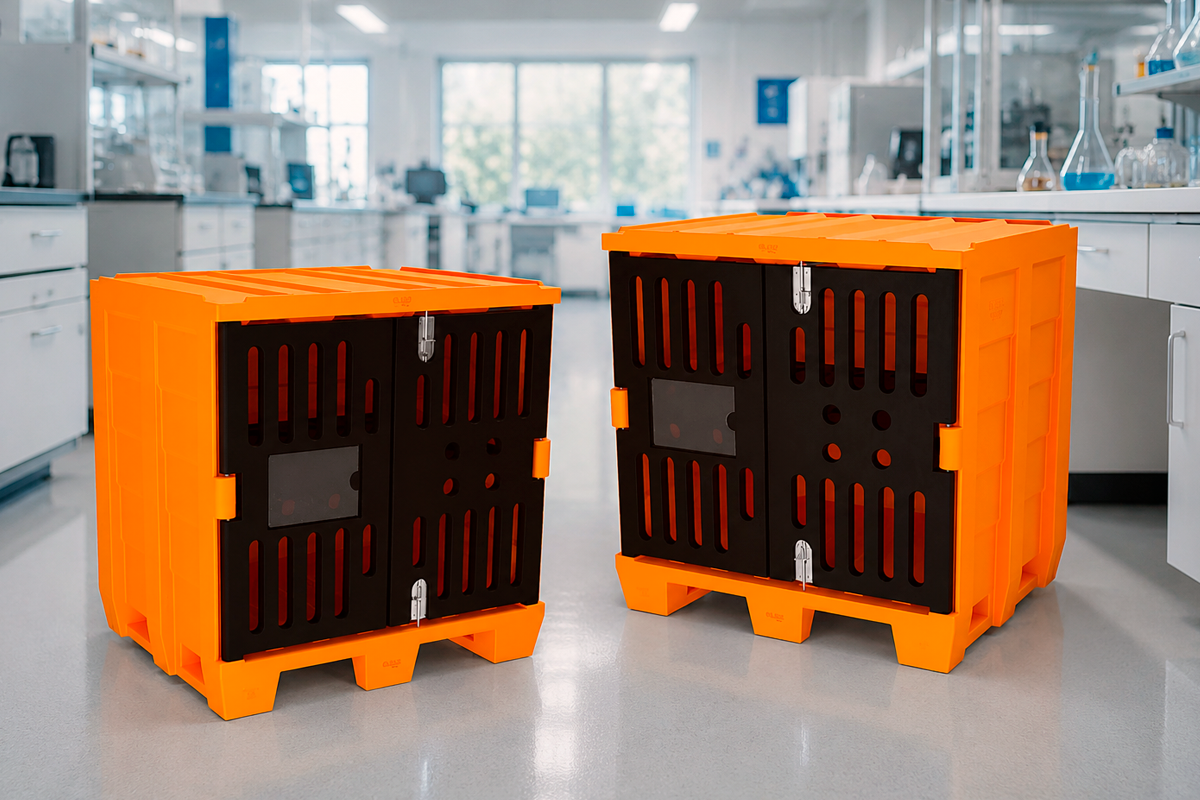
In turn, the cargo safe model with closing latches is ideal for moving controlled substances and listed in Annex I of SVS/MS Ordinance No. 344/98. These products are also non-toxic, resistant to chemical agents, and feature antimicrobial protection, closing latches and stainless steel hinges. Furthermore, they comply with ABNT NBR 16242, Class 1, 2 and 3, and Anvisa standards on dangerous cargo.
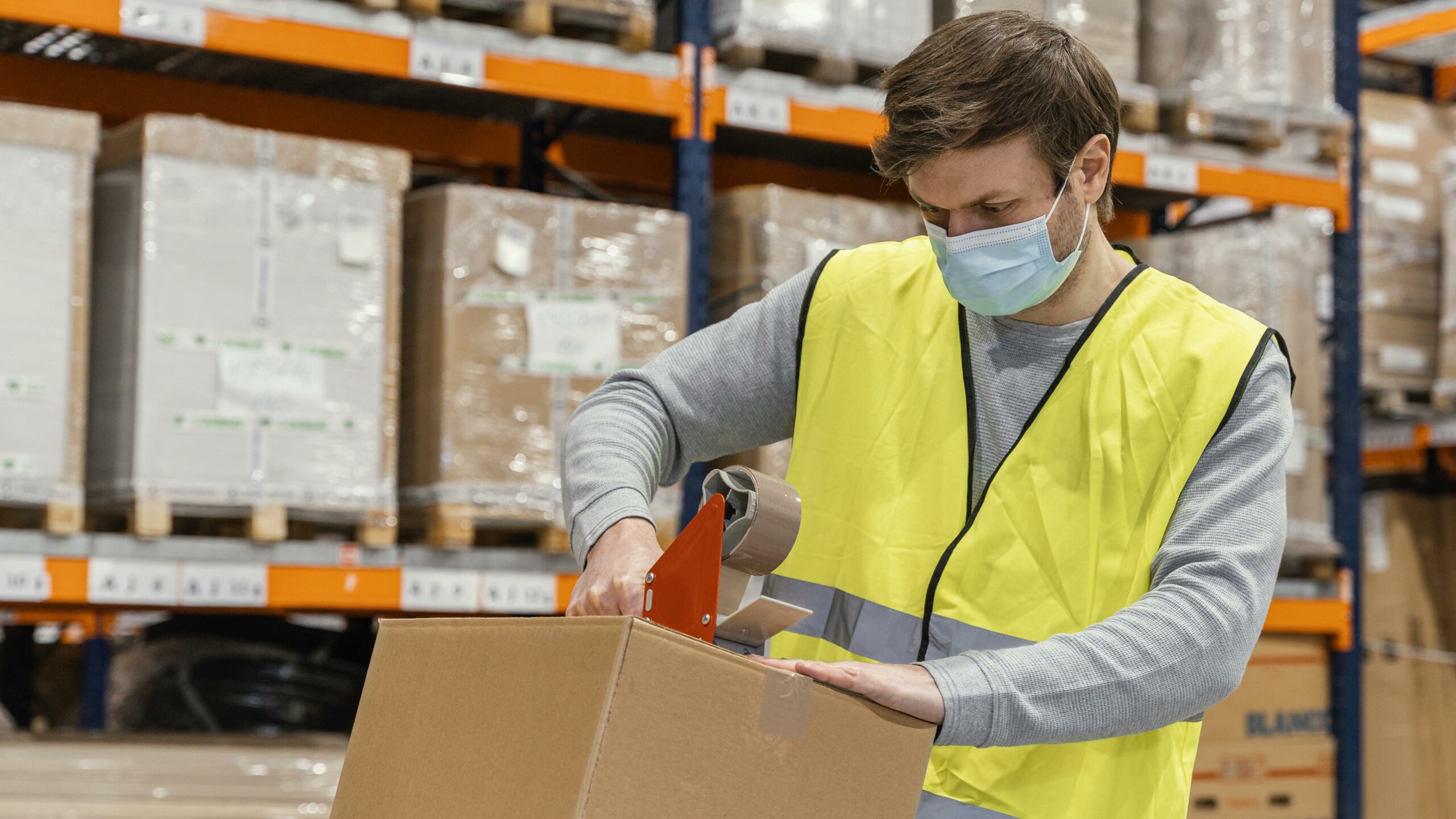
As we have seen, the pharmaceutical industry must reinforce hygiene and safety measures to guarantee the effectiveness and quality of its products and avoid contamination.