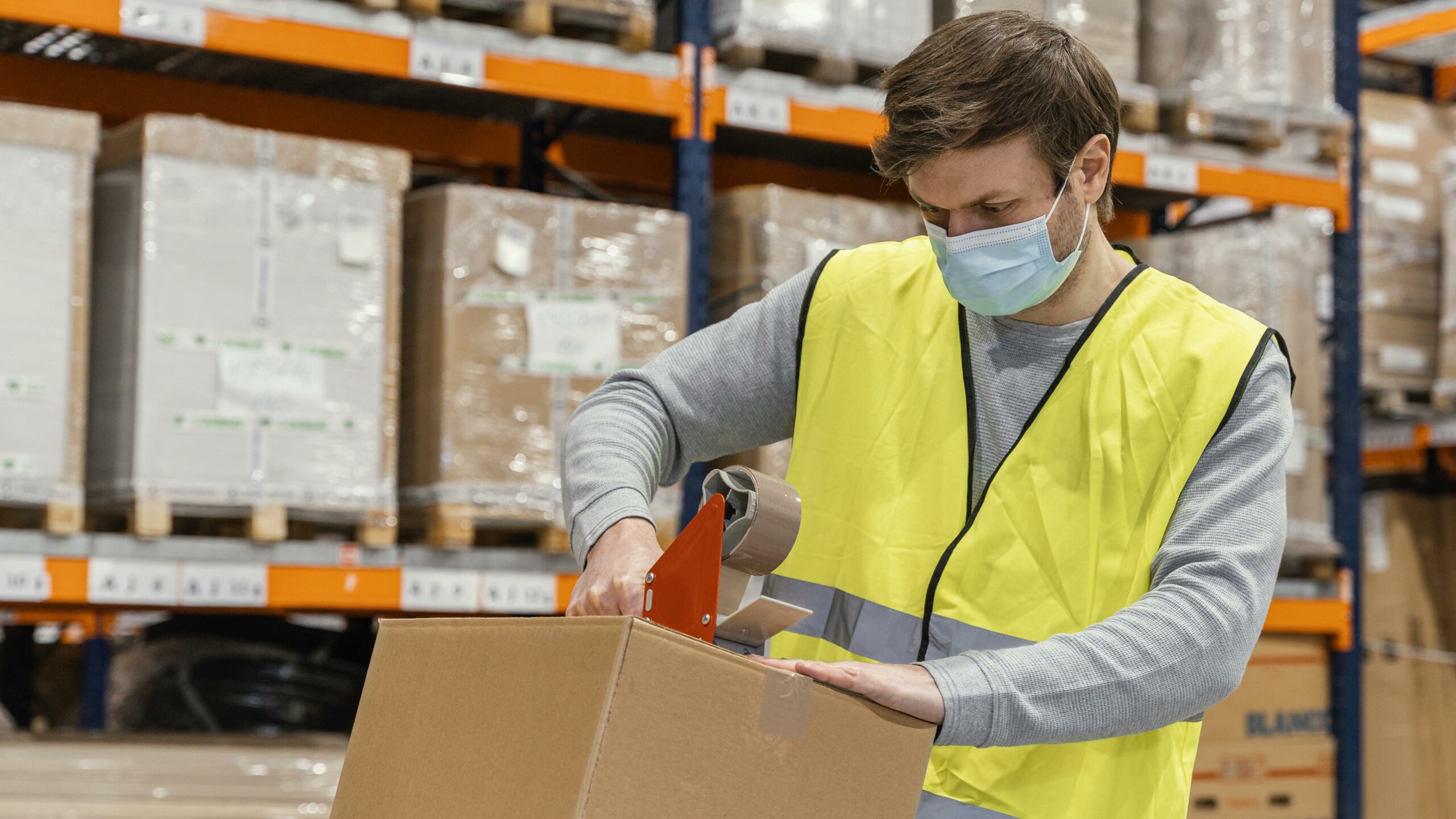
Regulatory Standards promote the conservation of health, safety and integrity of employees in the food and pharmaceutical industries. Furthermore, they are responsible for encouraging the implementation of quality policies and parameters that must be followed by companies.
But do you know what the industry’s NRs are? What are the main standards of regulatory agencies for the food and pharmaceutical industries? In this article, you will find useful information so that you can comply with these standards that are so important for the industry. Check it out!
See what the Regulatory Standards (NRs) are
The Regulatory Standards (NRs) of the Ministry of Labor and Employment (MTE) aim to ensure occupational safety and health in the workplace.
Compliance with this standard is the responsibility of both the employer and the employee. Therefore, both are subject to punishment if they do not comply. The Occupational Health and Safety Secretariat (SSST) is the body authorized to supervise, control and coordinate the activities mentioned in the standards.
Companies and employees are subject to punishments such as:
- – Fines;
- – Embargo of work or closure of establishment;
- – Health and hazard pay;
- – Conduct Adjustment Term (TAC).
In the case of an accident resulting in bodily injury in the workplace, the punishments are:
- – Medical treatment expenses;
- – Loss of profits until medical discharge;
- – Compensation for aesthetic damage;
- – Temporary stability for worker;
- – Lifetime pension.
Get to know the main industry NRs
NR-5 – Internal Accident Prevention Committee
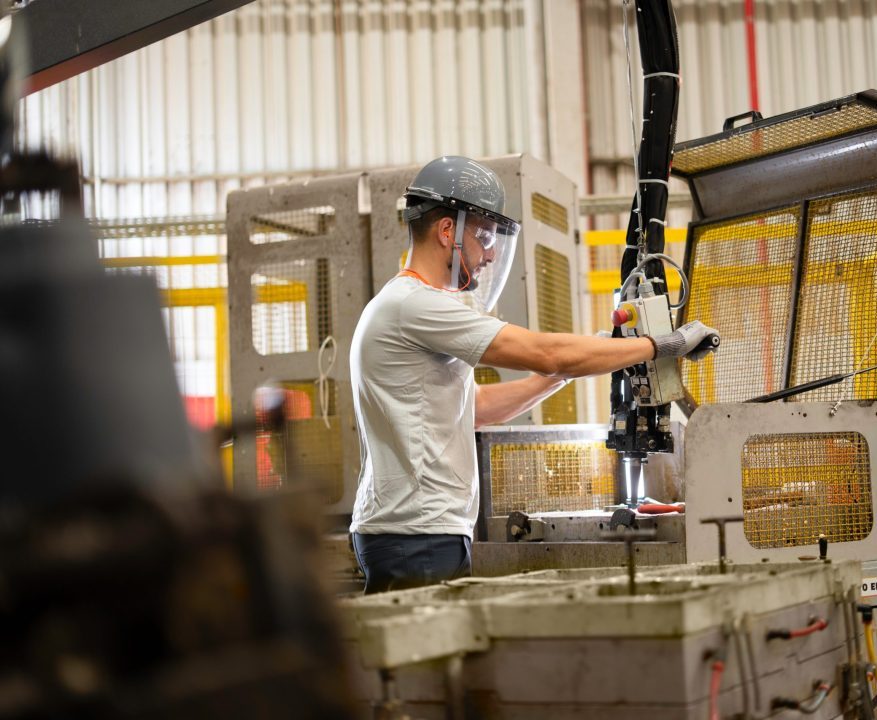
NR-6 – Personal Protective Equipment (PPE) – NR 6:
NR-17 – Ergonomics and working conditions
The NR-17 aims to establish parameters that allow the adaptation of working conditions to the characteristics psychophysiological characteristics of workers. To assess the adaptation of working conditions, the employer is responsible for carrying out an ergonomic analysis of the work. The aim is to provide maximum comfort, safety and efficient performance.
Working conditions include aspects related to lifting, transporting and unloading materials. They also concern the furniture, equipment and environmental conditions of the workplace, and the organization of work itself.
Care for workers’ ergonomics is necessary to avoid injuries such as RSI (Repetitive Strain Injury). Therefore, companies must offer an adequate structure so that employees can maintain a correct posture and preserve their health. These precautions also result in better use of work and better production results.
NR-36 – Occupational safety and health in slaughtering and processing companies of meat and meat products
The objective of this standard is to establish the minimum requirements for controlling risks existing in activities carried out in the processing industry of meats. The objective is to permanently guarantee safety, health and quality of life at work.
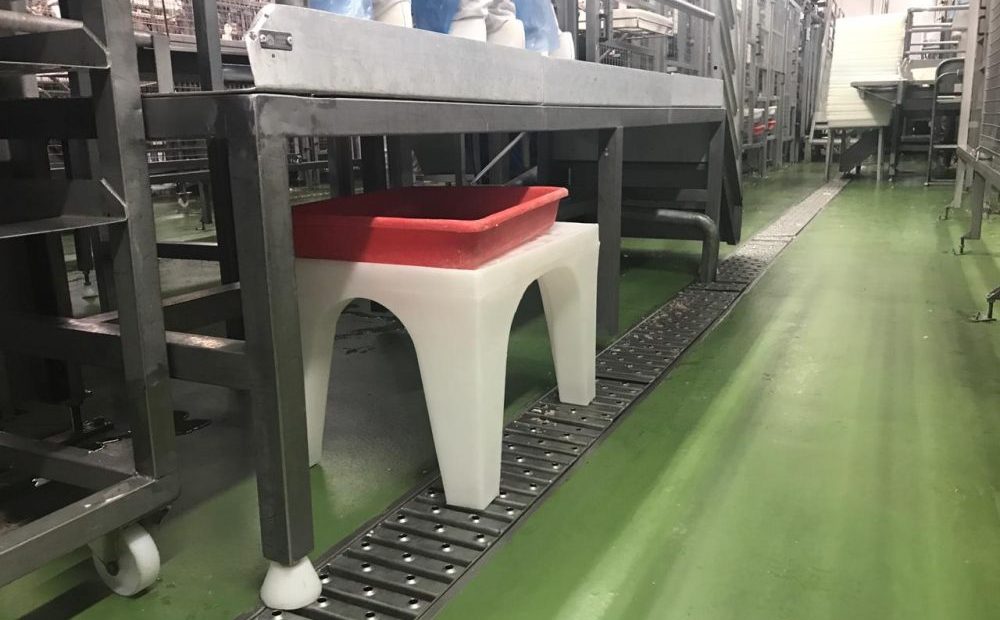
Whenever work can be performed alternating between standing and sitting positions, the workstation must encourage alternating positions. To achieve this, the employer must provide seating in accordance with the recommendations of the Ergonomic Work Analysis (AET).
According to NR-36, at least 50% of employees must have ergonomic seats to rest during their breaks during work.
In addition, the number of seats for activities that can be carried out standing and sitting must be sufficient to ensure alternating positions.

See why plastic pallets are ideal for industry
We know the daily challenges that the food and pharmaceutical industries face in maintaining not only a clean and sanitized environment, but ideal working conditions for their employees through machines and equipment that meet the standards and requirements that govern this sector.
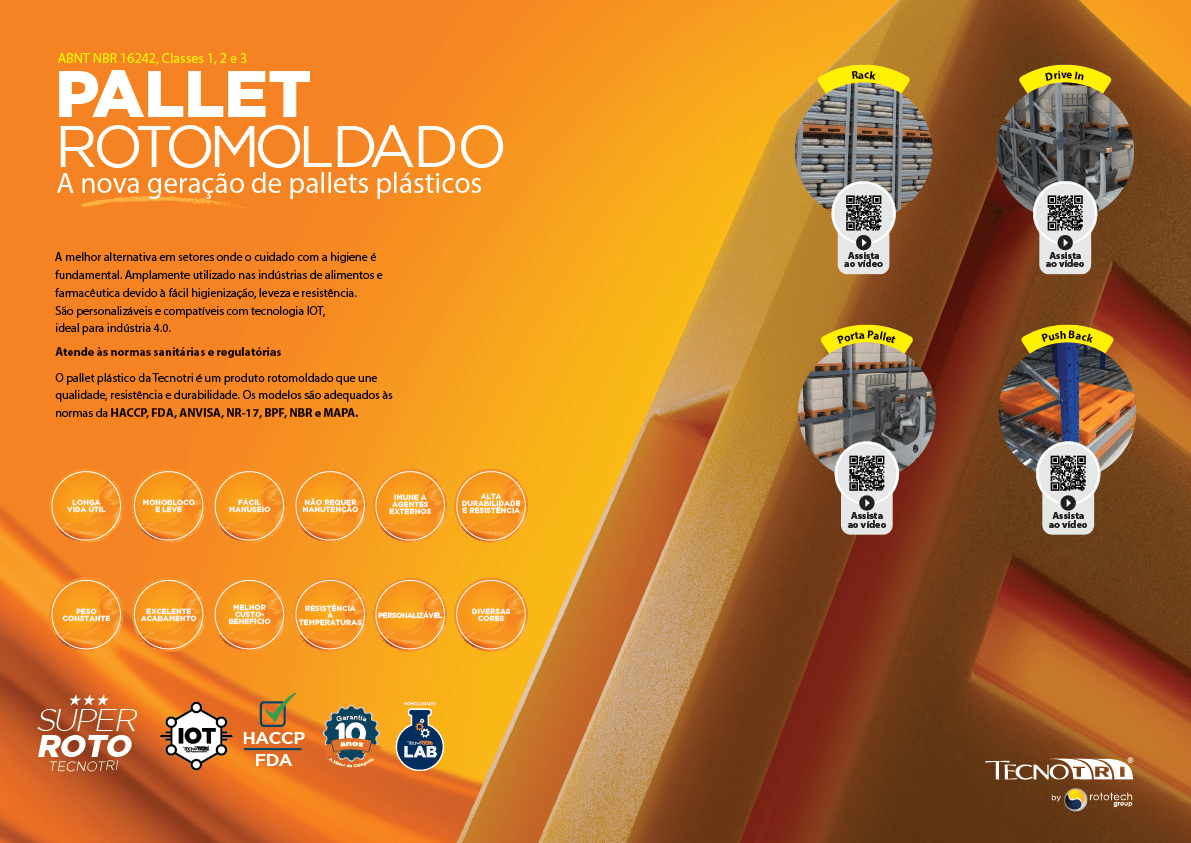
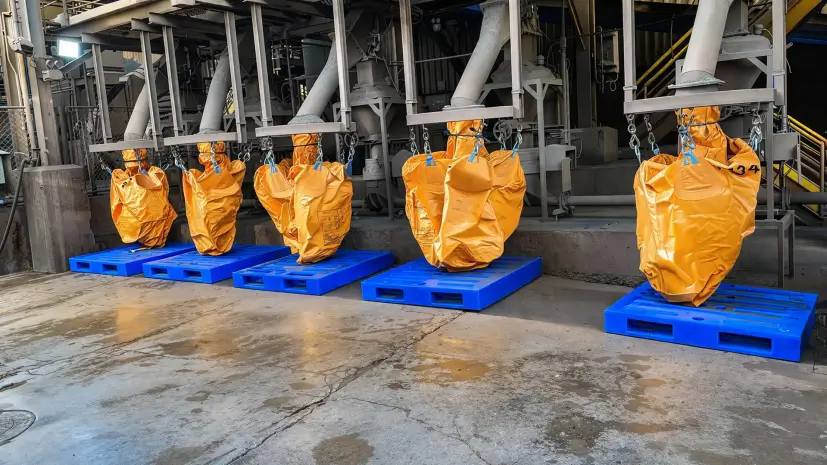
The rotomolded plastic pallet was developed to be used in environments that require special hygiene care, such as food and pharmaceutical industries.
Monoblocks, Super Roto pallets do not have seams, nails or welds. Therefore, they provide greater safety for operations, reducing work accidents.
Unlike wooden pallets, which store fungi, bacteria and other contaminants, plastic pallets can be washed and sanitized. In this way, it helps to avoid contamination and meet health requirements.
The Tecnotri plastic pallet also receives antimicrobial protection, which prevents the proliferation of fungi and bacteria. Furthermore, it offers a much longer useful life than wood, which requires constant replacement. Therefore, it allows a cost of up to 75% less than wooden pallets.
Very resistant, rotomolded plastic pallets offer high strength, durability and a long useful life. Furthermore, they are 100% recyclable and environmentally friendly. Due to their high density, these products are resistant to freezing and can be used in cold rooms and in environments with temperatures between -35ºC and 60ºC.
Understand the importance of using ergonomic pallets
To reduce the rates of occupational illnesses, industries must maintain comfortable environments for workers to rest and recover in the workplace.
Tecnotri ergonomic pallets were developed to reduce rates of absenteeism and occupational illnesses caused by the ergonomic factor. Therefore, they are able to meet the requirements of the Ministry of Labor standards.
As it is rotomolded and light, the ergonomic seat Tecnotri’s unique features include ease of cleaning, thermal comfort and ease of movement. It can accommodate up to four people seated.
In addition, ergonomic pallets also provide increased productivity, as they prevent physical wear and tear on employees and reduce turnover costs.
Learn about the advantages of using plastic containers
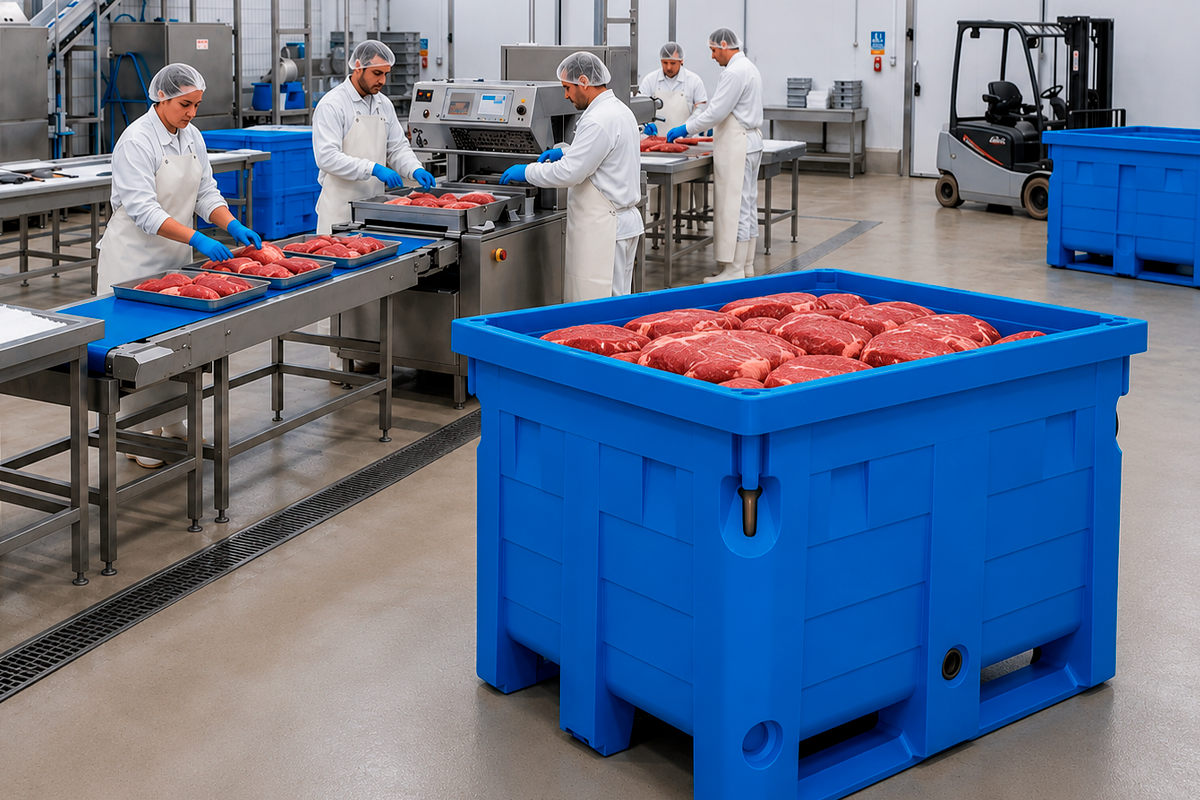
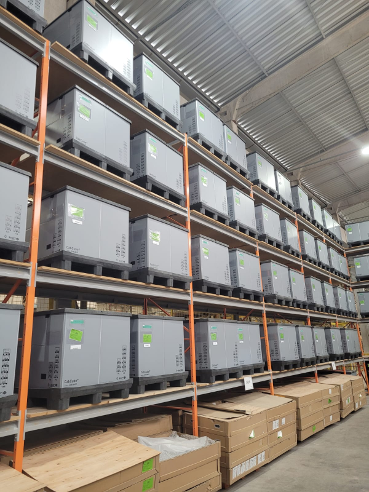
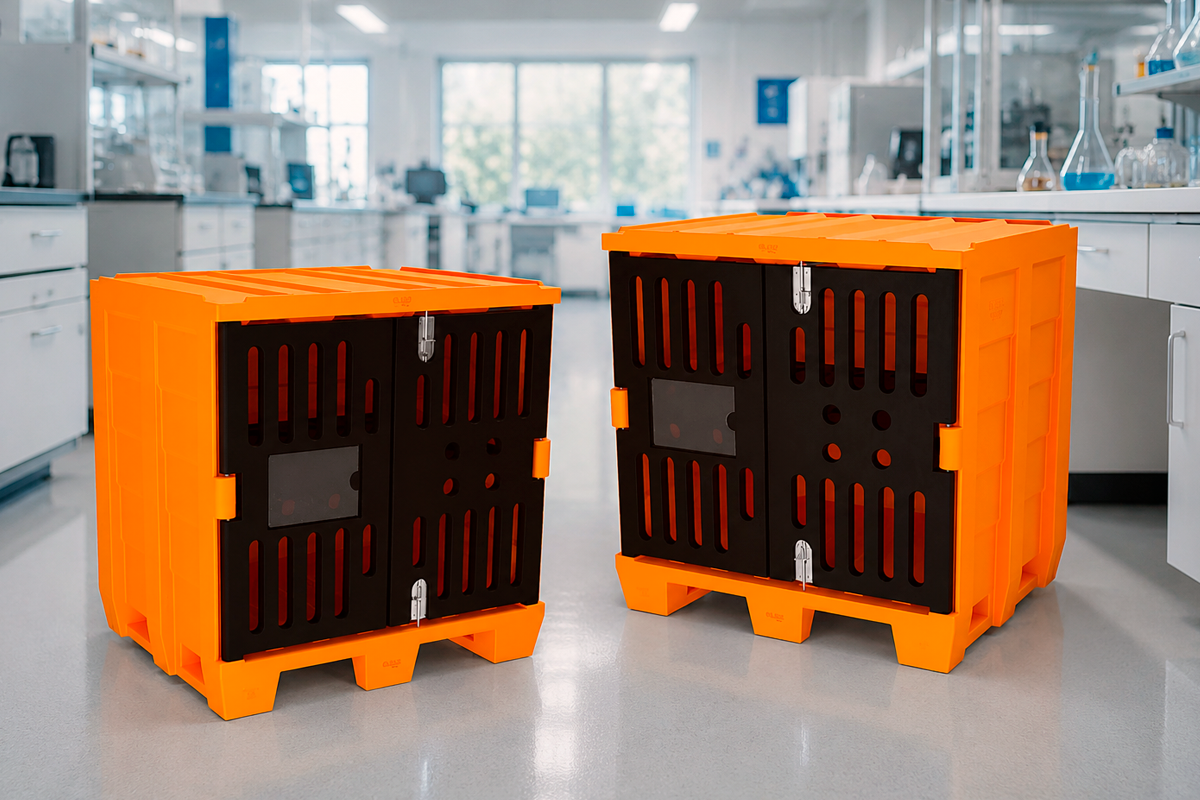
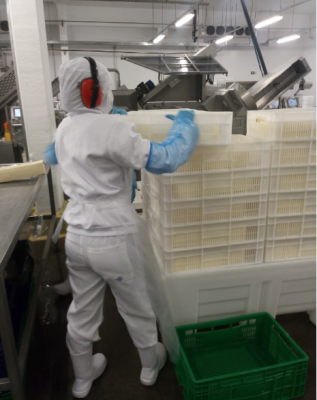
The use of these rotomolded plastic containers in transport and production processes brings many advantages to the food and pharmaceutical industries. This is because they are easy to handle and sanitize, allowing direct contact with the products.
In addition, Tecnotri rotomolded plastic containers feature UV14 additive and antimicrobial protection. This technology prevents the proliferation of fungi and bacteria.
This way, you guarantee greater hygiene and quality in the production process, avoiding the risk of contamination. By presenting these characteristics, rotomolded containers also meet Anvisa’s standards of good manufacturing practices.
As we have seen, using plastic, containment and ergonomic pallets, you ensure both compliance with industry NRs and the quality of the products manufactured.
This was our article about the industry’s main NRs and how to adapt to the standards. Did you like the content? So keep an eye on our blog for more articles like this.