The food sector presents complex challenges in transporting and storing its products, especially perishables.
According to the Brazilian Agricultural Research Corporation (Embrapa), the lack of structure is responsible for 50% of the losses that occur during the handling and transport of perishable foods. Therefore, companies in the sector need to take special care with logistics to avoid damage and waste.
Understand the importance of caring for perishable products
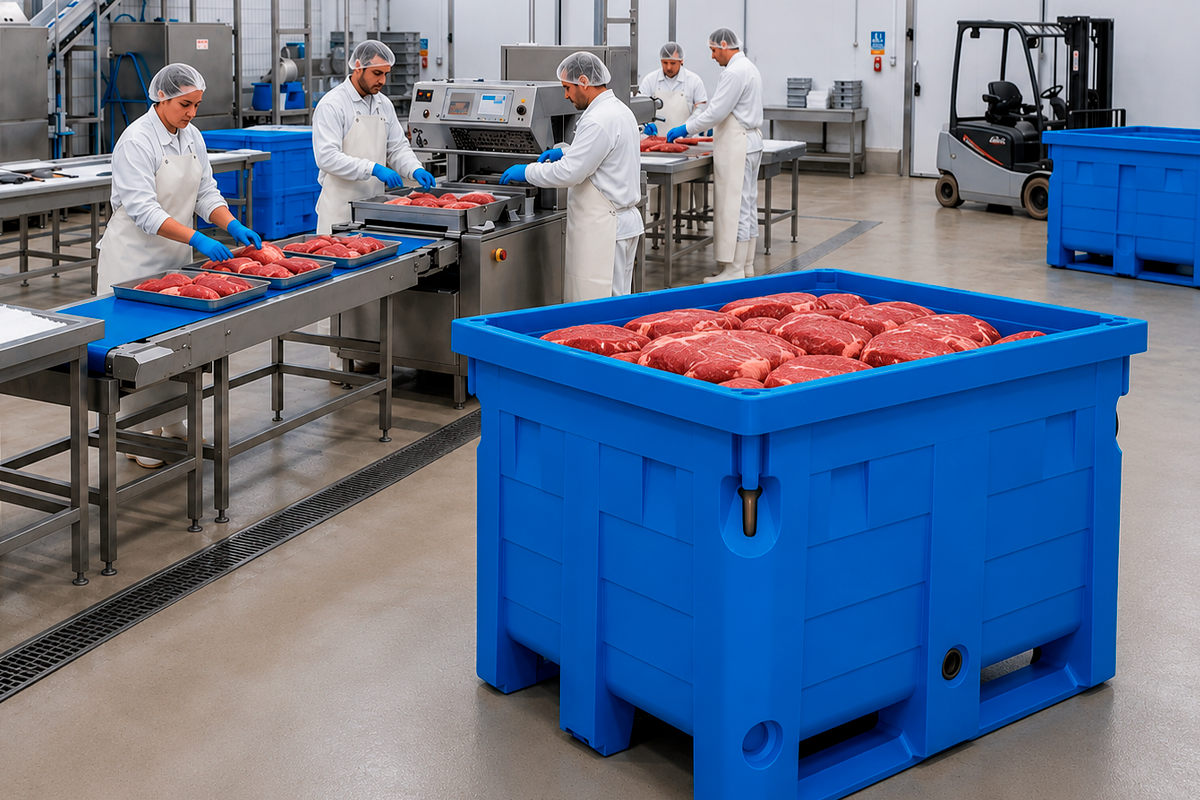
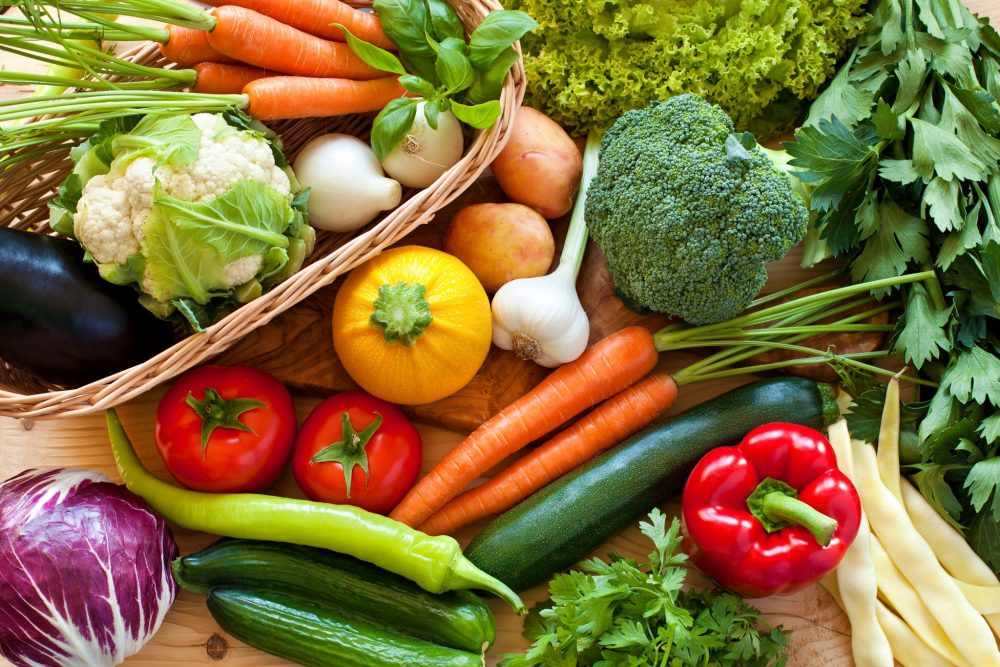
When transporting goods, it is necessary to take into account the particularities of each type of food product. After all, transporting perishable foods, such as poultry, meat, fish, eggs, fruits and vegetables, requires some special care.
These foods differ in their physical and biochemical characteristics from those products considered “durable” or “dry”, such as grains, cereals, legumes, oilseeds, among others.
Losses can occur at any part of the marketing chain, from harvest to consumption. Different physical and chemical means can be used to reduce this waste. Three main steps can be considered to minimize losses in perishable products:
- Maintenance of the physical and physiological integrity of the organ detached from the plant, however, still alive.
- Prolongation of natural life by manipulating the physiological state of the material or by providing optimal atmospheric conditions.
- Selection of material for storage, which must be completely healthy and at the ideal stage of maturation.
Observe the appropriate temperature for food
Temperature is the most important environmental factor in food preservation. After all, it directly affects respiration, transpiration and other physiological aspects of plants.
It is known that for every 10°C increase in ambient temperature there is a two to three times increase in the rate of deterioration of products. Therefore, the temperature must respect the minimum limits characteristic of each species, in order not to freeze its tissues and prevent deterioration.
The refrigeration process is recommended for products that require immediate cooling after harvesting and storage at a controlled temperature. Furthermore, each type of food requires specific packaging, capable of ensuring its protection and conservation.
Learn how to store perishable products
The storage location for perishable products must be in excellent condition and clean. Products must be allocated according to the required temperature, expiration date, batch, among other factors.
The main objectives of storing perishable products are:
- – Reduction of the biological activity of the product, maintaining the temperature at levels that are not harmful;
- – Reduction of the growth of microorganisms, keeping the temperature low and minimizing the surface humidity of the product;
- – Reduction of water loss, by reducing the differences between the air temperature and that of the product, as well as maintaining high humidity in the storage environment.
The product to be stored must be in the best possible condition and quality, so that it can be stored for longer. To achieve this, the following aspects must be taken into account:
- – Maximum exemption from superficial damage, dents, deterioration due to disease, and so on;
- – Free from incipient infection;
- – Adequate pre-cooling and packaging, carried out immediately after harvest.
See how to avoid contamination during transport
Transporting perishable food requires some special care. Below are some important recommendations.
- – Always try to ensure correct ventilation, lighting, humidity and temperature of the cargo, according to the specificities of each product.
- – Also pay attention to the expiration date of food. Otherwise, entire shipments may be lost.
- – The movement of goods needs to be carried out quickly and efficiently, in order to optimize operations, make better use of space and reduce costs.
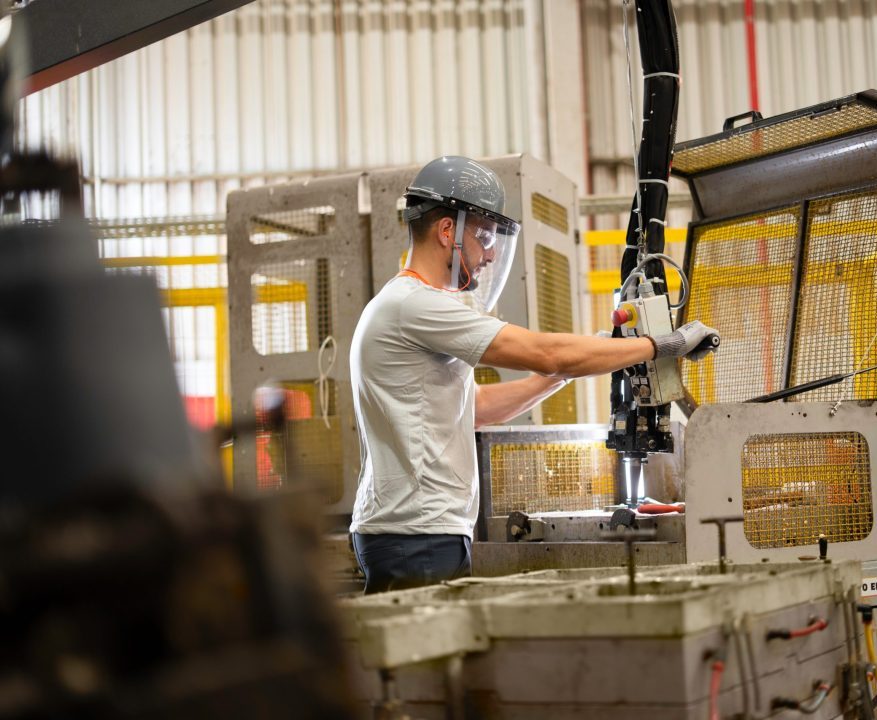
- – Ensure that your employees have the necessary training to know how to deal with the different products transported. Make it clear that product safety is paramount.
- – It is not advisable to use the same transport for different foods or foreign substances that may pose a risk to the product.
- – Good Manufacturing Practice (GMP) measures must be adopted by food industries to ensure production quality and food compliance with technical regulations.
Learn how to choose pallets for transportation and storage
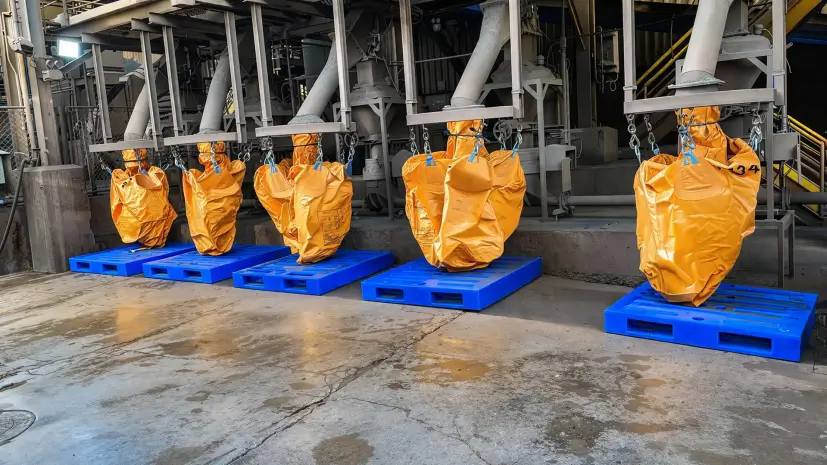
When choosing the pallets used in your logistics operations, you must pay attention to the characteristics of the material used, in order to ensure hygiene and cleanliness throughout the process.
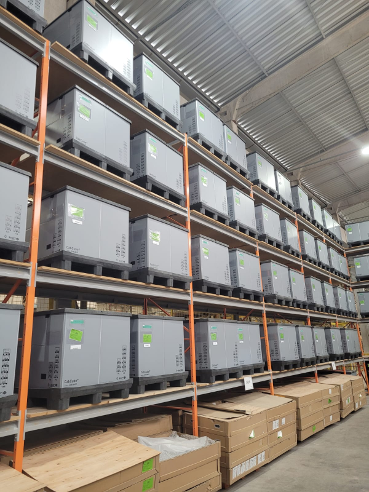
An advantage of the plastic pallet is its load capacity, as it is capable of supporting large weights. Extremely robust, this product allows boxes to be stacked, optimizing warehouse space.
Plastic pallets are also easy to sanitize and clean, which prevents the proliferation of microorganisms and bacteria.
Unlike wooden pallets, which store fungi, bacteria and other contaminants, plastic pallets are not porous and do not absorb moisture, which helps to avoid contamination.
Furthermore, the plastic pallet has antimicrobial protection, which prevents the proliferation of fungi and bacteria and allows direct contact with food. As they are monoblocks, they do not have seams, nails or welds, which helps to avoid accidents and bring greater safety to operations.
Tecnotri produces a complete line of rotomolded plastic products in compliance with ANVISA Good Manufacturing Practices (GMP) specifications and ISO 22,000 certification.
Have more security with cargo safes
Food production requires care throughout the production process, whether during handling, transportation or storage. After all, products are always subject to physical, chemical and biological risks.
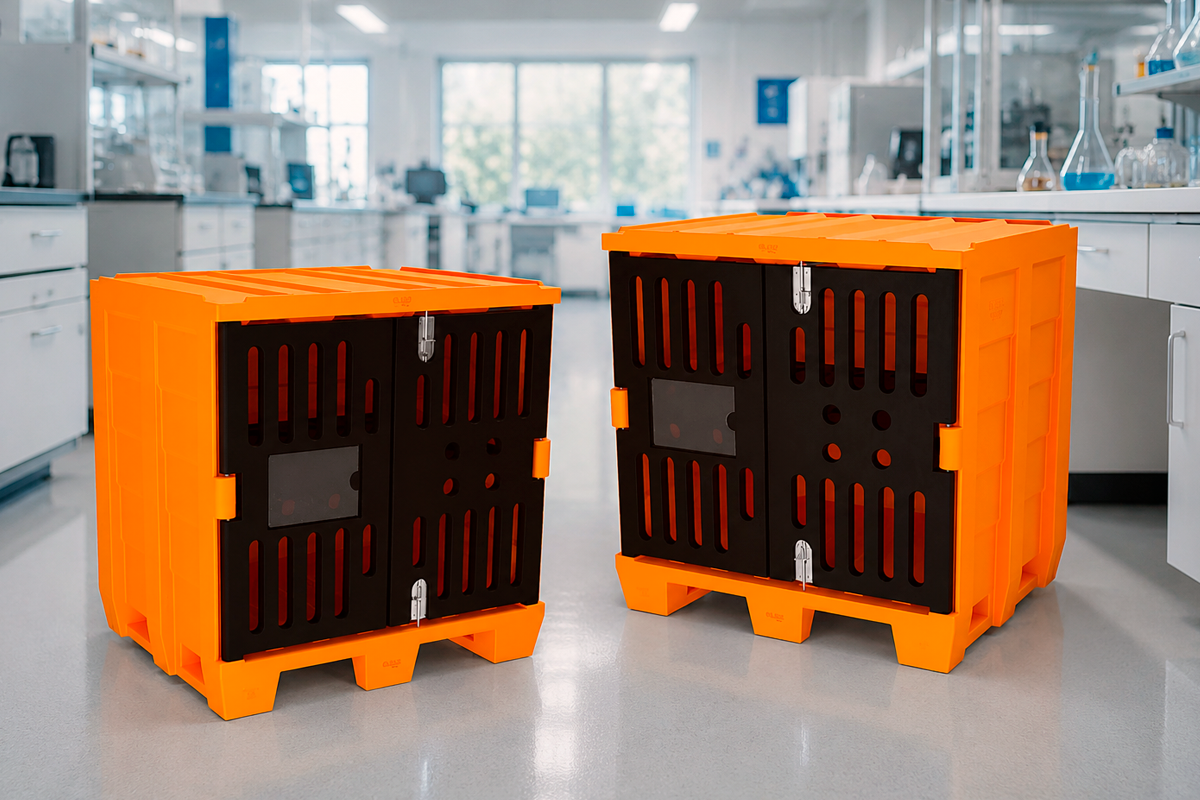
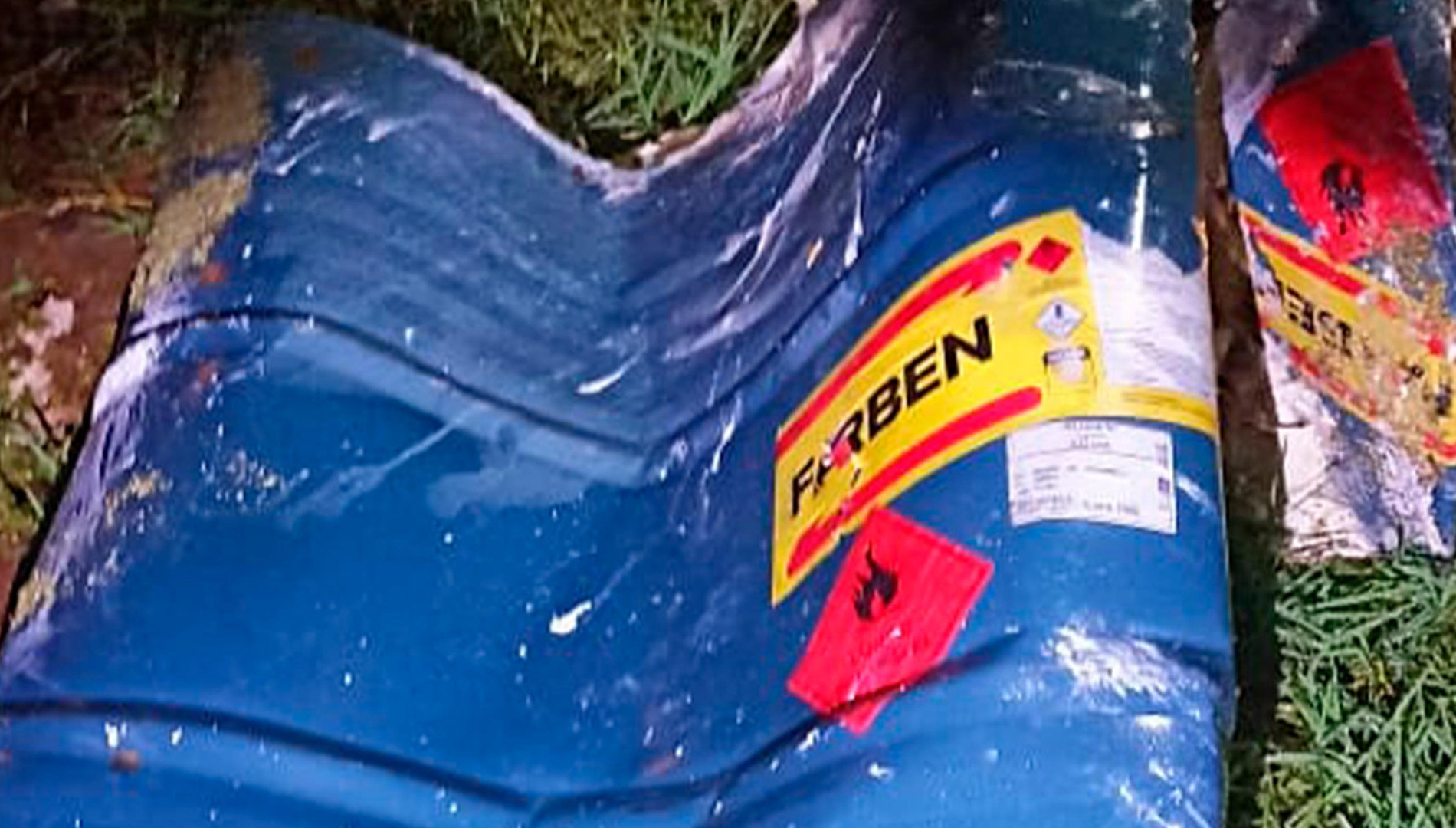
Developed to segregate incompatible and dangerous materials, cargo safes are widely used by transporters of food, medicine and chemical materials.
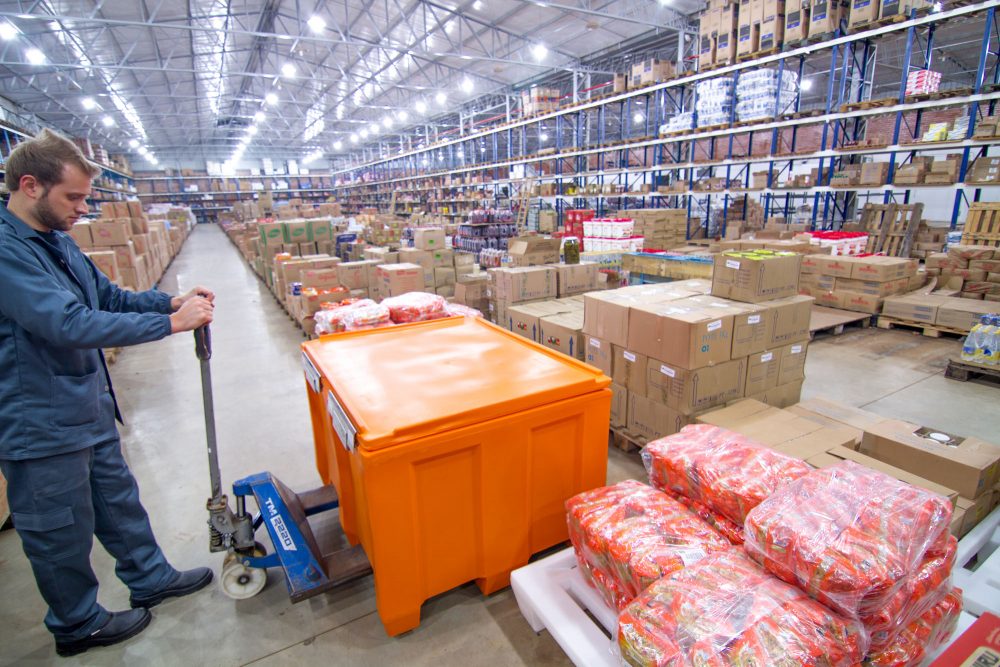
These boxes have zippers and closing latches to secure the cargo, with the purpose of segregating it during transport. In cases of leaks, there is no contamination of the environment, as the substances are completely retained inside these boxes.
Without seams or welding, the Tecnotri cargo safe is non-toxic, resistant to chemical agents and has antimicrobial protection. It meets Anvisa and ABNT Resolution 420 standards for dangerous products and has a 10-year warranty.
As we have seen, the transport and storage of perishable products requires special care to keep the products in the best possible conditions for as long as possible.
Did you like this article? Do you want to know more about how plastic pallets can be used in the food industry? Access this post about logistics and strategic storage.