Effective management helps to reduce waste of raw materials, time and money. Organization, planning and standardization of procedures make all the difference so that waste is avoided. Therefore, we prepared this article with some tips on how to avoid waste in the food industry. Come with us:
Pay attention to standardization and organization
The first step to quality management is organization. Standardizing procedures is essential to guarantee the quality of final products. Therefore, all steps must be carried out uniformly.
The manager must measure the length of breaks in production in order to assess the impacts of idleness on production. Establishing a maximum stopping time and timing recovery can be good solutions to increase productivity. To quickly identify failures and make quality management more effective, all processes must be constantly reviewed.
Plan to avoid waste in the food industry
Good planning allows you to define processes with greater security, establish objectives, choose the means to achieve them and implement improvements. It makes it possible to act preventively, avoiding errors, bottlenecks, inefficient practices and the need for revisions in production.
Planning ensures that there is a prediction of the future, that decisions are made in a safer way, minimizing the risks of waste and losses. The main objective is to guide the business so that it can continuously grow and achieve profits.
Planning needs to reconcile the supply and demand of products in terms of volume, time and quality. For this to be possible, different areas need to be involved. Examples of this are loading areas, which determine the volume that the production operation can handle; the sequence, which defines the productivity of tasks to be performed; and scheduling, which involves deciding the start and end time (moment) for each task.

Storage products correctly
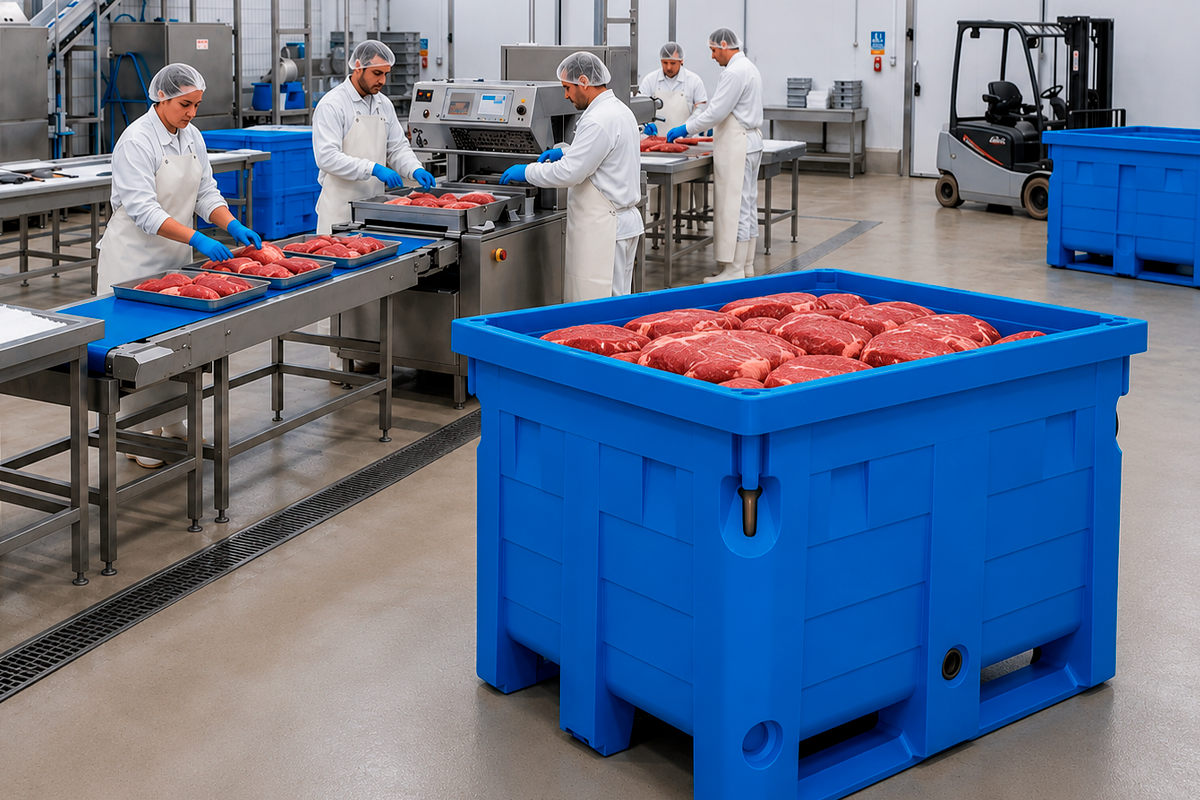
Since the risk of contamination is very high in the food industry, storage must be carried out carefully, following Good Manufacturing Practices and using appropriate containers to store product lines.
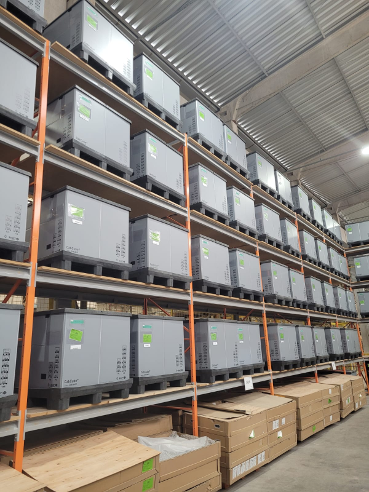
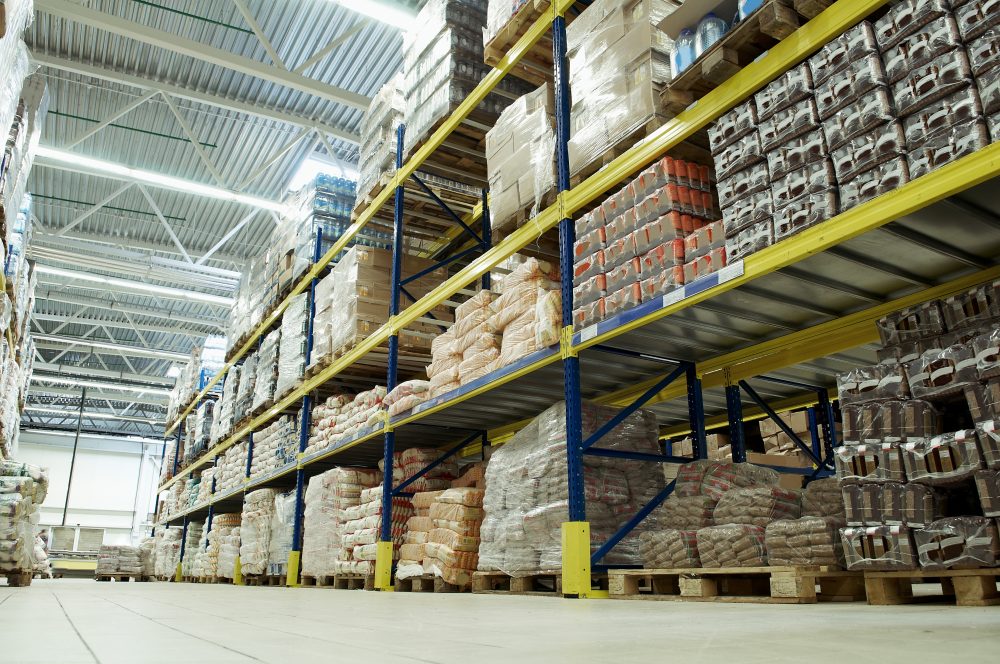
Storage must be carried out in a suitable, cool, ventilated and illuminated place. According to Good Storage Practices for the Food Industry, food or containers with food must not be in contact with the floor but supported on platforms or shelves in the shelves. They should also never be placed directly on the floor.
Pallets and shelves must be clean, dry and in good condition. Shelves must be at least 60cm away from the ceiling and 35cm away from the walls, whenever possible, with 10cm being the minimum acceptable.
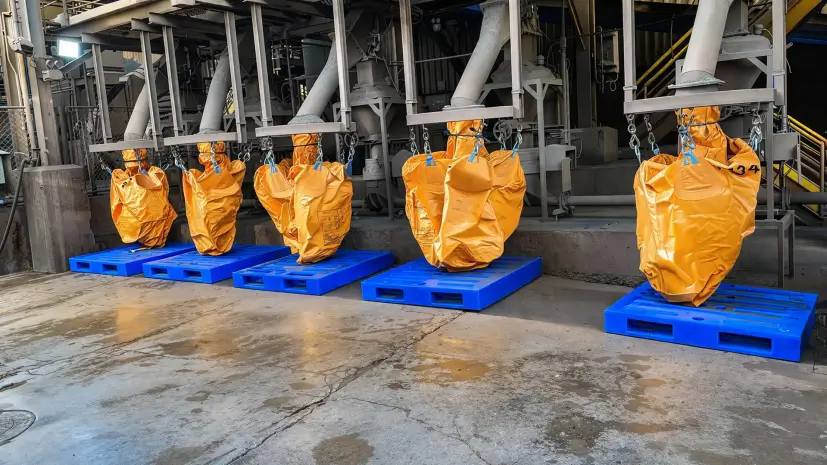
The use of wood, including pallets of this material, should be avoided, as it is practically impossible to properly clean and sanitize wood after contact with water. The use of plastic pallets, which are easy to wash and sanitize, is much more appropriate.
Pallets with raw materials or packaging must be kept at least 50cm away from the walls to avoid humidity and facilitate cleaning, sampling and movement, pest control and actions in case of fire. Furthermore, pallets must be kept 30 cm apart and 20 cm from the floor.
To guarantee quality, food products need to be kept in appropriate conditions at all times. Therefore, constantly check their temperature and arrangement.
Use an integrated logistics management system
In order to avoid waste in the industry, it is important to pay attention to logistics. For logistics to be efficient from start to finish, it is essential that the flow of data and information is constant and very well controlled. Therefore, it is worth investing in logistics management software.
Good management of physical and information flow through the use of integrated management software (ERP) allows adding value to the supply chain and generating cost reduction opportunities for the operation.
With it, it is possible to manage all orders, control stocks, monitor transport routes, select the most appropriate equipment and employ precise metrics.
Some practices and precautions are capable of avoiding waste in the food industry and optimizing production and logistics. Did you like our article? Want to read more content like this? So visit our blog for more articles like this. Until next time!