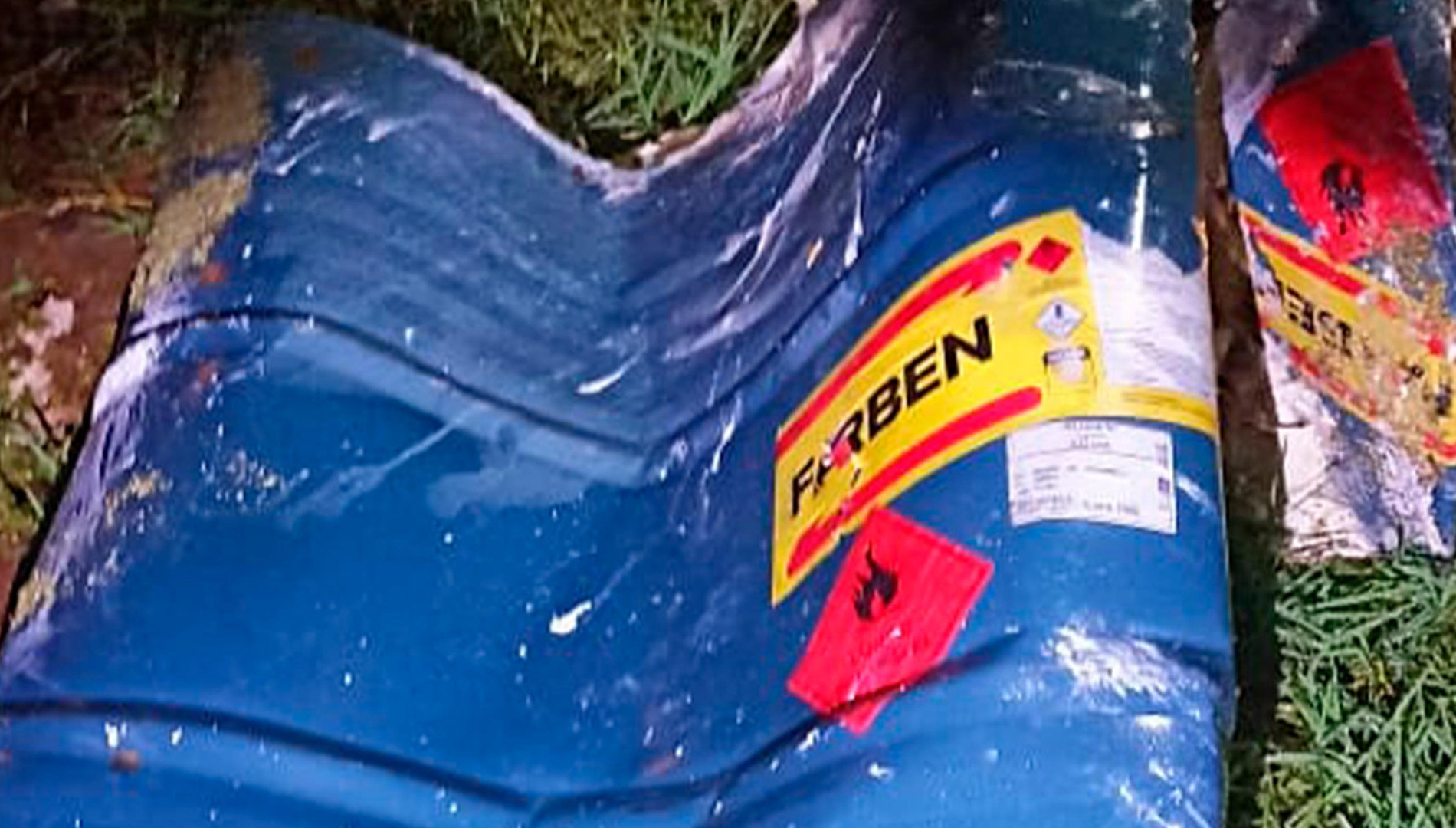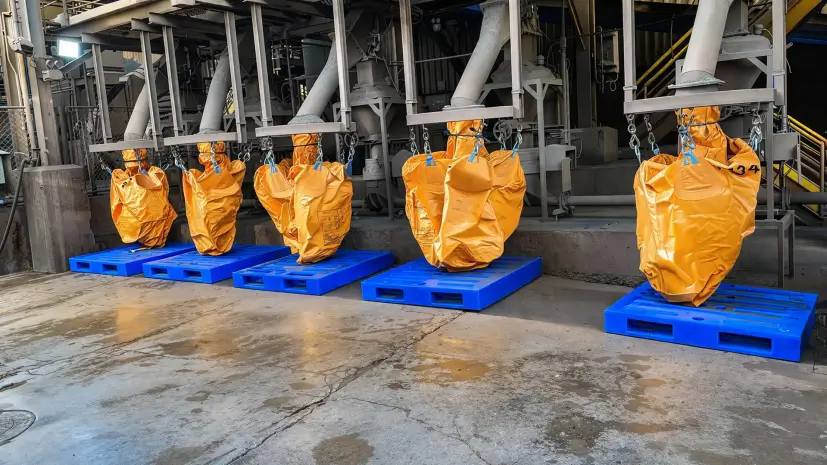
With the growing volume of business in the pharmaceutical sector, as well as the large quantity of products manufactured daily, the amount of waste generated has increased, which needs to be returned to its origin. In this context, reverse logistics appears as an important differentiator for companies in the sector. After all, correct environmental practices and the appropriate disposal and treatment of waste play an important role in today’s society.
But do you know what reverse logistics is? What are its benefits for the environment and society? Do you know the legislation that regulates this practice? Next, see the importance of reverse logistics in the pharmaceutical industry.
Learn what reverse logistics is in the pharmaceutical sector
Reverse logistics is the process of planning, implementing and controlling reverse flows of raw materials. This happens in storage, packaging and final product processes, from the production, distribution and consumption phases to their recovery or appropriate disposal.
It can be understood as the area of business logistics that aims to manage, in an interconnected way, all the logistical points of the return of goods to the production cycle, adding economic and environmental value to them.
 Reverse management of waste a pharmaceutical industry is extremely important. Not only to preserve the health of the population, but also for the environment. Furthermore, it is a competitive differentiator for companies.
This is because waste generated in the healthcare sector can degrade the environment, not only in quantitative terms, but due to the risk it poses to public health and nature, due to the presence of pathogenic agents.
Pharmaceutical products deserve special attention because they have predetermined life cycles, due to their expiration date. Furthermore, they must comply with strict legislation that regulates the sector.
Know the legislation regarding reverse management
Reverse logistics is defined by National Solid Waste Policy (PNRS) as an instrument of economic and social development. It is characterized by a set of actions and means designed to enable the collection and return of solid waste to the business sector, for reuse, in its cycle or in others.
This guideline was created in 2010, based on Law No. 12,305. The purpose was to resolve the problem of waste generation and treatment and prohibit incorrect or indiscriminate disposal in the environment. Furthermore, it was also created to encourage the practice of recycling.
Anvisa, through RDC 306/04, and the National Environmental Council (Conama), through Conama Resolution 358/05, regulate the management of waste from healthcare services. In both legislations, the documents attribute to generators (laboratories, health care services, educational and research establishments, distributors of pharmaceutical products) the role of providing adequate management of their waste.
This legislation determines that:
- Establishments must have an external place for waste;
- They need to segregate waste into groups;
- Pack waste in appropriate containers and provide appropriate disposal
Did you understand about reverse logistics in the pharmaceutical sector? Did you like this article? So stay on top of the subject and read our other articles about reverse logistics.