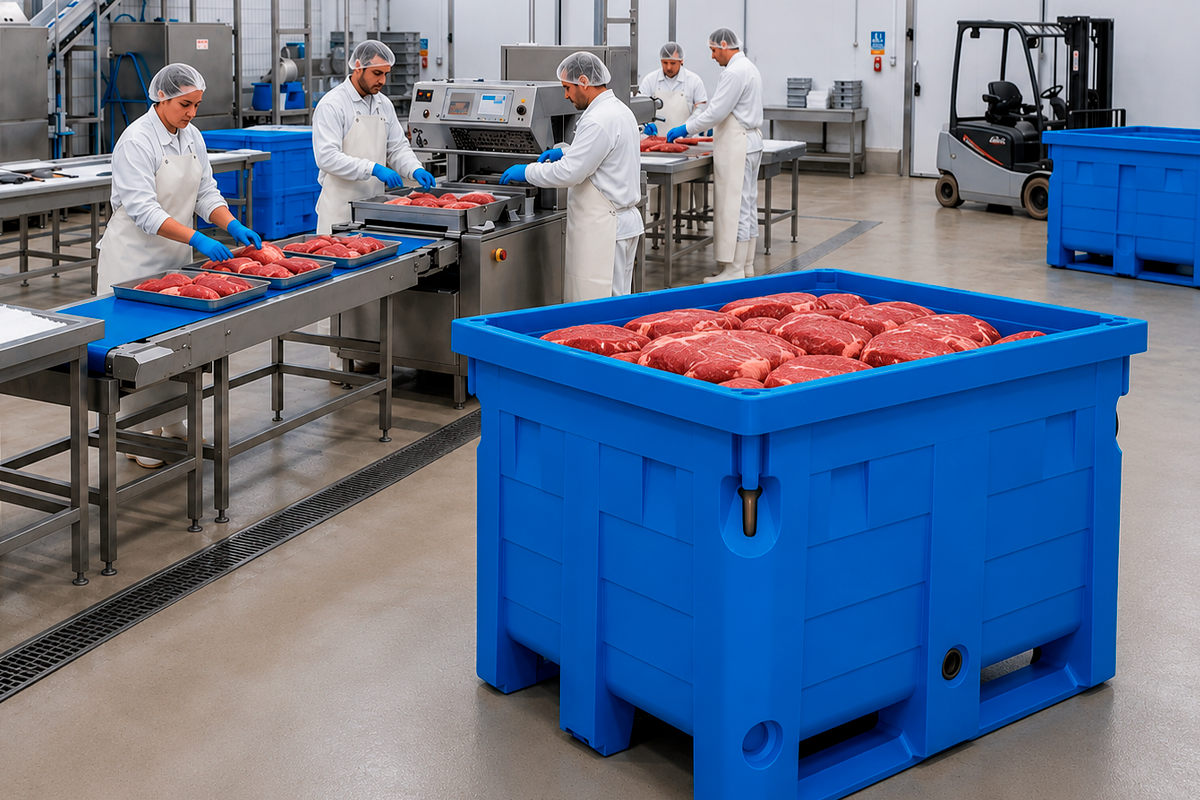
We are in the midst of an unprecedented transformation in the way we produce thanks to the digital revolution. This transition is so significant that it is being called Industry 4.0. In this article, we will talk about how it can transform food industry processes. Come with us:
Industry 4.0 represents the fourth revolution that has occurred in product manufacturing. The first was represented by mechanization, through the steam engine. After that came the mass production line, electrically powered assembly lines and the adoption of computerized systems. Finally, we have reached the era of automation and autonomous systems, powered by data and machine learning.
In this sense, the food and beverage industry is evolving rapidly. Connectivity and an endless stream of data are propelling the industry into a new digital era. This new reality will undoubtedly change the profile of the sector and organizations will need to prepare for automation.
Industry 4.0 is already changing the way we produce
The speed of new technological advances has been transforming traditional industry in a very short period of time. Although today food production is still largely conducted centrally, in the future, machines and raw materials will organize themselves independently, bridging corporate divisions in a similar way to what happens with social networks.
A combination of integrated systems together with the Internet of Things (IoT) make Industry 4.0 possible, and the smart factory a reality. As a result of employing smart machines that become increasingly efficient as they gain access to more data, factories will become more productive and less wasteful.
Ultimately, it is this network of machines digitally connected to each other, creating and sharing information that results in the true power of Industry 4.0. And the food industry can benefit a lot from this.
Where Industry 4.0 can revolutionize the food industry

But how can industry 4.0 transform the food industry? We have separated some important points for you to understand this process. Check it out:
Product traceability and recall
Recall of food and beverages may become necessary due to consumer complaints or inspections by regulatory bodies. Pressure is mounting on manufacturers to institute product recalls as quickly as possible.
Contamination traceability is, however, a delicate issue. This happens due to several factors, such as microbial impurities and labeling and packaging errors. Furthermore, contamination by potentially dangerous substances such as machine oil or biohazards must be taken into account.
Sensor technologies contribute to this effort. There are many varieties of smart identification systems that allow for better traceability. Radio frequency identification (RFID) labeling, which tracks crops from harvest to identify the origins of cargo, is one example. In addition, there are also other systems that allow systematic and efficient tracking of data, from raw materials to the final product.
Meet the needs of increasingly demanding consumers
21st century consumers research your products on their smartphones. Therefore, they often choose them consciously, depending on the nutrients they want to have in their diet.
Therefore, to motivate consumers to buy their products, manufacturers and retailers must choose solutions that allow them to influence purchasing decisions at the point of sale. An example of this are POS displays, which integrate with your customers’ cell phones.
An emerging technology is smart labeling. The combination of wireless labeling, software applications and cloud platforms allows customers to read labels with their smartphones. This ensures the authenticity of the product and provides information about ratings, loyalty programs or informational and promotional videos.
Data management in industries
Optimizing data exchange and collection across all machines in the product chain not only allows quick access to essential data, but also ensures that every step in the process is securely documented.
Thus, for example, cloud computing can help manufacturers provide data related to one or even thousands of products for analysis.

Product personalization at an even more specific level
Single-unit production to meet customized customer orders has so far been extremely difficult to implement. With the advent of new technologies, this may become an increasingly common reality.
The possibility of automation and the sensor technologies we have already mentioned allow customization on an even more personal level, according to customer requests. It will be possible, for example, to send personalized packages directly to the customer, with their own labels and with the product they “created” according to their preferences.
To sum up what we’ve seen so far:
Among the main advantages of Industry 4.0 for the food sector, we can highlight:
- Reduction of costs, energy and raw material consumption.
- Increasing business intelligence with accurate data analysis.
- Security through traceability, which locates faults in the process and makes devices resolve them quickly.
- Possibility of customizing products according to customer needs.
What to conclude about the food industries?
The food and beverage industries need to be prepared for the transformations of Industry 4.0. This way, they remain competitive. Those who quickly assimilate the changes will have a great advantage and will quickly achieve the results and benefits that technological innovations can bring to the sector.
Did you like our article? We hope you understood more about Industry 4.0 in the food industry. Follow our blog and keep an eye out for more articles like this.