Many globally successful companies, such as 3M, DELL and Embraer, have changed their mode of production with Lean Manufacturing. This management philosophy based on eliminating waste and minimum inventories has been changing production processes around the world.
Learn what Lean Manufacturing is
Lean Manufacturing is a management philosophy that consists of increasing production with the least amount of resources possible. Also called lean production, the concept features the elimination of waste and the adoption of minimum stocks regulated by demand.
Lean Manufacturing can be seen as production focused on presenting as little waste as possible and a minimum of errors, in order to deliver to the customer exactly what they need, at the moment the demand appears. This strategy is capable of optimizing the movement, transportation and storage operations of products, cargo and materials.
Lean Manufacturing also refers to the agility of production systems. The idea is to put the machines to work and make them more efficient when they are in operation, without bureaucracy or wasted time.
Understand how Lean Manufacturing emerged
The term was born in Japan, in 1924, where it was called the Toyota Production System, when Sakichi Toyoda – founder of Toyoda Teares – created the first automated loom that stopped production if the thread broke, generating a huge cost reduction and avoiding waste.
This was just the beginning of a series of techniques developed to increase the efficiency of processes applied in factories. Mainly after the Second World War, an attempt was made to adopt a production system capable of eliminating any unnecessary waste, especially due to the scarcity of resources in the post-war period.
Within a few years, other Japanese companies adhered to Toyota’s lean production model and began to export competitive products to the international market, quickly boosting the Japanese economy.
See how to apply it in your company
Firstly, it is necessary to identify where the problems are and which processes do not generate any value for the customer. To do this, it is necessary to analyze the company’s scenario very well, measure the data presented and join forces to resolve the problems detected.
Any defect in the product could cause waste for the company. Therefore, every preventive measure and continuous improvement in processes will help to optimize results.
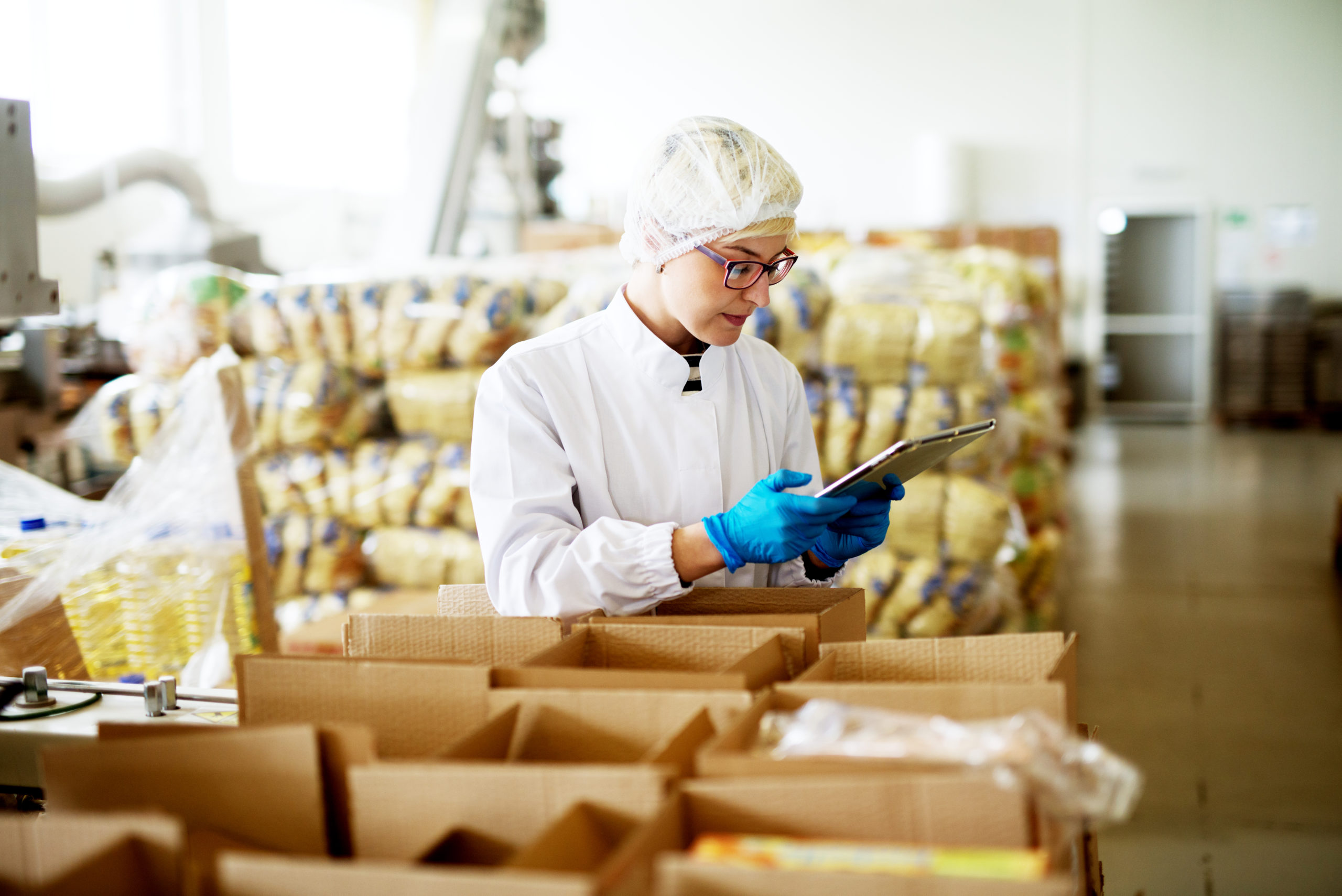
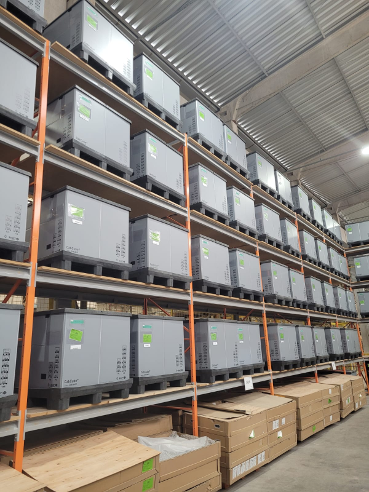
Producing more than necessary or at a speed faster than ideal can lead to excess production and an increase in inventory. If the products are not sold, they may become obsolete and generate losses. Therefore, you should try to maintain a minimum of necessary stock.
In transportation, any product or resource moved unnecessarily represents a waste of time, fuel and labor. Every movement in the production process needs to be planned and executed strategically.
Another problem to be avoided is unnecessary movements of employees. An organized work environment prevents employees from having to waste time looking for a tool or moving around the factory unnecessarily.
Idleness and waiting for the availability of a resource are also examples of unproductive practices. Workers should not need to wait for orders from a manager or the signing of a document to start work.
To achieve the best results, it is necessary to mobilize the active participation of all company employees. Those who work on the production line have more knowledge about opportunities for improving processes. Therefore, it is important that employees have more autonomy and absorb this concept of lean production.
Learn how plastic pallets favor production
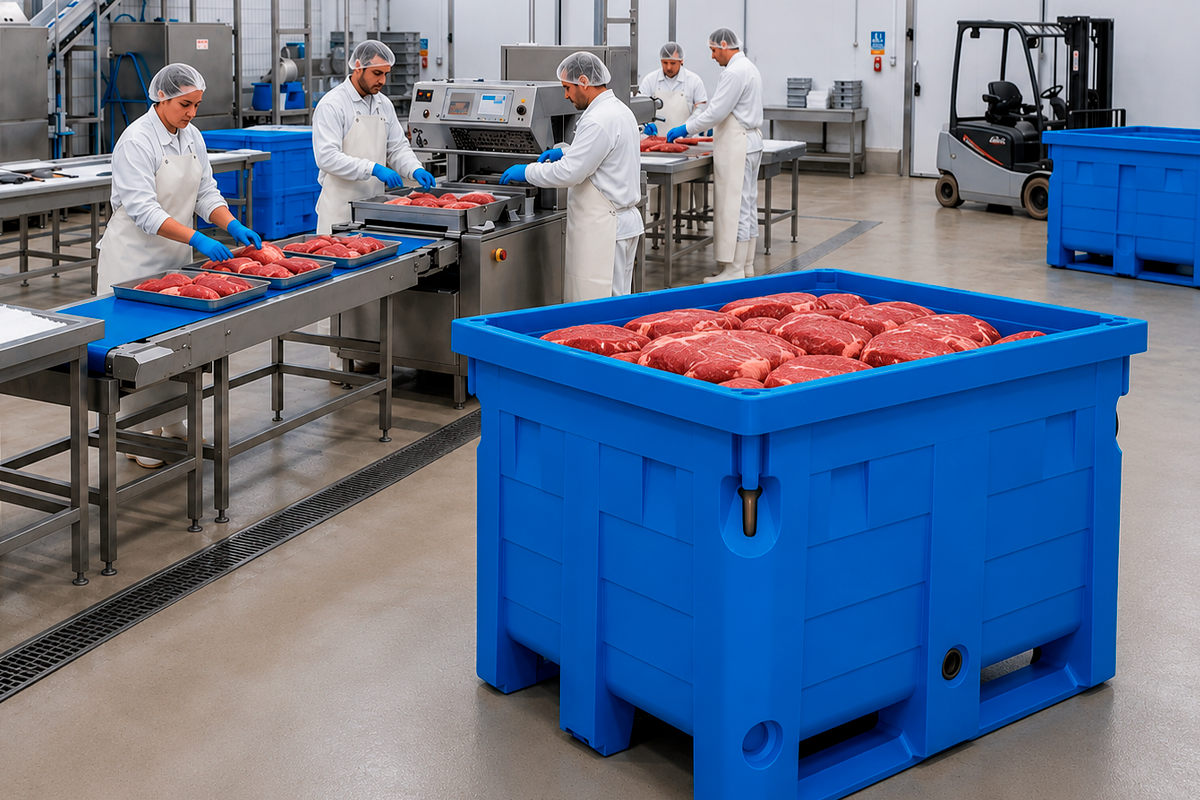
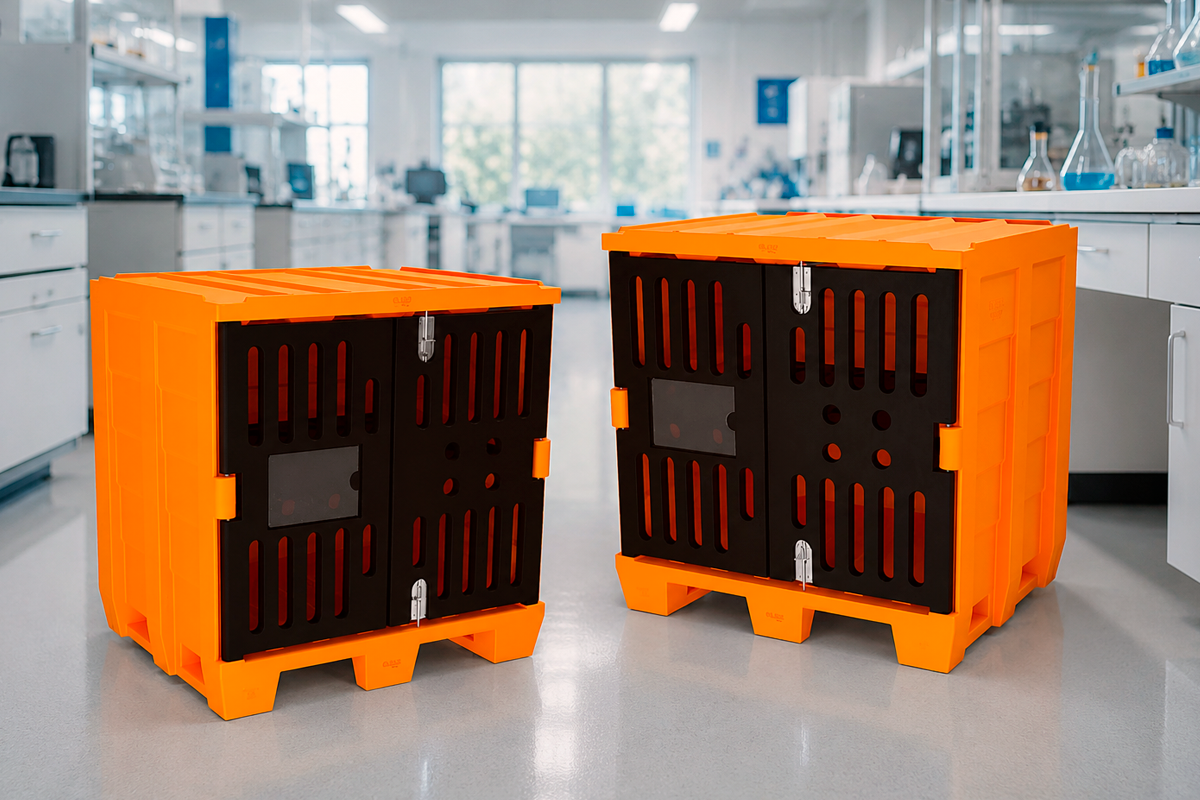
Due to its characteristics, the colored rotomolded plastic pallet helps in the implementation of lean production. Available in different colors, these products facilitate visual management, as they allow the specification of different colors for the movement of each type of material.
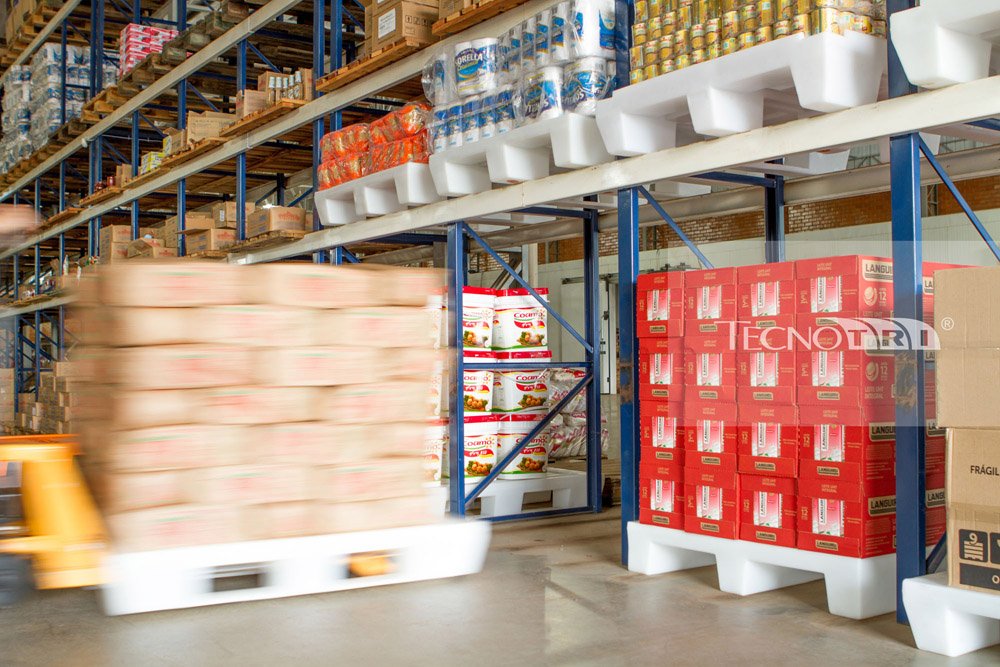
For example, products can be divided into pallets of different colors, according to raw material, semi-finished products, finished products, 1st and 2nd packaging materials, materials with quality deviations, among other characteristics.
Furthermore, the colored pallet allows the implementation of a Kanban-type visual system to control the flow of material and production according to the “pull” principle, that is, production carried out simultaneously with the needs of the production process.
The Kanban signaling device, made with rotomolded plastic pallets, provides instructions for the production, removal or transportation of products. The Kanban system is a form of control and integration between departments, to indicate when it is necessary to produce a product or purchase a specific material for manufacturing.
This visual reinforcement improves operational and qualitative performance in handling operations, as it promotes engagement and sharing of information on the factory floor, facilitates the interpretation of the process throughout the organization, ensures compliance with production operational procedures and motivates employees in the search for continuous improvement.