Companies that work with the production of goods must be careful to ensure that the entire production chain is efficient, from the beginning of production to delivery to the end customer. Planning and controlling production capacity directs strategic needs and adjusts capacity levels in the long term.
Failures in management activities can cause a lack of products in stocks and create an imbalance between supply and demand. The faster these problems are identified, the more effective corrective measures will be.
But do you know how to plan and control production? How to choose the most suitable pallets for your production processes? See the answers here!
Understand how production planning works
Production planning can be defined as a set of management activities to be carried out to enable the production of a product. It involves a series of decisions with the aim of defining what, how much and when will be produced, in addition to the resources to be used for these purposes.
Whether in the short, medium or long term, planning must be very well prepared so that there is no excess activity, generating unnecessary expenses, nor insufficient activity, which causes a lack of products in relation to demand.
The manager must define the foundations on which the planning hierarchy will be organized, making the objectives and planned activities very clear and measurable.
He must prepare the activity, finance and resource plan and integrate them with the standard of quality, safety and communication standards. It is necessary to define the objectives, plan the action necessary to achieve them and the scope for which the project was carried out.
The production schedule establishes in the short term how much and when to buy, manufacture or assemble each item necessary to make up the final products.
Resource planning is typically based on the production plan, but can be guided by higher-level plans, considering those resources that take longer to acquire.
Finally, production monitoring and control collects and analyzes data to ensure that the production program is executed satisfactorily.
See how to carry out production control
To meet inventory levels and meet sales forecasts, production must occur before an order is received. Delivery time to the customer is minimized due to the fact that products are in stock. Safety stocks are maintained to face market fluctuations.
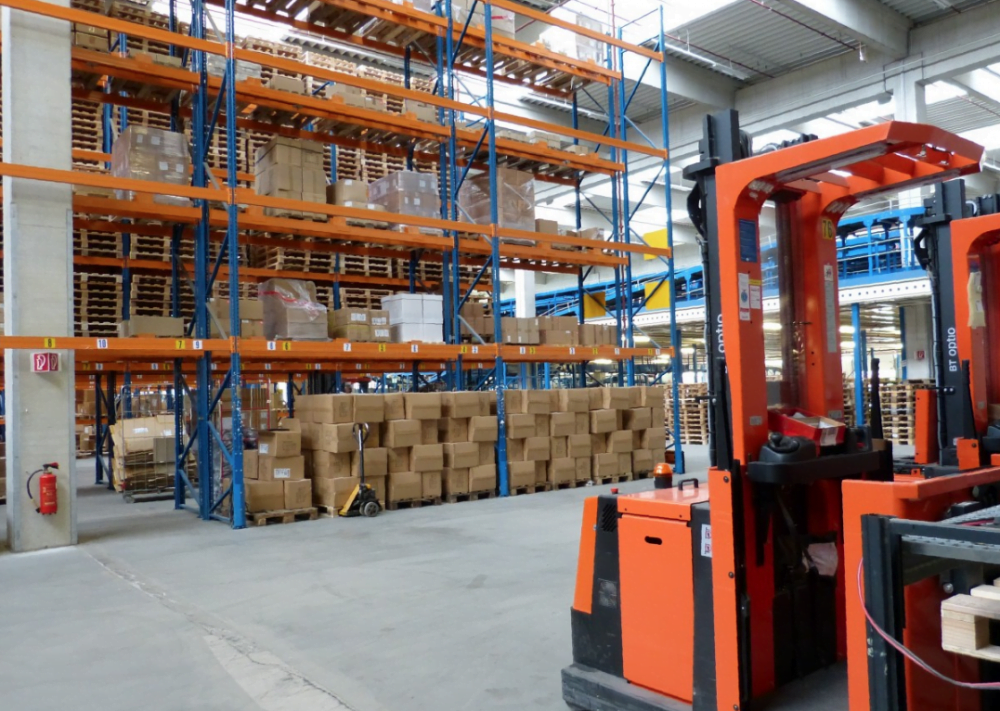
Amidst a huge flow of data generated every day by the most diverse sectors, it is important to have a system that automates, selects and offers the main information in a clear and objective way for management. In this way, it will be able to enhance productivity and efficiency, find positive points to be explored and gaps that need to be repaired.
The sooner flaws in production processes are found, the faster it will be possible to optimize production and generate competitive advantages.
Learn how to manage the use of pallets
To offer better logistics solutions, it is very important to evaluate all the conditions of the available space in your stock, as well as the arrangement of pallets. It is necessary to carry out planning that allows you to optimize the loading and movement of products, according to your production and available storage spaces.
There are different palletizing methods that contribute to greater inventory organization and speed up processes, in addition to infinite layout options (functional, cell, line) that can be applied in your warehouse. These storage systems considerably reduce the space used within warehouses, improving the performance of operations, facilitating the movement of products and reducing costs.
Choosing the appropriate pallet for the type of product to be stored is very important. To find the most suitable solution, you must first evaluate the product’s resistance and weight.
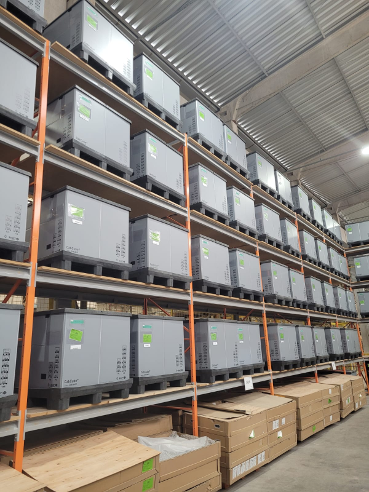
Another important resource is the verticalization of inventories. Shelves provide greater security and stability to loads, more equitable and qualitative distribution of volumes, better optimization of physical space and greater organization of stored items. Furthermore, this structure allows the manipulation and movement of products in both horizontal and vertical positions, using forklifts and other equipment.
Use pallets to optimize stock control
The greater efficiency of inventory control is directly related to the way pallets are used in the storage system. The more organized the warehouse, the easier it will be to access products and the more agile it will be to move products.
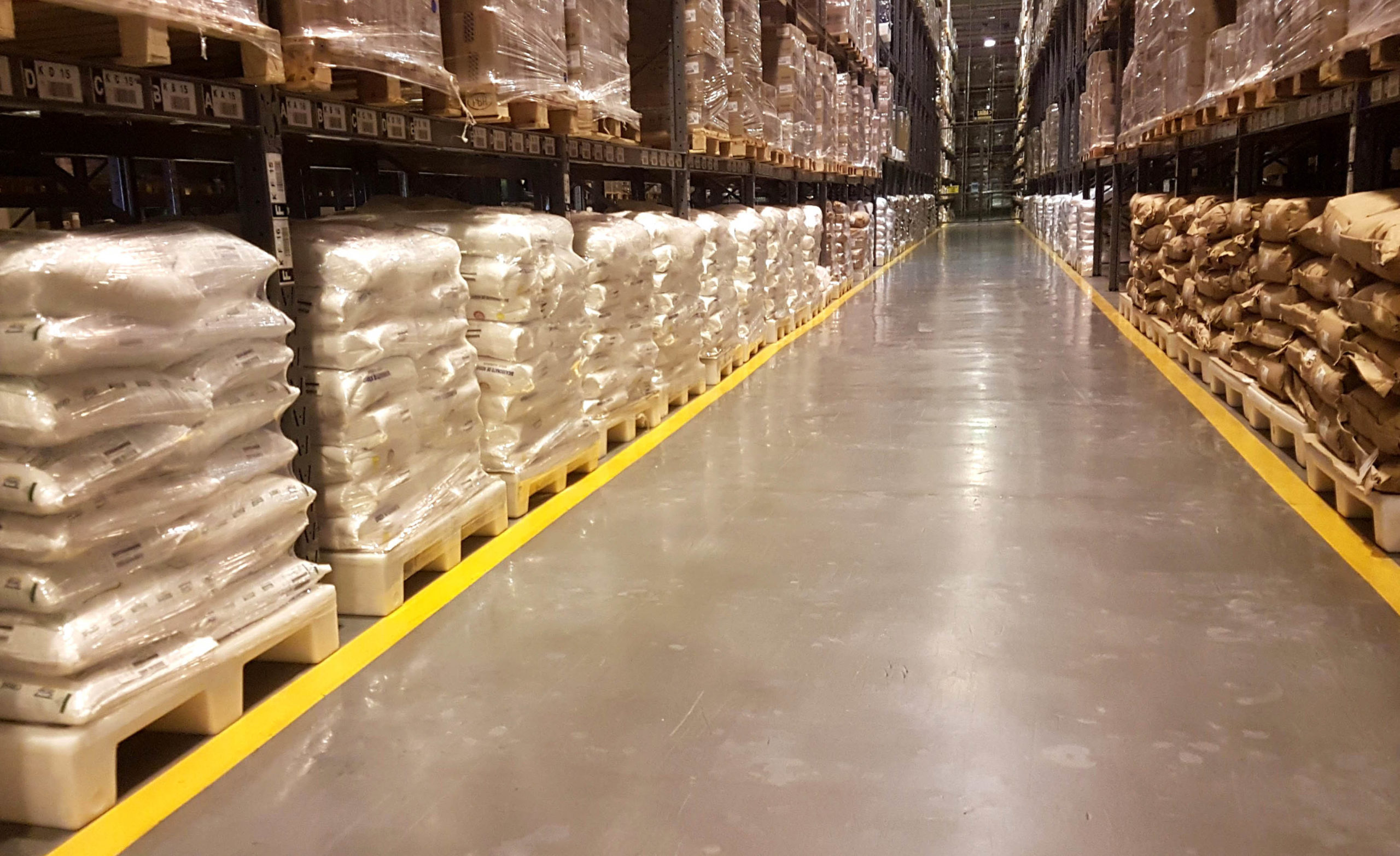
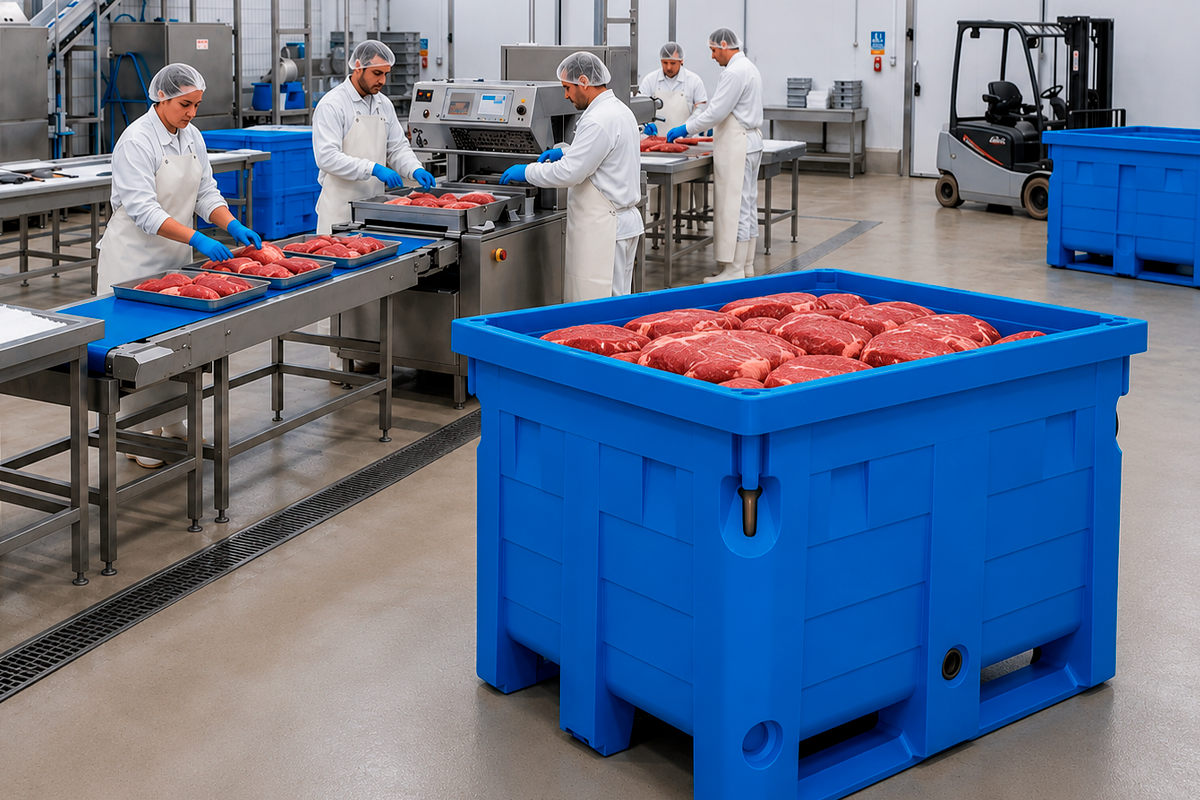
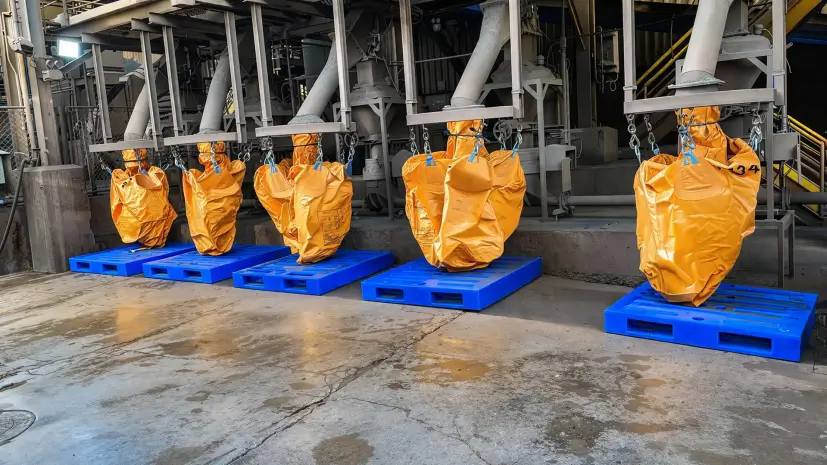
Widely used within transport and storage logistics, rotomolded plastic pallets allow products to be moved much more efficiently and safely. They help to optimize logistics operations, enabling greater rationalization and standardization of the storage location, better use of physical space and acceleration of processes.
Discover the benefits of rotomolded plastic pallets
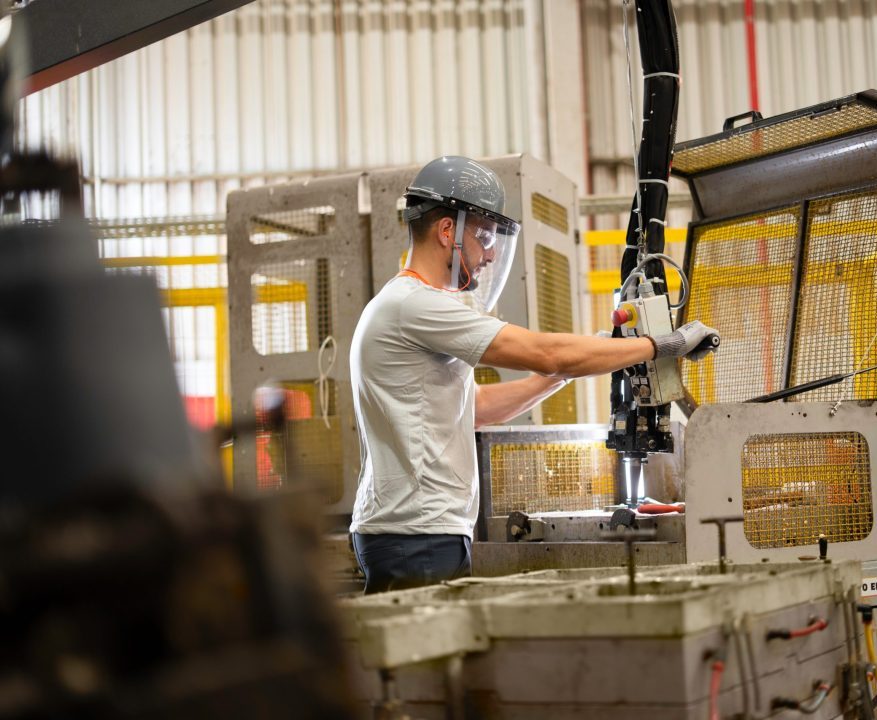
rotomolded pallets contribute to automating the movement of goods and replacing manual labor with machines, reducing hiring costs, salaries and labor charges.
Fully interconnectable and monobloc, these products are seamless and allow for economical storage and organization of physical space. Furthermore, they can be personalized with colors and logo, making them easier to identify.
Because it is lighter and more resistant, has a constant weight, has a longer useful life and does not require maintenance, the rotomolded pallet allows a cost reduction of up to 75%, compared to wooden pallets. In this way, the product provides a significant reduction in total logistics costs with non-reusable packaging in the short term.
As we have seen, good production planning and control makes it possible to better utilize available resources, facilitate and accelerate production processes, make better use of physical space and reduce costs.