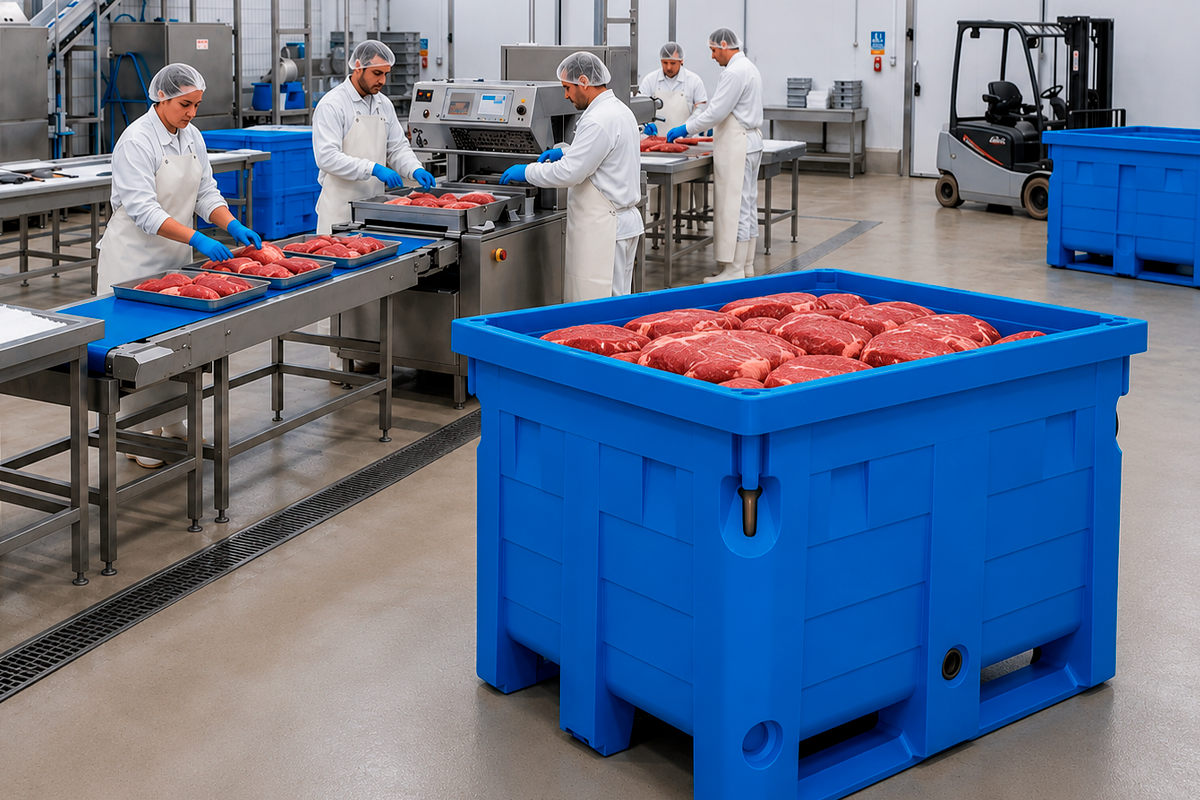
Working in a slaughterhouse is accompanied by risks and, if safety and protection standards are not followed, several accidents can happen.
That’s why anyone who works in this type of place needs to pay attention to basic precautions while working and follow strict safety standards.
Next, find out how to avoid accidents while working in a refrigerator!
Know the risks of working in a slaughterhouse
It is no surprise that meat processing plants require strict temperature control, as the work involves storing and handling meat. Often, the cold room drops below zero.
Apparently, there is no problem, but the low temperature can contribute to the development of diseases.
Many do not know, but occupational cold can trigger skin ulcers, hypoxia and body numbness.
Another major risk involves accidents, most of which are caused by sharp tools, as well as infections that are associated with the presence of biological agents.
There are also problems regarding the number of repetitive movements performed in a small space of time and psychological factors that can interfere with employees’ routines.
To reduce risks, the Ministry of Labor determines some standards that must be followed, which will be discussed in the following items!
Understand how inspection occurs
The most recent regulatory standard for work in slaughterhouses is NR-36, which focuses on safety and health issues at work in companies that slaughter and process meat and meat products.
The objective is that the safety, health and quality of life at work of slaughterhouse employees is guaranteed through minimum requirements established for the assessment, control and monitoring of risks that exist in activities carried out in the industry.
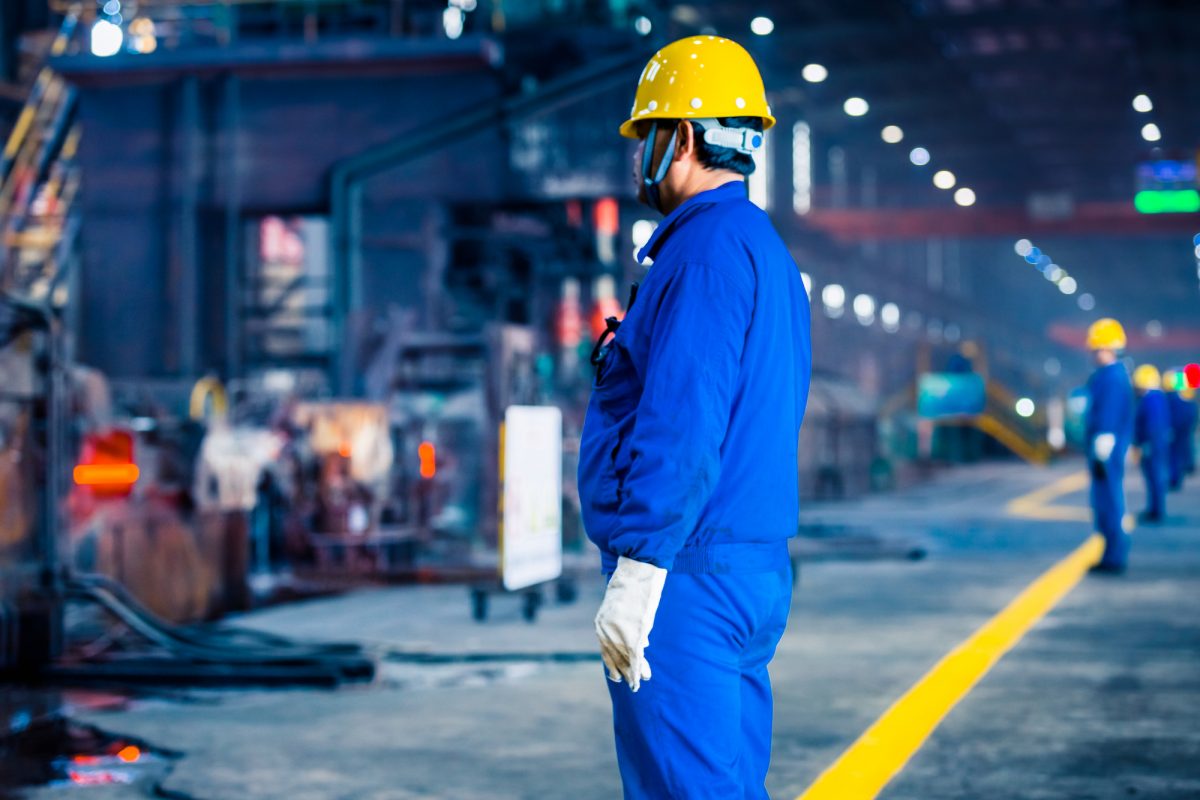
The requirements range from furniture and workstations, to platforms, walkways, platforms, product handling, lifting and transport of loads.
NR-36, respecting worker health, combats poor conditions and prevents accidents that were previously commonplace.
Find out the main security measures in the segment
In relation to personal protective equipment (PPE) and clothing used when working in slaughterhouses, the standard establishes that each item must be chosen in a way that offers the necessary effectiveness to control exposure to risk.
When used concomitantly, the equipment must be comfortable and must not pose additional risks to the user.
In specific terms, many questions can be addressed. In activities involving exposure to cold, for example, the socks provided must be clean and cleaned daily.
Whenever necessary, gloves must be replaced, as they must be compatible with the nature of the tasks, environmental conditions and the size of the hands of the person using them.
Employers are responsible for providing appropriate work clothing, so that workers can replace them whenever necessary and have more than one piece to wear overlapping, with ends compatible with the activity and the location and work.
The employee, in turn, is responsible for cleaning the clothes and changing them daily.
Discover how to promote risk management
The risks of working in slaughterhouses are manageable and the employer must invest in a planned, structured and global approach to prevention, using technical, organizational and administrative means to ensure the well-being of workers.
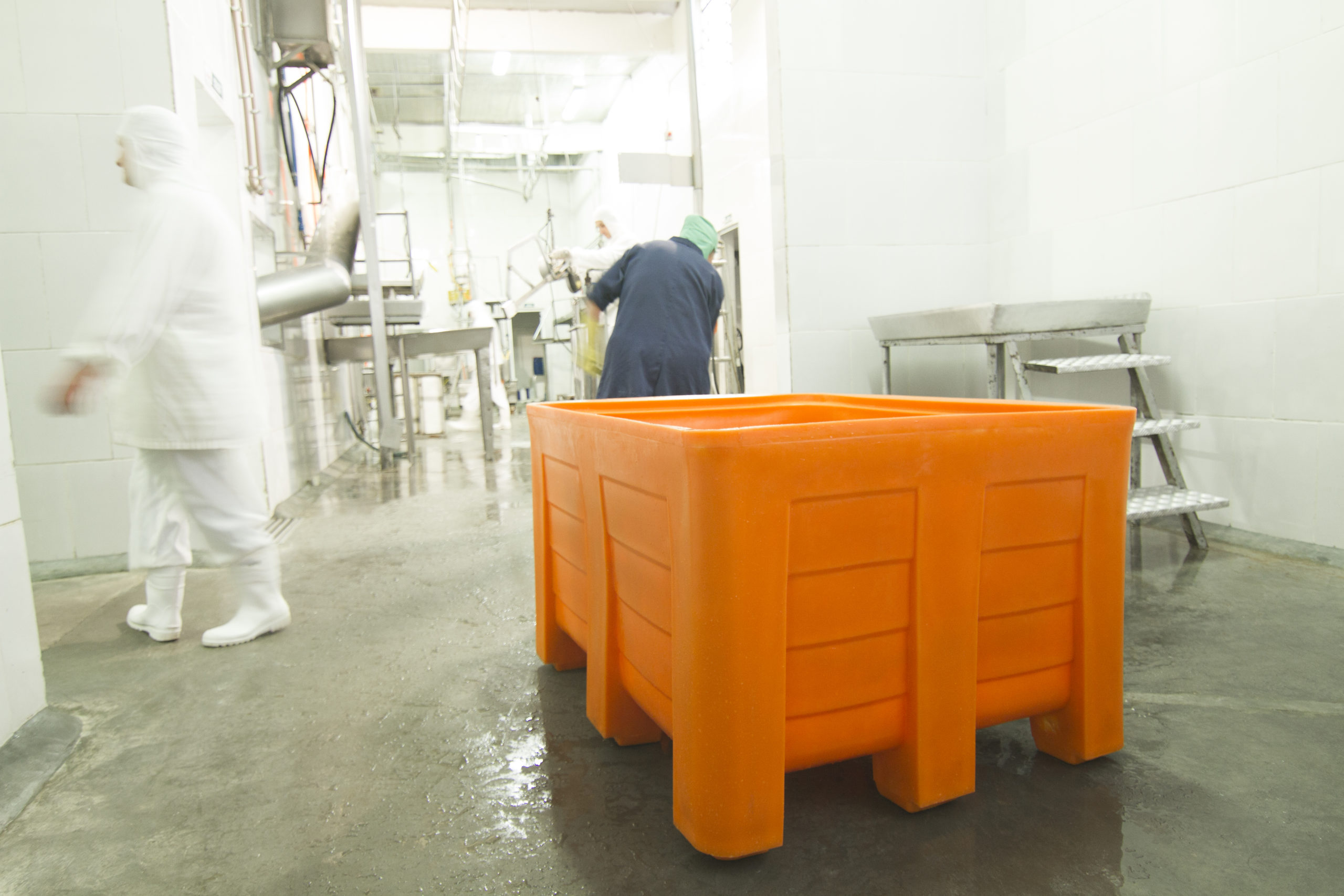
When developing an Occupational Health and Safety (OSH) strategy, prevention actions, management activities and production dynamics must be integrated.
To continually improve performance and integrate prevention at all levels of the corporation, ideally the competence and experience of employees should be taken into account.
During prevention planning, the most appropriate methods, techniques and tools for risk assessment must be defined, as well as the parameters and criteria for future decision making.
Risk assessment, on the other hand, introduces prevention measures so that they are eliminated or reduced, in addition to making it possible to determine which measures are or are not appropriate.
It is expected that OSH actions encompass all safety and health risks, addressing, at a minimum, those generated by the work environment, such as those resulting from exposure to external agents, its organization, machines, equipment, facilities, among others.
Learn more about ergonomics:
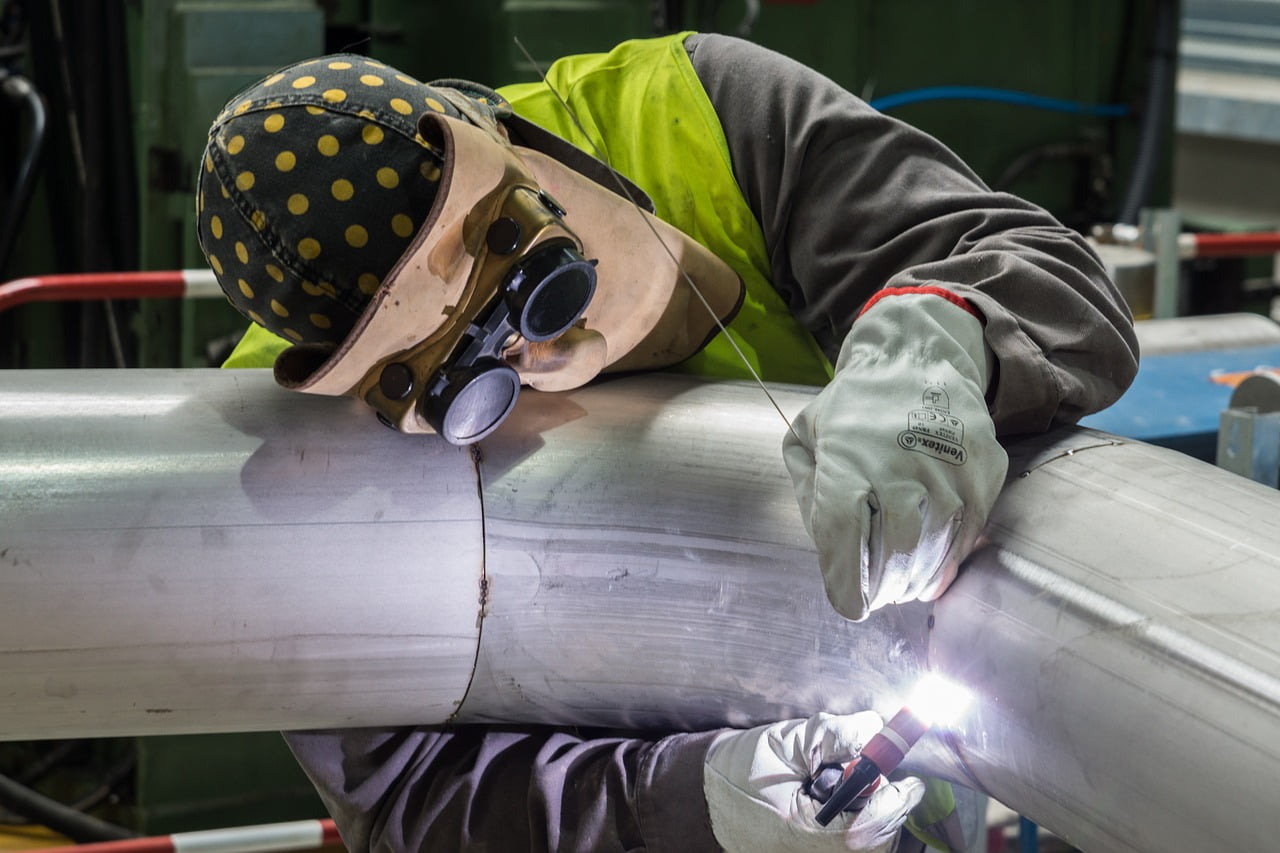
Ergonomics and increased productivity in industry
Thinking about meeting the safety and ergonomic needs of the industry, Tecnotri launched a line of rotomolded ergonomic pallets and ergonomic containers, developed to ensure the safety and well-being of employees… [continue reading]