In the information age, in which consumers are increasingly better informed about the quality of products and aware of their rights, food safety is very important. Proof of this is that complaints about products and the sharing of consumer experiences are gaining more and more prominence in the digital environment.
Furthermore, people today value products that are healthier and more beneficial to the environment. In this scenario, in order to remain competitive in the market, companies need to act with maximum transparency and take extra care with their own image. Any slip-up in your relationship with the public can lead to a reputation crisis.
See the recommendations of Good Manufacturing Practices (BFP)
Observing the Good Manufacturing Practices published by Anvisa ensures the quality of the products and guarantees consumer satisfaction. It is a group of principles and rules for the correct handling of food, from its raw material to the distribution of the final product.
The program is applied through periodic inspections to monitor hygienic-sanitary conditions and the integrity of the industrial operation. This way, it is possible to reduce the risks of contamination and food mixing.
In addition to helping to reduce failures and losses in the production chain, good manufacturing practices help to build the company’s image and credibility among its public.
Learn how to avoid contamination during transport
To ensure food safety, manufacturers must seek to adopt standard operational hygiene procedures, hazard analysis, identification of critical pest control points.
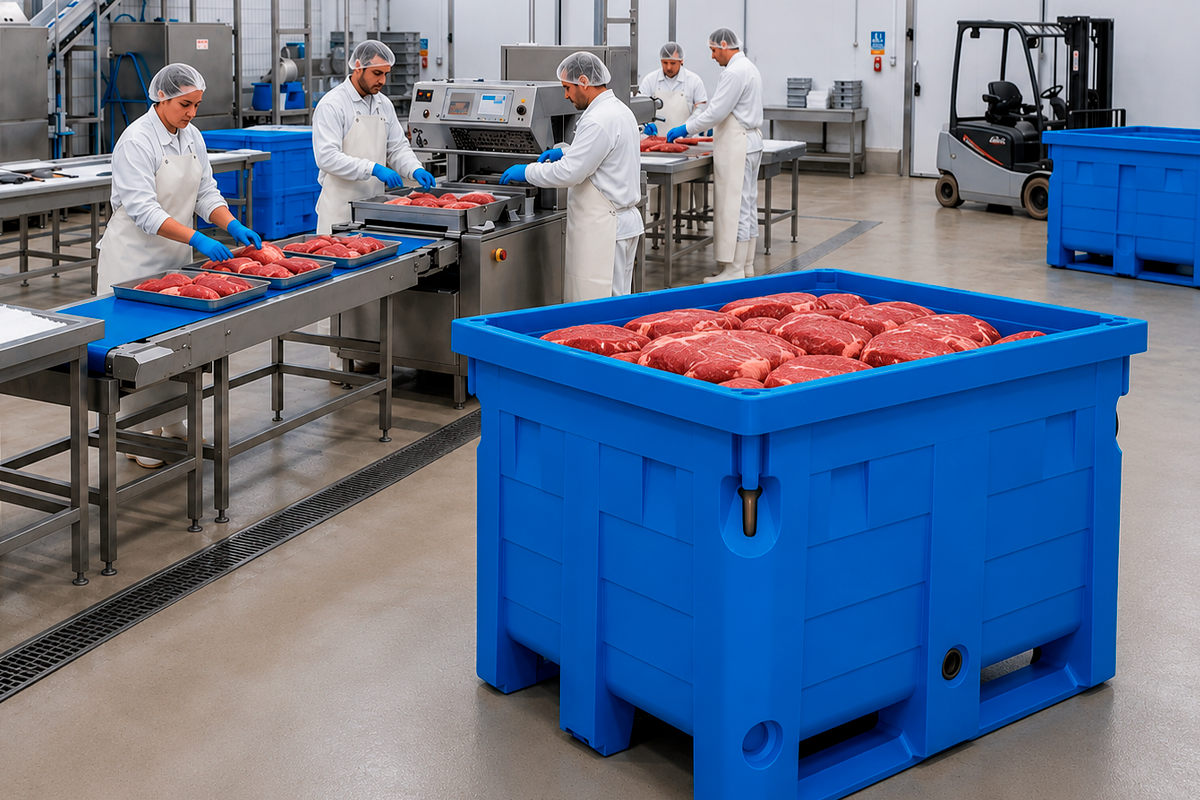
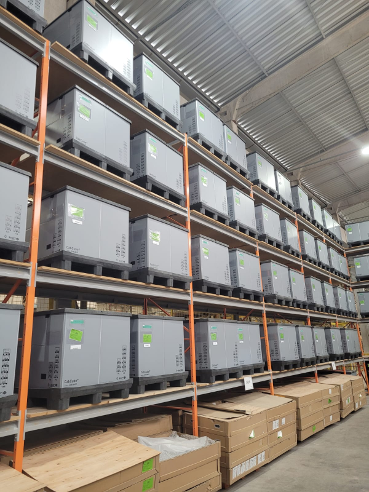
Food must be transported and stored appropriately to ensure hygiene and cleanliness. All food must be stored in a clean and organized place, protected against contamination, identified and kept on pallets, pallets and/or shelves made of resistant and easy-to-clean material.
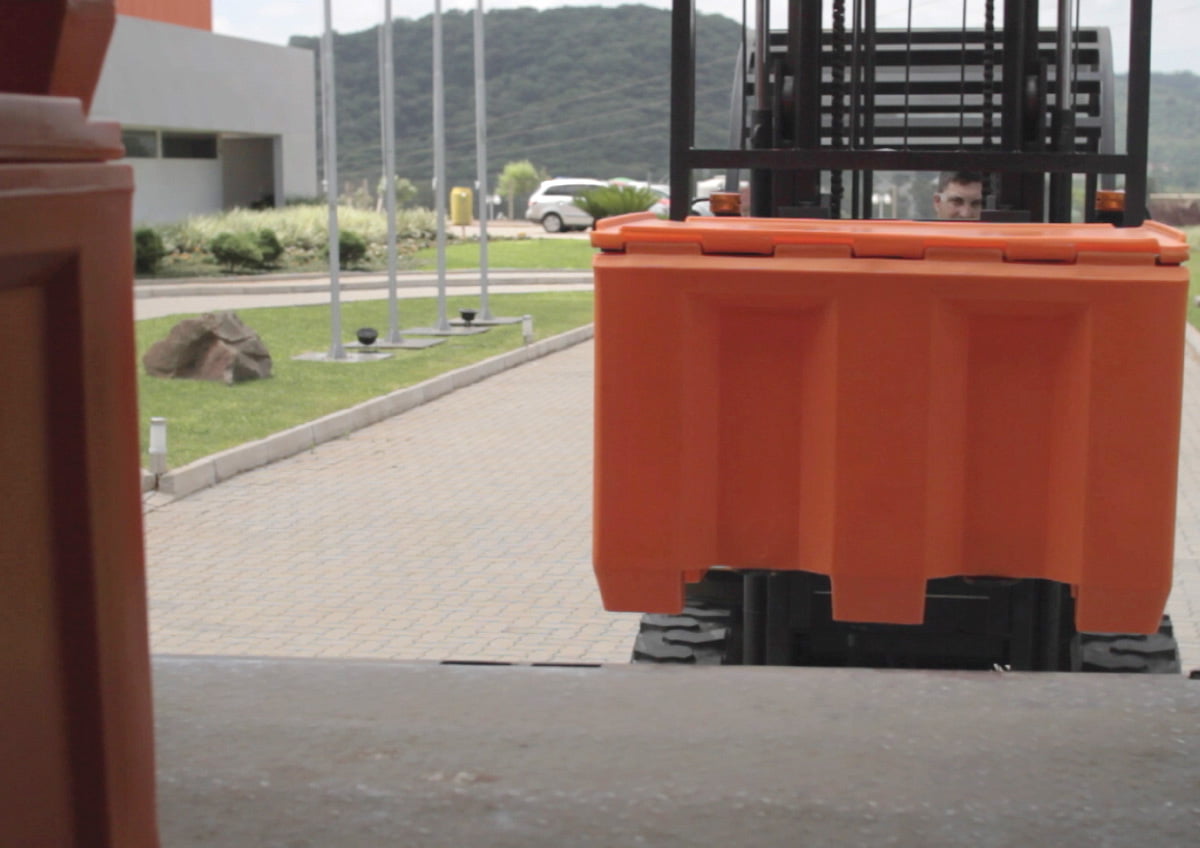
Because they are more hygienic, easy to wash and sanitize and meet health standards, plastic polymer pallets are the most suitable for food production. Monoblocs, they do not have seams, nails or welds, which helps to avoid accidents and bring greater safety to operations.
Furthermore, plastic pallets provide antimicrobial protection, which prevents the proliferation of fungi and bacteria and allows direct contact with food.
Have more quality and control in processes
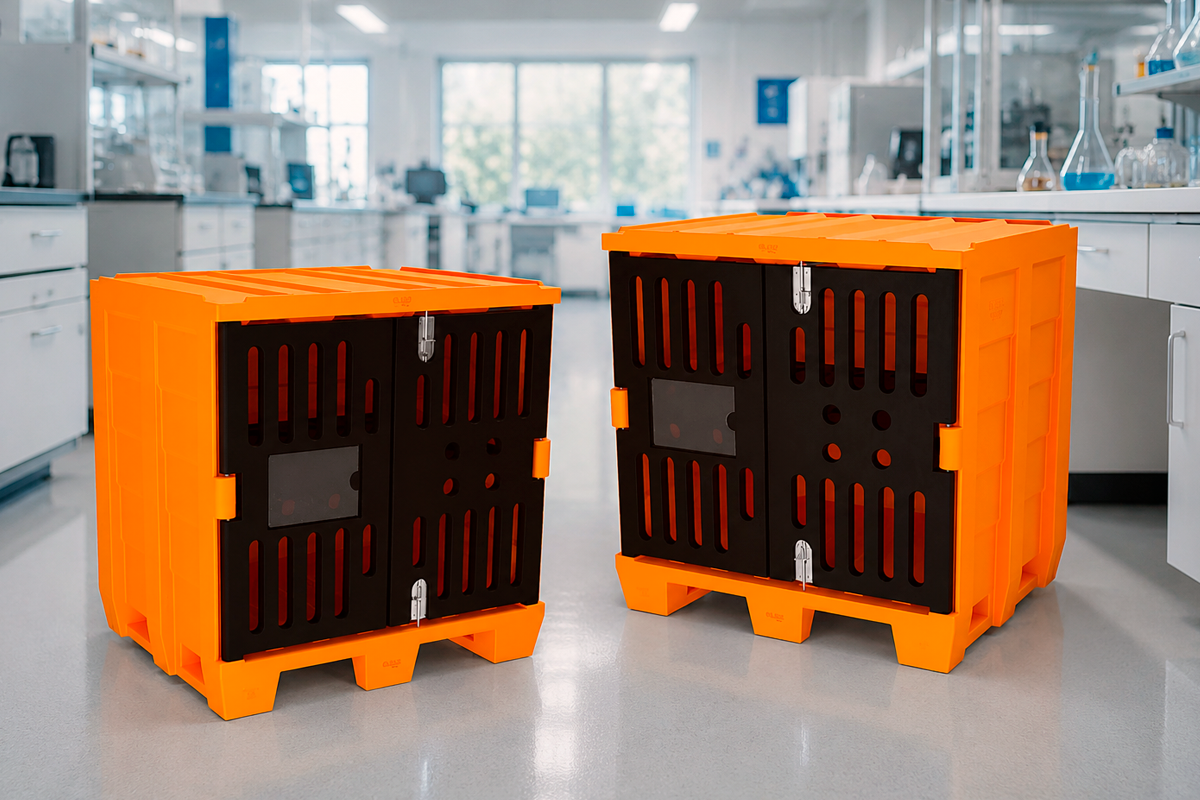
Thinking about helping its customers have access to the latest technologies and ensuring food safety, Tecnotri created Tecnotri Lab, a laboratory to carry out quality tests on its products.
Tecnotri is a pioneer in bringing industry 4.0 to rotomolding, in tune with this new phase of the industry marked by machine intelligence and the end of boundaries between the physical and digital worlds. These technologies enable automation in the collection of productive data in real time, thus bringing more efficiency, productivity and greater use of machine time.
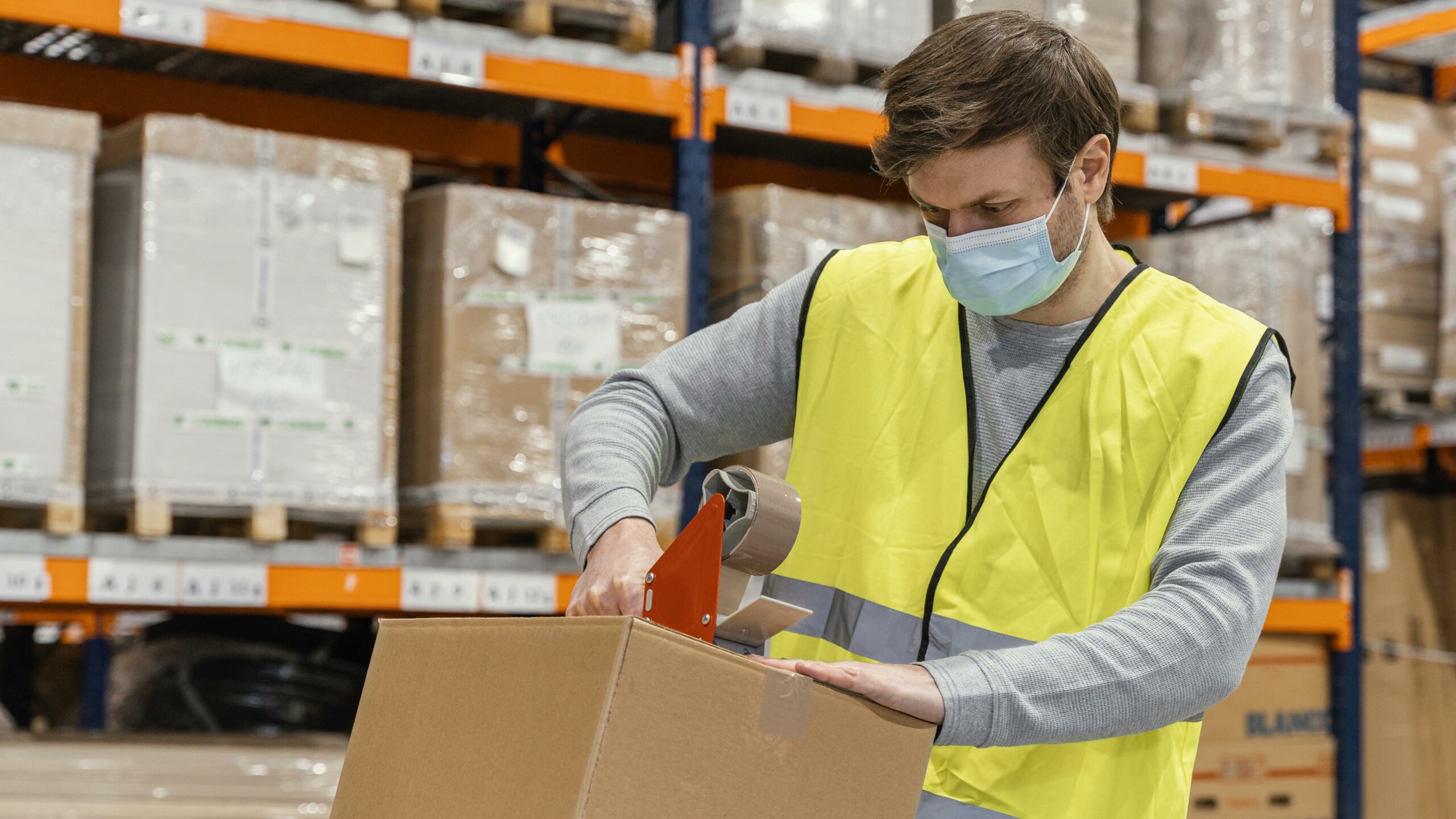
For logistics to be efficient from start to finish, it is essential that the flow of data and information is constant and very well controlled. Therefore, it is worth investing in logistics management software.
Tecnotri’s MES (Manufacturing Execution System) software, developed by Holma Software, brings features that allow product configuration, cost management, control of product batches, manufacturing orders, planning/scheduling of production resources (machines, labor), planning of material needs, production tracking (setup, production, stops, scrap), control of machine maintenance, among others.
Understand the importance of management combined with technology
Food safety in the food industry requires extra care in management. All phases of the production process, including relationships with suppliers and analysis of raw materials, deserve attention.
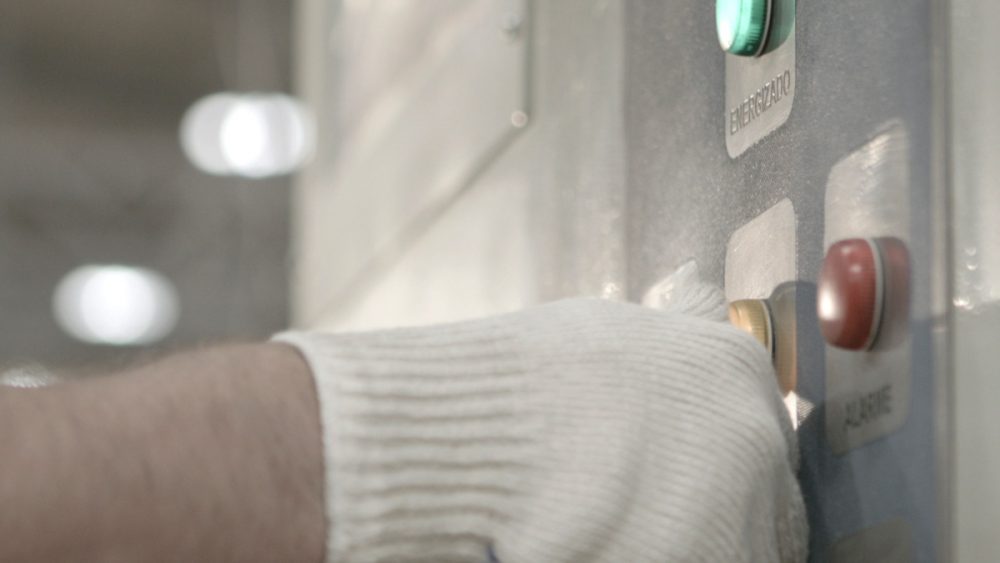
The data collection tools currently available enable more effective control of the production process and provide important insights into food quality and safety. With this ease of access to information, managers can make faster and more effective decisions.
Data analysis allows you to better qualify suppliers, control production lines, and predict trends. With tools like Analytics, it is possible to be much more assertive in food safety management.
Learn about blockchain technology
Blockchain technology can be fundamental to improving traceability levels and ensuring greater security for food production, distribution and storage processes.
It is an informational layer that connects systems, processes and people, forming a shared environment, capable of recording the entire history of asset movements in a secure, auditable and fraud-proof manner.
With blockchain, it is possible to automate actions and integrate production processes, reduce the time, risks and costs involved in operations and prevent fraud in the marketing of products.
See the importance of traceability
Food traceability makes it possible to track a product from its production to its arrival at the final consumer. With it, it is also possible to track products and inputs that will be used in food manufacturing, in order to increase the degree of reliability and safety.
The barcode is the most used automation tool for identifying products, contributing to the agility and improvement of processes.
If there is a problem with a product, traceability makes it possible to quickly identify and remove that product from the supply chain, which helps to minimize risks to consumers and limit damage to the brand’s reputation.
As we have seen, companies are increasingly aware of the importance that food quality and safety have for the image and reputation of their brand.
Tecnotri produces a complete line of rotomolded products in compliance with ANVISA Good Manufacturing Practices (GMP) specifications and ISO 22,000 certification, helping to assist in logistics and storage of materials and guarantee the hygiene and quality of products.
new RDStationForms(‘talk-to-a-consultant-containers-62def4b237783d92bc76-html’, ‘UA-47968214-1’).createForm();