When we talk about logistics in slaughterhouses, it is easy to imagine how big the obstacles are during the storage and transport of products such as meat, fish, chicken and frozen foods in general.
More than meeting strict deadlines, operating in a country without good infrastructure and dealing with the complexity involved in handling perishable products, the very rigor of the standards established by ANVISA, MAPA (SIF), BPF and MT represent challenges that require focus and extreme knowledge from managers.
Below, discover the main precautions and practices to adopt in the segment, the most important items for logistics in slaughterhouses and the main technological advances in the sector.
What are the best logistics practices in slaughterhouses?
In addition to the rules required by the National Health Surveillance Agency and MAPA, which we mentioned in the introduction, there are also other specific legal requirements for logistics in slaughterhouses, which may vary according to the requirements of national and even international standards.
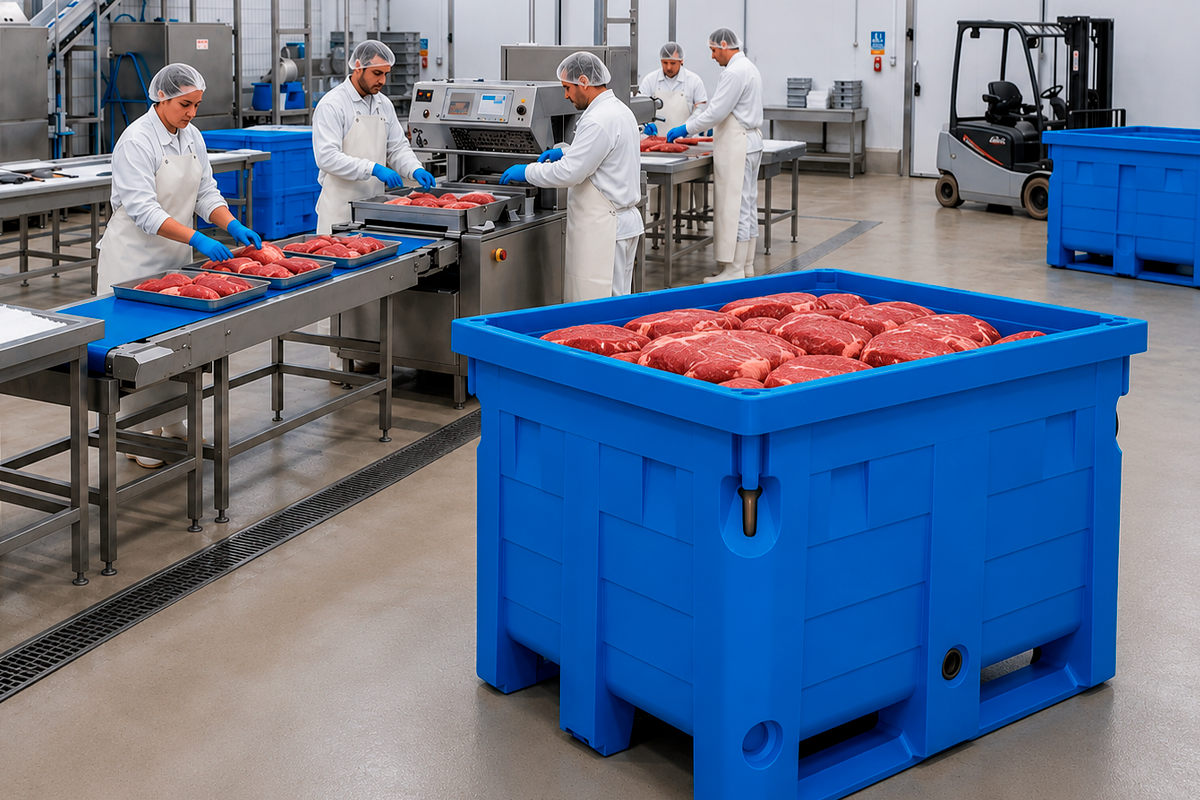
In the product storage and handling stages, refrigeration must be adequate, as well as the respective temperature indicating equipment and handling items capable of operating in this type of environment.
Before transport, the isolated areas for preserving the merchandise must already be determined, as well as the period in which each item will remain inside the vehicle, which must be as short as possible.

Among the main recommendations for logistics in slaughterhouses, we highlight:
- Temperature between -35º C and 4º C, in order to preserve the sensorial characteristics of the meat and avoid pathogens;
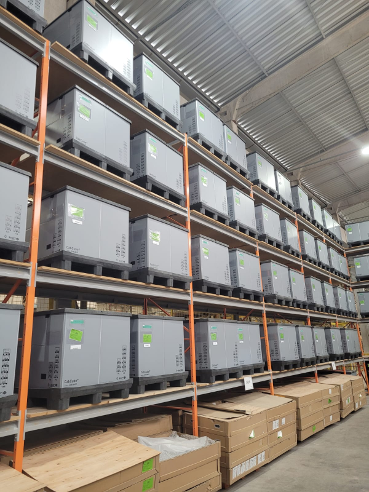
- Properly ventilated, clean and dry storage environments;
- Distance of at least 10 cm between the food and walls or glass;
- Correct maintenance of pest controls in order to avoid rats and insects;
- Materials that are easy to clean and without porous characteristics;
- Daily cleaning and maintenance routines, whether on equipment, doors, showcases, floors and facilities in general;
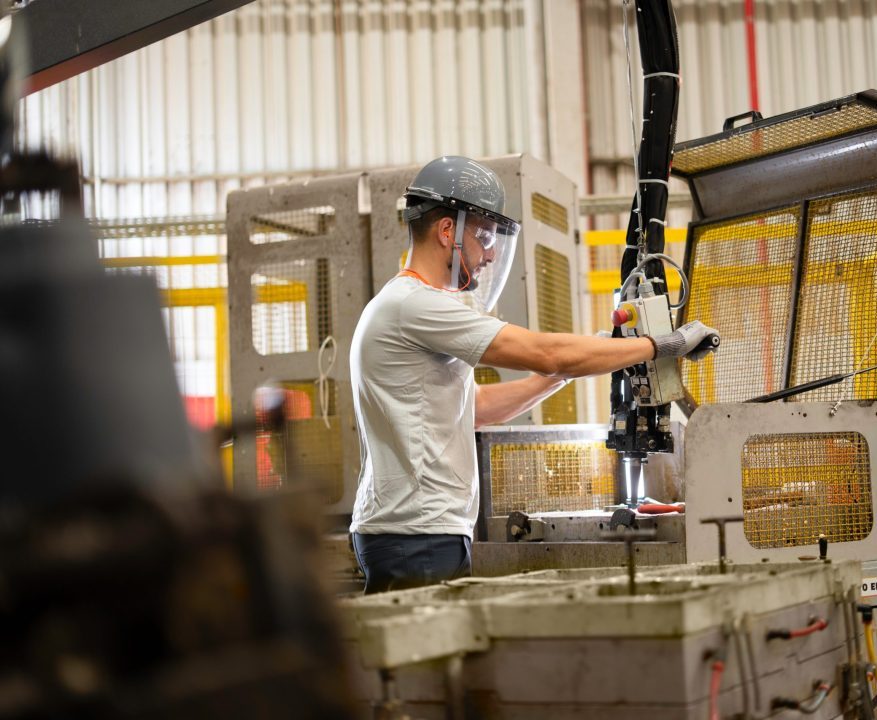
- Use of caps, plastic gloves, white clothes and other safety items.
- More than ensuring adequate accommodation and temperature according to the characteristics of each product, make sure that your team is trained and properly prepared for its correct handling.
In the next item, find out what are the main investments in equipment that need to be made by a company that wants to operate with excellence in logistics in slaughterhouses.
What are the most important items and equipment in the sector?
In addition to the aforementioned personal protective equipment, temperature indicators and equipment for handling cargo, other items are essential for logistics in slaughterhouses to meet all standards required by the market.
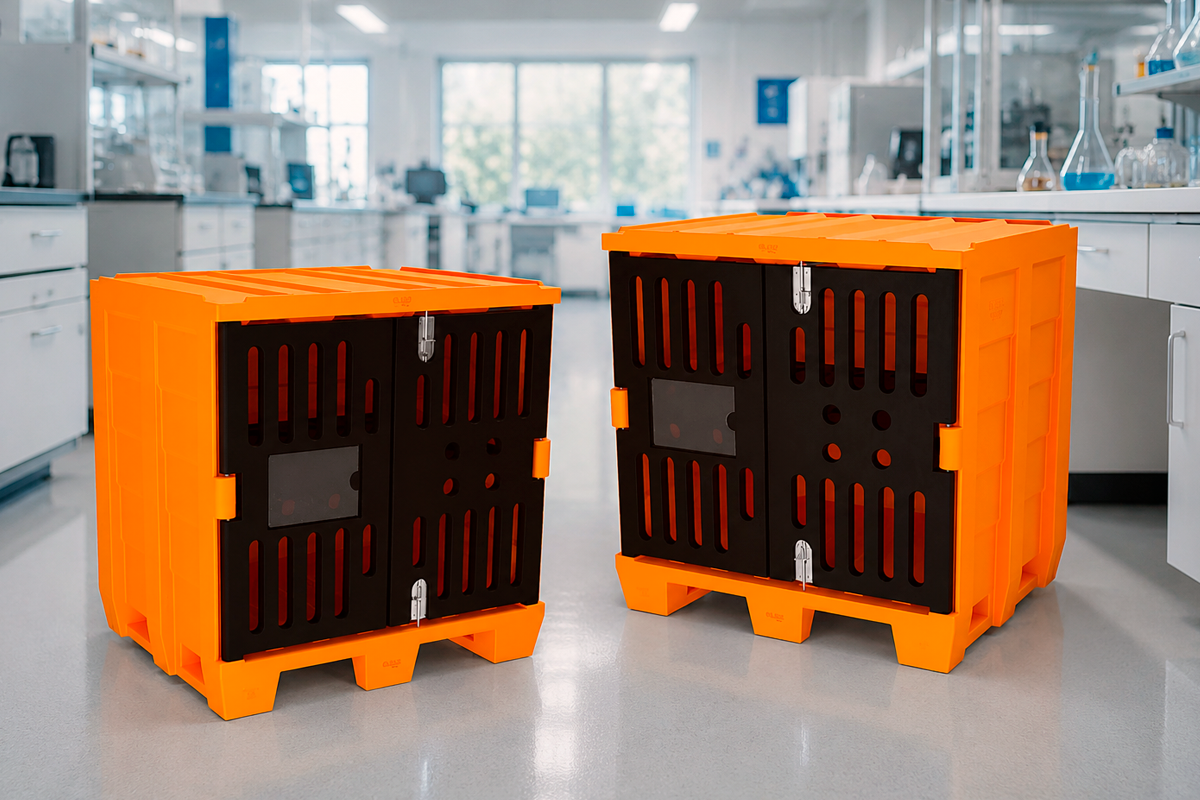
Without cargo safes, for example, it would be impossible to even consider long-distance operations, as they are what guarantee the ideal temperature during transport inside vehicles.
In the same sense, the technology used in thermal insulation walls is also fundamental, as are eutectic plates, which consist of steel sheets with the function of reducing the ambient temperature to the freezing level.
Respecting the conservation and humidity standards required for logistics in slaughterhouses, plastic pallets are also increasingly common in this sector, replacing the old wooden models, which are extremely contraindicated for storing frozen or refrigerated foods.
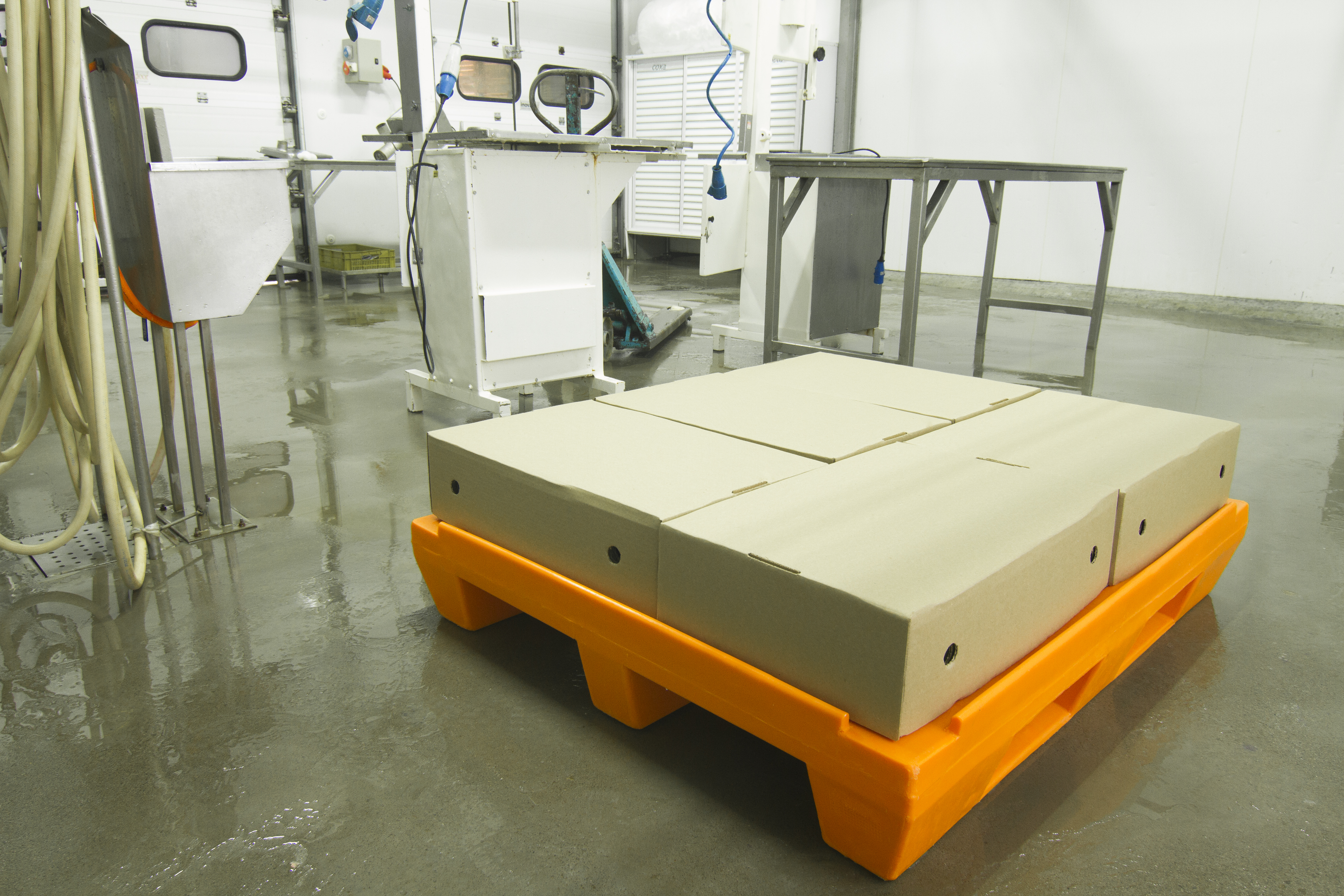
Just like this new concept in pallets, several other innovations are marking the food market and bringing new possibilities for action in the face of the challenges imposed by its peculiarities.
How does technology influence logistics in slaughterhouses?
Far beyond the basic components just mentioned in the previous item, new technologies are also increasingly dictating quality and competitiveness standards in the segment.
From options for automation of storage processes, to the possibility of managing team activities and detecting detailed failures for possible corrections through systems, technological advances are directly linked to the productive and logistical capacity of companies.
In a few words, to master strategic storage in the food industry, it is not enough to just follow the imposed standards and train your employees, but you also need to pay constant attention to new possibilities capable of optimizing and adding even more security to your processes!