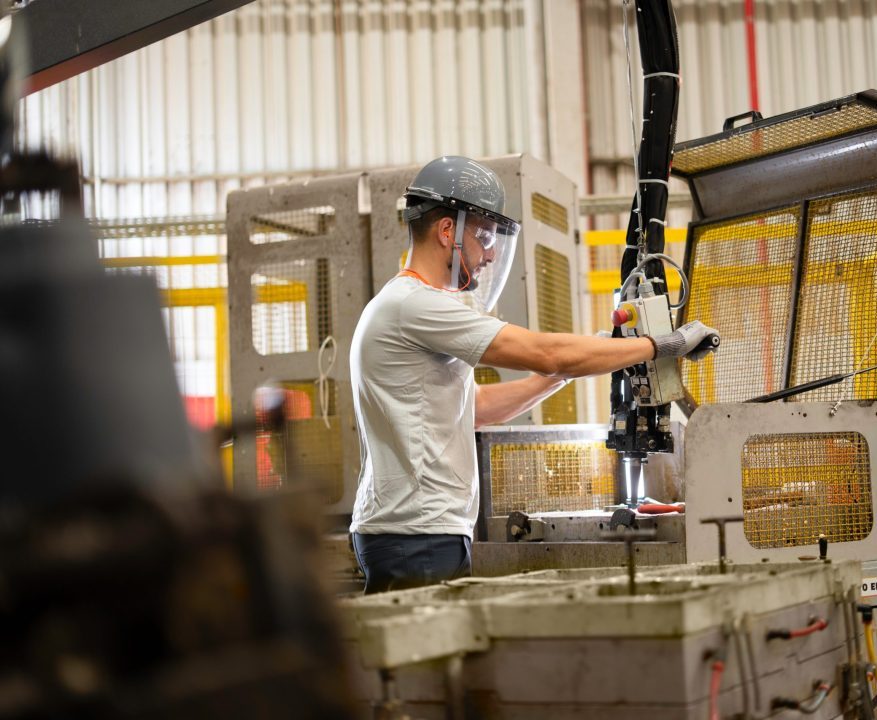
Focusing on science and innovation, the pharmaceutical industry requires a high level of services and logistical performance so that a company can stand out in the market.
The Brazilian pharmaceutical industry has experienced constant growth in recent years. Medicine sales had an increase of 11.5% in revenue in 2017 and are expected to expansion around 8% in 2018, according to the Pharmaceutical Products Industry Union in the State of São Paulo (Sindusfarma).
To meet growing demand and increase profit margins, companies need to improve efficiency across the entire supply chain.
Know the requirements of the logistics sector
Companies need to always pay attention to logistics and invest in infrastructure, such as cold rooms and air conditioning, have warehouse management systems and properly train their staff to handle medicines.
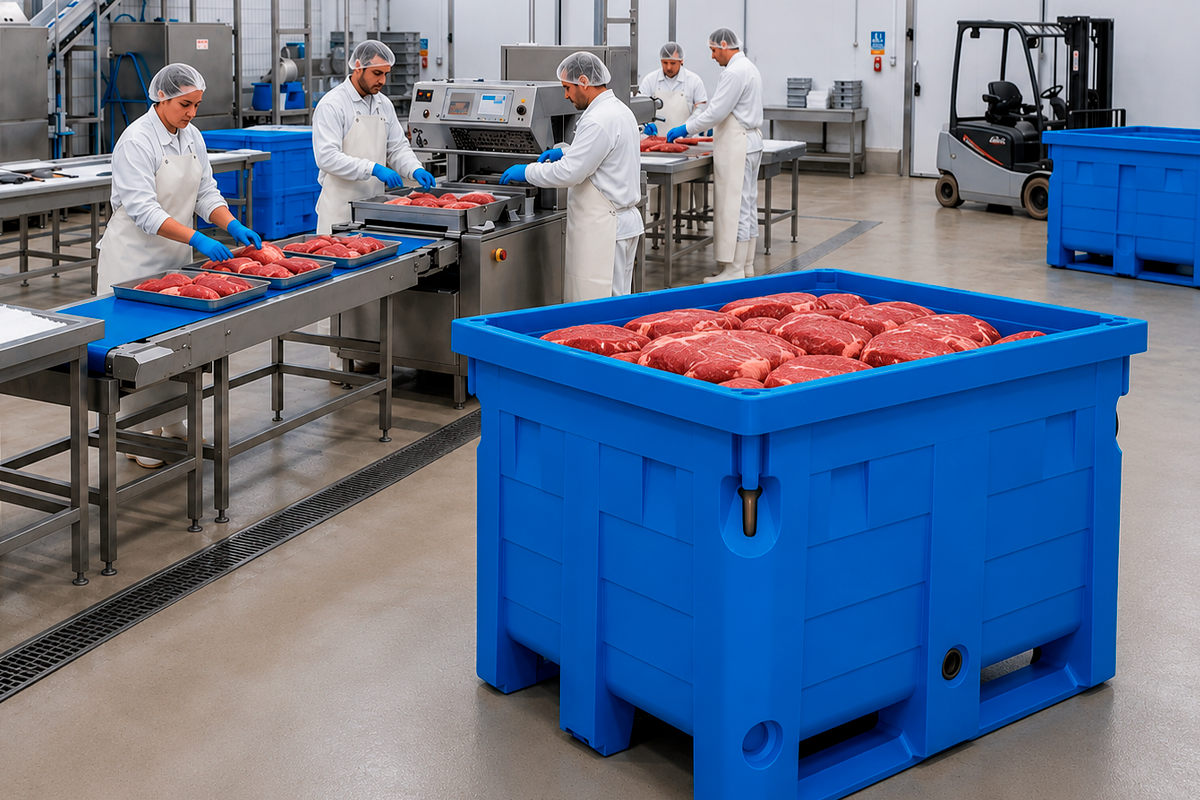
Facilities must offer adequate conditions for operations, in order to minimize the risk of errors, enable cleaning and maintenance, and thus avoid cross-contamination, the accumulation of dust and dirt or any adverse effect that could affect the quality of the products.
Poor transport and storage conditions can harm products, due to the influence of external factors, such as light, heat, humidity and contact with contaminants.
Storage areas must be clean, dry and maintained at temperatures compatible with the materials stored. Humidity and temperature monitoring and recording must be carried out when necessary.
Good Manufacturing Practices (GMP), recommended by RDC 17/10, ensure that products from manufacturing industries, such as pharmaceuticals, are produced with quality standards. appropriate.
The importance of choosing the right type of pallet
The choice of pallet to be used in production, transport and storage can make all the difference in the results of operations.
The pallet needs to be strong enough to support large volumes of cargo and, at the same time, be light enough so that it can be manipulated without harming the health of workers. The maximum weight limit of 18 kilos per pallet must be respected. Because it is light and resistant, plastic pallets are the most suitable for the pharmaceutical industry.
Aluminum or stainless steel pallets are heavier, making transportation and handling difficult. Furthermore, these pallets tend to damage the floor and walls of the factory, leading to the accumulation of dust and facilitating the presence of microorganisms, such as fungi and bacteria.
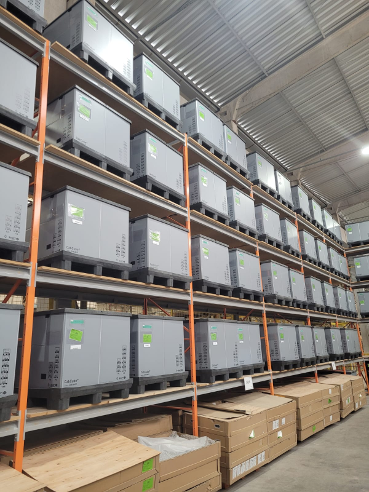
The plastic pallet has one of the advantages of being stackable, thus allowing it to be stored on shelves and reducing the space used. This feature also facilitates reverse logistics, already quite common in the automotive industry. For example, five trailers can transport products on pallets on the way out and then a single trailer can bring all the pallets back.
Pay attention to cleaning and sanitation
rotomolded pallets also have a fundamental advantage, which is that they are easy to clean and sanitize. In the pharmaceutical sector, hygiene and sanitary control are very important. Rotomolded pallets have rounded corners, no edges and are easy to clean.
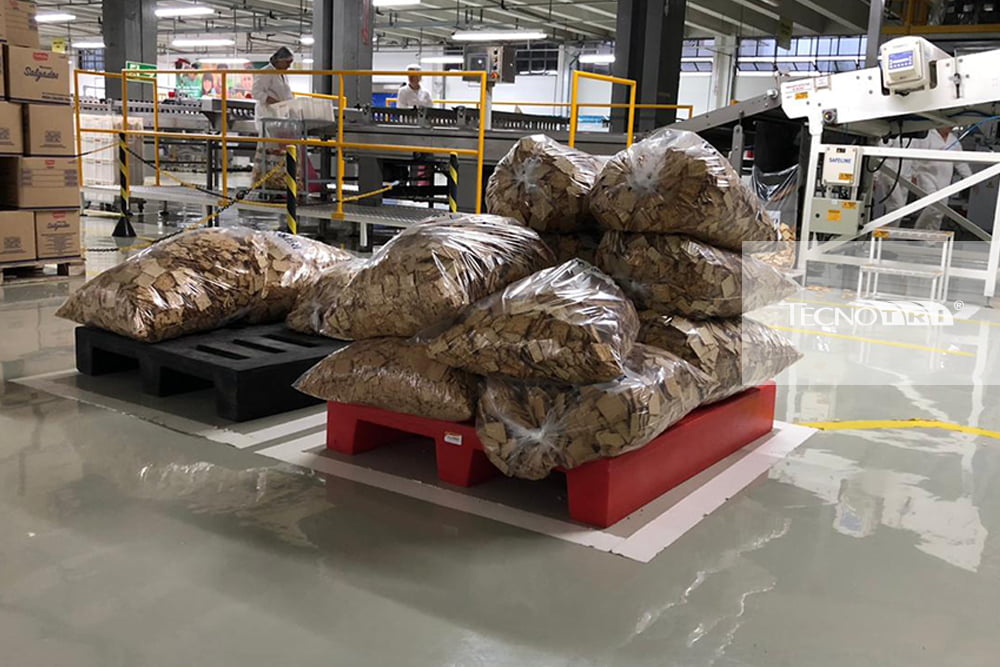
As it is made from sanitizable and non-toxic material, easy to wash and handle, the plastic pallet can prevent contamination. The product also receives antimicrobial protection, which prevents the proliferation of fungi and bacteria.
In addition, rotomolded pallets do not have sharp corners, nails or splinters, which can hurt the hands of the people involved, like wooden pallets, which also have the inconvenience of being porous, which facilitates the emergence of microorganisms.
Use pallets designed to meet your needs
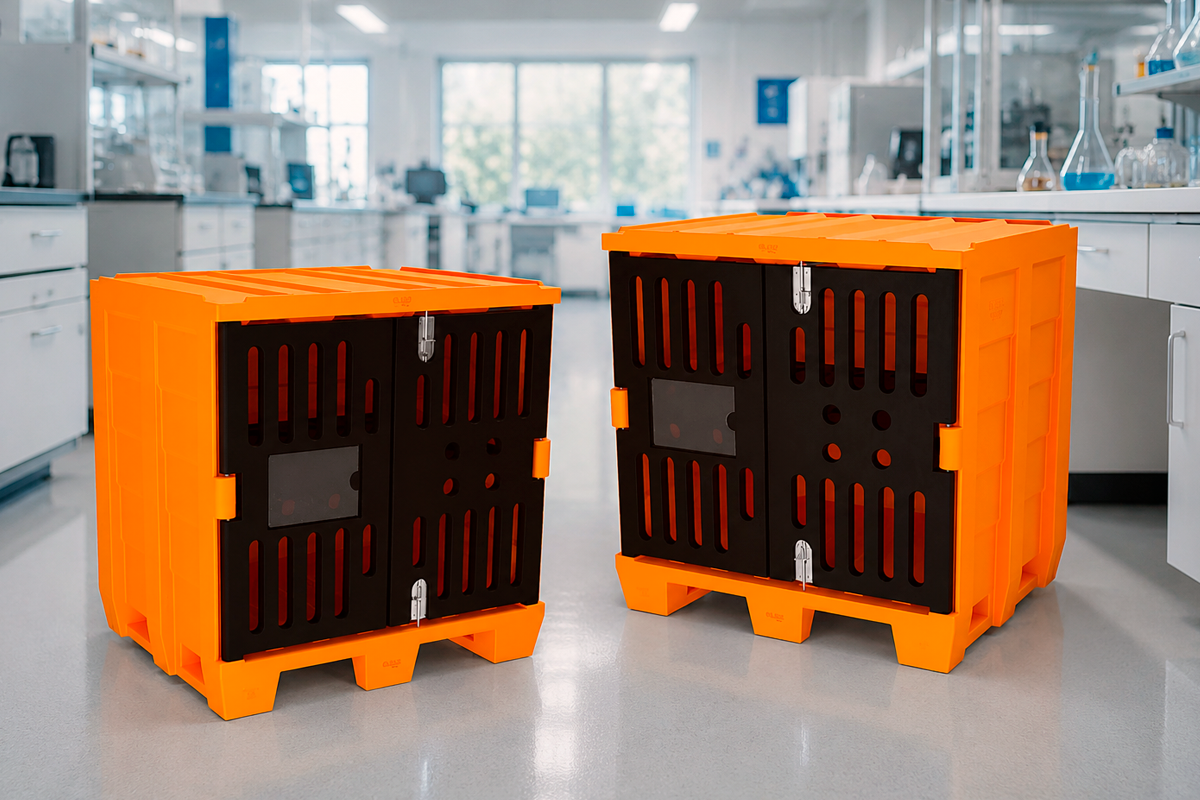
The rotomolded pallet also has the advantage of enabling customization. If the customer needs at least 200 pieces, it is possible for the pallet to be manufactured especially for them at an affordable price. Some rotomolded plastic pallet models available on the market were developed especially to meet the needs of the pharmaceutical industry.
In addition, customization allows you to prepare the pallet to be used in automation. It can be produced to be transported on conveyors and read by sensors, for example.
Another difference is the issue of concern for the environment. While wooden pallets have an average useful life of two to three years, plastic pallets serve critical operations for more than 10 years, maintaining their main characteristics unchanged. Furthermore, this material can be 100% reprocessed, using the same raw material, and can therefore be replaced for a lower value than the initial cost.
Avoid chemical accidents
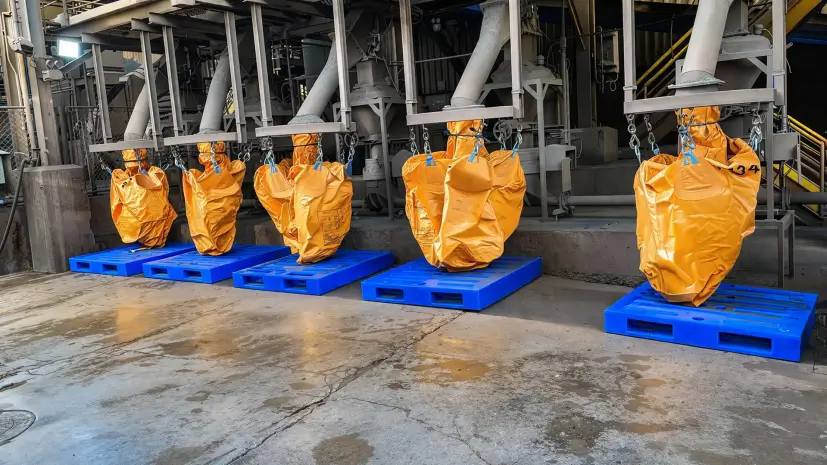
Developed to meet the needs of the pharmaceutical industry, the containment pallet helps prevent the leakage of chemical, flammable, acidic and corrosive liquids stored in drums and drums. Furthermore, it allows any spilled liquid to be reused – it is capable of containing up to 100 liters of spilled liquid.
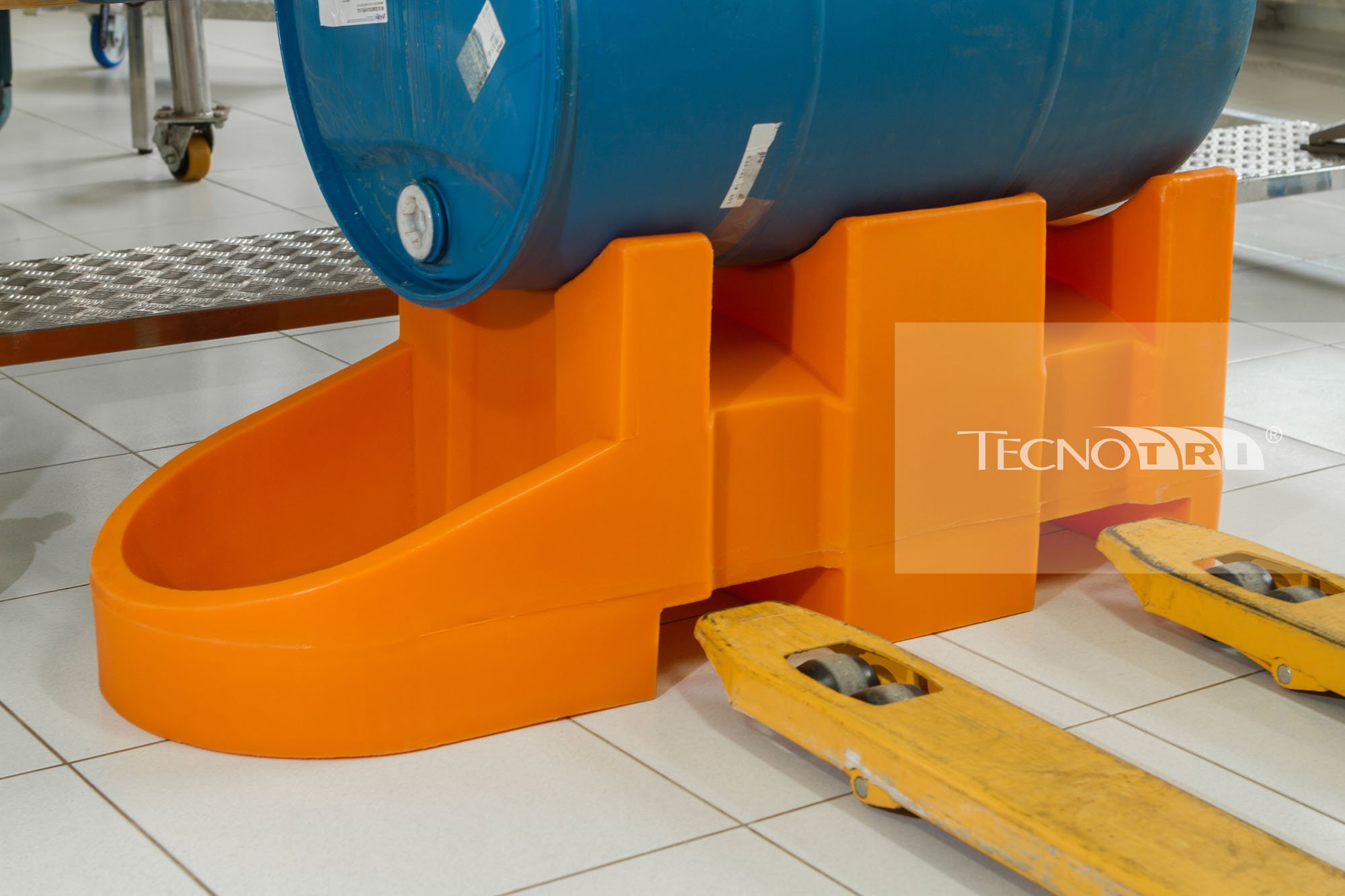
Light, non-toxic, easy to disassemble and sanitize, the Tecnotri rotomolded containment pallet is easy to transport and can be handled with forklifts or pallet trucks. Furthermore, it has a reversible face (grid), which can accommodate drums on one side and packages of different sizes on the other.
As we have seen, care with logistics and the use of plastic pallets can bring much more efficiency to the pharmaceutical industry and contribute to increasing operational safety and profit margins.
Do you want to know more about how to make your logistics more efficient and the advantages of plastic pallets? Access the article How to apply ergonomics in logistics and avoid RSI