Inventory management is one of the fundamental areas for the smooth functioning of companies. The organization and proper movement of products within warehouses allows for greater control of goods, increased agility in operations and better logistical planning.
Learn how to control stock
Maintaining adequate inventory control is a way to ensure that all customer orders will be met. Control of goods issues must guarantee the minimum stock necessary to meet demand. The manager needs to be aware of all existing items, the quantity and values maintained, and check them periodically.
For efficient inventory management, the manager must know his audience very well and gather information that helps him analyze how much merchandise he should buy, such as demographics, behavior, purchase frequency and average ticket. Important aspects such as seasonality, economic factors, climate factors and being prepared for unforeseen events must also be considered.
To carry out adequate control, the manager must keep detailed notes on all stored items, such as the date of acquisition of the goods; the supplier; the value of each item; the expiration date; the quantity of stored goods; stock turnover; the delivery of goods; the stock inventory.
Use good inventory management practices
For efficient inventory management, the manager must analyze performance indicators, such as inventory turnover, production and delivery performance, among other indexes. To have this data available, he needs to carefully document the entry and exit of articles produced and carry out periodic inventories.
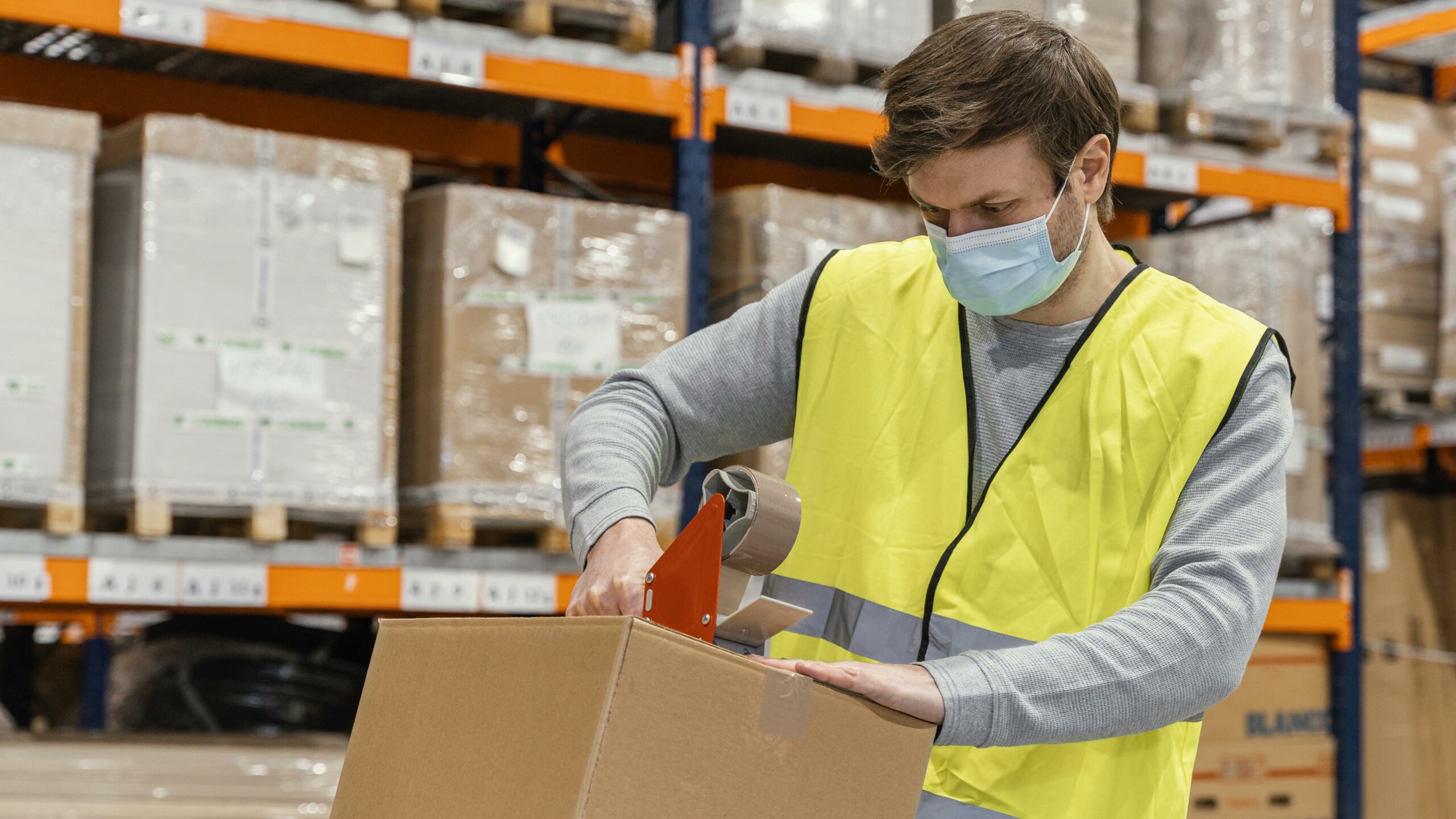
Inventory must be updated frequently to prevent failures and ensure a good flow of goods. Using a barcode makes it easier to search for items in the management system. Strict stock control prevents losing control of the products sold and causing lost sales.
A good inventory management practice is to use average inventory, that is, calculating the necessary quantity of items to correctly meet all customer requests. With it, it is possible to guarantee a good stock turnover, that is, the number of times, during a period, that the stock was renewed. To do this, the following formula is used:
Inventory turnover = value consumed in the period ÷ average stock value in the period
New technologies have greatly helped managers’ work in analyzing the large amount of information. Using a computerized management system makes it easier to enter data about goods. With it, it is possible to automatically write off product entries and exits and unify all information. This way, the manager can maintain control of all items, gain agility in operations and maintain inventory more easily.
See how palletization helps control inventory
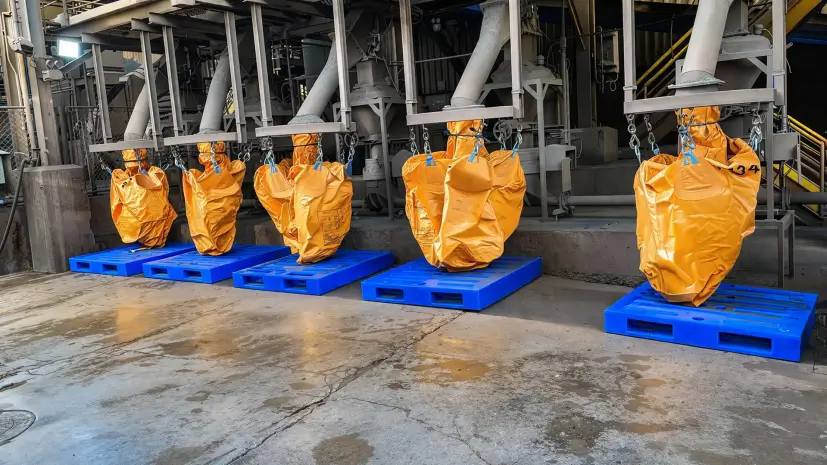
After implementing the inventory organization, the manager must define clear rules for moving goods and speeding up the delivery of orders. One of the main items used in this organization are pallets, unitizing fractional loads.
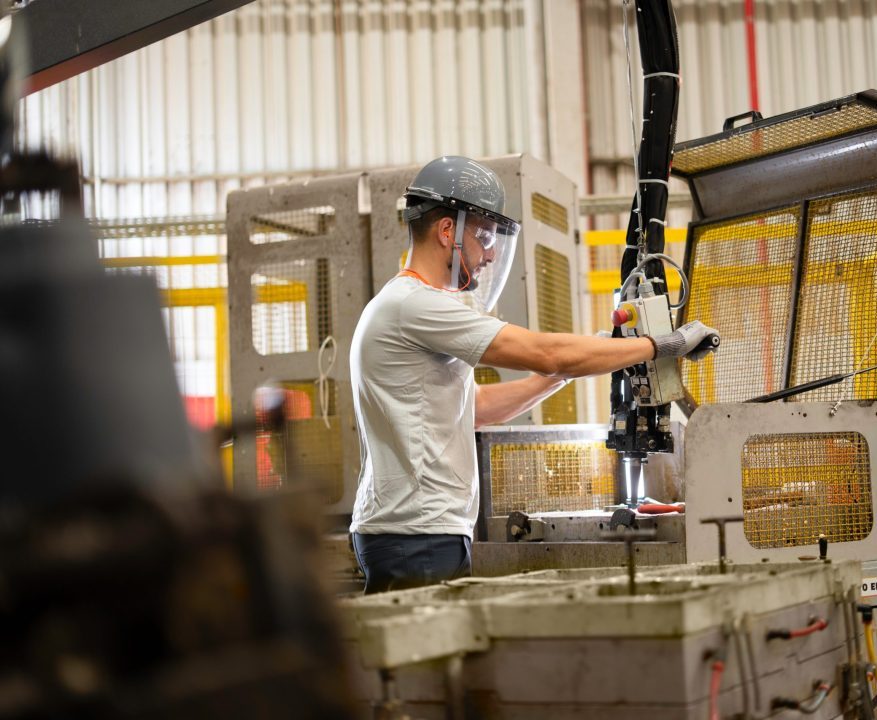
Pallets also provide greater security for handling operations. Carrying heavy goods can require great physical effort from your employees and cause harm to their physical health. Therefore, it is important to be aware of work ergonomic issues which, if not well structured, can cause a lot of harm.
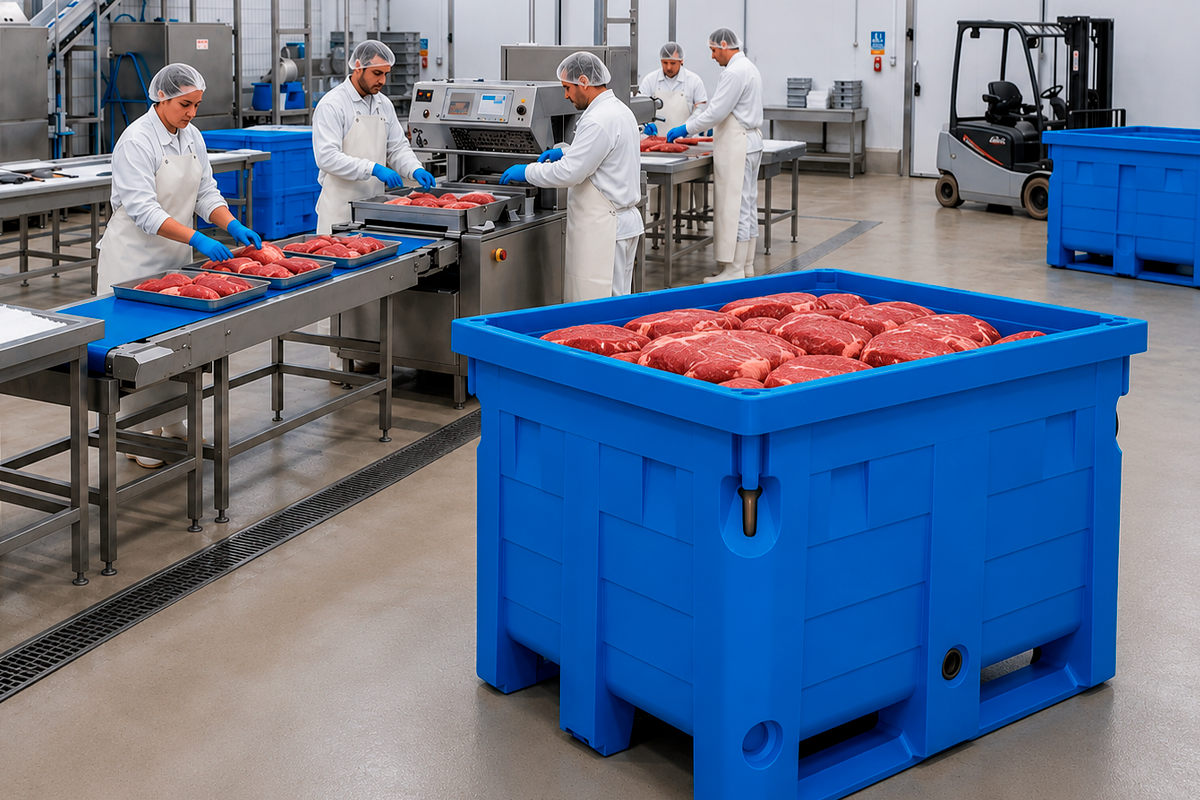
The manager must be careful when choosing the type of pallet and look for the one that best suits his or her needs. For food production, for example, it is advisable to use plastic pallets, which are better suited to the refrigerated environment and are easier to clean and sanitize.
Discover the benefits of palletization
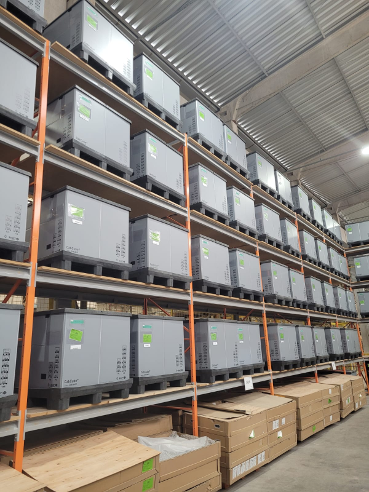
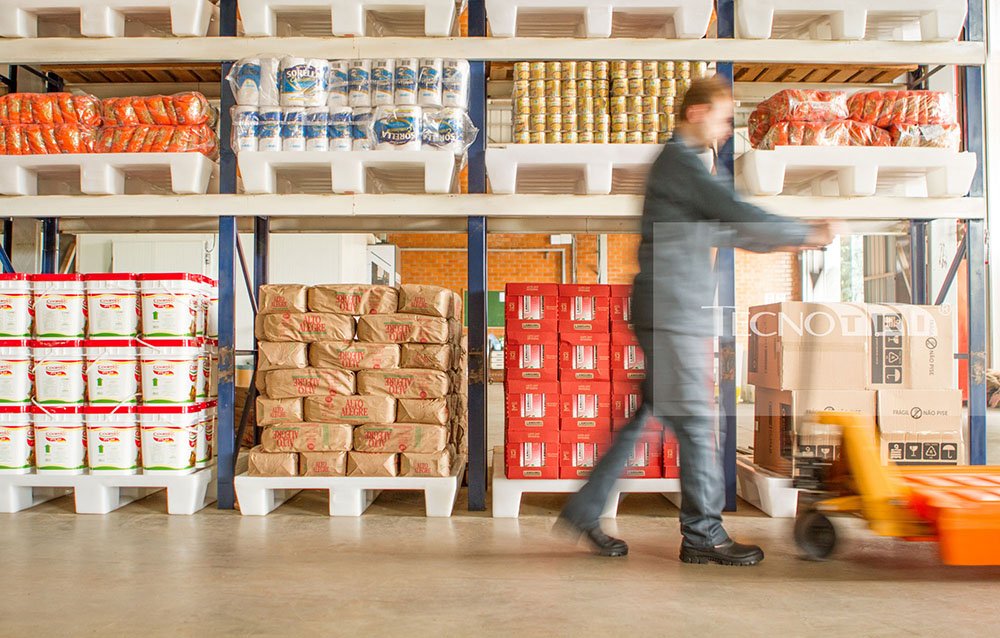
Palletization is a way of storing products from your stock using pallets. It allows you to arrange products in an organized and vertical manner in your warehouse, optimizing physical space, facilitating logistics and the movement of goods.
Stock palletization benefits the organization and distribution of goods in the distribution center. To carry out palletizing, specific machines are used to stack pallets, such as pallet trucks. This way, the manager has more control over the products stored in stock and makes it easier to make them available to their customers.
Have more security and agility in storage
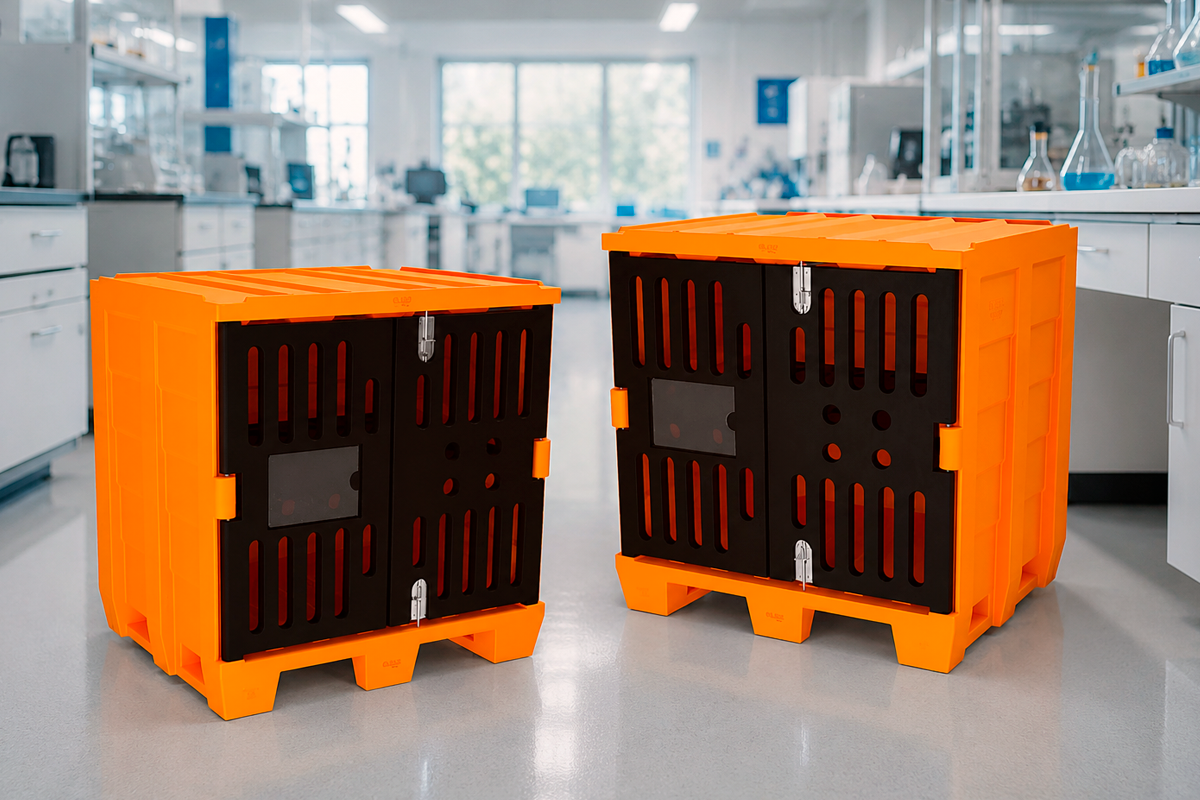
Light and easy to transport, rotomolded pallets have flaps that help transport and store food, preventing boxes from sliding on the pallets.
Another advantage of the plastic pallet is its load capacity, as it is capable of supporting large weights. Extremely robust, these products allow boxes to be stacked. Furthermore, as they are monoblocks, they do not have seams, nails or welds, which helps to avoid accidents and bring greater safety to operations.
Plastic pallets are also easy to clean and sanitize, which prevents the proliferation of microorganisms and bacteria. Unlike wooden pallets, plastic pallets are not porous and do not absorb moisture, which helps to avoid contamination.
Furthermore, the plastic pallet has antimicrobial protection, which prevents the proliferation of fungi and bacteria and allows direct contact with food.
As you can see, palletization can bring a series of benefits to your company, improving your processes and enhancing your results, in a reliable and safe operation.