The food industry is always looking for new solutions that guarantee the appropriate packaging of its products. These solutions must ensure the quality of food at all stages of transportation and storage, from its origin to its final destination.
With the aim of delivering to the customer a quality product in perfect condition, Frigorifico Charque, from the JBS group, the largest animal protein processing company in the world, uses rotomolded plastic containers in its food production and transport processes, thus ensuring greater safety and hygiene for its products.
But do you know what the production process of a refrigerator is like? What are the advantages of using rotomolded plastic containers in the food industry? See below for the answers to these and other questions.
Learn about the refrigerator production process
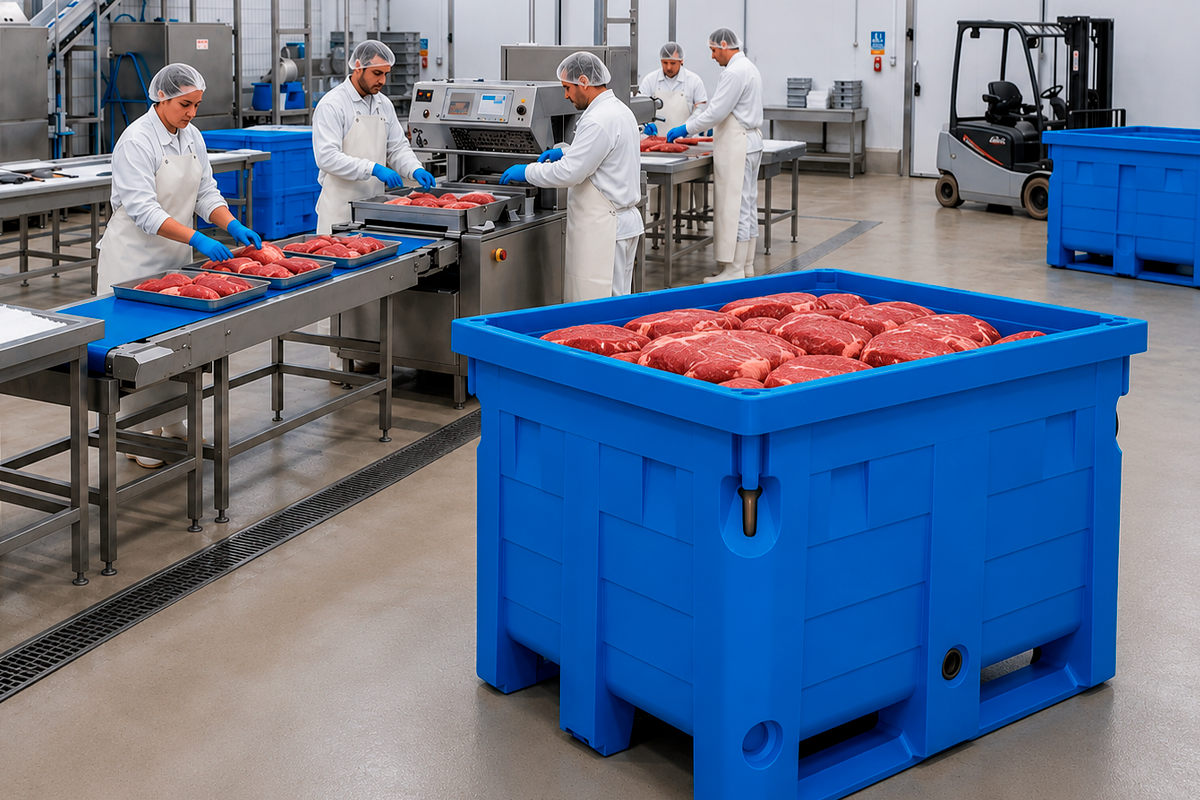
Located in Santana do Parnaíba (SP), Frigorifico Charque produces around 80 tons of beef jerky per day. Its production process is divided into four stages: boning, salting, drying and packaging. In the boning process, the meat arrives in batches of 28 tons, transported by containers on a trailer. The meat arrives in bulk.
Boning is done on benches and then the boned meat is placed on a conveyor belt and sent to salting. When salting, the meat receives an injection of brine and then a salt crust. It then rests for a week on stainless steel shelves.
After salting, the meat is sent to a bath to remove excess salt. After eight hours of sun, the meat is placed on stones to rest for another eight hours. At this stage, 320 l Tecnotri rotomolded containers are used for small meat scraps. Once the clothesline process is complete, the meat is taken to the packaging sector.
Learn about the advantages of using plastic containers in refrigerators
The use of these rotomolded plastic containers in the transport and production processes of the refrigerator brings many advantages, as they are easy to handle and sanitize, therefore ideal for direct contact with food.
Tecnotri rotomolded plastic containers have a UV14 additive and antimicrobial protection, which prevents the proliferation of fungi and bacteria and allows direct contact with fresh food and virgin material. All of this guarantees greater hygiene and quality in the food sector, avoiding the risk of contamination. Therefore, these containers meet Anvisa’s good manufacturing practice standards.
See how rotomolded containers help with food storage
- Containers made from rotomolded plastic have:
- high strength, durability and long service life.
- Due to their high density, they are resistant to freezing and can be used in cold rooms and in environments with temperatures between -35ºC and 60ºC.
- they are very resistant,
- 100% recyclable and non-toxic.
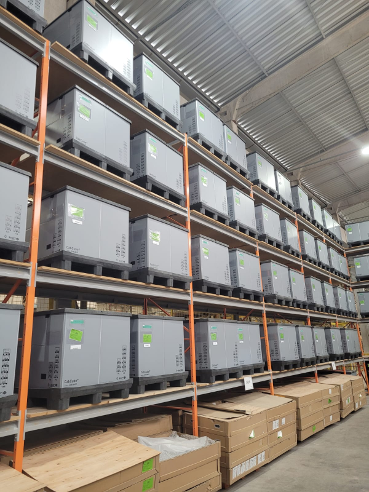
- makes it possible to stack boxes.
- Monoblocks, without seams, nails or welds. Therefore, they provide greater safety for operations, reducing work accidents.
As we have seen, rotomolded plastic containers are ideal for use in transport and production processes in refrigerators and in the food industry in general, among other sectors. Using suitable containers, you will be able to improve your processes, reduce costs and expand safety and hygiene guarantees in your production and transport processes.
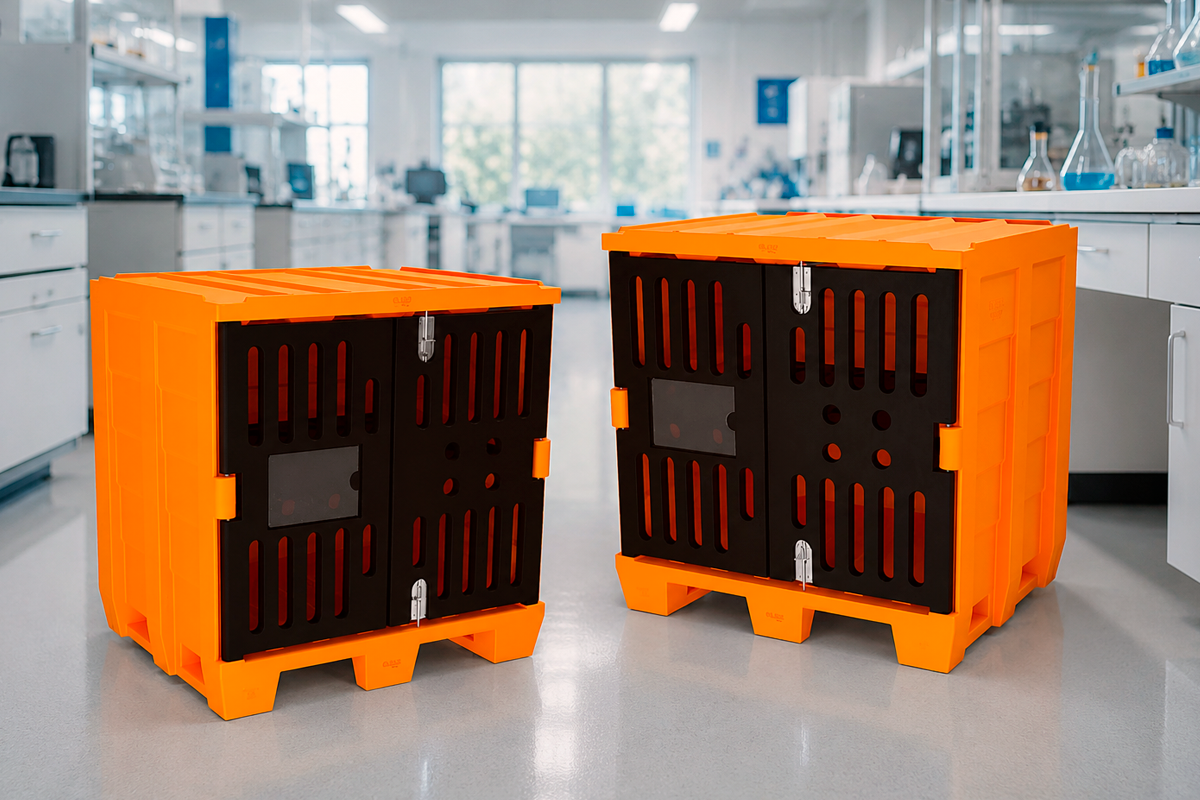
Companies such as Tecnotri, a specialist in rotomolded products for the food sector, offer different models of rotomolded plastic boxes and containers. With a 10-year warranty, in versions from 39 to 650 liters, with load capacities ranging from 30 kg to 1000 kg and manufactured in different colors.

Did you like this article? Do you want to know more about the advantages of using plastic containers and pallets to transport and store products? Access our content Boxes and Containers. Practicality That Makes the Difference.