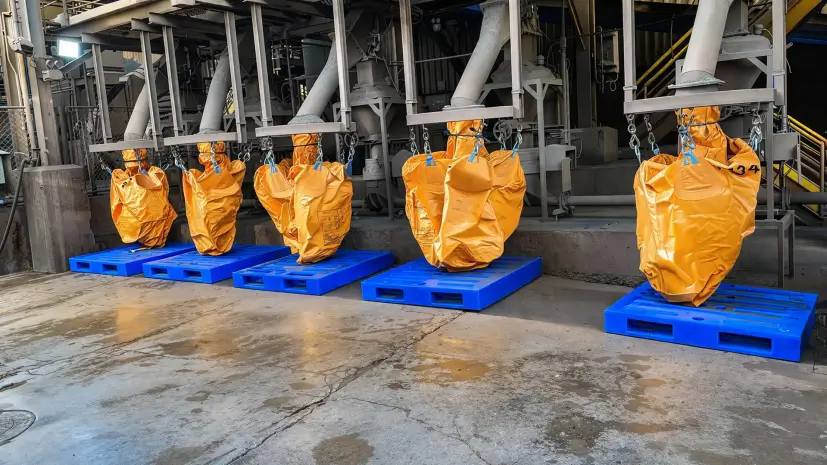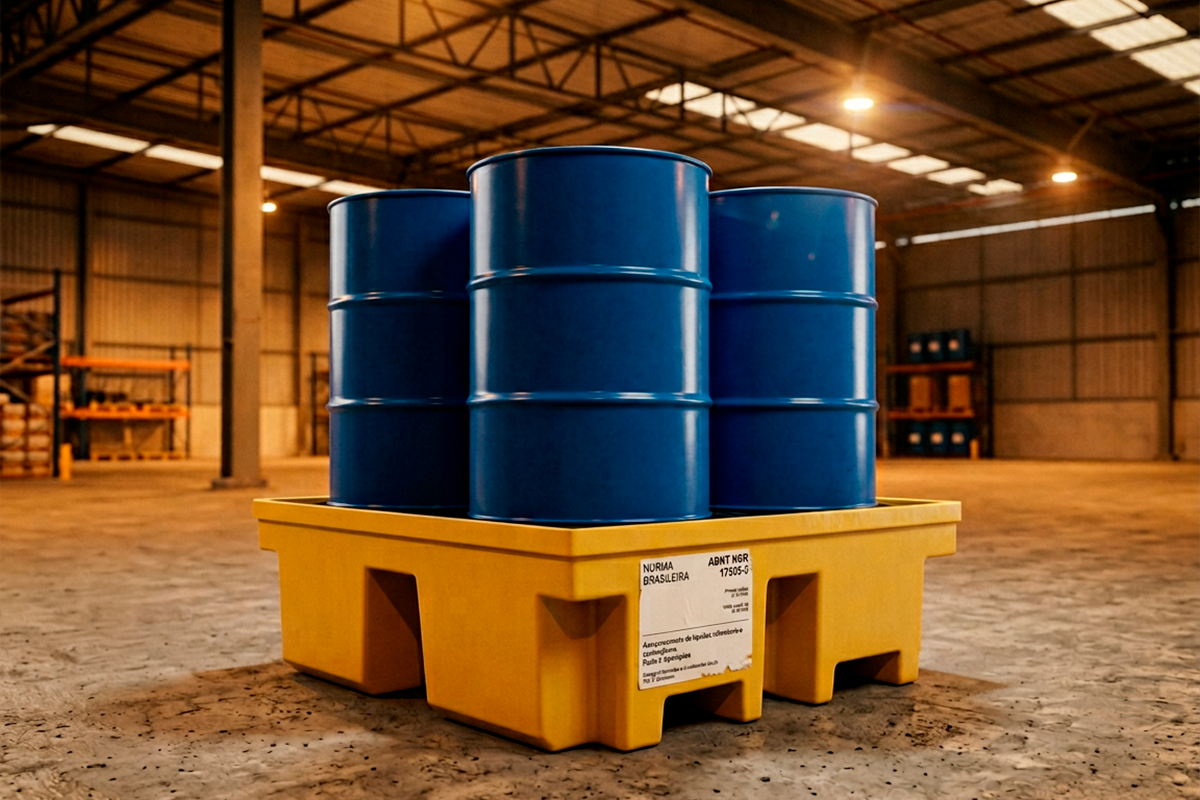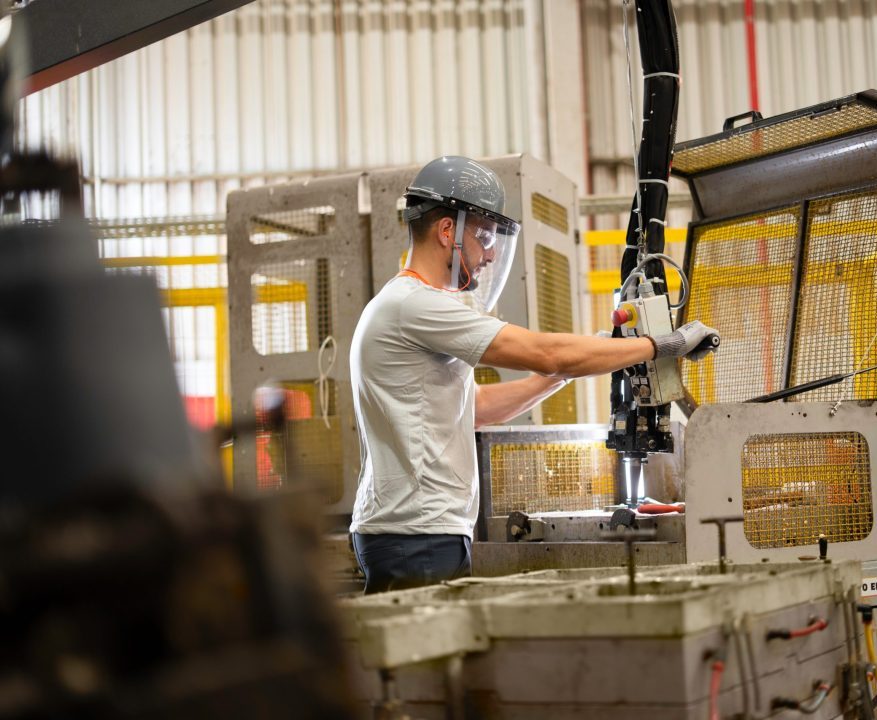
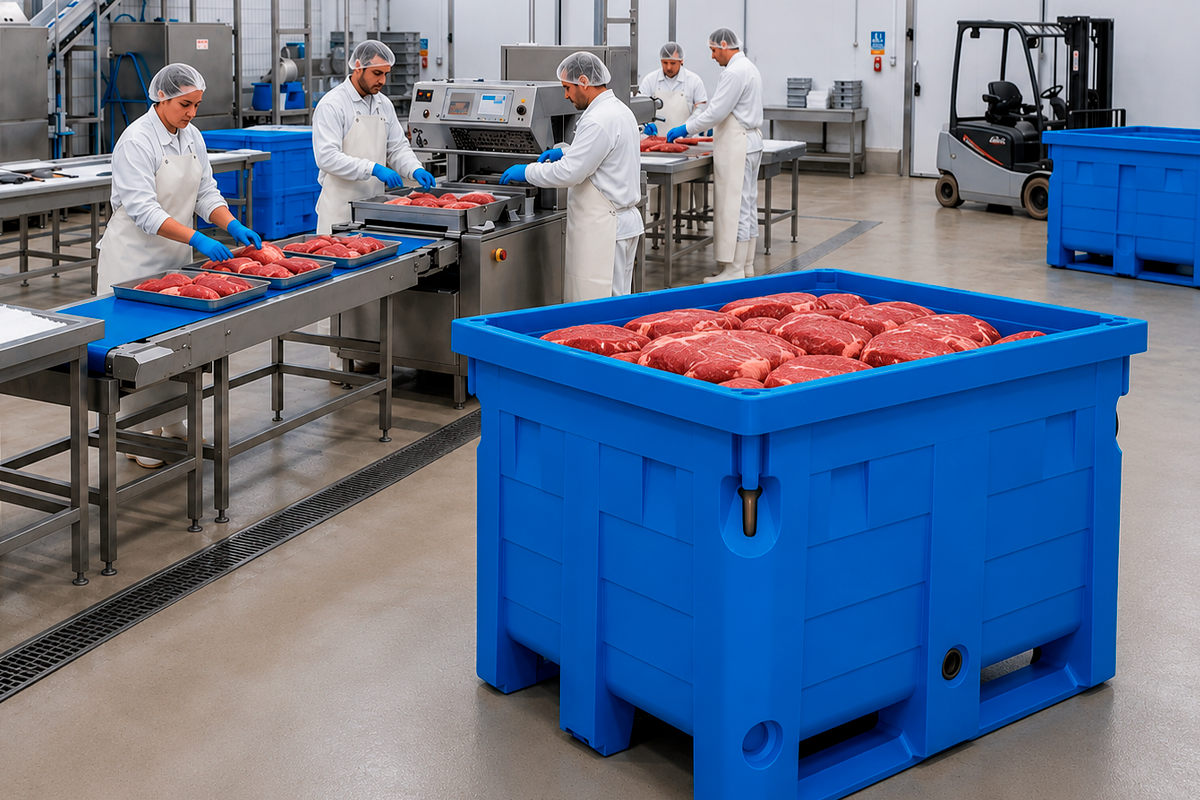
The manufacturing environment faces daily challenges that go far beyond productivity. When dealing with sectors that process inputs intended for human consumption, there is zero room for operational failure, requiring strict control over every surface.
In this scenario, the use of common storage structures can hide risks that are invisible to the naked eye. This is exactly where rotomolded plastic emerges as a game changer for mitigating hidden bottlenecks on the production line.
The invisible risk of contamination in input logistics
Day-to-day operations in a food industry require strict adherence to disinfection protocols. However, many companies still use traditional wooden or injection-molded pallets and containers, ignoring the danger these materials pose on a daily basis.
Small gaps, nails, and seams found in traditional equipment create the perfect setting for the buildup of organic residue. Over time, these hard-to-reach spots promote the growth of harmful fungi and bacteria.
Constant moisture speeds up the deterioration process and makes deep cleaning practically impossible. As a result, finding an alternative that eliminates sanitary blind spots becomes an urgent priority for industrial managers.
Hygiene failures can lead to severe contamination of the final product, affecting entire batches. This type of occurrence ends up causing massive financial losses and seriously damages brand credibility with consumers.
Metal pallets, also known for serving this segment, do not present these problems. However, their weight and cost end up making them impractical for the operation.
The power of rotomolded plastic in protecting inputs
Choosing the right material for handling inputs determines the safety level of the entire manufactured batch. That’s why switching to high-quality, rotomolded pallets completely transforms the dynamics of the industrial plant.
The use of rotomolded plastic offers a series of advantages for daily operations:
- Prevents moisture absorption, eliminating the risk of structural swelling;
- Prevents cross-contamination between batches of different products;
- Does not splinter, protecting operators and the integrity of the inputs;
- Does not corrode even under direct exposure to heavy-duty cleaning chemicals;
- Does not react chemically with food, preserving the original properties of each item.
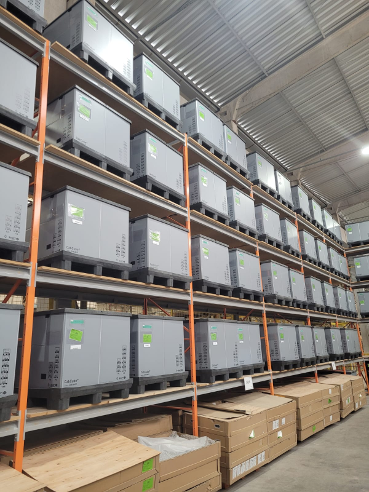
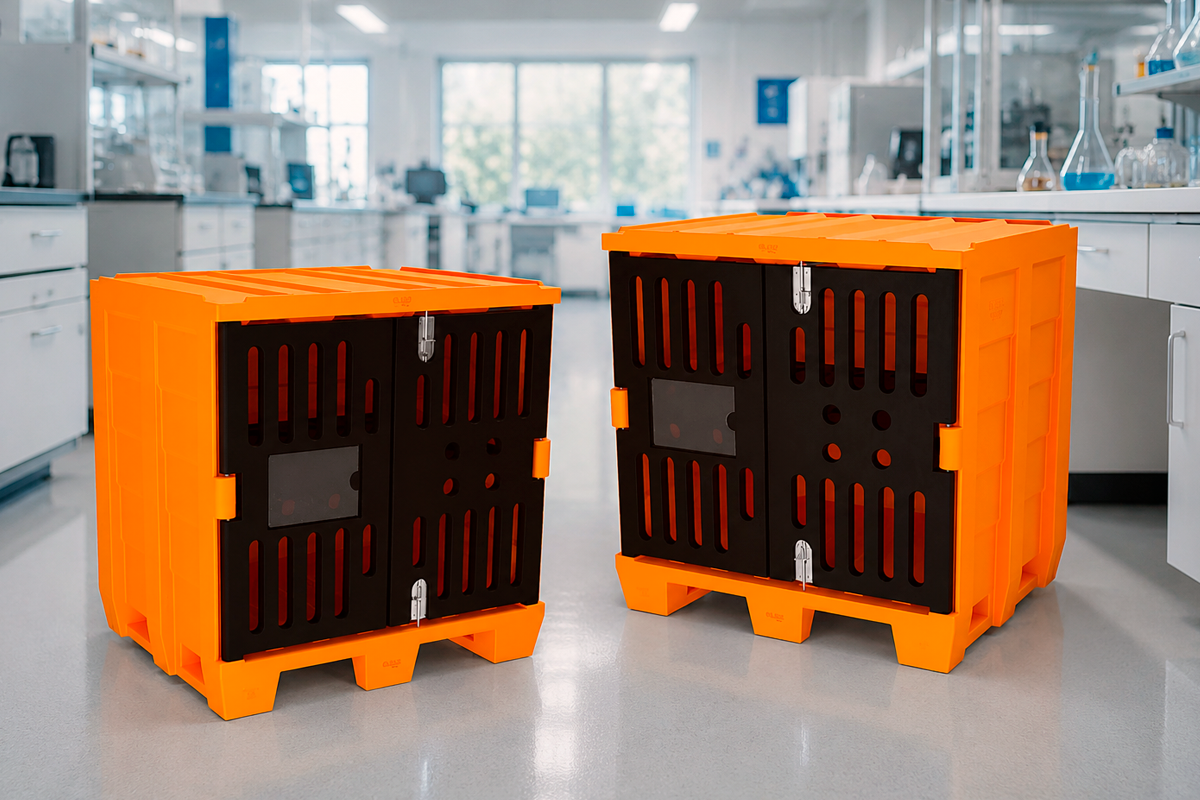
By investing in solutions manufactured through the rotomolding process, such as Tecnotri’s equipment, industries eliminate both physical and chemical risks. The input remains perfectly isolated from external threats, ensuring the technical rigor demanded by today’s market.
In addition to the sanitary aspect, the material’s high durability reduces the need for constant equipment replacement. This represents an excellent return on investment and greater predictability of operating costs.
Monobloc design and the end of contamination blind spots
Equipment engineering plays an important role in speeding up heavy-duty cleaning processes.
Through molding techniques applied to rotomolded plastic, it is possible to manufacture innovative structures under the concept of monobloc design. In other words, the parts are produced in a single step, becoming whole products.
The total absence of welds, seams, joints, or nails eliminates any chance of internal residue buildup within the structures. Rounded corners and smooth internal surfaces also make cleaning easier.
The practical result for the factory floor is optimized time for cleaning teams. Operators spend less time cleaning hard-to-reach corners, speeding up the release cycle of equipment back into production.
Efficiency in the production flow has a positive impact on the overall profitability of the industrial plant.
Sanitary compliance as a lever for the food sector
Meeting the requirements of regulatory bodies should not be seen merely as a legal obligation. In fact, sanitary compliance acts as a seal of reputation and a competitive advantage.
Oversight by bodies such as Anvisa strictly requires the application of Good Manufacturing Practices (GMP). Using suitable bin containers and pallets makes this validation easier and protects the brand from sanctions or heavy fines.
Furthermore, aligning with international standards opens doors for exporting and establishing the brand in new markets. This type of technology ensures adherence to strict global protocols, covering different regulations worldwide:
- HACCP guidelines, focused on hazard analysis and critical control points;
- FDA requirements for exporting food items to highly competitive markets.
Protecting the brand’s reputation in the market necessarily involves the smart choice of the factory’s logistics equipment. Therefore, reducing losses and mitigating contamination establishes the company as a benchmark of quality in the segment.
Raise the safety standard of your industry
Replacing outdated structures with clean technologies is the definitive step toward shielding your production chain against biological risks.
Tecnotri develops high-performance rotomolded solutions focused on durability, space optimization, and maximum protection for industrial operations.
Talk to our team of experts and find out how to bring your factory up to the strictest food safety standards.