

Sustainability has already become an almost mandatory requirement for the food industry. After all, consumers are currently increasingly aware and attentive to factors such as sustainability, product quality or companies’ environmental and social responsibility. In this context, sustainable measures in the food industry play a crucial role.
In addition, industry resources increasingly depend on sources, materials and resources that serve both to improve their processes and to guarantee the preservation of the environment. To achieve sustainability, all processes need to be aligned with this concept, from the raw materials used to the practices adopted by work teams.
Want to know more about the subject? Check out this article for some tips to ensure sustainability and increase productivity.
Understand the importance of sustainability in the food industry
Until a few years ago, industrial production was focused on productivity, and there was not much concern about the long-term environmental impacts of its activities. But nowadays this situation is very different. With the recognition of the harmful effects of industrial activities, sustainability has become an important and often mandatory requirement for companies.
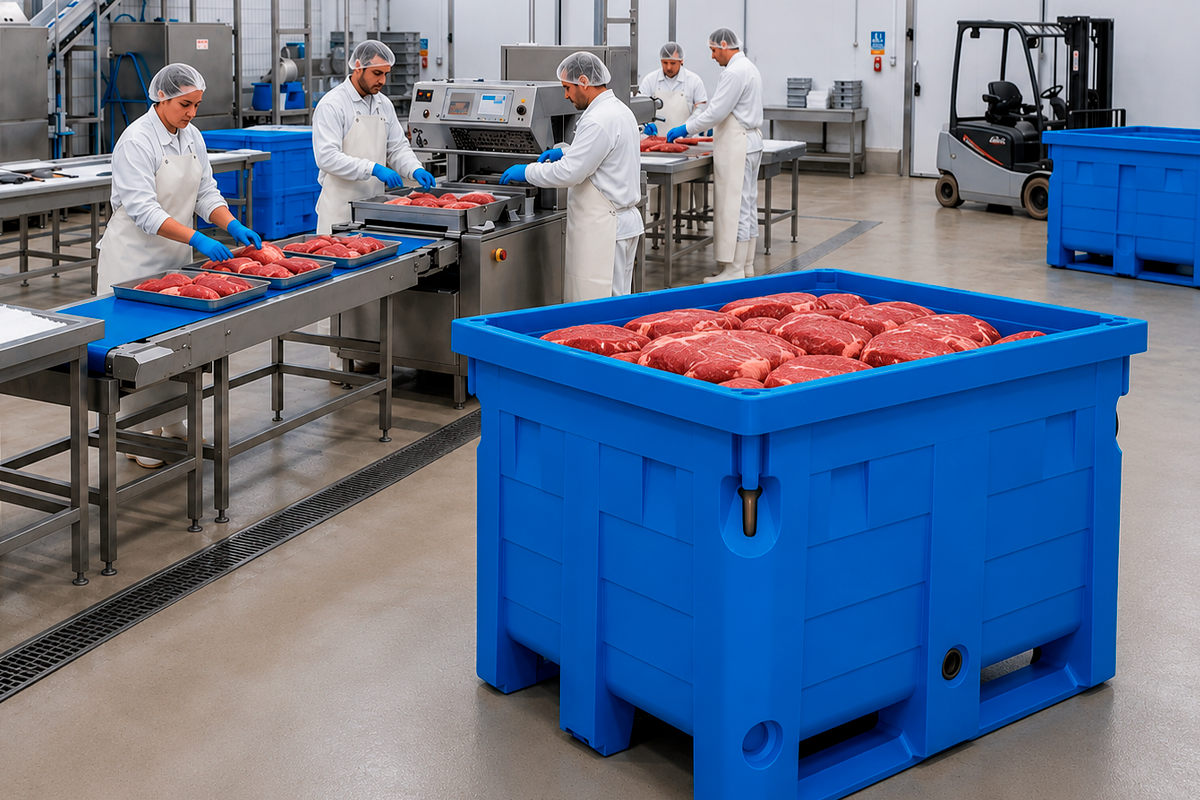
However, the food industry needs to rethink the entire production chain, from the use of raw materials to the packaging of products. This includes avoiding contamination, observing good manufacturing practices, saving water and using recyclable raw materials.
Good news is that sustainability often involves, in addition to preserving the environment, increasing product quality, greater productivity and cost reduction. Some people are willing to pay more to be sure that a product is environmentally friendly. Furthermore, care for sustainability contributes to strengthening brands and integrating companies into society.
Learn how to apply sustainable measures in the food industry
Next, we will show some sustainable measures that can be applied in the food industry.
-
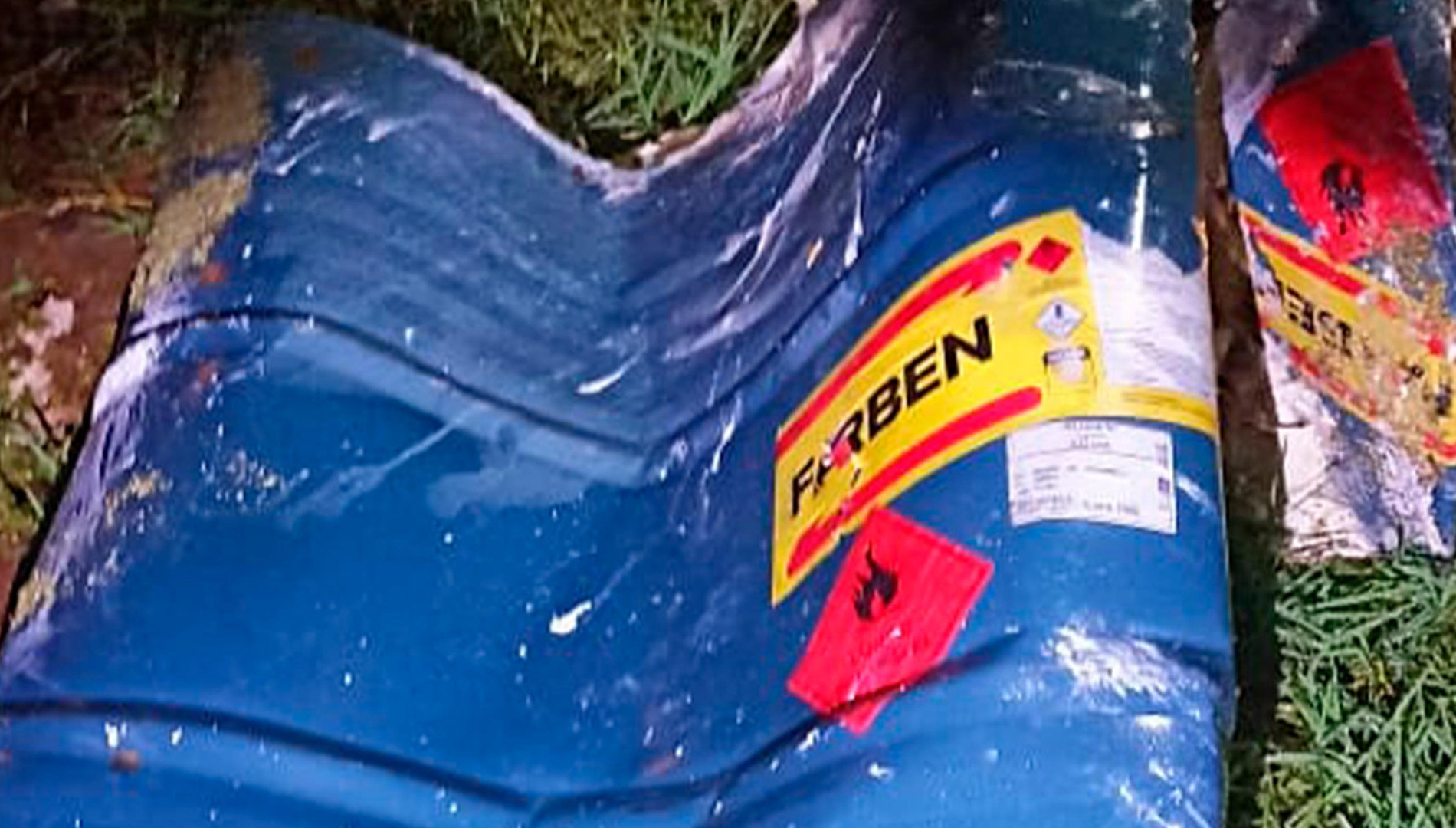
Dispose of industrial waste correctly
Just like the hospital area, sustainable measures in the food industry include disposing of materials and industrial waste that they pose biological, chemical and physical risks. People must separate organic waste from the rest of recyclable raw materials. Waste materials such as steel, iron, PVC and aluminum need to be sent to companies that recycle or dispose of these items correctly.
-
Choose sustainable packaging
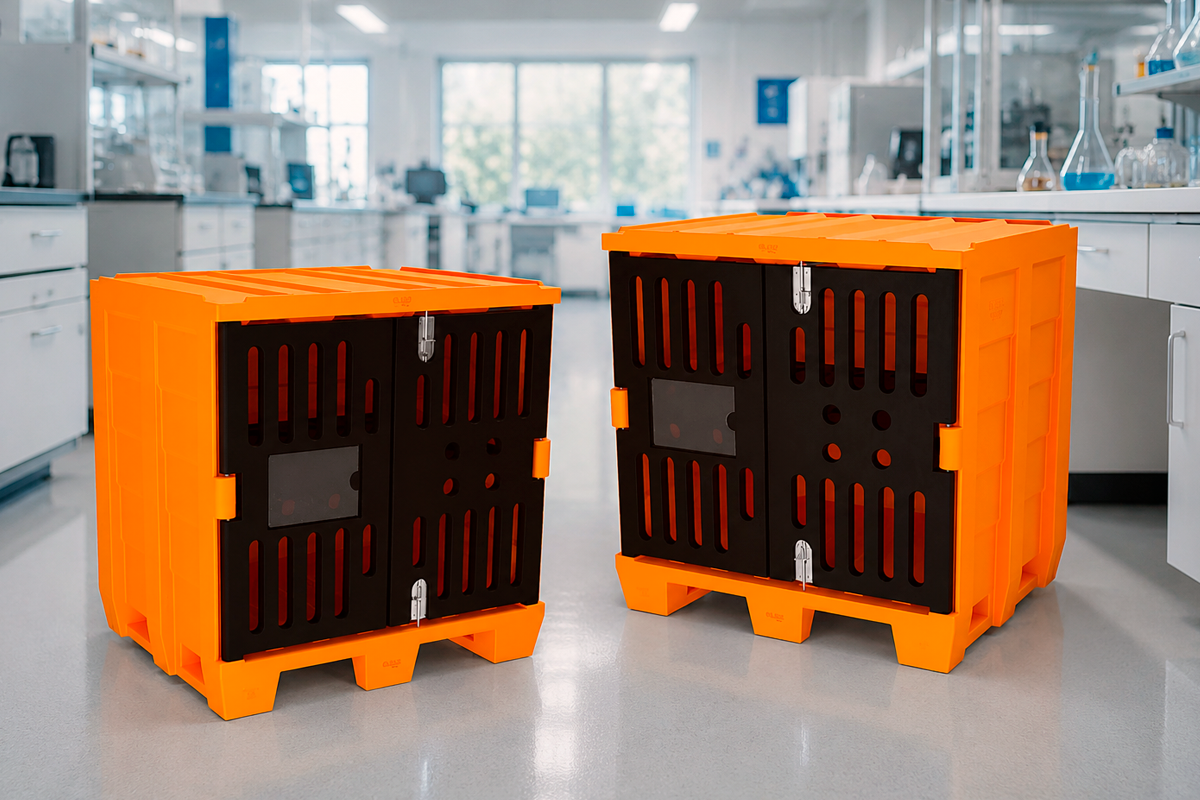
Companies should give preference to packaging with recyclable and biodegradable solutions. Additionally, packaging made from recyclable or biodegradable materials is generally more durable. Furthermore, they can be developed for various purposes in the industrial chain, such as storage and processing.
-
Use water rationally
In a time of water scarcity and constant supply problems, taking care to reuse water is becoming increasingly important. With this sustainable measure in the food industry, this practice saves a lot, as it takes advantage of a precious resource for the environment.
-
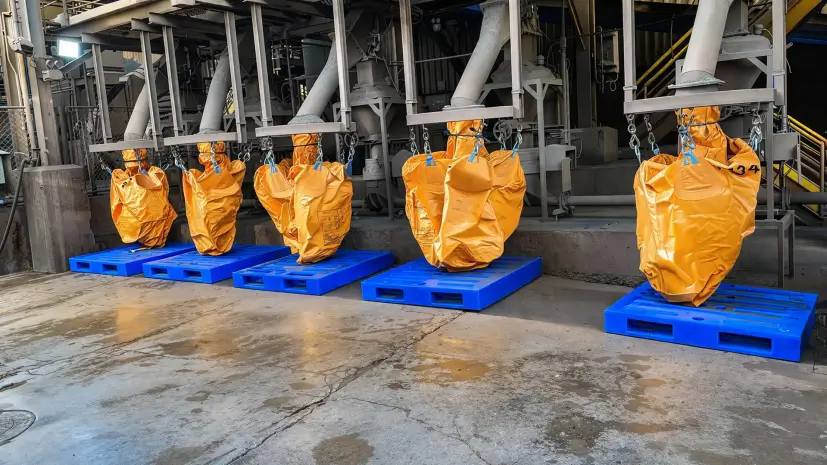
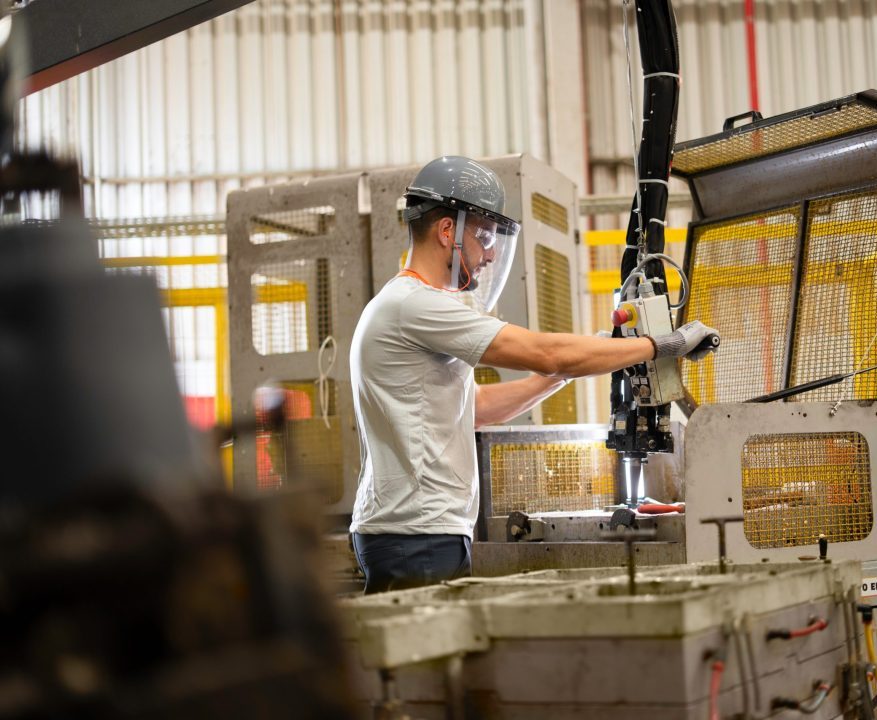
Optimize production processes
Companies can consider the optimization of industrial processes as a sustainable practice in the industry. This is because improvements to speed up work and increase process efficiency also result in savings in energy, labor and materials. In this way, companies are able to produce more and better, without idleness and financial losses.
-
Adopt green logistics
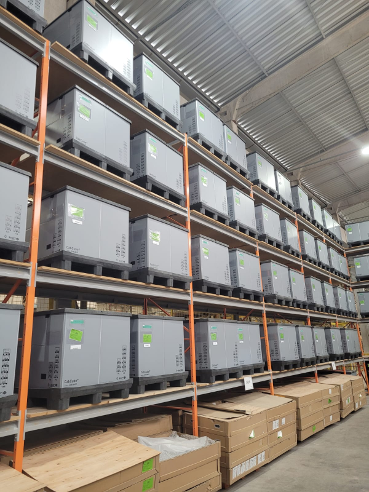
The concept of green logistics refers to the set of practices aimed at reducing the environmental impact of logistics activities. It involves the entire configuration of companies’ processes, structures, transportation, distribution and storage systems.
Among the practices involved are the reduction of carbon emissions, the reduction of air, soil, water and noise pollution, the use of alternative energies and the rational use of natural resources.
-
Recycle raw materials
Reusing materials that have already served a purpose within the industry is a great way to reduce costs and keep the organization productive. Some industries can recycle raw materials such as plastic and glass on several fronts. They can reuse these materials both in recycling and reuse for other related areas, as long as they do not pose a risk of contamination.
-
Ensure food security
Consumers are increasingly paying attention to the quality of products. To ensurefood safety, sustainable measures in the food industry must be adopted standard operational hygiene procedures, hazard analysis and identification of critical points.
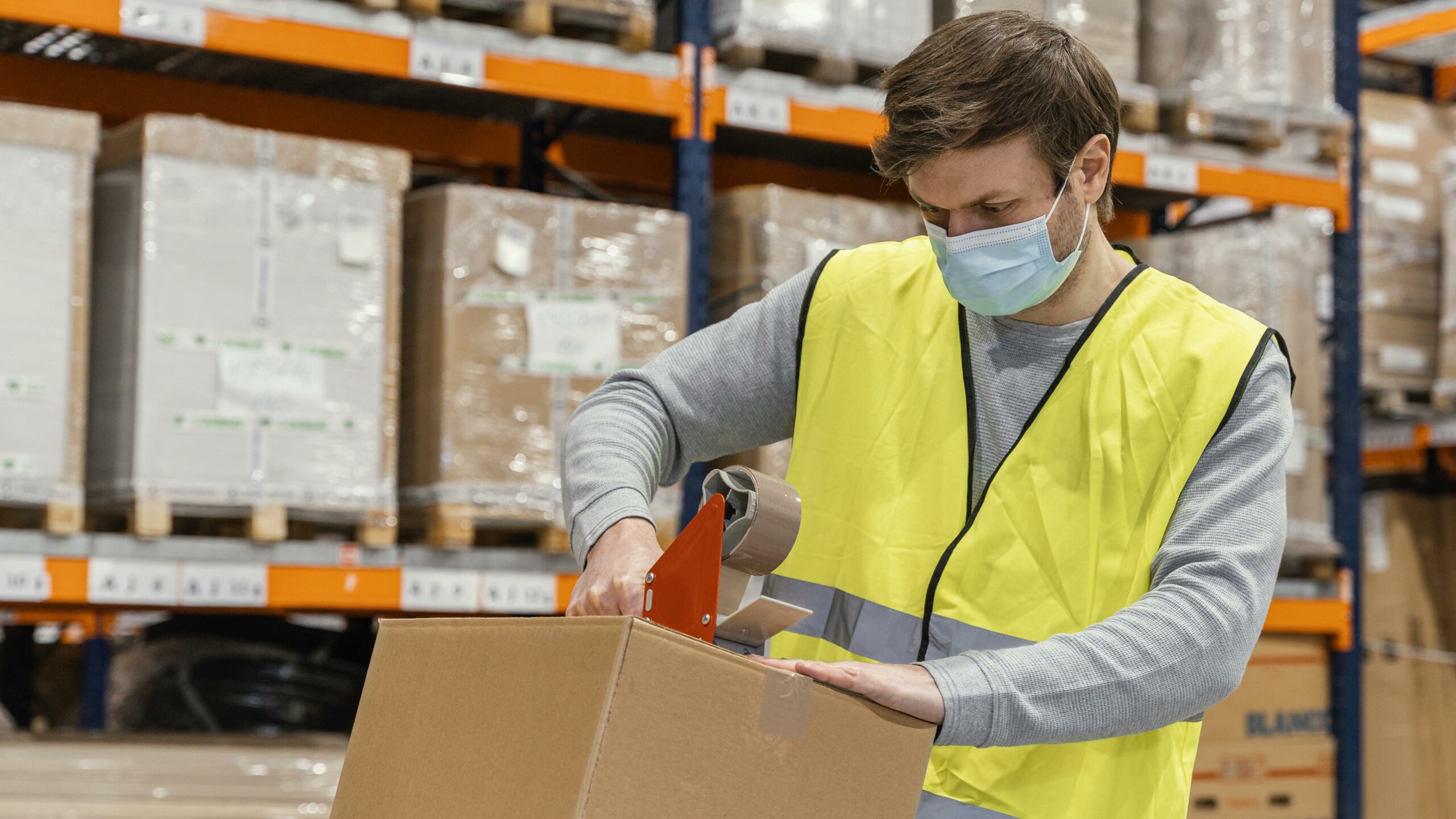
Care in food production must involve the entire process of handling, preparation, fractionation, storage, distribution, transportation, display for sale and delivery of food prepared for consumption.
In short, sustainable measures in the food industry bring a series of benefits, whether for the image of companies or for the efficiency and economy of production processes.
Did you like this article? Want to know more about how to optimize processes in the food industry? See here.