

Increasingly, authorities and consumers demand quality food, made with strict safety and hygiene processes. Currently, to stand out among competitors and be successful in negotiating with suppliers, it is necessary to obtain important certifications, such as the BRC standard, one of the most demanded regulations in the food industry.
Follow the reading and understand what the BRC is, what the requirements are for implementing it and the penalties for those who do not comply with it and discover how rotomolded products can help your company obtain this certification. Let’s go?
BRC standard: what is it?
The British Retail Consortium (BRC) was created in 1998 and aims to ensure the safety of food products and their packaging, which involves suppliers and retail chains. The standard is approved by the Global Food Safety Initiative (GFSI), a private organization that develops standards to ensure the quality of goods in the food segment.
It is worth mentioning that the BRC is a voluntary certification, that is, obtaining it is not an obligation that must be fulfilled by law. However, if your company can achieve this, it can have several advantages over the competition. Furthermore, the durability of this standard is one year. At the end of the period, the industry undergoes new audits to win it over again.
What are the objectives of the BRC?
The BRC standard involves several guidelines in order to guarantee the efficiency and legality of all processes in a food industry. Check out some of the purposes of certification:
– Carry out food safety programs based on Hazard Analysis and Critical Control Points (HACCP);
– Carry out the Good Manufacturing Practices audit;
– Improve quality management systems;
– Reduce the risk of fraud in all processes;
– Promote transparency in all operations with suppliers and distributors;
– Meet the demands of the international market.
What are the advantages of obtaining the BRC?
Among the various benefits that BRC provides to your company, we highlight the main ones:
– Greater credibility in the market, which strengthens relationships with distributors;
– Increased trust on the part of customers;
– Less reduction in food risks;
– Cost reduction;
– Efficiency in internal processes;
– Improvement of all stages of production and distribution of products;
– Possibility of operation in different countries.
What are the requirements to implement BRC in your company?
The first step for those who want to implement the BRC standard is to have good planning, to keep the schedule up to date. Check out what measures your company must take to obtain the BRC.
Efficient administration: so that everyone can remain committed to achieving the BRC, it is necessary to maintain effective communication between all sectors of the organization, managing the stages clearly.
Food safety plan: create a plan, based on the HACCP system. To do this, document everything and complete the steps within the specified period.
Safety and quality management: establish requirements to manage the safety and quality of products efficiently. Carry out internal audits and control incidents and situations that are not in compliance.
Standardization of operations: the BRC standard presents some requirements related to the physical structure of the industry. Therefore, ensure that these measures are followed.
Process and product control: to make sure that the quality of products meets the expectations of retailers and customers, it is necessary to have supervision in all processes. Have an organized methodology to solve problems quickly.
Team training: employees must be trained and supervised to follow the established requirements and, thus, make the company stand out in the market.
How can rotomolded pallets help meet the BRC standard?
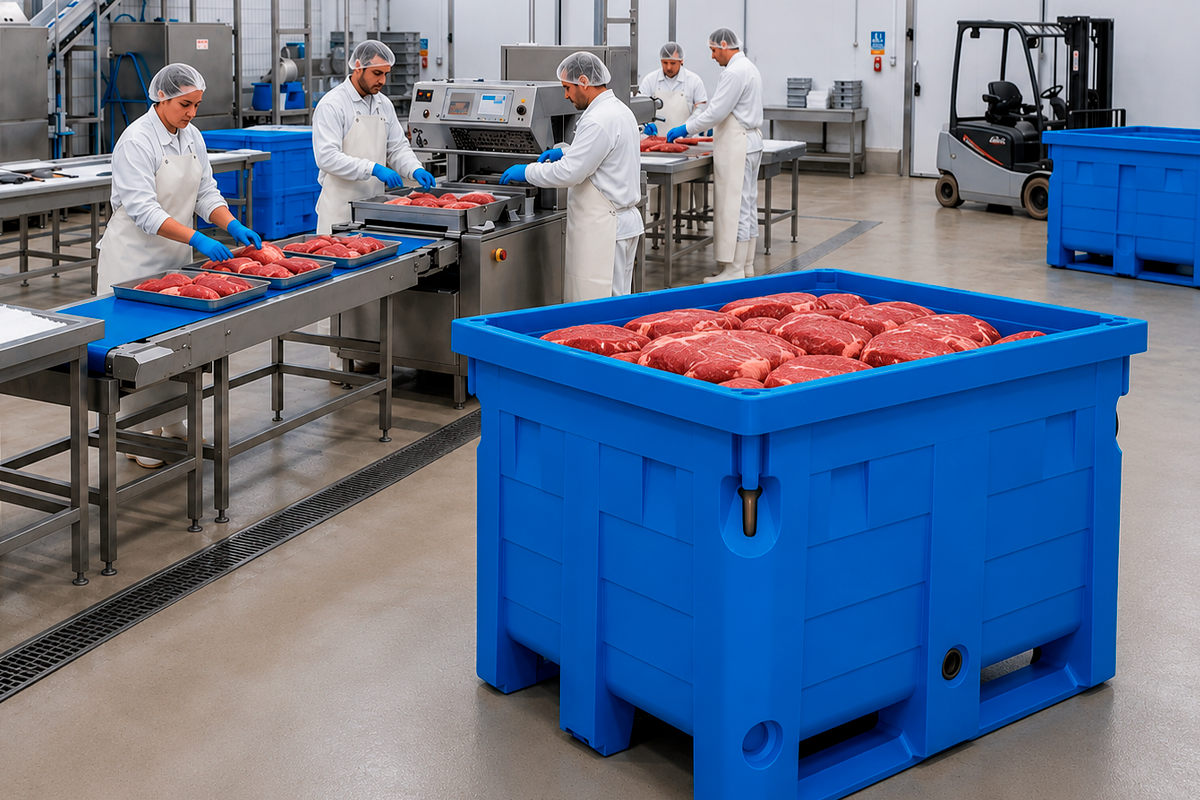
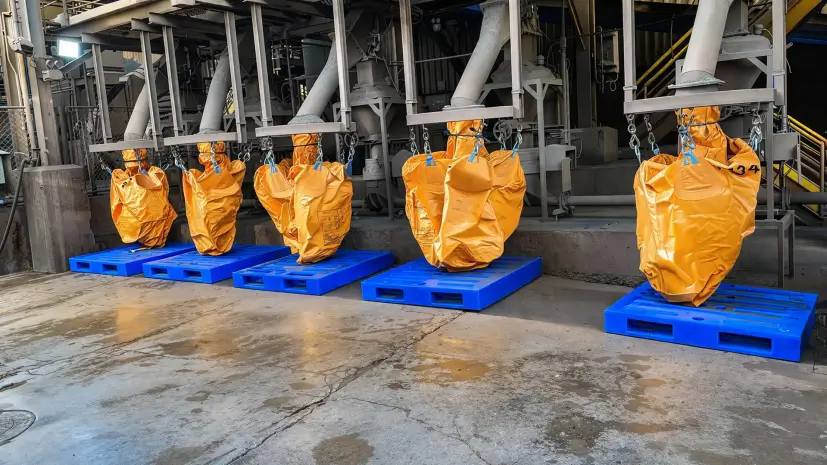
Many food industries still use old wooden pallets, which make hygiene and sanitization difficult. In this scenario, rotomolded products come into play as the perfect solution, as they meet health standards and guarantee the safety and quality of food.
BRC requires the use of plastic pallets, both for internal and external processes, therefore including the steps that involve everything from packaging suppliers to retail chains. This is because this pallet model is not porous and does not absorb moisture, which prevents contamination, unlike wooden pallets.
In addition, rotomolded plastic products have greater durability, resistance and ease of cleaning, which makes them essential for the entire production chain. With a smooth surface, they allow the application of cleaning agents, stopping the proliferation of microorganisms and bacteria.
Tecnotri has plastic pallets in different models and also offers product customization to meet the needs of your business.
In summary…
– BRC is a standard aimed at maintaining food safety and quality.
– Obtaining BRC certification can bring several advantages, including greater credibility and competitiveness.
– plastic pallets are ideal for companies that wish to achieve this certification, as they are easy to clean and meet health standards.
Follow other articles
Continue reading other articles about regulatory standards on the Tecnotri blog.