

The plastics industry is currently going through a period of transformation. The circular economy, production and conscious consumption require that the use of this material pays attention to socio-environmental issues. To be aligned with the new consumer profile, which is much more conscious and demanding, the plastic production chain needs to add value to processed products and seek to make them more sustainable.
Faced with the new needs of the market and the planet itself, which is suffering the consequences of industrialization and unbridled consumption, the entire concept of using plastic has been questioned and rethought. Technological advances with a focus on sustainability have brought numerous economic and socio-environmental benefits to the sector.
Understand what the circular plastic chain is
Circular economy is a way of thinking about the processes of relationships between human beings, consumption, the environment, society and economy, considering people’s well-being and the preservation of natural resources. It seeks to reuse resources in the production process of new materials and products, so that their final destination is the beginning of a new cycle, and not landfills and oceans.
In the industry’s traditional manufacturing method, plastic products are commonly produced following the logic of “extract – produce – discard”. However, the plastics industry is at a time of transition towards the effective implementation of the Circular Economy, in which disposal is not the end of a product’s useful life and materials are used in a chain, in a cyclical manner.
The properties of plastic allow it to be aligned with the circularity of the production process, as this raw material is durable, recyclable and reusable.
After the plastic is discarded, the objective is to reallocate recyclable waste back into the production process, remanufacturing it, reusing it or turning it into raw materials for new applications, thus generating the least amount of waste possible.
Learn about the different types of plastic
Much research has been done to make plastic a more ecological and sustainable product. In recent years, plastics produced from renewable sources have been developed, such as bioplastic and biodegradable plastic. Understand the differences between them:
*Conventional plastic: Of fossil origin and derived from petroleum. Although it is not biodegradable, this plastic can be recycled and transformed into another product for the construction, automotive, furniture, packaging segments, among others.
* Bioplastic: It can have the same properties as conventional plastic, but differs in that it uses renewable sources such as soy, rice starch, corn and sugar cane as its raw material. Although it is of renewable origin, the bioplastic will not necessarily be biodegradable, although it is possible to recycle it. In any case, these raw materials are capable of capturing CO2 and helping to reduce greenhouse gas emissions.
Since one of the main raw materials for producing this type of plastic is sugar cane, Brazil plays an important role in this market, as it is the largest producer in the world.
* Biodegradable plastic: It is plastic that, at the end of its life cycle, undergoes a composting process within 180 days through the action of microorganisms, under specific conditions of heat, humidity, light, oxygen and organic nutrients. In general, this product derives from plant sources such as cellulose, starch, etc.
This raw material decomposes 20 times faster than synthetic material. The problem is that it currently costs three to five times more than conventional plastic. Therefore, its use is still limited to medical and experimental applications.
See how plastic is used in recycling
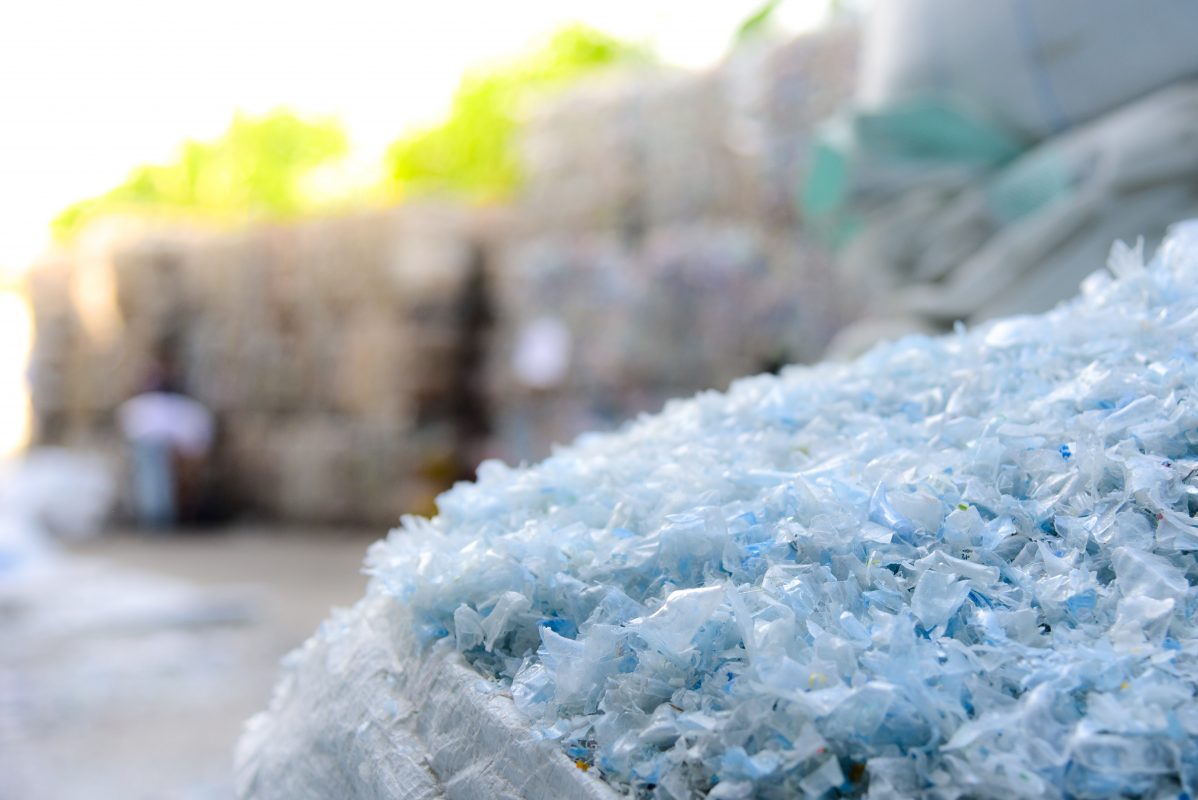
Recycled plastics can come from industry (from scraps and defective parts) and post-consumer (from domestic waste). Both materials can be used to manufacture new plastic products with the incorporation of additives or even quantities of virgin raw materials, thus achieving properties very close to those of virgin plastic materials.
These recycled plastic materials can be used in the manufacture of the most diverse types of products, except for applications in the food and beverage sector, in which only PET is regulated for use.
The plastic transformation and recycling industry is today the 4th largest employer among the sectors that are part of the transformation industry, according to Abiplast. In addition to generating many qualified jobs and a lot of income, the expansion of recycling this product brings many socio-environmental benefits.
See how recycled plastic is used in rotomolding
In addition to standing out for characteristics such as durability, resistance and low cost, rotomolded plastic products are in tune with today’s society’s efforts to preserve the environment.
Raw materials used in rotomolding, such as PVC and polyethylene, are recyclable and can be reused by the industry, resulting in less environmental impact during their life cycle and greater use of raw materials, with low generation of residual stresses.
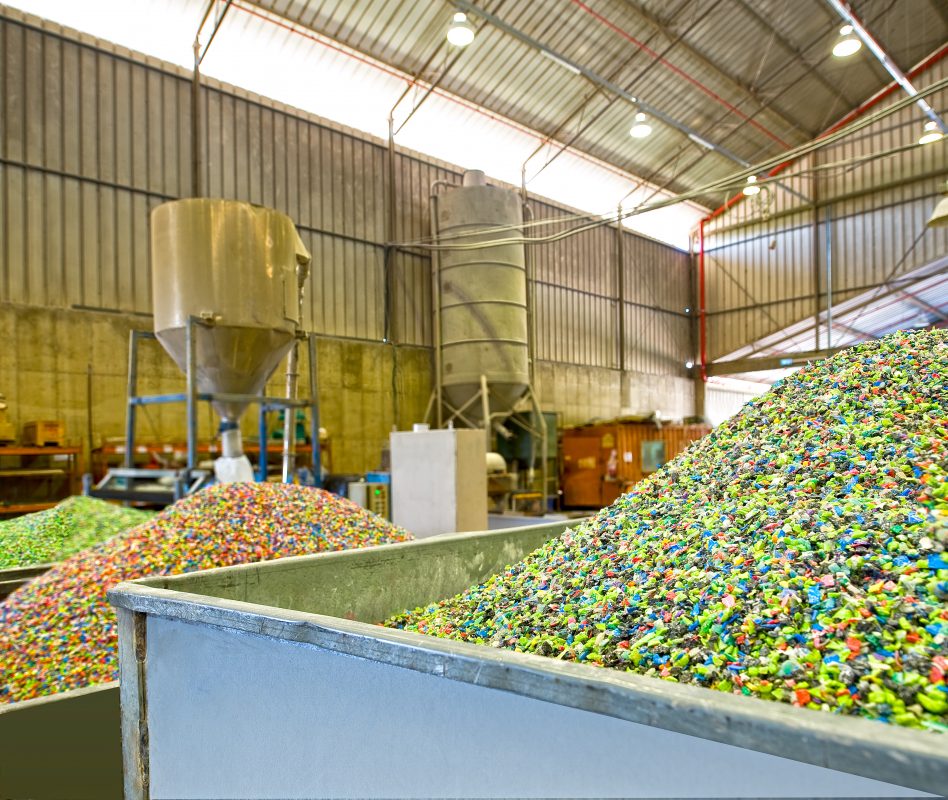
In the rotational molding process, almost all Brazilian transformation companies – around 99% – have mills to recover leftovers from the production process, such as sludge, shavings and feed channels, according to research carried out by Plástico Industrial magazine.
Many companies have been developing solutions to recycle plastic materials and reintroduce them into the processing market in the form of granules. In 2016, the Brazilian plastic recycling rate reached 25.8%, with the industry producing 550 thousand tons of post-consumer recycled plastic, reports Abiplast.
However, when the raw material is recycled, contaminated, composite, laminated or multilayer products, which involve sorting and separation, this process becomes more complex.
As we have seen, the plastic processing industry has been promoting increasing efforts to develop recyclable and more sustainable plastics, thus contributing to socio-environmental sustainability.
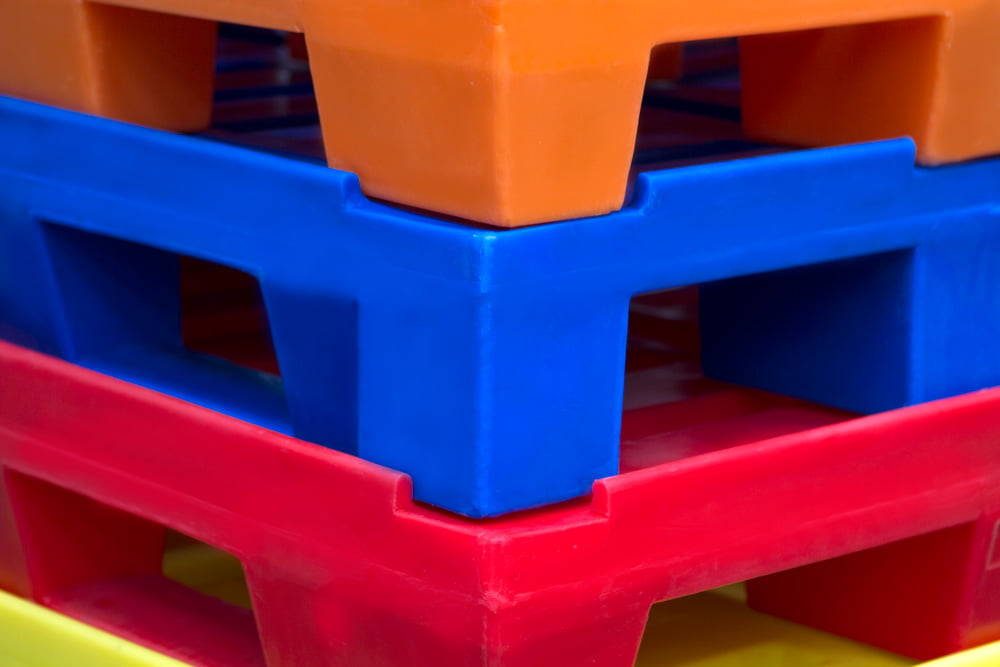
Due to this enormous importance, Tecnotri already works with the reprocessing of pallets with some customers in the food, refrigeration and pharmaceutical sectors. Are you also concerned about this issue and want to implement the circular chain in your factory? Fill out the form below:
new RDStationForms(‘talk-to-one-of-our-experts-fe72e6e7015a2efd2890-html’, ‘UA-47968214-1’).createForm();