

The fish industry needs to pay attention to a series of factors to ensure safe and competitive marketing of its products. After all, fish and seafood are perishable foods. In this scenario, some health standards that regulate the sector come into focus, in order to ensure the quality of all processes involved, which includes storage.
Check out the best practices for this area below and see a specific Tecnotri line that serves this segment. Furthermore, get to know ergonomic containers and pallets, a solution to ensure the safety of employees when storing and transporting fish.
What are good practices for storing fish?
After catching or fishing, the fish needs to be sanitized with clean water and stored on ice or cold rooms. If storage is carried out at landing or after harvesting, the area needs to be clean and with adequate equipment for washing fish and seafood.
In addition, boxes should not be overloaded or piled high. The product also cannot be left on the floor or on dirty surfaces or exposed to the sun. Another guideline is to keep fish away from chemical and/or cleaning items and fishing accessories.
Good practices also indicate that products should be stored in plastic boxes, as they present a lower risk of contamination. Each reservoir with fish must be identified with the species, supplier, day of entry and validity.
What does the Ministry of Agriculture, Livestock and Supply (MAPA) recommend?
According to MAPA, industrial fish establishments need to consider the following requirements:
– Patio areas and access roads must be paved and urbanized, in order to avoid dust and facilitate water drainage;
– Dirty environments, such as reception, and clean environments, such as processing areas, must remain physically separated, to prevent any possibility of contamination;
– Invest in plastic pallets, both in the waiting chamber and in places suitable for containers used to pack the fish;
– The storage chamber must be refrigerated at temperatures between 0°C and 4°C, when products stored in a modified atmosphere are produced;
– Plastic boxes, preferably bin containers, need to have a specific place for washing and sanitizing.
Discover Tecnotri’s line of plastic containers
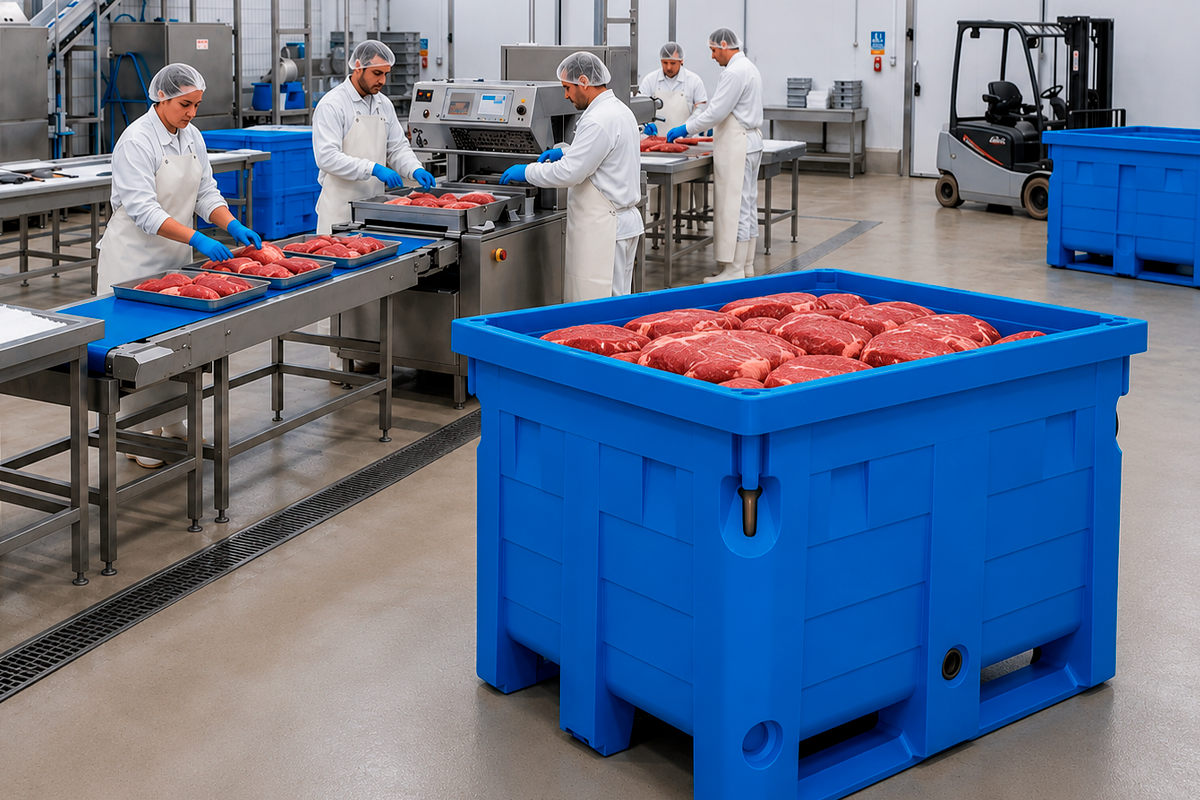
To ensure the hygiene and safety of fish as recommended by MAPA, invest in plastic containers from Tecnotri. Also known as bins, this equipment follows all industry regulations.
In addition to being durable, they are super easy to clean, avoiding contamination and allowing direct contact with fresh foods. Furthermore, the line can be used in environments with temperature changes between -35°C and 60°C, preserving food.
Manufactured in different capacities, they offer versatility and can even be customized in terms of color and logo, which promotes the organization of processes.
Also check out the Tecnotri ergonomic line
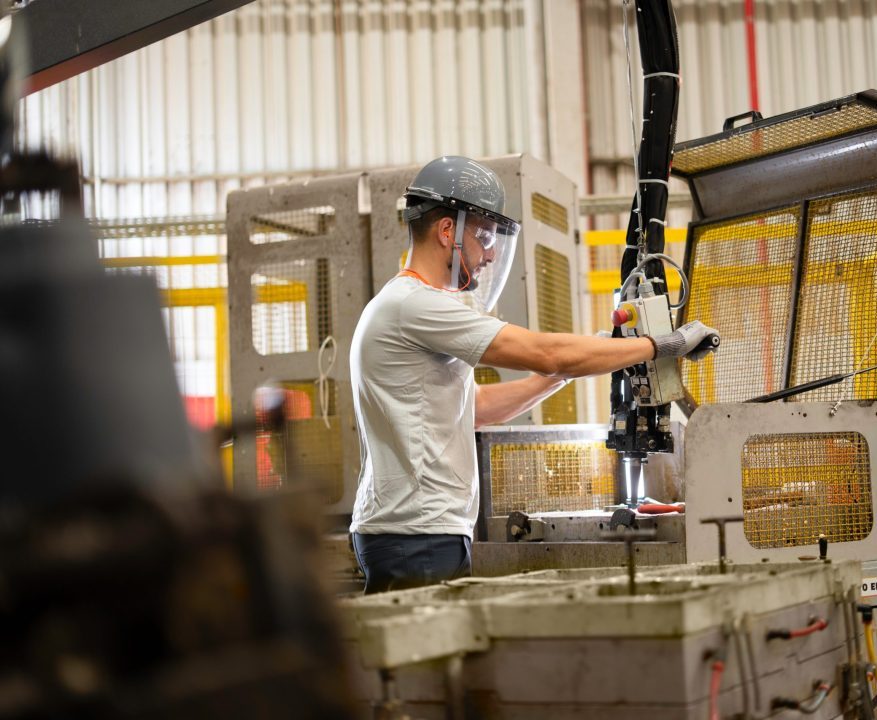
In addition to protecting food, industries must also be concerned about the safety of employees. In this sense, there is a specific regulation, NR 17, known as the “ergonomics standard”, which establishes standards for disease prevention, in order to ensure the health and well-being of employees.
The objective of NR17 is to make companies adapt working conditions to the psychophysiological characteristics of workers, offering comfort and performance so that they can operate safe way.
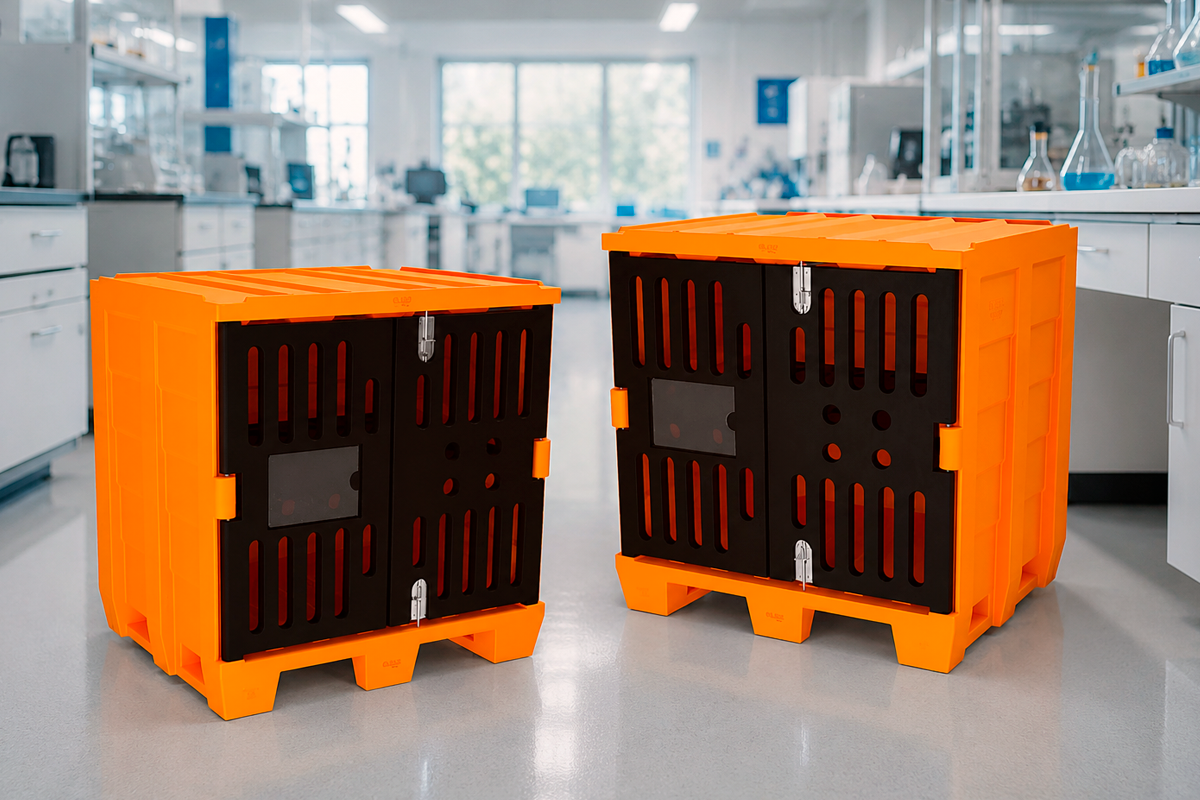
With this in mind, Tecnotri developed a specific line of containers and ergonomic pallets. They are one-piece, easy-to-clean products that meet sanitary requirements and good manufacturing practices. With appropriate dimensions, functions, colors and textures, they provide comfort, practicality and safety to professionals.
In summary…
- The fish industry needs to be aware of numerous factors to ensure food conservation.
- To protect your fish, invest in plastic bin containers, which can be easily sanitized, avoiding contamination.
- To offer adequate safety to employees in your industry, invest in Tecnotri’s ergonomic line, which meets NR 17, the “ergonomic standard”.