


Food transport requires a lot of care, in order to guarantee the preservation of goods and the health of consumers. To achieve this, food industries must follow certain regulations, which prove the quality and efficiency of their logistics processes.
Otherwise, they will be subject to fines and serious penalties. Follow the text and understand the existing rules for transporting food to stay within the law.
Why is it important to properly transport food?
The main objective of having such careful regulations for the transport of food cargo is to guarantee people’s health and avoid contamination. Therefore, the entire logistical process must comply with the requirements presented by the standards.
In addition, transporting products properly directly affects the final price, as well-stored food arrives at its destination in perfect condition and, consequently, has a better chance of being sold.
The opposite situation causes loss of merchandise or even the food perishing, which causes discards and harms the ordering and shipping of products, negatively impacting credibility of the company.
Learn about the main regulations related to food transport
Among the most important standards associated with the transportation of food loads, we can mention Ordinance No. 326 of the Health Surveillance Secretariat, which defines good hygiene, manufacturing and food handling practices.
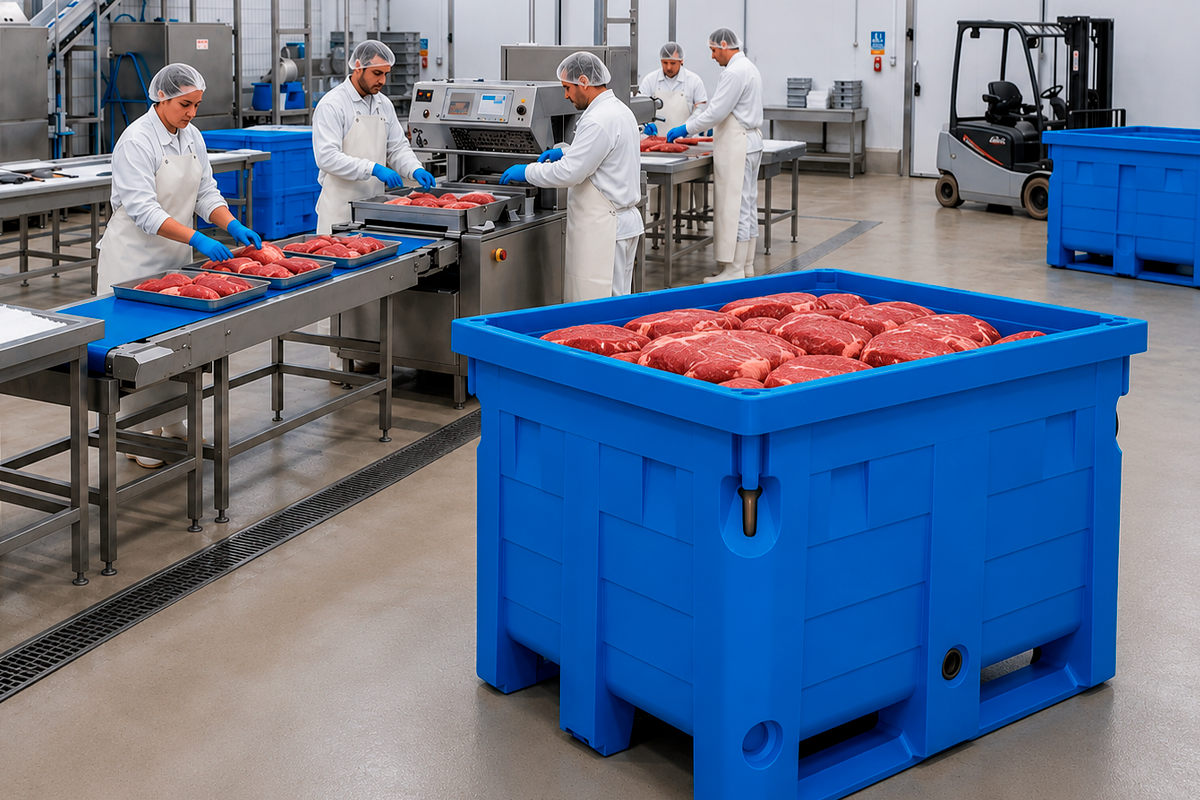
The rule establishes that the means used to transport products must be appropriate to the segment. In other words, they need to be produced from materials that guarantee the preservation of goods and allow easy cleaning and disinfection, such as rotomolded plastic. The standard also states that storage and handling require strict controls, in order to avoid contamination.
Anvisa Resolution No. 275 is a regulation with standard procedures, which need to be put into practice by the food industries. Requirements include:
- Transport food at the correct temperature, specified on the label;
- Keep transport vehicles clean and covered to protect the load;
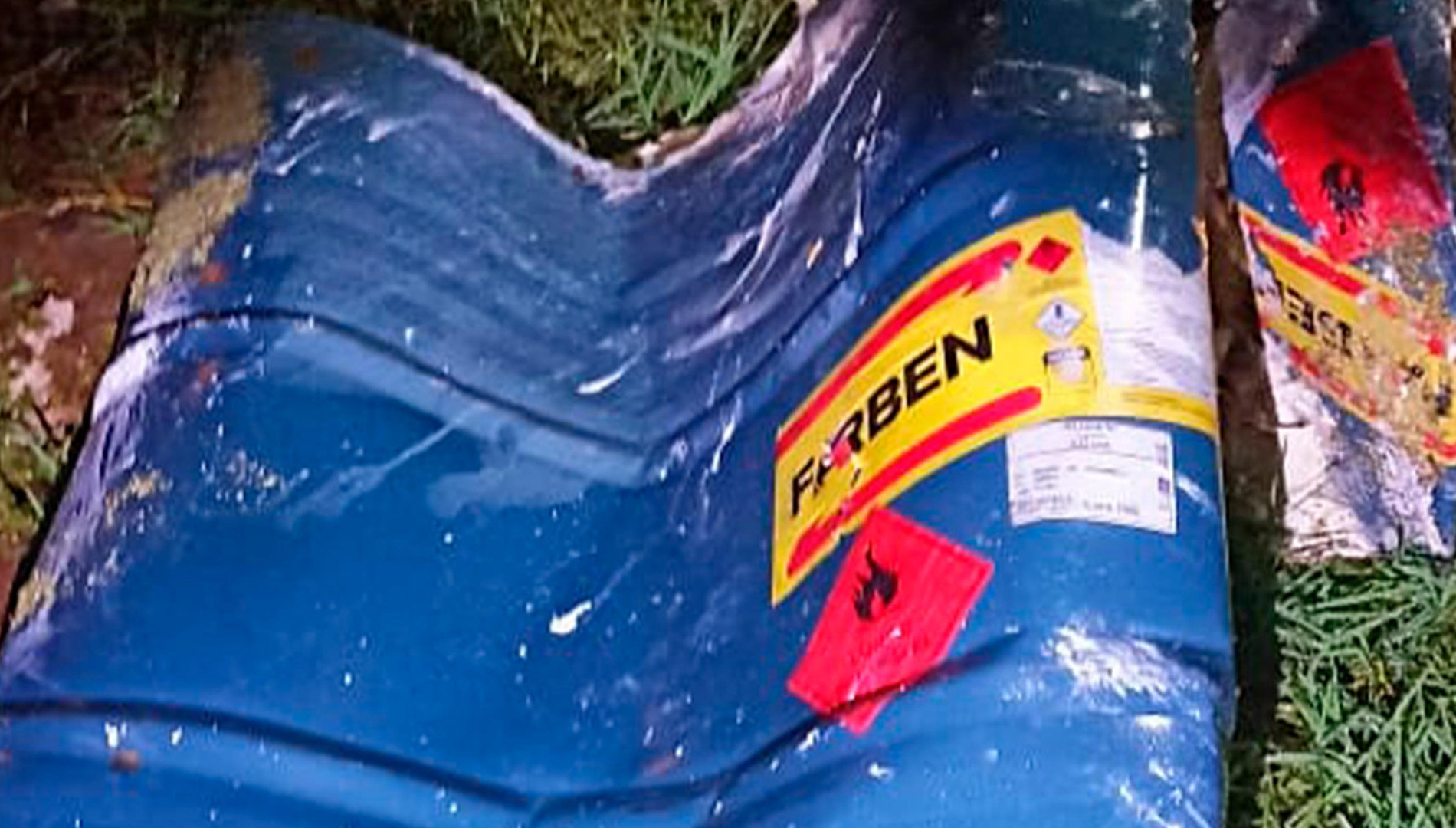
- Do not transport other loads that could compromise the safety of the goods;
- Invest in ideal equipment for transporting food, which maintains the temperature when the goods are transported.
What are the best practices to ensure optimal food transport?
To ensure the correct transport of food goods, you need to take some measures in your company’s logistics, including:
-
Check the label
The labels serve to provide important data about the products, in addition to ensuring the end consumer that the product is of quality and follows health surveillance standards.
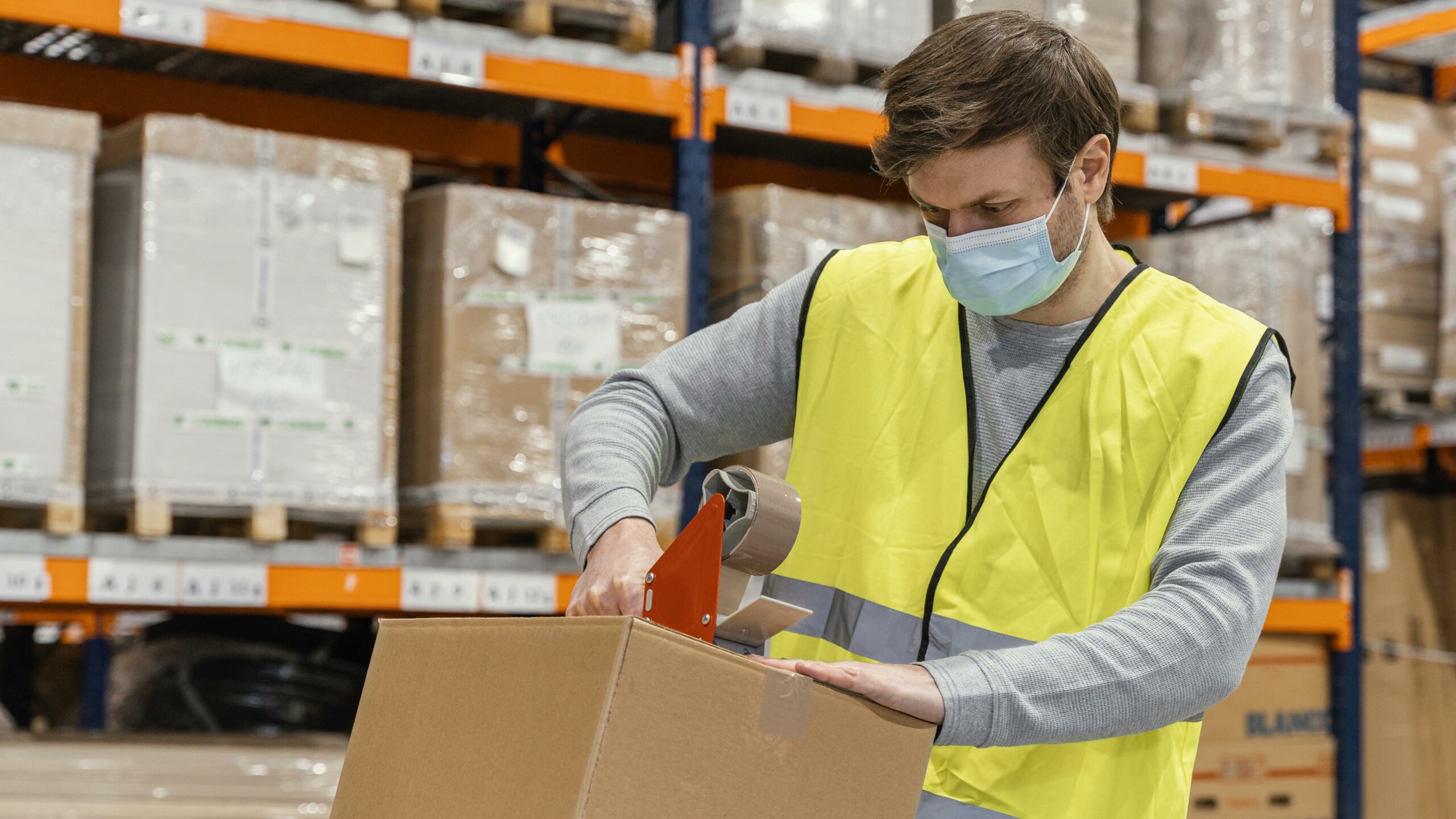
Therefore, the team transporting the items must check that they are labeled correctly, with legible information.
It is worth noting that this is an Anvisa requirement. If any nonconformity is found, the manufacturer must be informed. After changes and corrections, transportation can be released.
To make this operation simpler and more agile, it is possible to rely on technological tools, which optimize the conference and reduce the chances of errors.
-
Pay attention to the expiration date
The expiration date of the products is another important point to pay attention to. When the due date is approaching, inconveniences may occur, especially if there is an unforeseen event that delays deliveries.
In addition, transporting expired goods is illegal and generates fines and seizure of the cargo. Therefore, it is recommended to carry out the conference and continue with transport only if there is a safety period.
-
Monitor temperature
Some types of food require even greater care, requiring an appropriate temperature at all stages of the logistics process. In these cases, it is necessary to invest in ideal vehicles and equipment, which preserve the condition of the load throughout the journey.
-
Have documentation up to date
Food transportation requires legal authorization to perform the service. Therefore, be informed and keep your documentation up to date, which must accompany the entire cargo movement route. Otherwise, it may be retained by inspections, which causes complications and losses.
-
Be careful with packaging
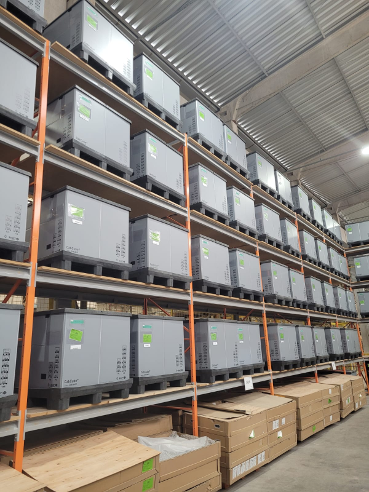
The packaging of perishable foods must be given extra attention. In addition to proving their integrity, they must allow for adequate stacking, so that there is no risk of contamination or damage to the preservation of the products.
What are the benefits of complying with regulations for your company?
By following the rules related to food transportation, your business guarantees several advantages, such as:
- Protection of the company’s reputation and credibility;
- Reduced contamination risks;
- Guarantee of the quality of products delivered to consumers;
- Greater end customer satisfaction;
- Agility and efficiency in logistics processes.
Learn more
Continue to our blog to check out more information about regulations and industry news.