

Faced with the threats posed by the coronavirus, food safety care becomes even more important. The virus has put the Brazilian population on alert, who are now looking for guidance on how to prevent and behave.
In this scenario, consumer attention turns to factors such as efforts to prevent contamination in the food industry and hygiene at product sales points.
But do you know how to ensure food safety in the food industry? How to sanitize products? Check it out below!
Understand how coronavirus can be transmitted
The good news is that, to date, there is no evidence of coronavirus transmission through food or its packaging. The main mode of contagion is through the respiratory route.
Therefore, the chance of someone catching COVID-19 from food is extremely low. And even if the coronavirus is present in food, it can be destroyed with proper cooking, experts report.
Furthermore, according to the United States Food and Drug Administration (FDA), industrial processes, such as pasteurization, are capable of killing the coronavirus and other disease-causing microorganisms.
Therefore, the population does not need to worry about avoiding consuming specific foods. The greatest risk is the transmission of the virus between people in crowded places.
However, contamination can also happen through unclean surfaces and contaminated environments. Surfaces contaminated by virus carriers can become another source of spread. Therefore, it is important to reinforce measures to ensure good sanitary conditions, such as adequate hygiene.
Find out the guidelines for the food industry
1. Strengthen sanitary practices
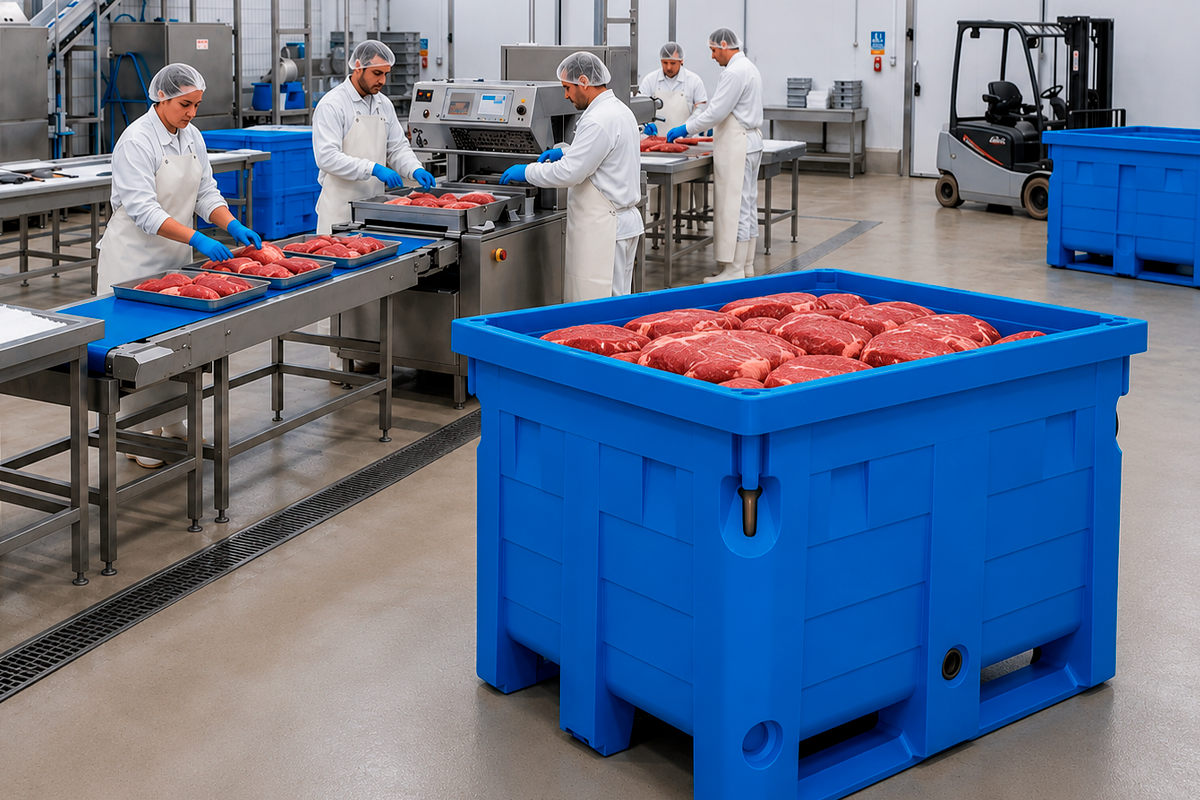
Washing your hands frequently is still the safest measure to contain the virus. Employees must be instructed not to touch their faces without washing their hands. Hugs, handshakes and kisses on the face should be avoided.
2. Reinforce cleaning
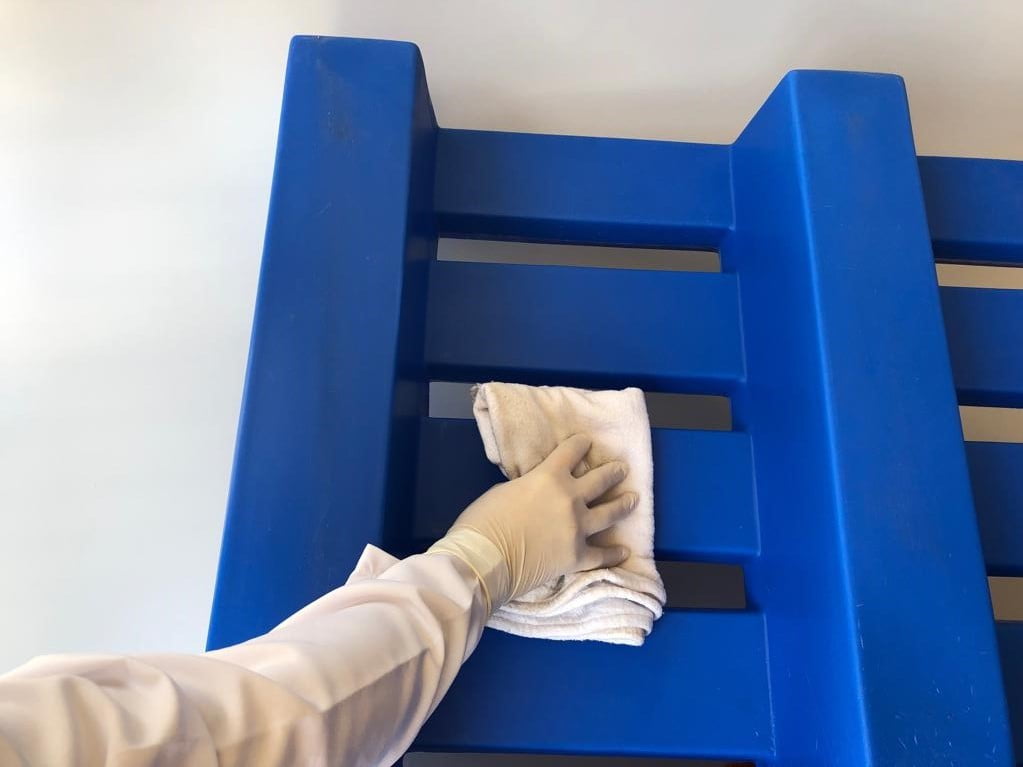
The cleaning and disinfection of tables, door handles, buttons and other surfaces must be reinforced. For this, common disinfecting agents can be used, such as 70% alcohol and 0.5% sodium hypochlorite.
3. Restrict access to the factory
Restrict access to the factory, offices and other areas of the company. Although a food industry may have a large number of employees, it is possible to restrict access to external personnel (suppliers, service providers) and reduce access to production areas.
4. Avoid using water fountains
Water fountains are places with a high concentration of people, where the virus can lodge and then spread. Therefore, advise employees to bring their water bottles from home. Furthermore, reinforce the need to clean the water fountain before drinking and keep 70% alcohol next to it.
5. Examine collaborators
Employees should be instructed to self-assess the main symptoms of coronavirus before entering the company. If they present symptoms, they should be advised to stay at home, in quarantine, in order to reduce contagion to other colleagues.
Learn about the recommendations of Good Manufacturing Practices (BFP)
Observing Anvisa’s Good Manufacturing Practices ensures product quality and guarantees consumer satisfaction. It is a group of principles and rules for the correct handling of food, from its raw material to the distribution of the final product.
The program is applied through periodic inspections to monitor hygienic-sanitary conditions and the integrity of the industrial operation. It helps to ensure the cleanliness of manufacturing sites, an effective measure to reduce the risk of contamination from viruses such as coronavirus and influenza.
In addition to helping to reduce failures and losses in the production chain, good manufacturing practices help to build the company’s image and credibility among its public.
Learn how to avoid contamination during transport
To ensure food safety, manufacturers must seek to adopt standard operational hygiene procedures, hazard analysis, identification of critical pest control points.
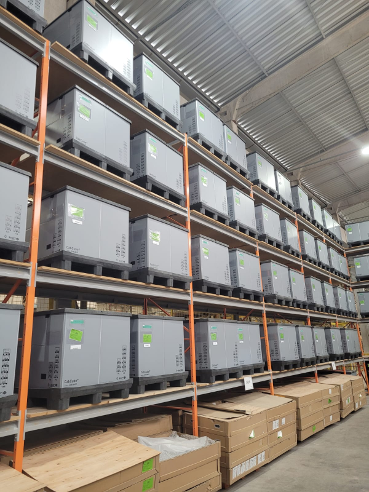
Food must be transported and stored appropriately to ensure hygiene and cleanliness. All food needs to be stored in a clean, organized place and protected from contamination. Furthermore, products must be identified and kept on pallets, pallets and/or shelves made of resistant and easy-to-clean material.
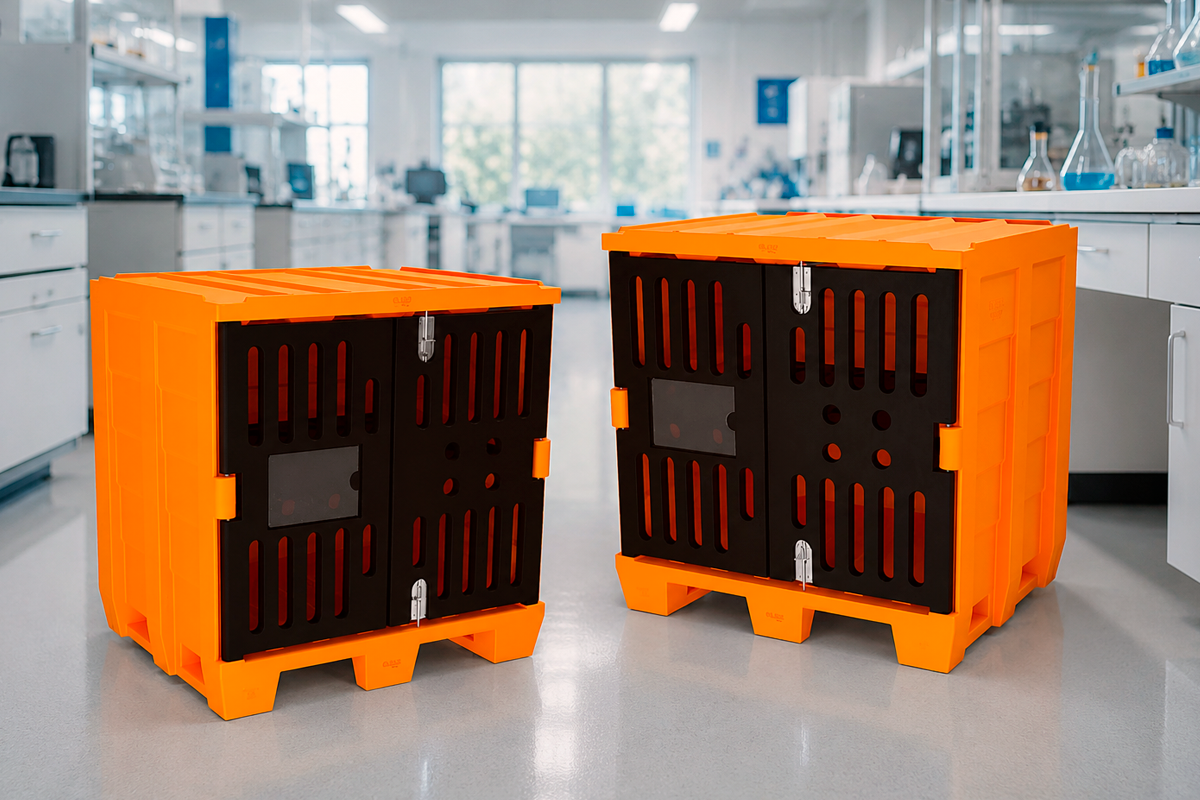
Because they are more hygienic, easy to wash and sanitize and meet health standards, plastic polymer pallets are the most suitable for food production. Monoblocs, they do not have seams, nails or welds, which helps to avoid accidents and bring greater safety to operations.
See the importance of traceability in this cycle with the BPF
Food traceability makes it possible to track a product from its production to its arrival at the final consumer. With it, it is also possible to track products and inputs that will be used in food manufacturing, in order to increase the degree of reliability and safety.
The barcode is the most used automation tool for identifying products, contributing to the agility and improvement of processes.
If there is a problem with a product, traceability makes it possible to quickly identify and remove that product from the supply chain. This helps to minimize risks to consumers and limit damage to the brand’s reputation.
As we have seen, faced with the threat of the coronavirus, companies in the food industry must reinforce food safety measures to avoid contamination and guarantee the quality and safety of food.
Do you want help finding the ideal Super Roto Pallet? Fill out the form below and a Tecnotri Consultant will assist you.
new RDStationForms(‘talk-to-one-of-our-experts-fe72e6e7015a2efd2890-html’, ‘UA-47968214-1’).createForm();