


Keeping an eye on pharmaceutical logistics is essential for the industry to have safe and planned growth.
During logistical operations, the processes involving the storage of medicines require special care, especially in relation to their safety, sanitation and efficiency.
Learn more about how pharmaceutical logistics works
Logistics refers to the process that integrates goals from all areas in order to optimize resources, reduce costs and ensure good operational security.
When we think about the pharmaceutical sector, logistics is capable of contributing in several aspects, mainly to business growth.
In a direct sale from the industry to distributors, the logistics process is simple, as it requires the storage of few SKUS (stock keeping units) and the number of customers is quite small.
In indirect sales, to pharmacies, governments and hospitals, which represent the largest number, there are extra precautions that need to be taken into consideration, mainly in relation to the complexity of storage, control and fractionation of deliveries.
Nowadays, many industries still maintain their own distribution centers, but choose to outsource logistics solutions, such as warehousing and storage, aiming to reduce costs with greater quality and safety.
Discover the factors that can affect medications
Medications may have their stability altered by intrinsic or extrinsic factors.
Intrinsic factors involve the manufacturing process, from procedures, methods, techniques, equipment and packaging, to interactions and changes in the physical appearance of the product.
Extrinsic factors, in turn, are more related to environmental aspects and conditions that can be controlled and monitored within a warehouse.
Temperature, for example, is directly responsible for changes or deterioration in medicines and can accelerate the induction of chemical reactions.
Humidity can also be a problem, as it affects the stability of products, in addition to variable factors such as access by people and equipment in clean areas that can enhance the proliferation of fungi and bacteria.
An important aspect that must be kept under control is the lighting, which should preferably be natural or with fluorescent lamps. However, sunlight should not fall on medicines, as they accelerate some chemical reactions.
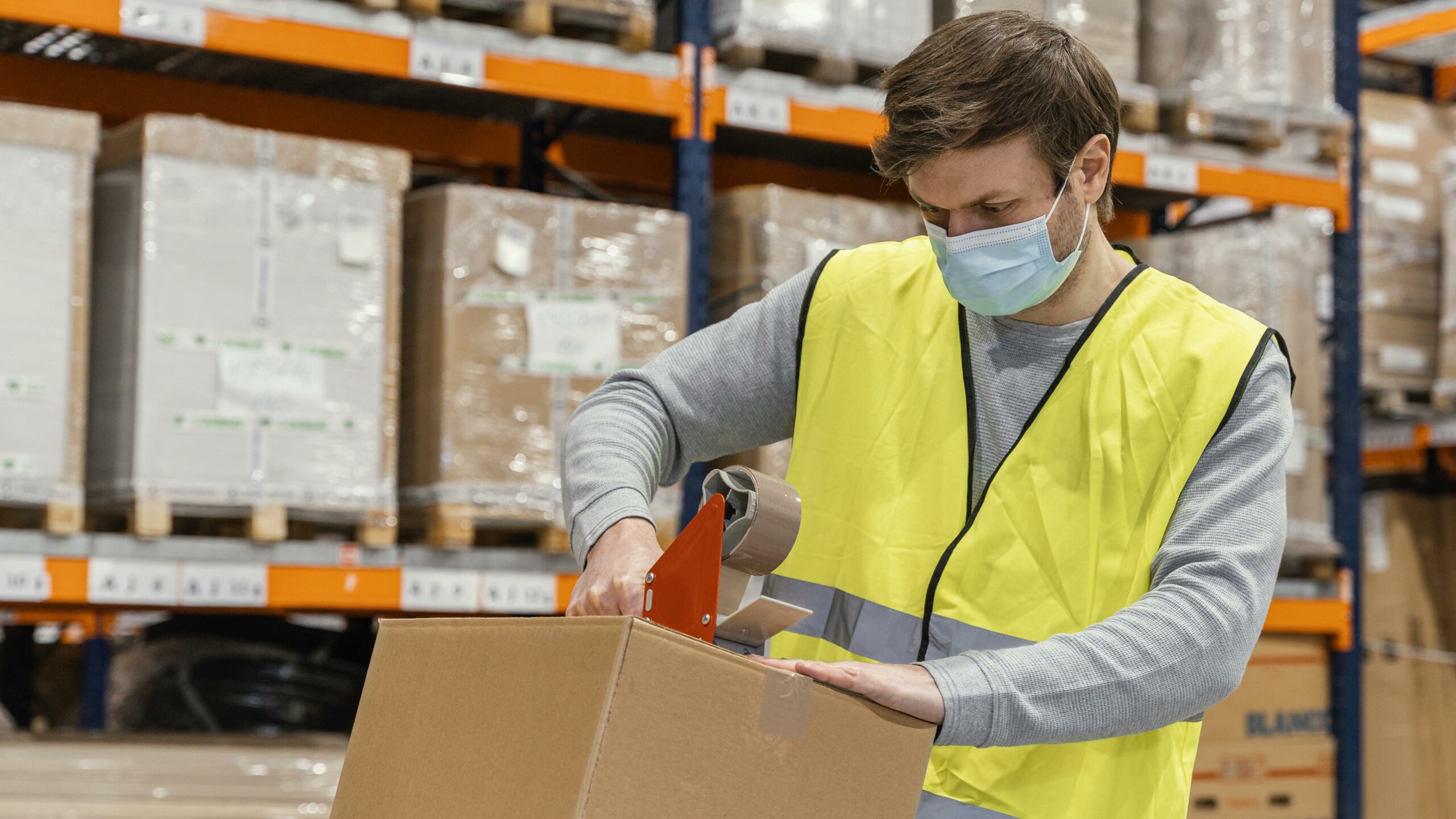
Ideally, ventilation should be regulated to ensure air circulation that helps preserve products. Regarding handling, which is another critical factor, the entire team must be aware of the items transported and must undergo specific training for each of them.
Learn about all the essential precautions for the sector
To ensure good pharmaceutical logistics, some precautions are essential.
Storage locations, for example, must be adequate, with correct hygiene, lighting and ventilation.
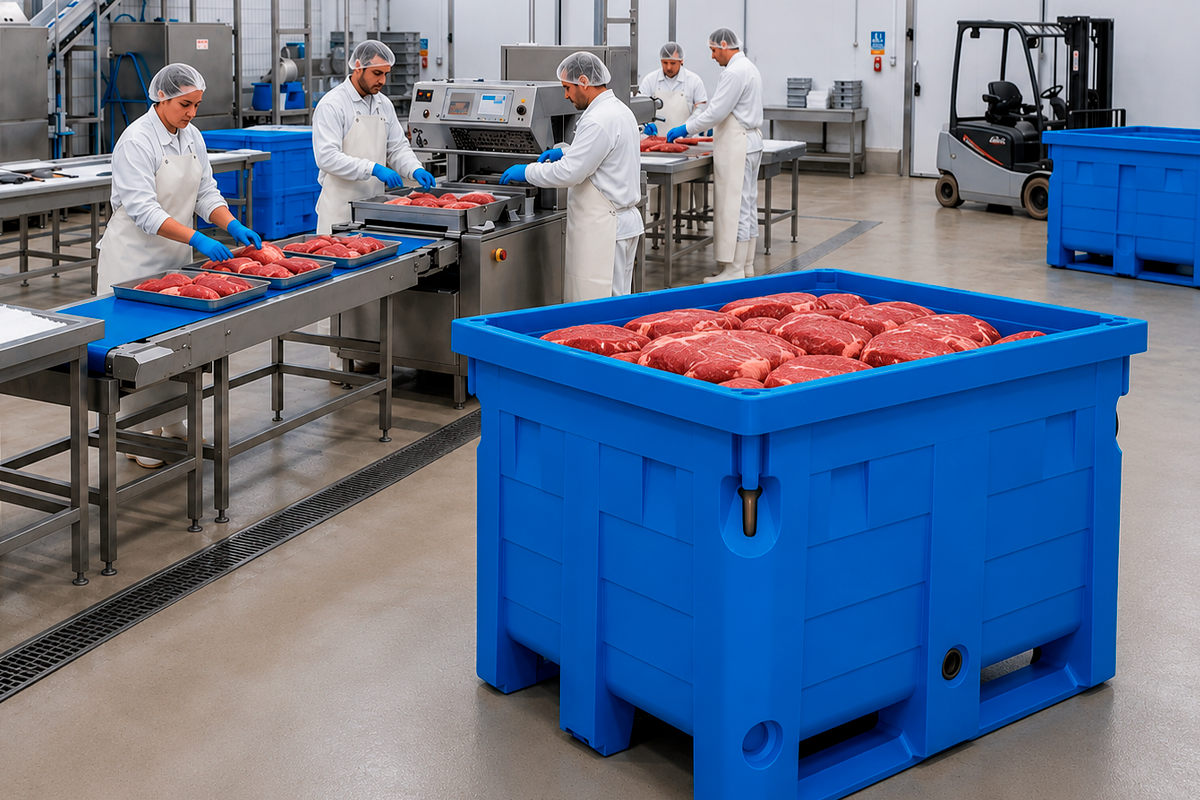
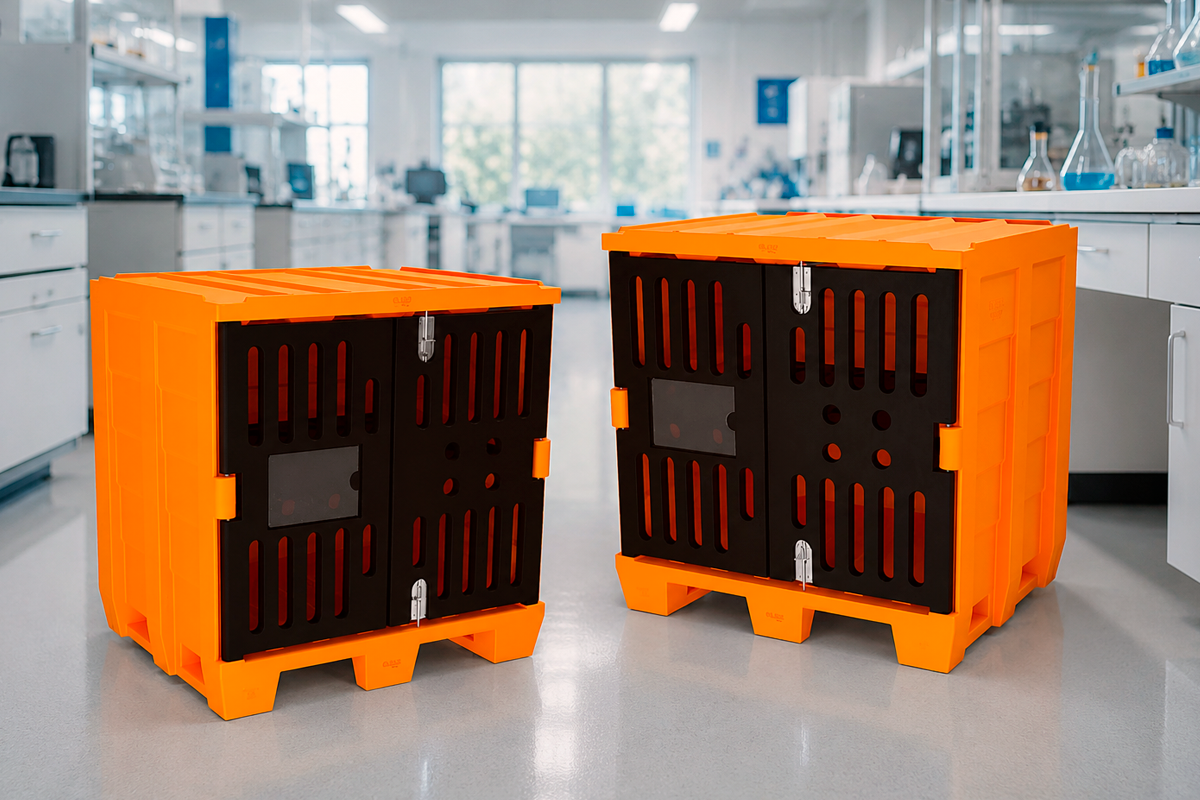
A solution that has proven to be practical and efficient are containment pallets, increasingly used by pharmaceutical companies to store chemical products that need to be packaged with containment requirements.
In addition to preventing liquid leaks, they are easy to transport and can be handled with forklifts or pallet jacks.
Another reason why the product is becoming popular is its certification, which respects the main standards required in relation to environmental safety. pallets are non-toxic, light weight, easily sanitized and monobloc with reversible grids.
A logistics aspect that also deserves attention is transportation. For it to be carried out safely and practically, the peculiarities of each medicine must be met.
Temperature control inside and outside the factory is also important, as most medicines require specific refrigeration.
For this purpose, refrigerated chambers are generally used, which control the temperature and preserve the products kept in stock.
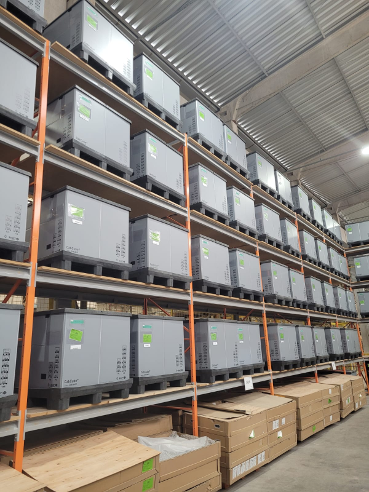
Maintaining control of the validity of medicines, managing stock efficiently, is one of the most important precautions.
To avoid losses, strict control must be maintained, ensuring that the first products to arrive are also the first to leave.
Finally, the standards of the National Health Surveillance Agency (ANVISA) must be followed and adapted to pharmaceutical logistics, so that the Certificate of Good Distribution and Storage Practices can be issued, certifying that the company follows the required regulations.