

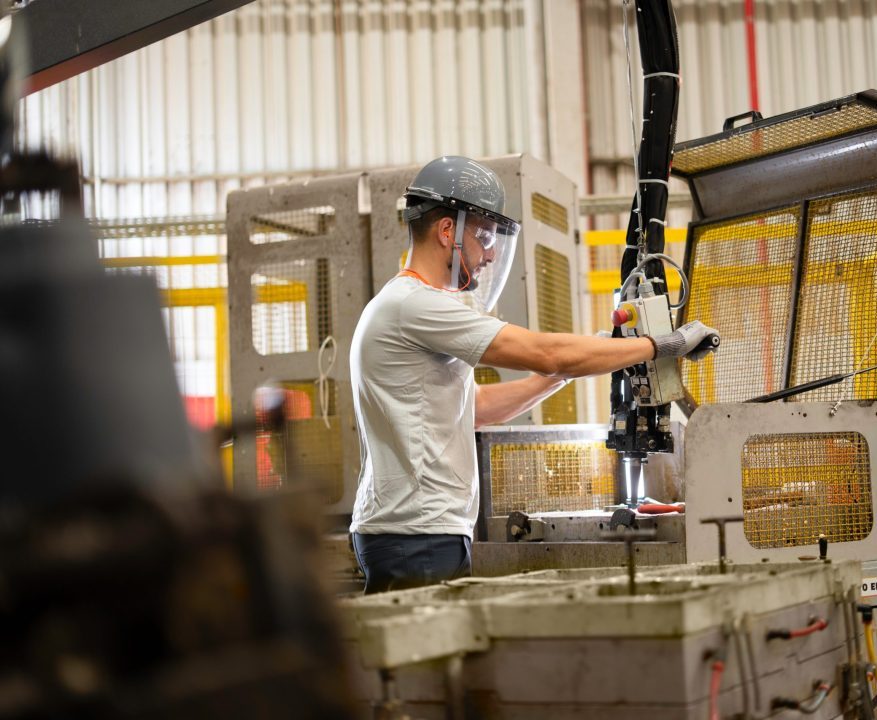
Layout is a strategy for distributing elements in space used in logistics to increase the efficiency of the production process. However, this solution is directly linked to the way machines, equipment and people are distributed in warehouses, stocks and distribution chains.
A well-planned layout allows you to make better use of the available physical spaces and store many more items in the same environment. In this way, it contributes to more efficient movement, with faster flows and greater safety for workers.
Have you ever heard of this concept? Do you have any questions about him? In this article, we will explain the importance of layout in logistics and its relationship with Lean Manufacturing.
Understand how logistics layout works
When we think about producing more in less time, one of the first things that comes to mind is organization. In logistics, the organization and control of physical space are fundamental factors. After all, the current market demands agility and quality in deliveries, and therefore requires a project that favors the movement of materials.
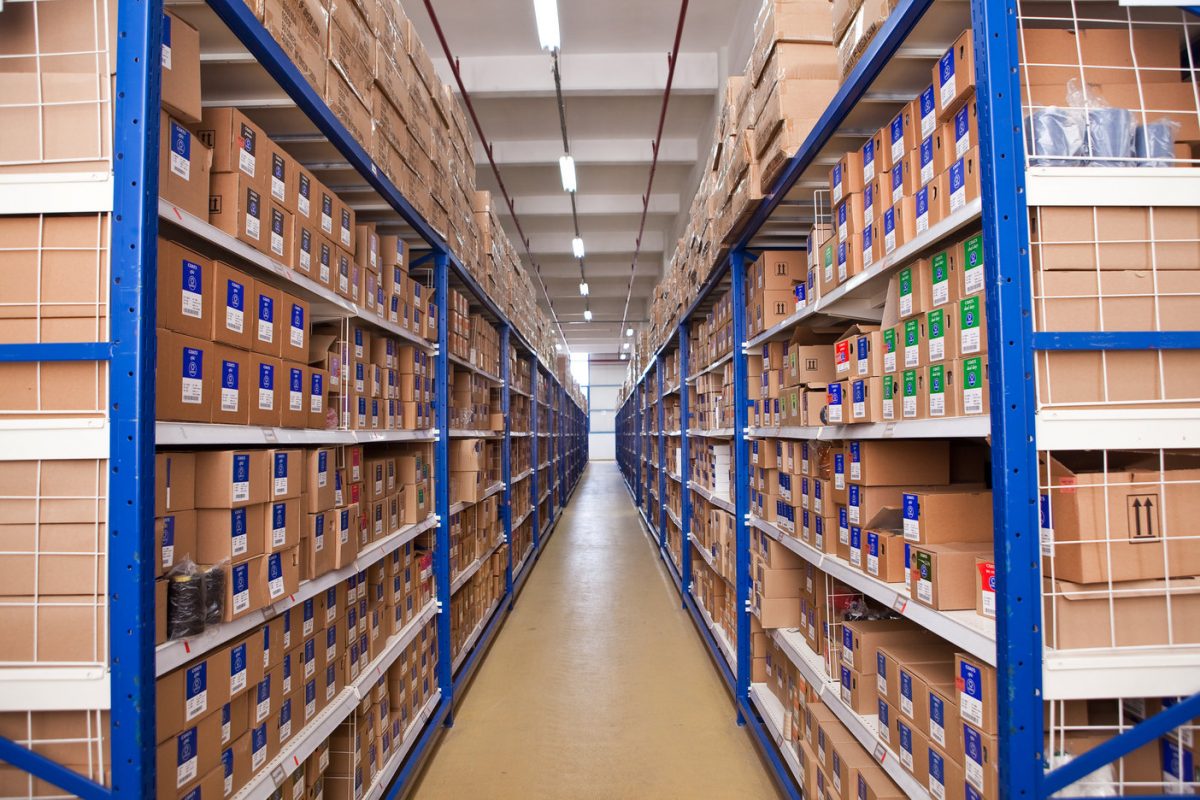
Efficient logistics enable employees to find products on the shelves and don’t have to waste time loading and unloading products.
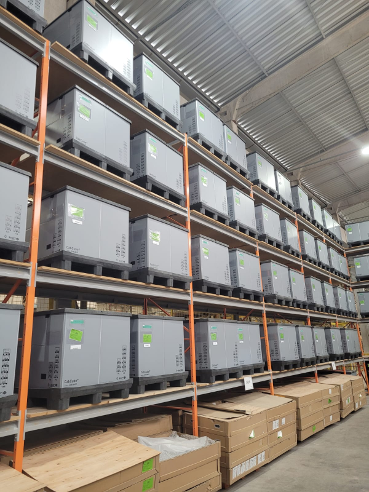
In storage, the layout is used to organize and move materials and people, thus favoring the development of a good physical distribution project.
In transportation, any product moved unnecessarily represents a waste of time and labor. Therefore, every movement must be planned and executed strategically.
Through the layout, you can:
- Position the products with the greatest demand close to the warehouse exit;
- Gather products that are usually shipped together in the same area;
- Better manage space based on the size of goods;
- Organize hallways for better circulation.
These measures allow maintaining a high and constant production flow, thus helping to avoid idle points and improve results in the different sectors.
See the relationship between layout and Lean Manufacturing
Have you ever heard of Lean Manufacturing (in Portuguese, lean manufacturing)? Another trend in the logistics sector, this concept seeks to eliminate waste and minimize errors to make production much more efficient. The objective is to identify the processes that truly add value to customers and reduce waste of time, material and labor throughout the stages.
Furthermore, efficient layout is essential for implementing Lean Manufacturing in a company as it helps to optimize logistics, reduce waste, improve product quality and increase productivity.
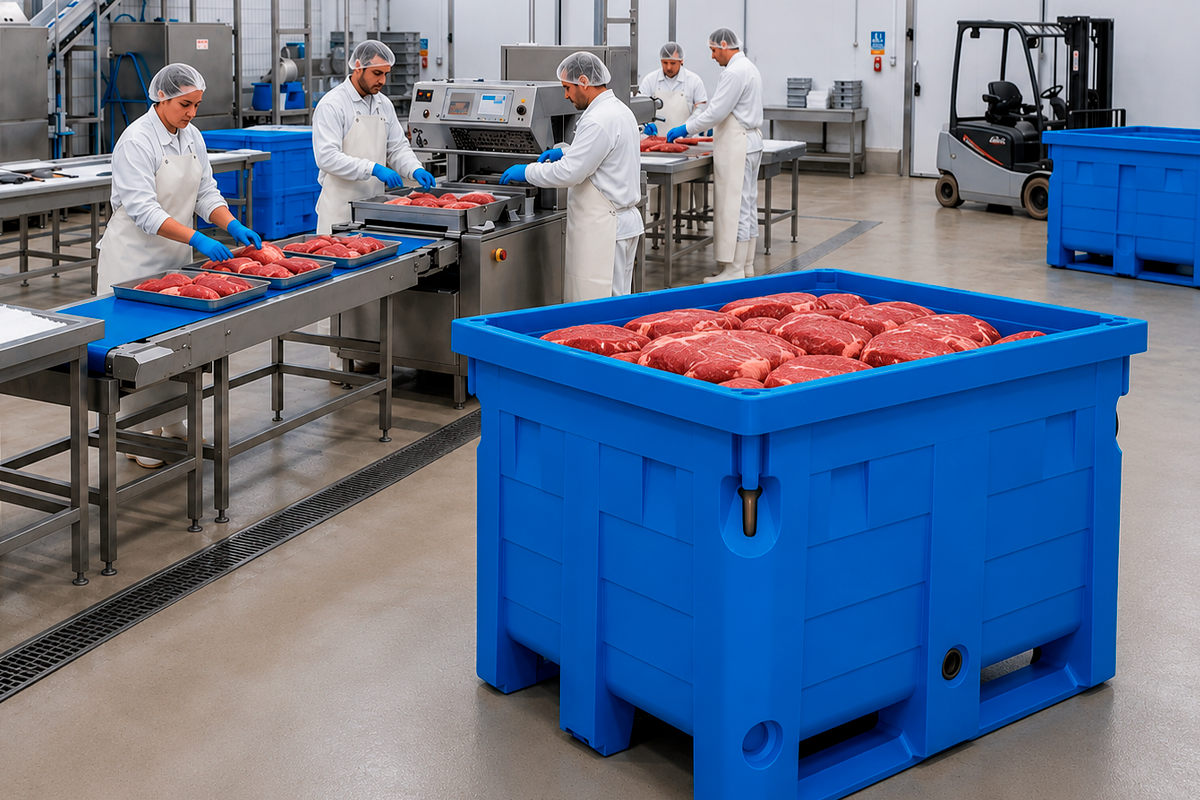
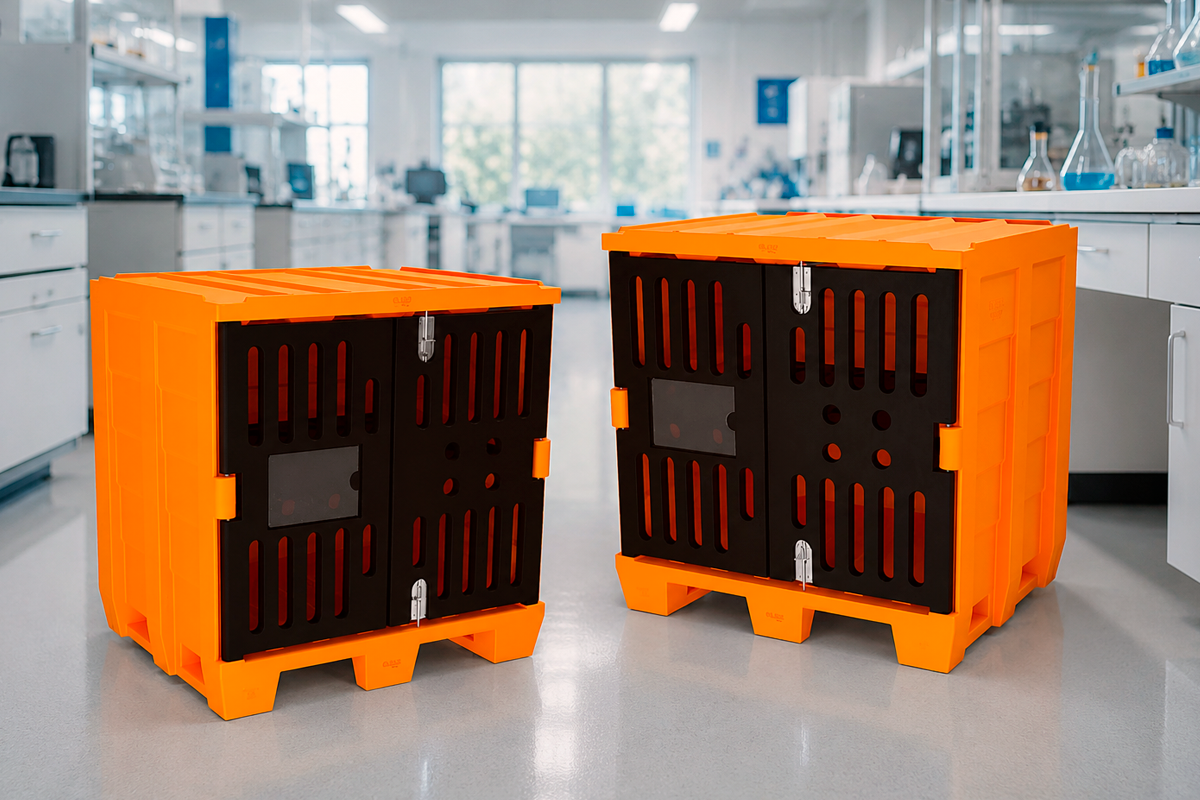
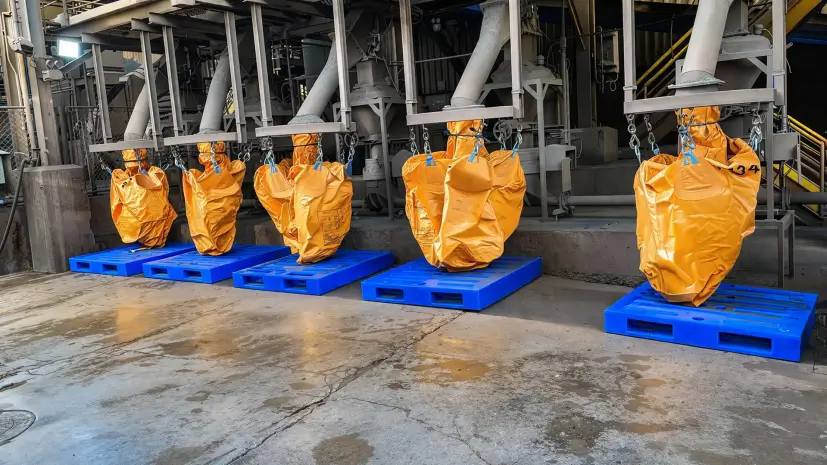
The colorful rotomolded plastic pallet (Super Roto®) plays a crucial role in design and Lean Manufacturing. It facilitates visual management and assigns different colors for the movement of each material, in addition to allowing the implementation of a Kanban-type visual system to control the flow of material and production according to the demands of the production process.
These solutions strategically plan and execute all transportation, movement and storage operations. This way, companies can deliver to customers exactly what they need, in the right quantity and at the most appropriate time.
Strategically position distribution centers
Another point worth highlighting is the location of a distribution center. For a company to achieve good results and be able to deliver efficiently and quickly, it is essential that it studies and plans the locations where it installs these units.
A well-located distribution center brings several benefits:
- Reduces distribution freight costs;
- Enables faster delivery of products;
- Facilitates carriers’ access to cargo;
- Simplifies contact with suppliers;
- Increases consumer satisfaction.
In short, layout plays a crucial role in logistics, increasing the efficiency of processes and making them more agile, easy and economical. These improvements result in smarter and more efficient operations, avoiding idleness and contributing to increased productivity.
What to know more about logistics management and the use of rotomolded plastic pallets? Access here!