

More and more companies are looking for solutions to achieve more efficiency in logistics and the flow of goods and increase productivity. Technological innovations throughout the entire production chain, from production to delivery of the final product, enable greater quality and speed in processes and reduced costs.
With the increase in service quality requirements in the industry, storage is no longer just a necessary investment but has become an important competitive differentiator for businesses. Therefore, the tendency is for storage operations to become increasingly sophisticated.
Learn about the innovations used in the storage sector
Automatic material handling and operation management systems have brought radical changes to the structures of storage and distribution of goods.
A current trend is automation in storage, which now involves resources such as order picking systems, pallet stacker cranes, operations shuttles, telescopic conveyors and management software, so that the entire operation has a minimum of human intervention.
Furthermore, good management of physical and information flow, with the use of integrated management software (ERP), allows adding value to the supply chain and generating savings opportunities for the operation.
In the storage sector, pallets and connected products contribute to smarter inventory management. When transporting cargo, monitoring and tracking goods makes operations faster, more accurate and safer.
Companies are increasingly investing in the automation of their distribution centers. Natura, for example, opened, in 2015, a new logistics distribution center in Itupeva (SP), with capacity to store 3.6 million boxes of products. The structure has 13 pallet stacker cranes, four palletizing robots, 20 shuttles for box operations and two telescopic conveyors.
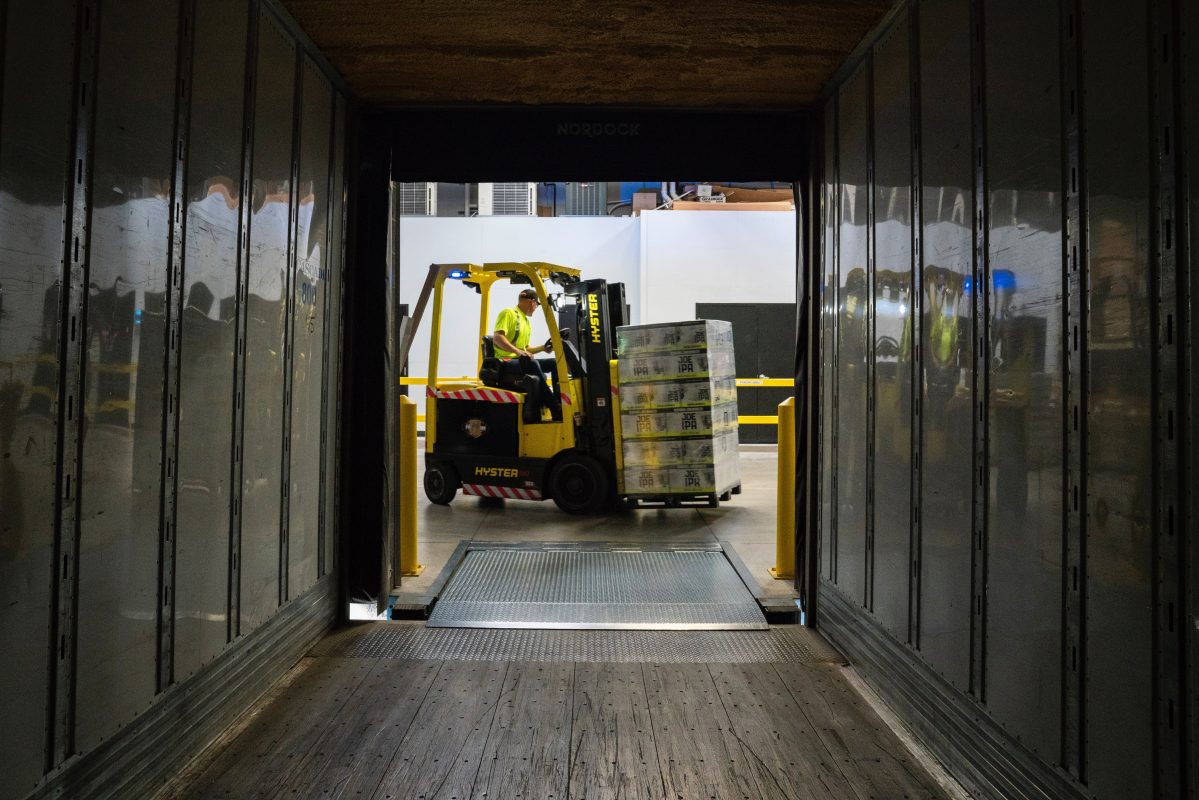
Furthermore, computerized trailers allow fully automatic loading and unloading of products in just five minutes.
See how information technology helps logistics
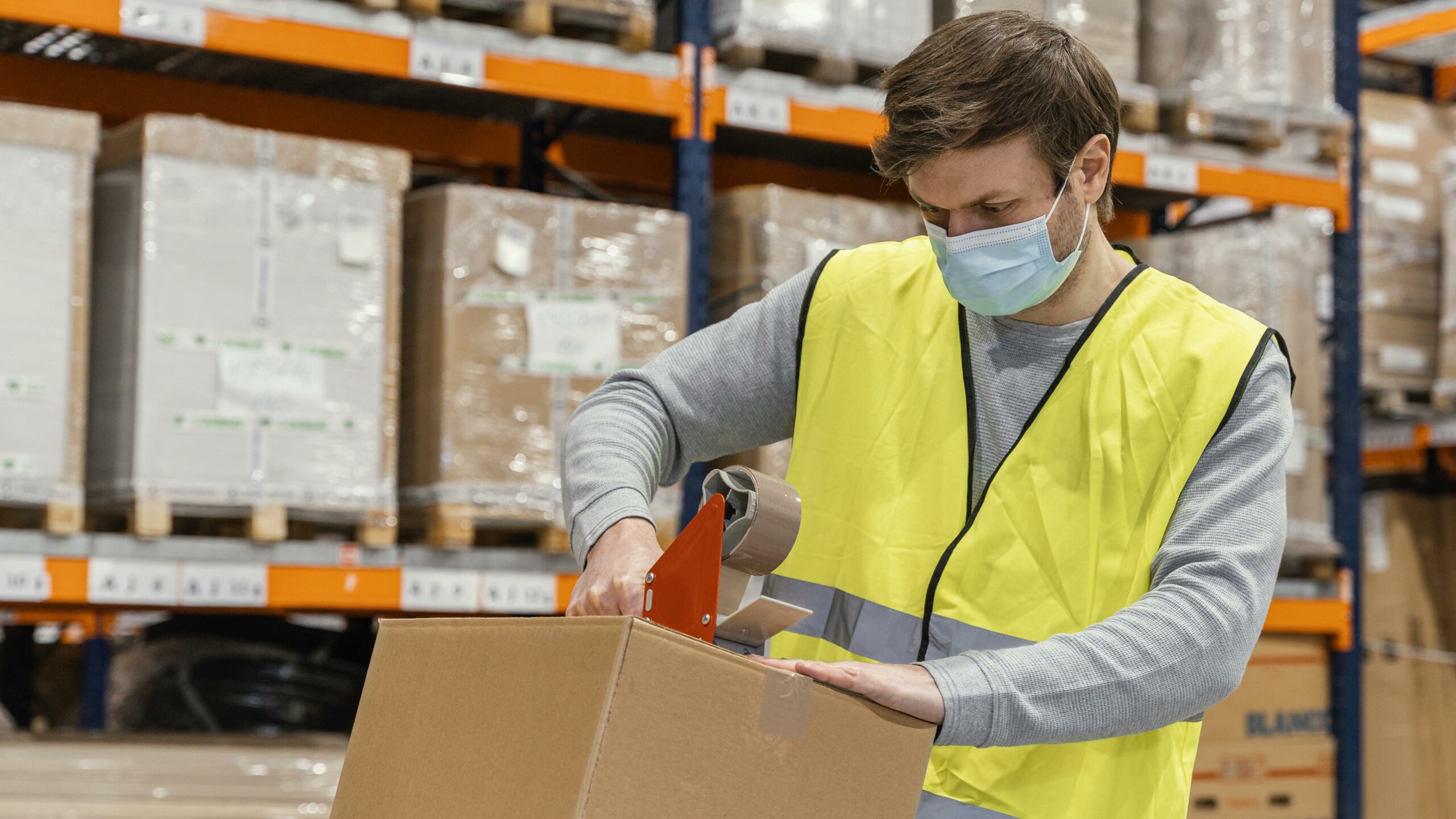
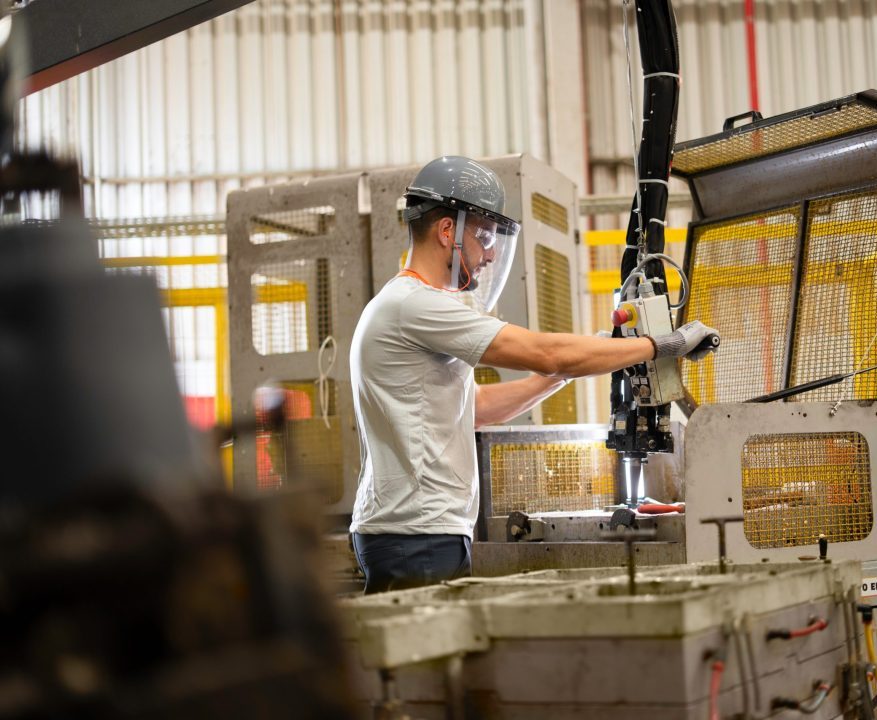
The evolution of information technology has been transforming operations management and logistics. Increasingly, manual and repetitive work will be replaced by robots, with humans only being responsible for the most complex tasks that require creativity. Automation technologies also gain more space, reducing repetitive tasks for employees, avoiding ergonomic problems and work accidents.
Features such as barcodes, EDI (Electronic Data Interchange), RFID (Radio Frequency Identification) and fleet tracking with GPS technology contribute to increasing the speed of information flow and making it more accurate.
Furthermore, assisted workstations come with software that provides instructions to operators on how to position pallets and improve performance, in order to reduce physical effort.
For example, warehouse management systems known as WMS (Warehouse Management System) make it possible to optimize storage activities, with better use of space and greater efficiency in organizing the flow and distribution of products. The WMS system is integrated with an ERP (Enterprise Resource Planning) system to optimize all operational and administrative activities of the storage process.
Furthermore, palletizing robots are other solutions capable of minimizing error rates, making better use of physical space and reducing energy and transportation costs. Although they require a large initial investment, these robots are capable of filling different pallet patterns in a smaller installation area and have a lower operating cost than the conventional storage process.
Discover the benefits of palletization
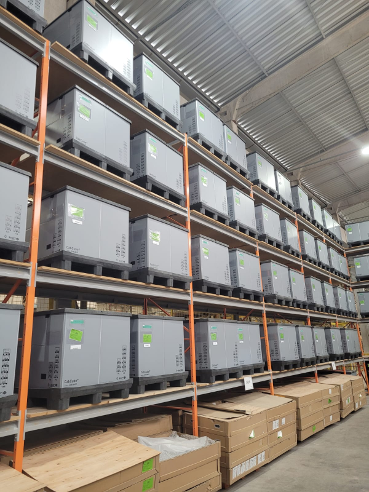
The palletization of the storage system facilitates and speeds up access to each stored pallet, optimizing stock control and adapting operations to any space, size or weight of the merchandise that will be stored.
Palletizing can be carried out in drive-in modes (by accumulation on surface or height), drive-thru (with two aisles for accessing the load, one on each side of the rack) or push-back (storage of up to four pallets deep on each level).

In palletizing, the distribution and height of the racks are determined depending on the characteristics of the warehouse, the storage elements and the equipment used, taking into account the dimensions of these locations. This system allows the use of narrow corridors and greater heights, improving the use of physical space with the use of forklifts or automatic stacker cranes.
Furthermore, it is possible to combine storage with manual picking racks, in order to increase the number of pallets stored, by installing double-depth racks or storing one pallet in front of the other, to allow access from both sides of the aisle.
Understand the necessary precautions in the food industry
Companies operating in the food sector must be very careful to control food safety hazards in order to guarantee the quality of products and avoid the risk of contamination. Therefore, they must observe a series of parameters and care in the production and transportation of products.
To avoid contamination, manufacturers must seek to adopt good manufacturing practices, standard operational hygiene procedures and hazard analysis and critical control points and integrated pest control, taking into account the physical, chemical and biological risks to which food is subject.
The storage of raw materials and food must be carried out in a suitable and organized place, on pallets or suitable shelves, always respecting expiration dates. Furthermore, the storage temperature of raw materials must be compatible with the manufacturer’s recommendations.
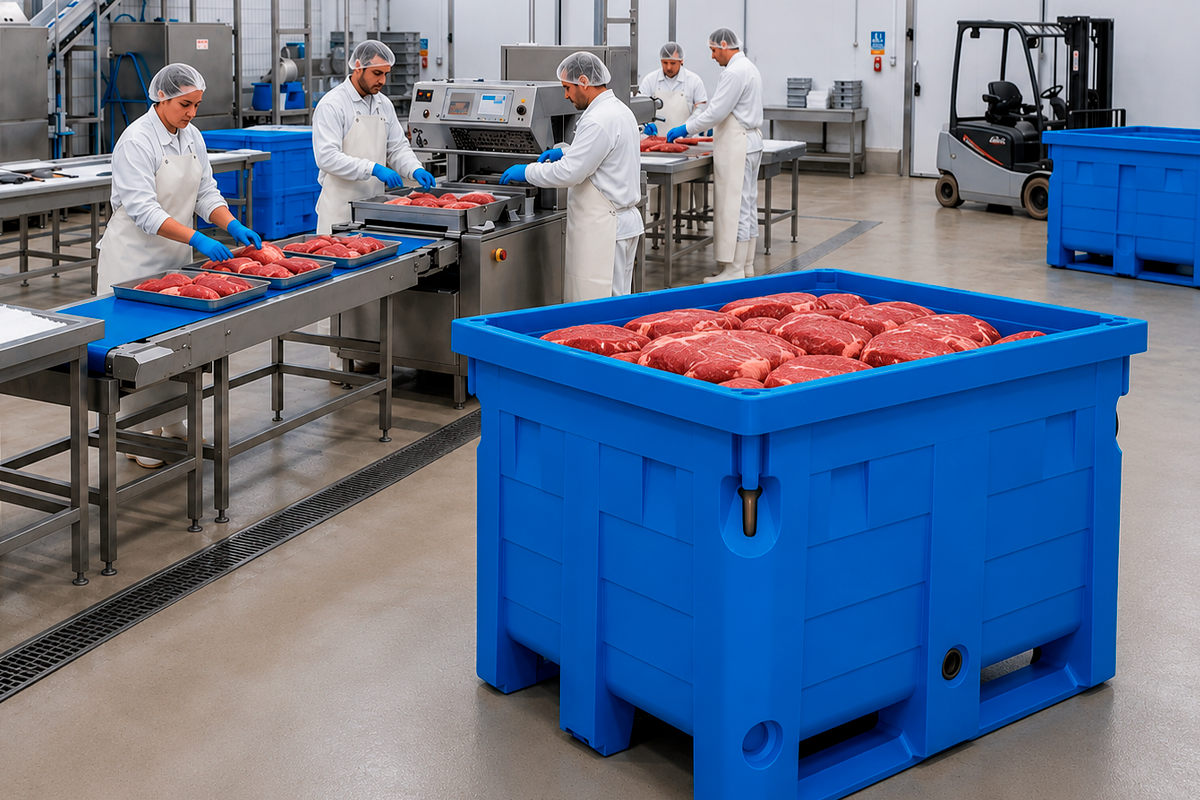
Therefore, when choosing the pallets used for transporting and storing food, the manager must pay attention to the characteristics of the material used, in order to ensure hygiene and cleanliness. Unlike wooden pallets, which store fungi, bacteria and other contaminating agents, rotomolded pallets can be washed and sanitized, thus helping to avoid contamination and meet sanitary requirements.
Understand the importance of using rotomolded pallets
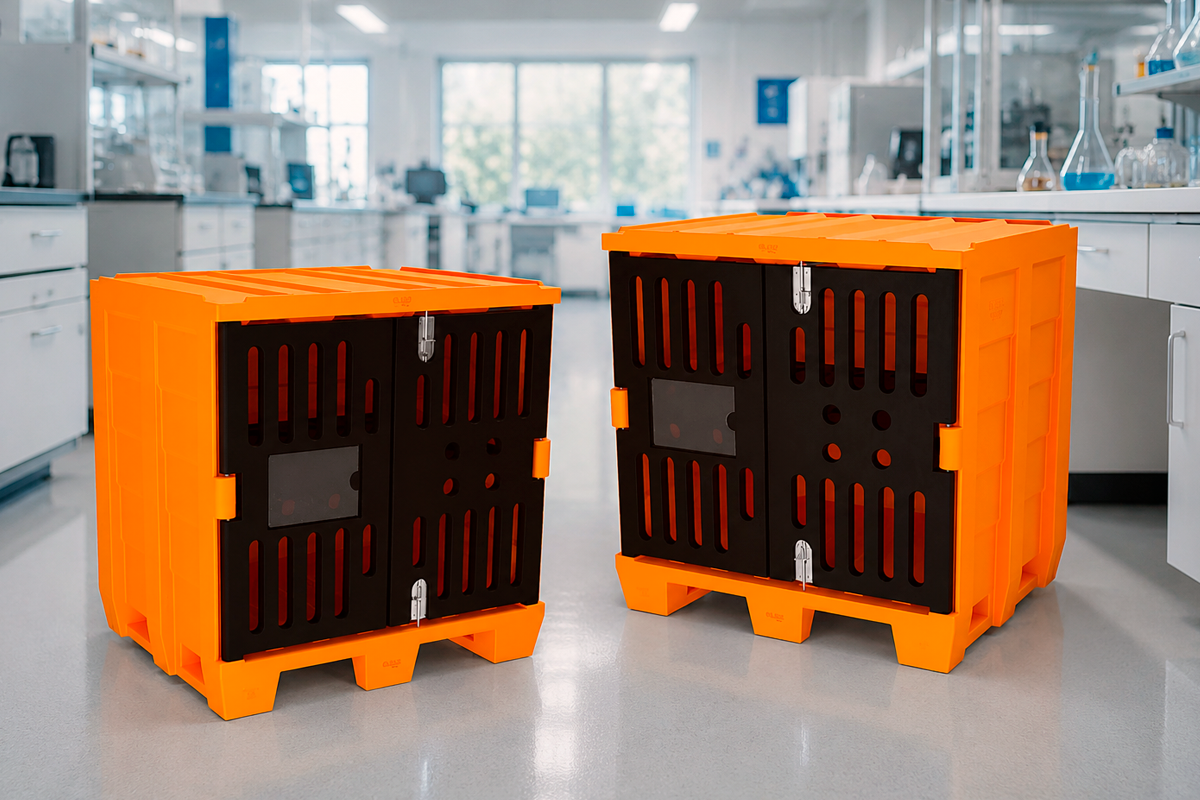
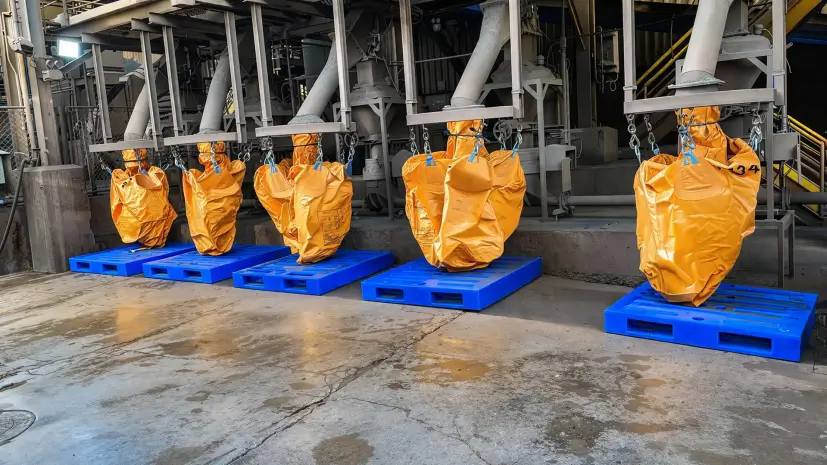
rotomolded pallets are the most suitable for market sectors that require washable and sterile industrial packaging, such as food, beverages and pharmaceutical products. They have important characteristics, such as less contamination of products due to packaging and more efficient logistics.
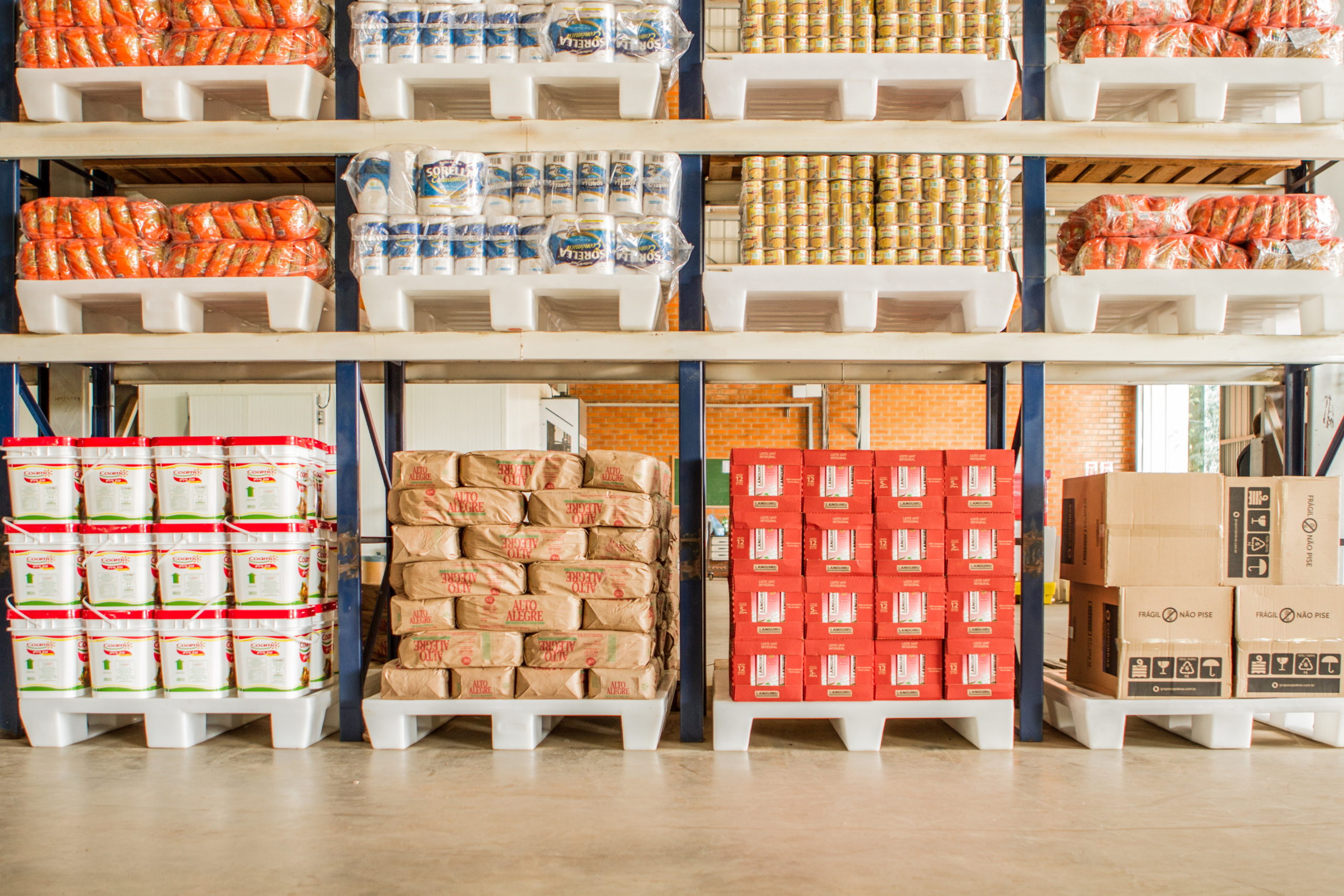
Because it is made from sanitizable and non-toxic material, easy to wash and handle, the plastic pallet can prevent food contamination. The product also receives antimicrobial protection, which prevents the proliferation of fungi and bacteria.
rotomolded pallets are the most suitable for food production, as they are more hygienic, easy to wash and sanitize and meet health standards. Anvisa itself recommends the use of “shelves, pallets and pallets made of resistant, waterproof and smooth material, in order to facilitate cleaning, for storing food, packaging and containers”, according to the Resolution of the Collegiate Board – RDC nº 72 of 12/29/2009.
According to the Agency, all food must be stored in a clean and organized place, protected against contamination, identified and kept on pallets, pallets and/or shelves.
As we have seen, new technologies bring innovations capable of making the production and storage process more agile, efficient and safe, contributing significantly to increasing productivity in the food industry and other sectors.