

In one of our last published articles, we talked about the importance of reverse logistics in the pharmaceutical sector. If you haven’t yet had access to it, click here. Next, we will focus on how to implement it in your business. Let’s go?
Implementing reverse logistics in the pharmaceutical sector
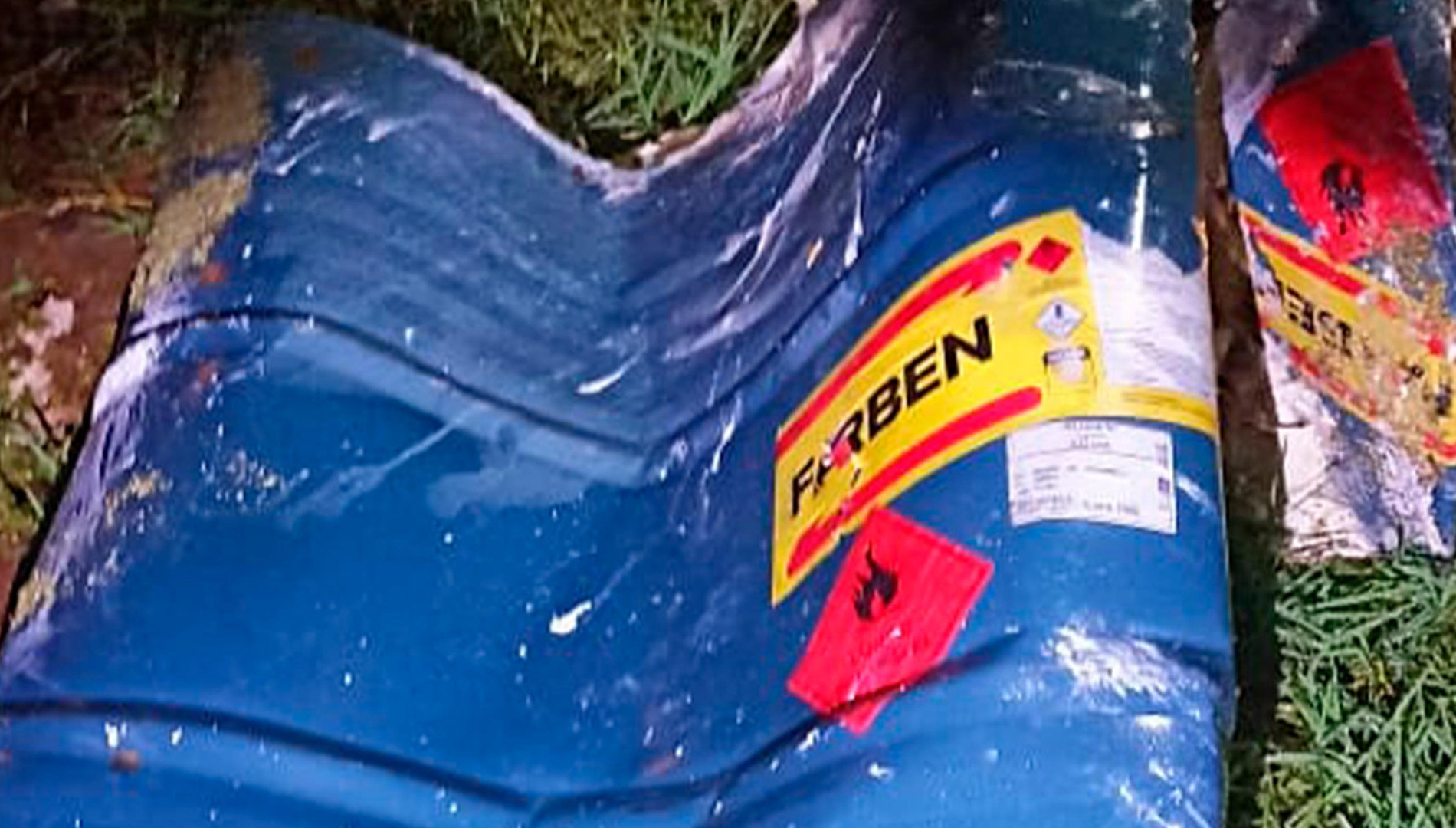
Care in waste management must be observed from generation to final disposal.
Segregation consists of separating waste at the time and place of its generation, which reduces the volume of hazardous waste and the incidence of occupational accidents.
Segregated waste must be packed in bags or containers that prevent leaks and resist ruptures and punctures. The bags must be contained in containers made of washable material, with a lid equipped with an opening system without manual contact.
Sharp materials must be disposed of separately, at the site of their generation. They must be in rigid containers, resistant to puncture, rupture and leakage and with a lid. Furthermore, the reuse of these containers is expressly prohibited.
External storage consists of storing waste containers until the external collection stage is carried out, in an exclusive environment, with easy access for collection vehicles.
Final disposal consists of disposing of waste on soil previously prepared to receive it, in accordance with Conama Resolution 239/97.
See the importance of plastic pallets for reverse logistics
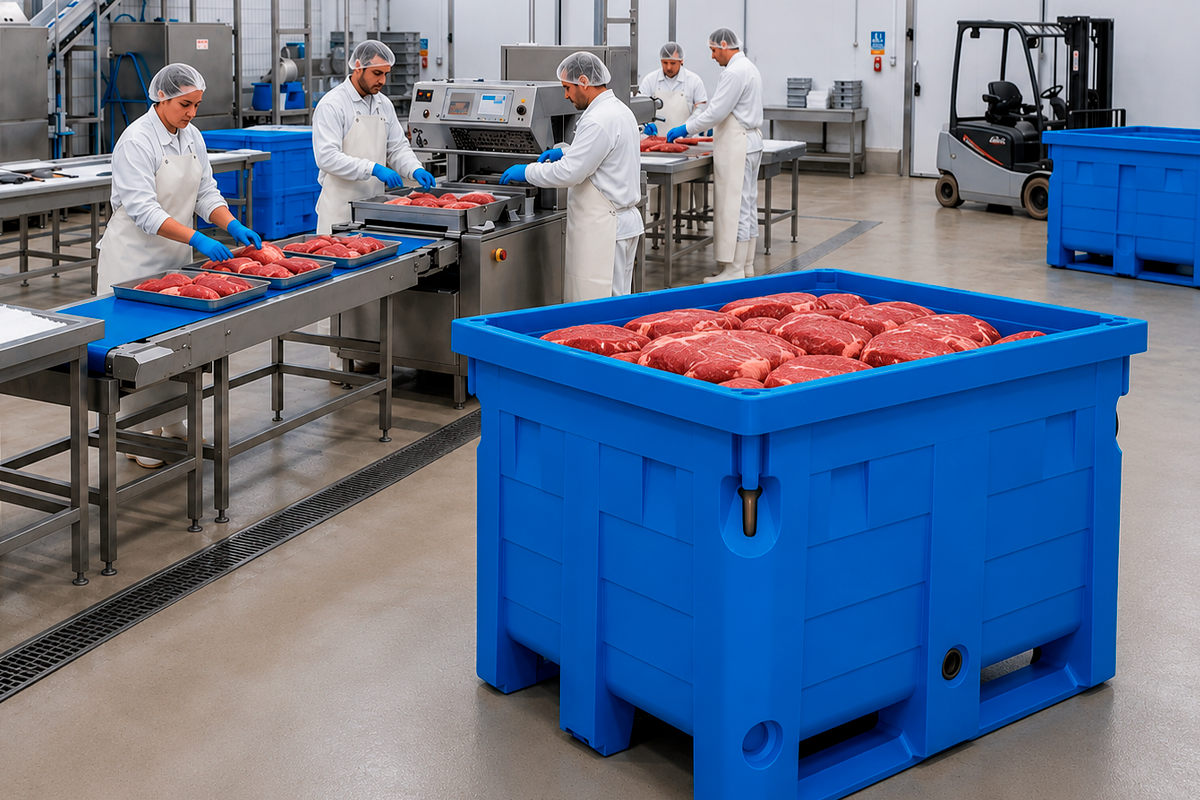
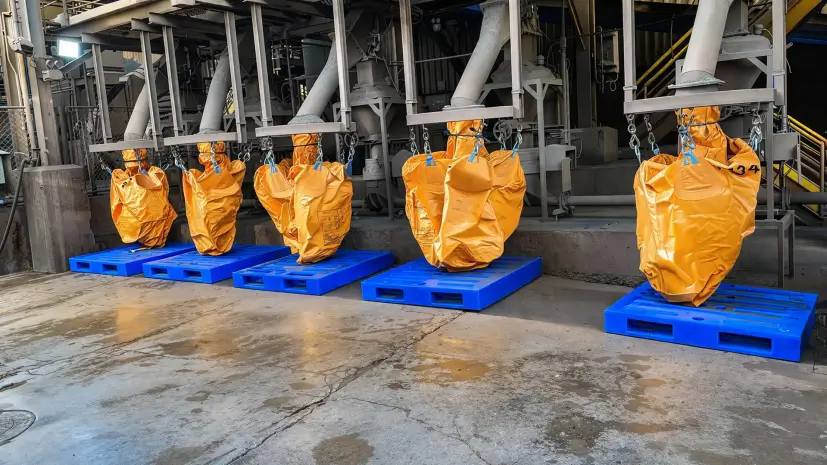
The rotomolded plastic pallet (Super Roto®) favors reverse logistics. This is because it has expressive ownership identifications, which provide information for managing the pallet with a freight agent, exporting company or inter-company material flow. It also enables traceability using, for example, Radio Frequency or RFID identification.
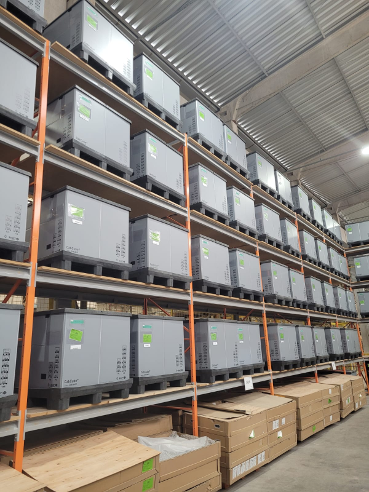
The plastic pallet also has the advantage of being stackable, allowing it to be stored on shelves and reducing the space used. This feature also facilitates reverse logistics. For example, five trailers can transport products on pallets on the way out and then a single trailer is capable of bringing all the pallets back.
Another difference is the concern for the environment. While wooden pallets last two to three years, plastic pallets last more than 10 years. Furthermore, this material can be 100% reprocessed, using the same raw material, and can be replaced for a lower value than the initial cost.
By reducing social and environmental impact, plastic pallets help companies enter new markets, as these precautions are important differentiators today. Caring for the environment and society also strengthens companies’ relationships with governments, regulatory agencies and other influential parties.
The plastic pallet also favors the creation of more inclusive supply chains, as it energizes the team and provides an advantage for the company to attract, engage and retain talent.
Learn more about rotomolded plastic pallets
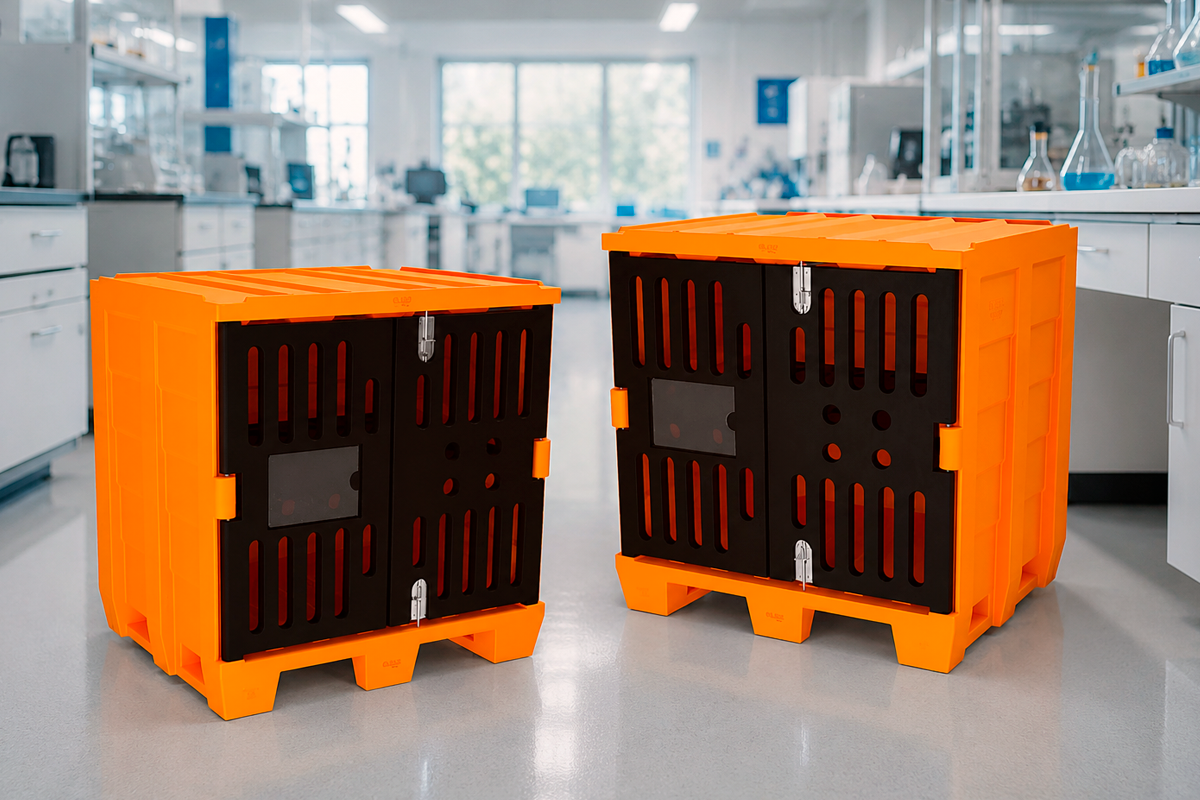
Due to their resistance, rotomolded plastic pallets (Super Roto®) allow the storage of large and heavy products in a vertical position, thus contributing to optimizing the use of physical space and multiplying storage capacity.
Fully interlockable and monobloc, these products do not undergo changes in their weight and measurement characteristics. Another benefit is the reduction in freight costs, as plastic pallets are lighter and their volume can be optimized when empty, also facilitating reverse logistics.
As it is made from sanitizable and non-toxic material, the plastic pallet helps to avoid contamination. Furthermore, it is easy to clean and sanitize, as it has rounded corners, no edges and is immune to external agents.
Furthermore, it does not absorb moisture or suffer from oxidation attack.
The product also receives antimicrobial protection, which prevents the proliferation of fungi and bacteria. The antimicrobial agent (KHER® protection) uses nanotechnology to increase action potential; remaining active, eliminating fungi and microorganisms through contact and reducing the risks of contamination.
As we have seen, reverse logistics is fundamental in the pharmaceutical industry. It reduces the environmental and social impact caused by waste, in accordance with the requirements of legislation.
Did you like this article? Do you want to know more about the advantages brought by plastic pallets? Keep an eye on our blog.