


Logistics is a determining factor in the competitiveness of a company. It helps to increase efficiency and reduce costs in the production process, avoid delays in deliveries and ensure customer satisfaction. In order to achieve the best results, good logistical planning is essential. Next, learn about the importance of logistical planning.
Learn what logistics planning is
Logistics planning makes it possible to create new methods and strategies to reduce costs and increase effectiveness in results, by identifying opportunities to optimize processes.
It involves choosing which techniques, innovations, technologies and mechanisms are capable of controlling the variables involved and achieving the best possible optimization in the sector.
To create good planning for your company, you must offer your customers good quality products at a low cost and be committed to delivering them quickly and in impeccable condition. Therefore, to achieve this, the logistics sector must prioritize efficiency in its processes and be aligned with other sectors of the company.

Learn how to carry out logistics planning
Planning can be seen as a pyramid divided into three levels: strategic, tactical and operational. Each part of the pyramid implies a type of planning to be carried out.
Strategy: firstly, the base of the pyramid is the phase responsible for a company’s most important planning. In it, strategies are decided, mainly in the long term, in accordance with the company’s mission. This strategy is then passed on in a simplified way to be applied with tactical planning.
Tactics: Secondly, the objectives and goals of strategic planning are translated into actions. Practical planning must be divided for each of the company’s departments, such as purchasing, sales, marketing, etc. Managers must think about the best way to coordinate and manage actions so that those responsible for operations can put into practice the strategic planning that senior management desires.
Operational: This phase deals with the execution of the tasks and operations that the managers responsible for the tactical strategy requested to be carried out.
To transform the objectives and goals developed by the company’s management into practical actions carried out by the operational team, it is necessary to prepare appropriate process flows and apply them in supply chain management in all instances. This goes from the connection stage with the raw material supplier to the delivery of the final product to the consumer.
In this way, the company will be able to maintain focus on planning the main logistical processes (transport, inventory, movement and storage) that require greater attention to achieve the best results.
See how to organize your logistics planning
Logistics planning can be mainly separated into three parts:
- * Inbound logistics
- * Internal logistics
- * Outbound logistics
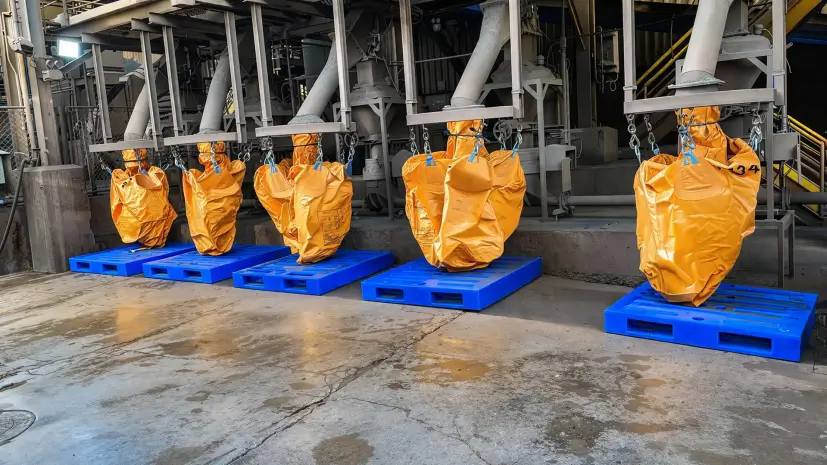
Inbound Logistics is the flow of raw materials delivered to your company to be used in the production process. Planning decides the best way to maintain regular and continuous flows of suppliers, in order to strategically optimize the company’s supply chain.
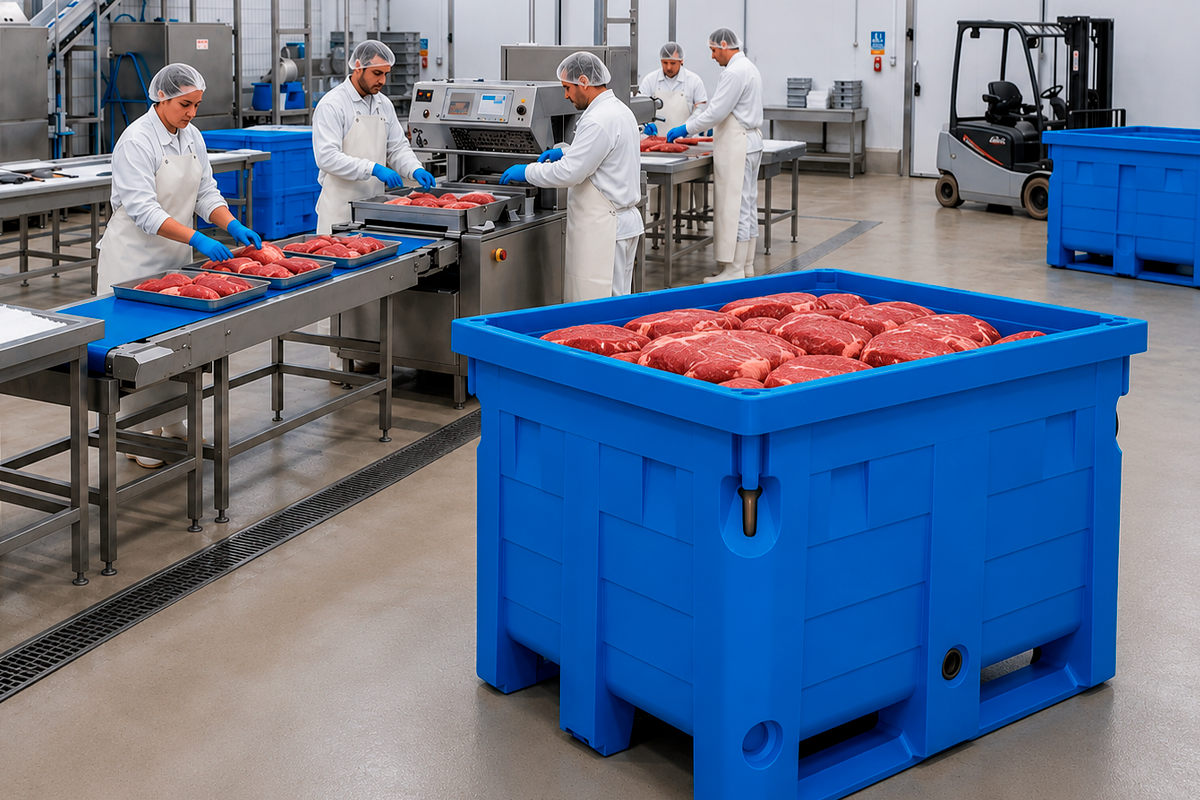
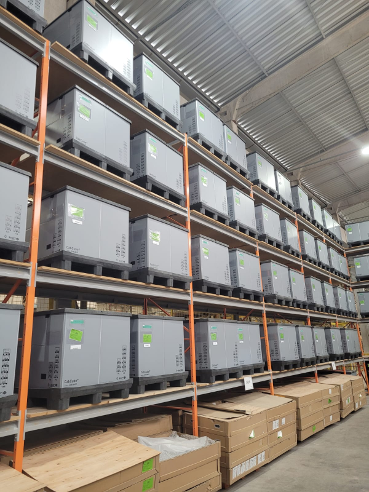
Internal logistics is the circulation of raw materials for products in the manufacturing process and finished products within a company. This phase encompasses all flows, physical movements and support operations that are carried out within the warehouse. Planning seeks to eliminate all tasks that do not contribute to the added value of the product.
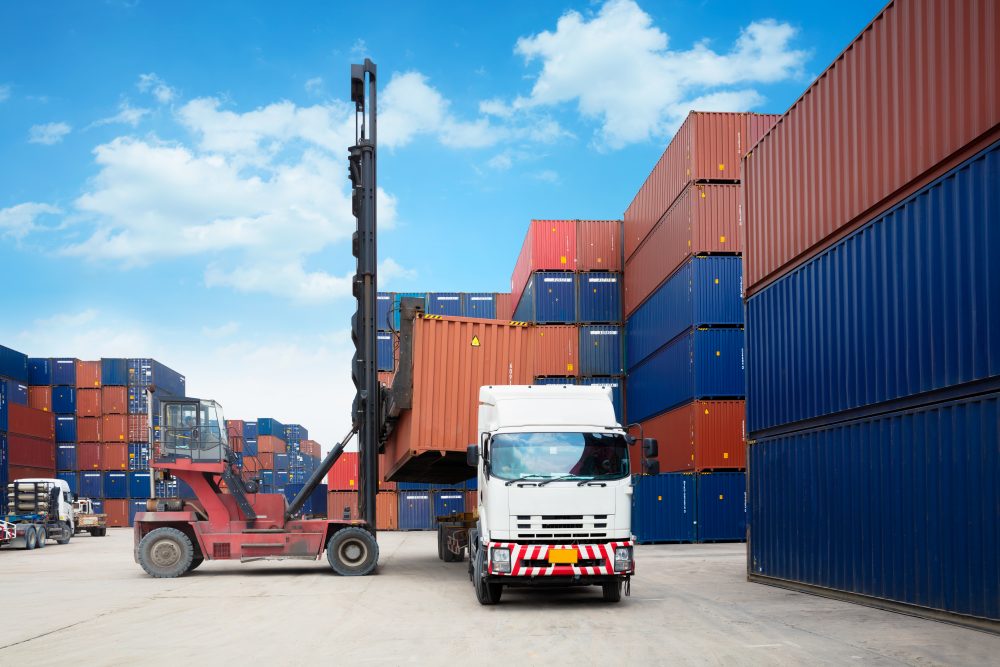
Finally, external logistics is the transportation of finished products. This phase involves the stages of packaging, shipping, maintenance and transportation. Its main objective is to guarantee receipt of the product in accordance with the quality and validity criteria, in order to maintain a relationship of trust between buyer and supplier. To achieve this, planning must determine how deliveries will be made on time by the supplier.
Learn which issues should be observed
Logistics planning must pay attention to which points in the production, transport and storage process can be optimized. You must always have a view of the production chain as a whole, and not just the logistics process. When preparing it, some points must be observed:
- * Choose reliable suppliers
- * Manage efficient, balanced inventory, without working with too large or too small a quantity of products;
- * Seek efficiency in the transport process, seeking good cost-benefit;
- * Use suitable pallets;
- * Choose the best routes for product delivery;
- * Use correct packaging to ensure the integrity of your product until the end customer;
- * Determine acceptable deadlines and maintain the objective of meeting them at all times;
- * Establish constant communication not only with other sectors of the company, but also with partners;
- * Pay attention to the indicators generated by the sector, observing them systemically;
- * Maintain focus on consumer satisfaction.

Understand the importance of pallets for logistics
Currently, pallets are at the center of the supply chain, allowing the transport of goods from the beginning of production until the products are received by the end customer.
When choosing pallets for use in your logistics operations, you must pay attention to the characteristics of the materials that are produced, in order to ensure the hygiene of the PACKAGED PRODUCTS and PALLET SANITIZATION throughout the process.
An advantage of the plastic pallet is its load capacity, as it is capable of supporting large weights. Extremely robust, this product allows boxes to be stacked, thus helping to optimize the use of physical space.
Monobloc, the plastic pallet can be produced with customized dimensions, ergonomic designs and varied load capacities. Therefore, it offers greater versatility of use, resistance, durability and safety in logistics flows.
Furthermore, the palletizing system makes the storage system more agile, practical and economical, enabling greater use of the storage area, better organization of physical space and greater speed in checking and checking loads.
As we have seen, logistics planning is a fundamental tool for optimizing a company’s logistics processes, in order to increase efficiency, reduce costs and ensure customer satisfaction.
Do you understand the importance of logistical planning? Do you want to know more about the importance of pallets to speed up logistics processes? So read this article!