


The medicine market is increasingly competitive. This occurs due to factors such as the popularization of generic medicines, the expiration of patents, increased regulatory requirements and high demands on service levels. Therefore, the sector needs to look for new ways to improve efficiency throughout the logistics chain and increase its profits. To overcome the logistical challenges of the pharmaceutical industry.
10 tips to optimize the main logistical challenges of the pharmaceutical industry:
Choice of suppliers
Raw material suppliers must be evaluated and selected based on their ability to supply products in accordance with technical specifications. Criteria for selection, evaluation and reevaluation must be established.
Team training
The pharmaceutical industry is a sector that requires a lot of attention from employees to carry out their tasks. Therefore, it is necessary that the team is well trained.
Some care with storage and delivery is essential to maintain the integrity of the products. Therefore, employees must carefully follow the manufacturer’s instructions regarding humidity, temperature, exposure to light and other factors.
Care must also be taken to maintain the integrity of the packaging, which must be stored safely and appropriately. Each batch of medicines must be checked accurately. All of this is important to ensure safe delivery of products, in order to avoid theft and theft.
Process automation
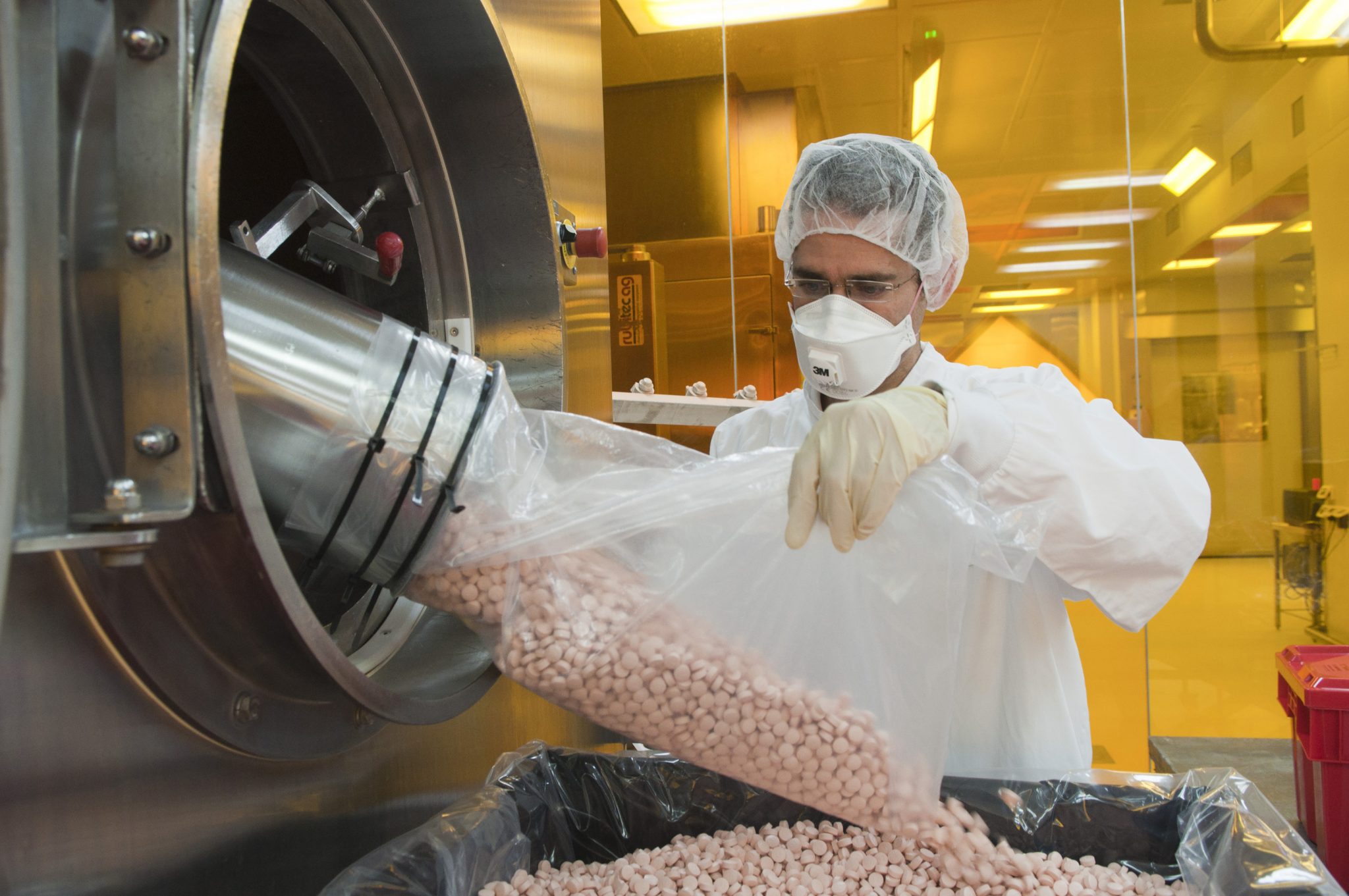
One of the most logistical challenges faced by the pharmaceutical industry is related to automation. This segment needs optimized processes, which make it possible to monitor deliveries and the flow of products. Therefore, high-tech systems that favor the integration and automation of the most diverse areas of the company should be used.
Management software
Computerization helps in decision making and makes processes more agile and efficient. Therefore, management software must be present throughout the pharmaceutical sector, whether in the industrial part, in the commercial area, in the financial department or in the tax sector. They allow you to control the receipt of goods, their validity, as well as the quality of the batch.
Big Data
The technology of Big Data is used not only in research and development of new products, but also in areas such as transport and logistics. This information is important because spaces used for transportation and storage often need to maintain constant levels of temperature, pressure, humidity and lighting.
When equipped with smart sensors and diagnostic systems, delivery vehicles can generate data about their performance, location and availability.
Care during transportation
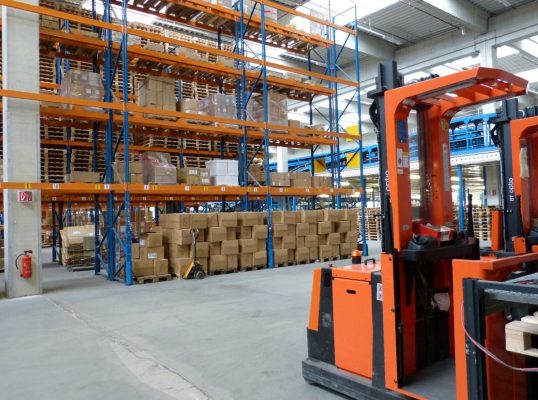
Transportation is also among the pharmaceutical industry’s main logistical challenges. Deliveries must be made quickly or in small orders. After all, medicines need to reach patients in a timely manner and in good condition.
Poor transport and storage conditions can harm products, due to the influence of external factors, such as light, heat, humidity and contact with contaminants.
Therefore, store and transport most pharmaceutical products at temperatures ranging from -150º to 25º to maintain their effectiveness. In addition, strict cleaning and pest and moisture control procedures must be followed.
Monitoring of pharmaceutical industry products
To prevent medicines from suffering damage during transport, it is necessary to carry out strict monitoring of the products from the moment they leave the industry to their final destination.
RFID technology allows the individual identification of the product, its location throughout the entire logistics chain and the monitoring of storage characteristics. This way, it is possible to simplify processes, reduce costs and enhance results.
Proper storage
Storage locations must be properly sanitized and receive adequate lighting and ventilation to receive medicines and other products.
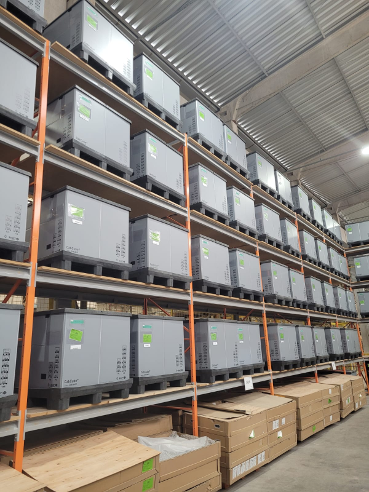
To ensure ideal storage conditions and enable orderly stocking of raw materials and products, it is necessary to design or adapt storage areas. We must keep these areas clean, dry and at temperatures and humidity levels compatible with the stored materials.
In addition, storage must allow batch segregation and stock rotation, obeying the first-out, first-out rule.
Attention to regulations
In addition, the pharmaceutical industry is highly regulated and requires strict controls, which must be complied with at any cost.
To comply with standards, it is necessary to control the validity and management of stock and comply with all standards and ANVISA determinations and the manual on Good Practices in the Transport of Medicines.
Anvisa determines that packaging must protect the contents and that pallets for handling, transport and storage must be manufactured in inert material, which does not absorb water and may contain fungi and bacteria.
See how plastic pallets help with the logistical challenges of the pharmaceutical industry
The rotomolded plastic pallet (Super Roto®) has a smooth, waterproof surface, which minimizes the accumulation or release of particles or microorganisms and allows the application of cleaning agents and disinfectants that act on the entire surface.
The plastic pallet helps to avoid contamination because it is made from sanitizable and non-toxic material. In addition to being able to receive antimicrobial protection, which prevents the proliferation of fungi and bacteria.
The plastic pallet is also resistant to mechanical shock, preventing cracks and cracks, which are anchoring points for fungi and microorganisms that are difficult to clean and disinfect.
In short, careful selection of suppliers, team training, adequate transportation and storage contribute to overcoming the logistical challenges of the pharmaceutical industry.
Did you like this article? Want to know more about how to increase efficiency in the pharmaceutical industry? See este article on essential precautions to increase safety in the sector.