

Brazil has been gaining more and more prominence in the international pharmaceutical sector – among the 10 companies that lead the ranking, five of them have branches in the country. Large international companies, such as the Swiss Roche, the North American Pfizer, and the Swiss Novartis, have branches in Brazil.
In 2017, the Brazilian pharmaceutical segment achieved an increase of 11.73% compared to 2016, totaling R$56.8 billion in sales in the national market, made up of 241 laboratories.
To keep up with the growth of this field, investing in technology has become essential. Technology is applied in the most diverse stages of the pharmaceutical industry, mainly in research and development of new products, but also in areas such as transport and logistics.
See how technology is present in all sectors
Technology is used in research with the main purpose of generating knowledge and using it to develop new medicines and improve processes.
In the area of clinical research, technology allows medicines to be tested for their efficiency, safety of use and side effects.
Computerization helps in decision making and makes processes more agile and efficient. Software allows you to control the receipt of goods, their validity, as well as the quality of the batch.
Management software is present throughout the pharmaceutical sector, whether in the industrial part, in the commercial area, in the financial department or in the tax sector.
Software also makes it possible to manage raw materials, providing information about product prices, their validity and the quality of the batch. They also allow you to place purchase orders and control the receipt of goods.
In the financial department and controllership, the new solutions benefit operations control, integration with business areas, calculation of results and investment control.
The technology is also used in product traceability, with the aim of tracking medicines in case of theft and preserving product quality. All transport of medicines is accompanied from the factory to the final destination.
Learn about recommended manufacturing practices
To ensure that new products in the pharmaceutical industry are produced with appropriate quality standards and with a minimum of health and contamination risks, it is very important to pay attention to Good Manufacturing Practices (GMP), recommended by RDC 17/10.
Care must be taken from the acquisition of raw materials to the production process, including operations for receiving materials, preparing medicines, processing and packaging.

The facilities must offer adequate conditions for operations, in order to minimize the risk of errors, enable cleaning and maintenance, and thus avoid cross-contamination or any adverse effect that could affect the quality of the products.
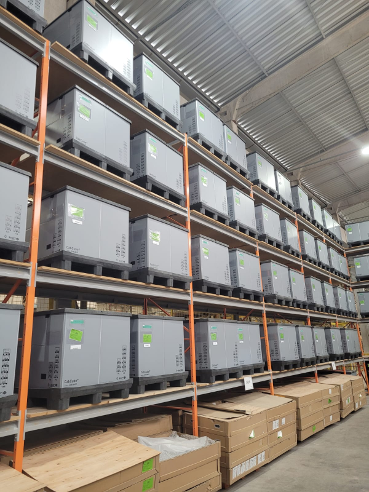
Washing, cleaning and drying equipment must be chosen and used so as not to represent a source of contamination. Storage areas must be clean, dry and maintained at temperatures and humidity levels compatible with the materials stored.
Poor transport and storage conditions can harm products due to the influence of external factors, such as light, heat, humidity and contact with contaminants.
To reduce contamination risks, direct contact between the operator’s hands and raw materials, primary packaging materials, intermediate and bulk products must be avoided. Furthermore, it is necessary to pay attention to the type of pallet used, the temperature and humidity in storage, among other factors.
Learn how technology can help with storage and transportation
Health regulations state that equipment used to transport and store medicines must be in good clean and maintained conditions. Anvisa determines that packaging must protect its contents and that pallets for handling/transport and storage must be manufactured from inert material that does not absorb water and may contain fungi and bacteria.
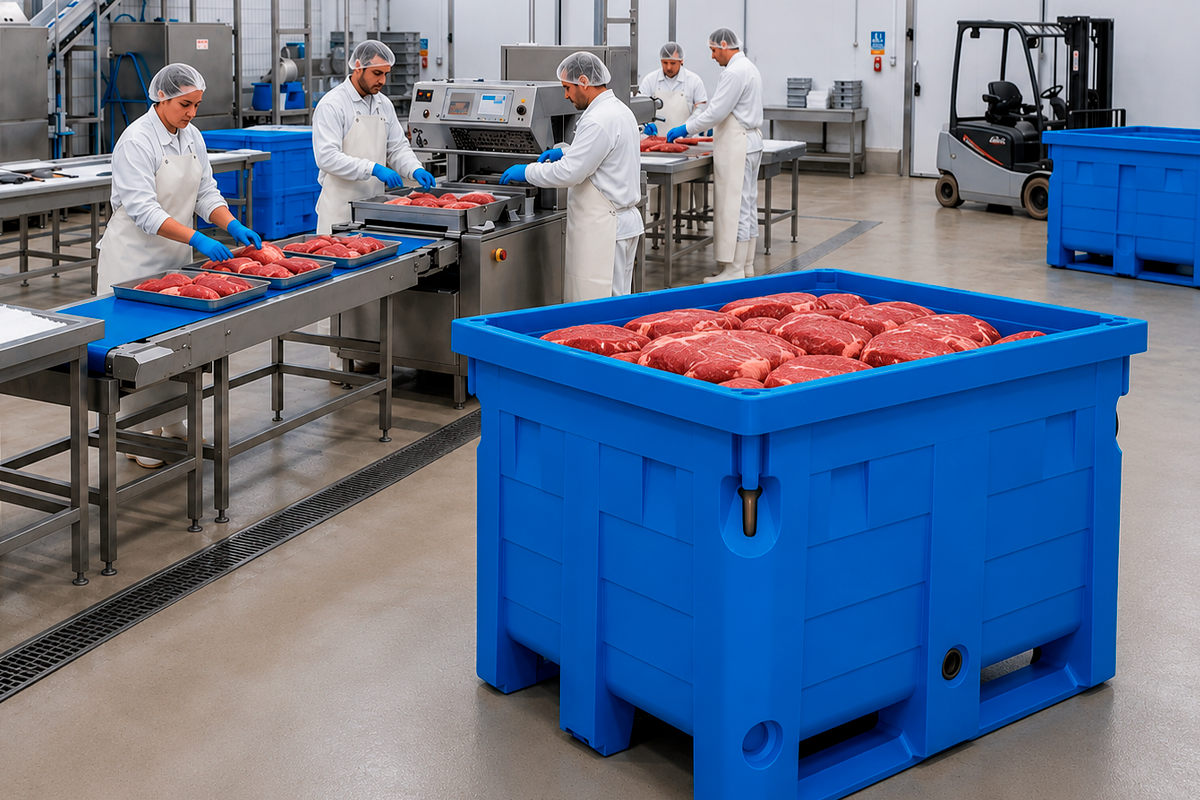
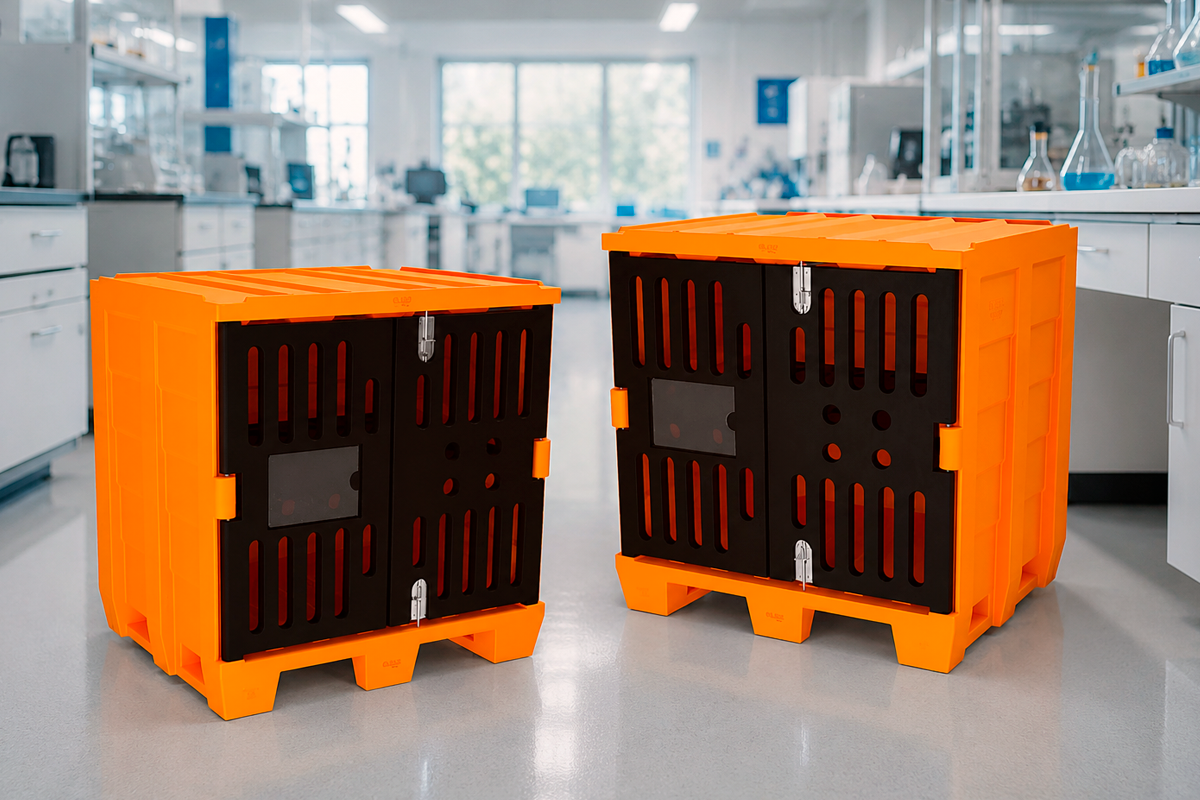
To meet these requirements, plastic polymer pallets were developed, which are more suitable for sectors that require washable (hydrophobic) and sterile industrial packaging, such as pharmaceuticals, than the old wooden pallets. The main characteristics of rotomolded plastic pallet are reduced packaging weight, less contamination of products by packaging and more efficient logistics.
This material offers many advantages: it is non-toxic, resistant to chemicals, 70% lighter than wooden pallets, allows cleaning and does not absorb moisture. Furthermore, the plastic pallet has antimicrobial protection, which prevents the proliferation of fungi and bacteria, reducing the risk of contamination.
Discover the advantages of containment pallets
To guarantee the quality and safety of the entire pharmaceutical industry production process and comply with health and safety standards, the Tecnotri containment pallets were developed. Also called container pallet or containment basin, it is used to ensure the containment of leaks from drums and drums.
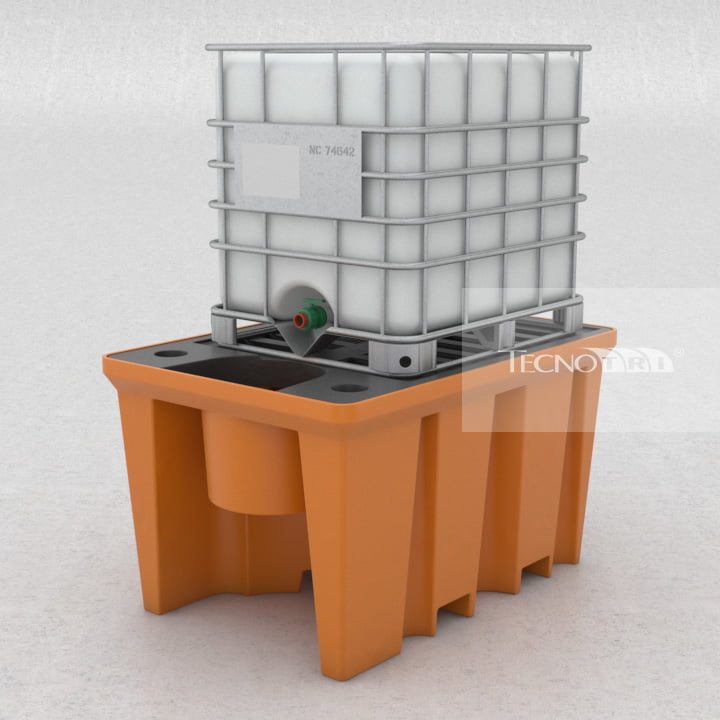
The containment pallet prevents the leakage of chemical, flammable, acidic and corrosive liquids stored in drums and drums. Furthermore, it allows any spilled liquid to be reused.
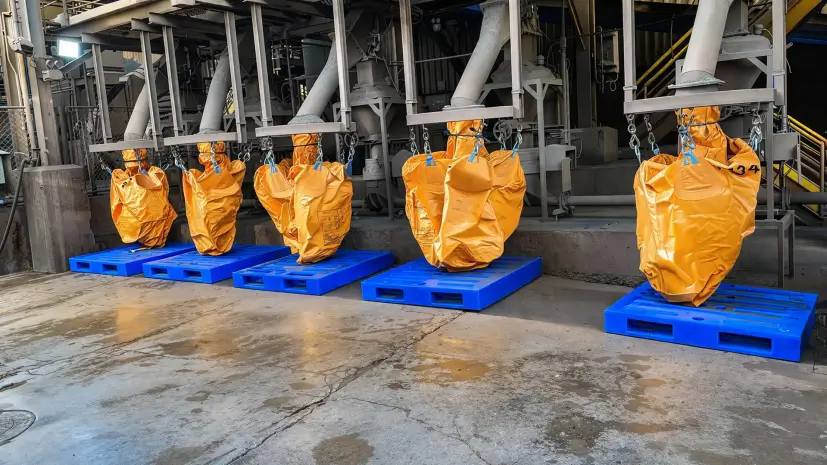
Lightweight, non-toxic, easy to disassemble and sanitize, the Tecnotri rotomolded containment pallet is easy to transport and can be handled with forklifts or pallet trucks. Furthermore, it has a reversible face (grid), capable of accommodating drums on one side and packages of different sizes on the other.
As we have seen, technology in the pharmaceutical industry has been bringing important resources and differentiators to ensure good product manufacturing practices and also guarantee safety and quality in the transportation and storage of products.