


The Resolution of the Collegiate Board (RDC) 430/2020, which provides for Good Practices in the Distribution, Storage and Transport of Medicines, came into force on March 16th.
The new Law specifies the conditions for transport and storage of medicines, including special requirements for temperature, humidity or exposure to light. Furthermore, suitable pallets must be used during all these processes.
In this article, we will explain the main changes brought about by the new standard and how to adapt to them.
Main changes brought by RDC 430
RDC 430 concerns guidelines for standards and good practices regarding the distribution, storage and transportation of medicines. Anvisa (National Health Surveillance Agency), coordinated by the Ministry of Health, prepares and monitors these standards.
The resolution applies both to companies in the pharmaceutical sector, such as laboratories, pharmacies and distributors, and to logistics companies that transport and distribute these products.
This new regulation has as its strong point the concern for the quality and safety of medicines in circulation. This care is important, as health requirements vary greatly between different locations in the country, which can compromise the effectiveness of the medicines transported.
All parties involved in production, storage, distribution and transport must be responsible for the quality and safety of medicines. However, this standard does not apply to companies that transport raw materials, medicinal gases or labels and packaging.
Quality Management
In the Quality Management section, we have articles that describe the procedures and processes necessary to ensure the implementation and maintenance of a quality system. In this sense, it involves the coordination of document management, the adoption of a self-inspection program and the control and management of changes.
Establishments that carry out distribution, storage or transportation of medicines must be able to document, verify and ensure the specific requirements for each process that impacts the quality of the products.
Quality management also ensures that the legal requirements for health licenses and operating authorization for members of the distribution chain will be met. Furthermore, it is necessary to guarantee the integrity and traceability of medicines and data related to commercial transactions.
Transportation and Storage in Transit
With regard to the requirements in the environment for moving medicines, several precautions need to be observed to guarantee the quality of the products. The highlight is the issue of monitoring the temperature and humidity of the environment during transport.
In accordance with art. 64, companies that transport medicines must have a manifest of the transported cargo with the expectation of unloading on board the transport vehicle. In addition, they need to monitor transport conditions related to the medication’s temperature, packaging, storage and humidity specifications using calibrated instruments.
Vehicles, equipment and containers must not expose medicines to conditions that could affect their stability and the integrity of their packaging or generate contamination of any nature. Furthermore, shared transportation with other product categories is only possible when the risks have been analyzed, mitigated and concluded as acceptable.
Thermolabile Medicines
One of the highlights of this resolution is the provisions regarding thermolabile medicines. As they are especially sensitive to temperature, they need to be stored and transported in an appropriately refrigerated environment, averaging 2°C to 8°C.
We must monitor and control the temperature during storage and transportation. Furthermore, we must develop contingency plans to protect thermolabile medicines in the event of a power failure or storage equipment failure.
Necessary care in distribution and storage
RDC 430 includes a set of actions that ensure the quality of medicines through adequate control during the distribution and storage process. Good Distribution and Storage Practices (BPDA) help protect the distribution system against counterfeit, disapproved, illegally imported, stolen, damaged or adulterated medicines.
Storage areas must have the necessary equipment and instruments to control and monitor the required temperature and humidity. In addition, the facilities must have smooth surfaces, without cracks or dust release, to facilitate cleaning and avoid contaminants. We must clean them with the help of equipment and cleaning agents approved for this purpose.
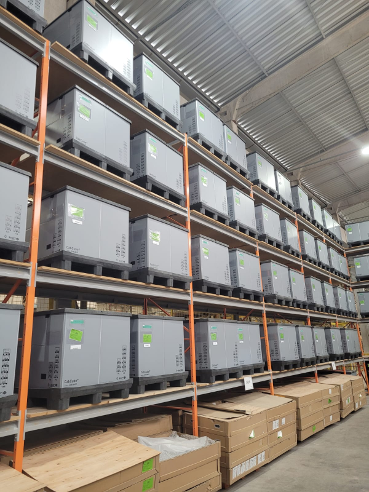
Also in accordance with the new Law, those responsible must not place medications directly on the floor or against walls. They need to keep a minimum distance from the roof and should not be in direct sunlight.
Article 52 specifies the care regarding the pallets used. According to the text, pallets must be made of material that allows cleaning and does not constitute a source of contamination, such as treated wood, aluminum or plastic materials. These requirements also apply to transportation, storage in transport or when storing products by logistics operators.
However, wooden, aluminum or stainless steel pallets are heavier, making transportation and handling difficult. Furthermore, these pallets tend to damage the floor and walls of the factory, leading to the accumulation of dust and facilitating the presence of microorganisms, such as fungi and bacteria.
Rotomolded Solutions meet Anvisa’s requirements
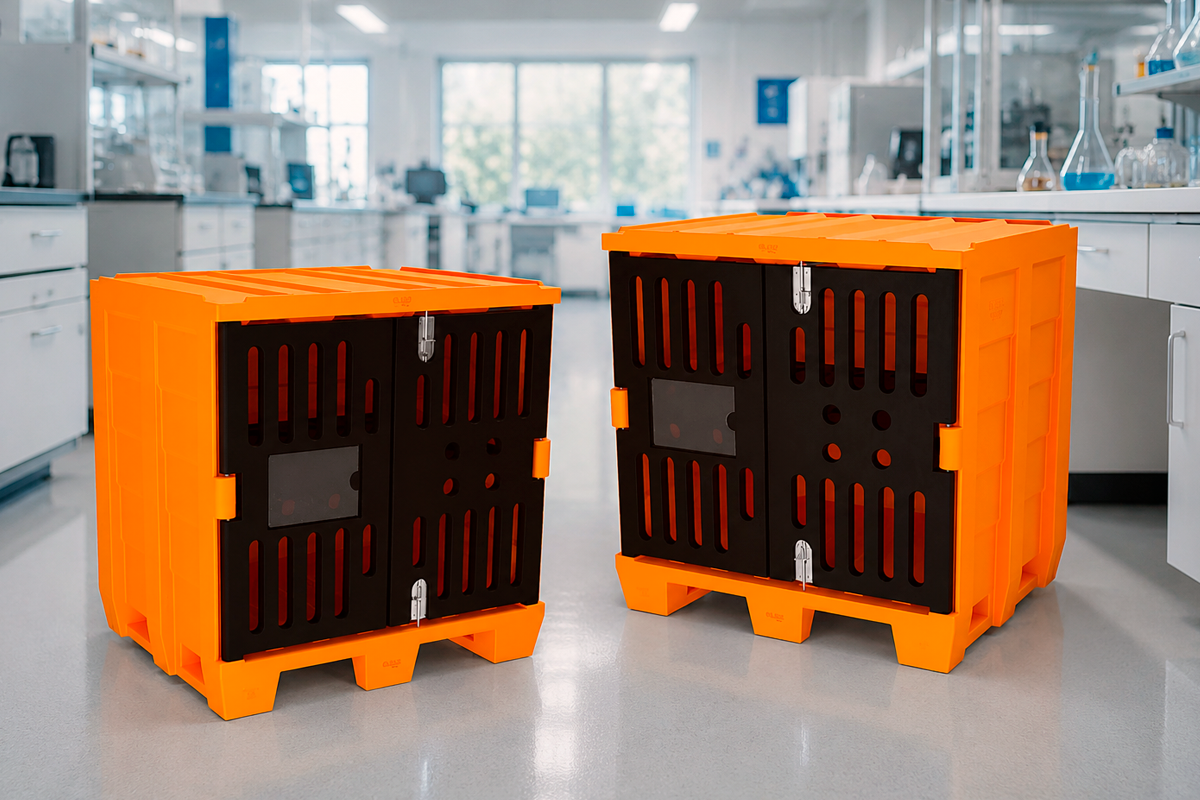
Pró Therm Cargo Safes, developed for safe and effective transportation of supplies and medicines, also comply with RDC 430.
The Pro Therm Cargo Safe Line is produced with 100% material virgin and UV-14 additive, in addition to being impervious to water and dust. The solution also guarantees the integrity of products and inputs transported between -70º to + 60º.
In addition, as they are rotomolded, Pró Therm Safes have smooth, impermeable surfaces, which minimize the accumulation or release of particles or microorganisms and allow the application of cleaning agents and disinfectants that act on the entire surface.
Do you want to know which cargo safe is best suited for your company? Download this comparison and find out.