

The food industry requires rigorous care in the production, transportation and storage of its products. After all, the sector requires clean and sanitized environments, capable of guaranteeing food safety and avoiding contamination.
A very important aspect to be observed is the way food is transported and stored. Due to their porosity, wooden pallets are not the most suitable for food logistics, as they make hygiene and sanitization difficult.
But do you know why wooden pallets pose greater risks of contamination? What does the legislation determine on this subject? See below what are the main problems arising from the use of wooden pallets and find out how to avoid them.
Understand the risks posed by using wooden pallets
According to Anvisa, food production requires a high level of cleaning and sanitation in the facilities and care for the materials and equipment used. The use of wooden pallets poses many risks to food safety, as this material makes cleaning and hygiene difficult and is subject to contamination by fungi and bacteria.
As it is a porous material, which stores water, food waste and microorganisms inside, wood presents a greater risk of contamination. The Ministry of Health itself determines that the use of wooden pallets should be avoided, as cleaning and sanitizing wood is practically impossible after contact with water.
In addition, wood brings many other drawbacks:
- This raw material must not come into contact with sanitizing agents, as there may be chemical contamination and the material may end up crumbling
- The wooden pallet may have splinters and nails, which accumulate dirt and are dangerous to handle
- This product is subject to changes due to exposure to weather conditions, and can increase its weight by up to 30% when exposed to rain. This variation increases the freight cost of cargo and makes logistical control difficult.
- Due to its low durability and resistance, it has a short useful life, of a maximum of three years. Furthermore, it requires constant maintenance
See what regulatory agencies say about wooden pallets
To obtain better results, manufacturers must adopt Good Manufacturing Practice procedures, which help to reduce failures and losses in the production chain. Furthermore, food must be transported appropriately and stored in clean, dry and organized places, protected from contamination.
Anvisa itself recommends the use of “shelves, pallets and pallets made of resistant, waterproof and smooth material, in order to facilitate cleaning, for storing food, packaging and containers”, which is established in the Resolution of the Collegiate Board – RDC nº 72 of 12/29/2009.
ISO 22,000 also prohibits the use of wooden pallets in food production, due to the risk of contamination of the raw material by foreign and dangerous materials. In accordance with these standards, raw materials and food must be stored in a suitable and organized place, on well-maintained and clean plastic pallets.
Discover the benefits of plastic pallets for hygiene and cleaning
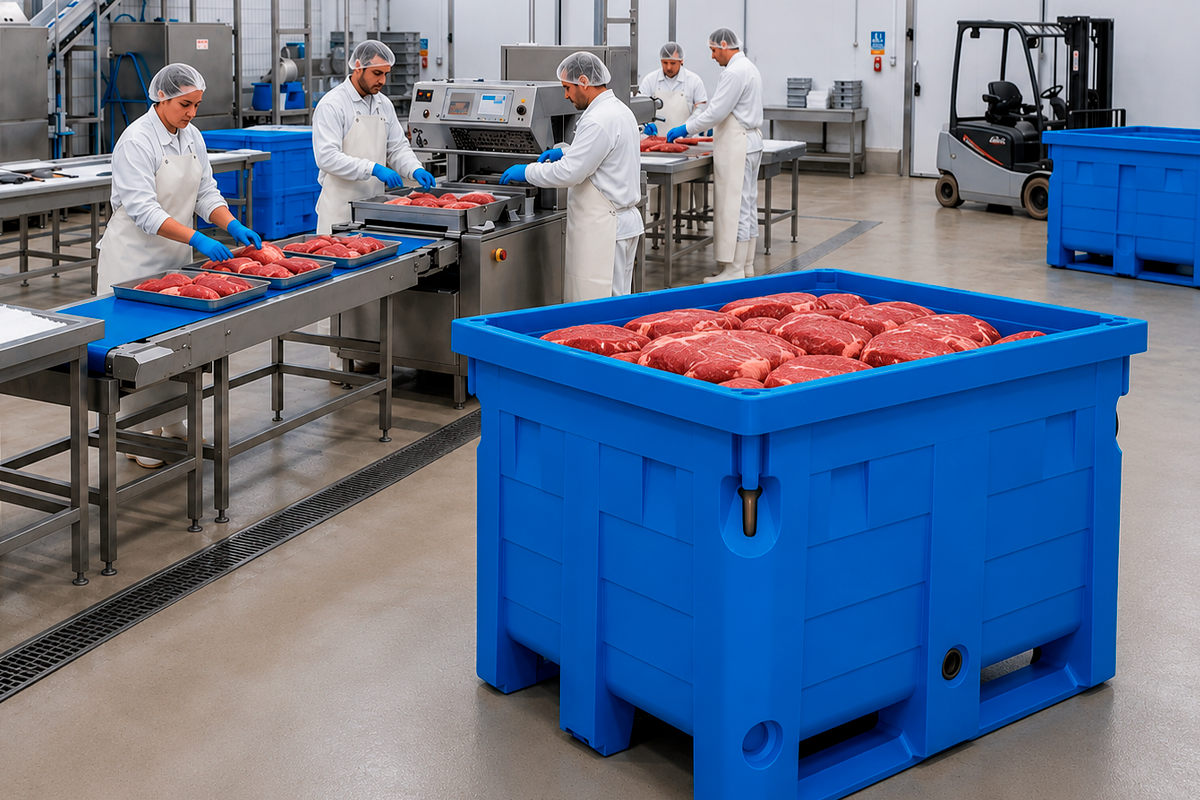
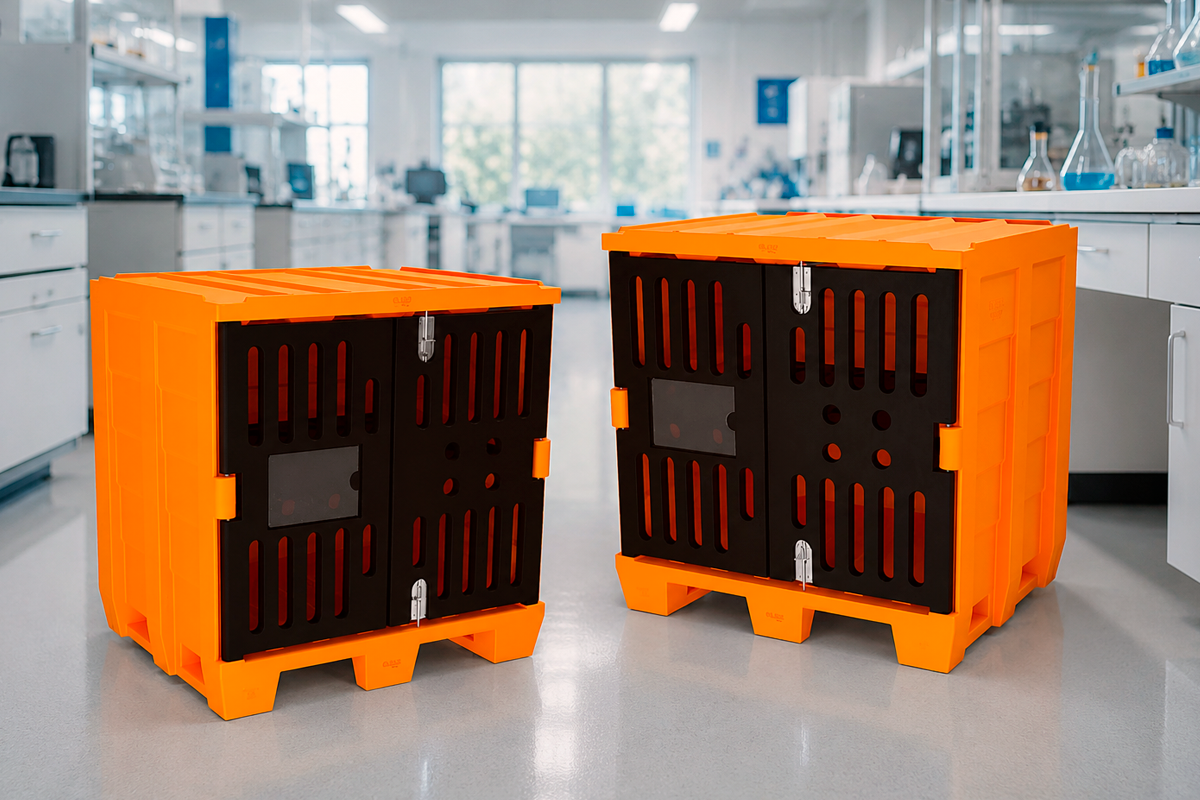
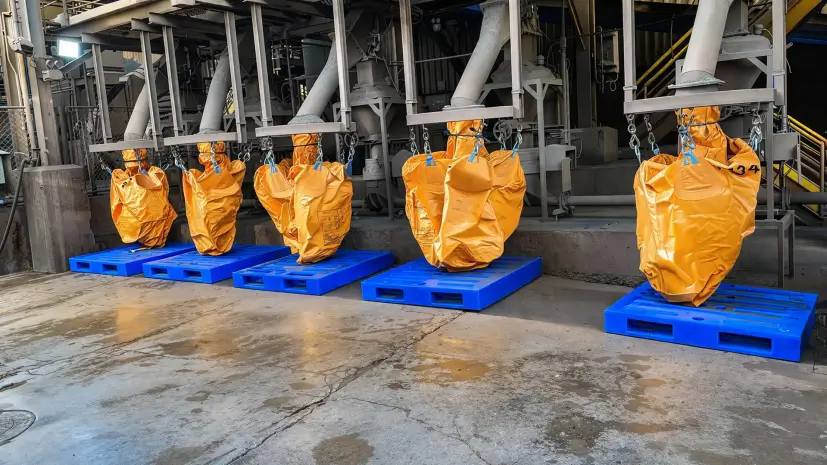
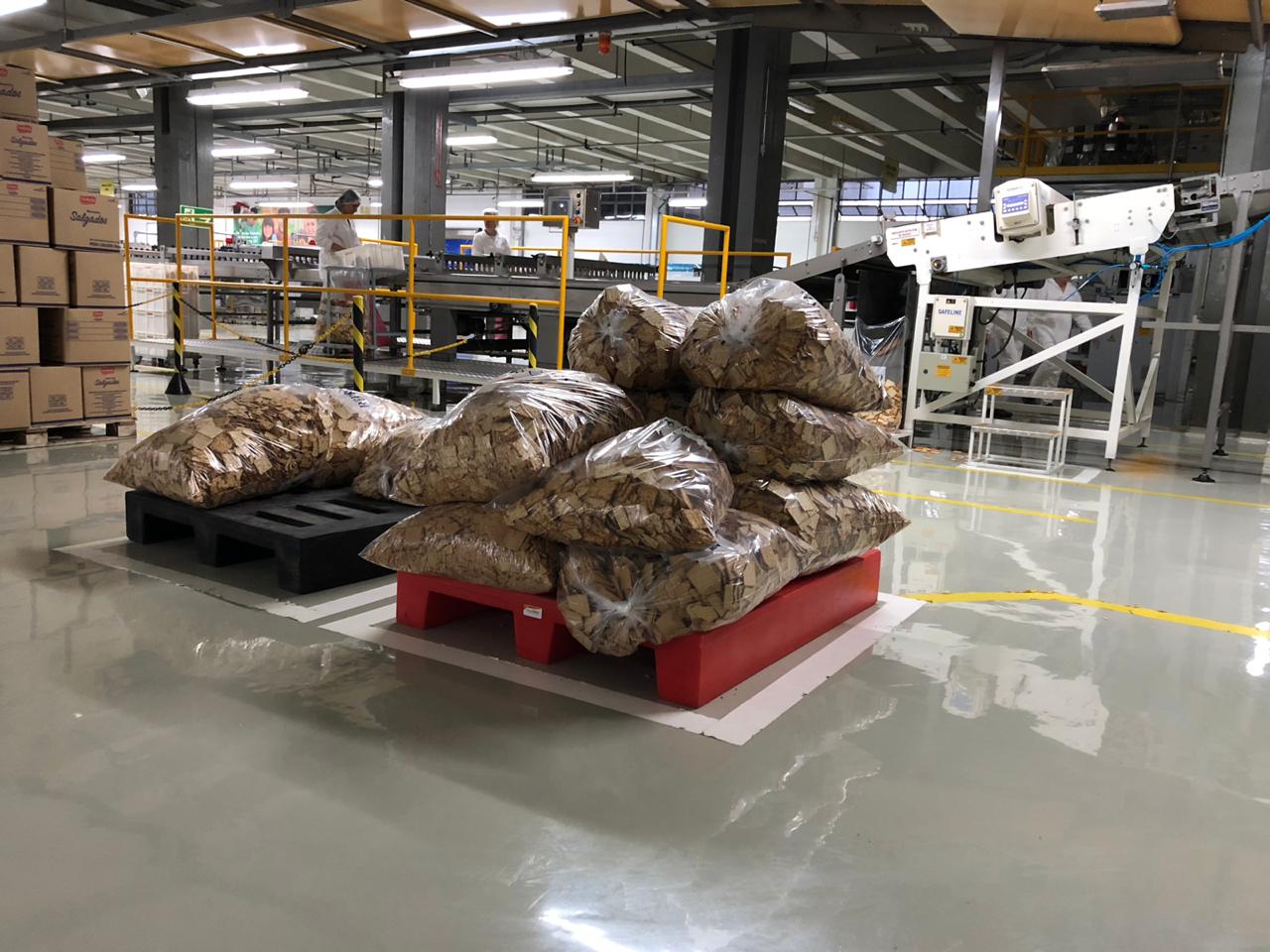
Rotomolded plastic palletsRotomolded plastic pallets offer many advantages over wooden pallets and other materials. Features such as durability, safety, hygiene, resistance and sustainability make these products the most suitable for the food industry. Therefore, they are designed to be practical and versatile, these products are easy to clean and sanitize and have a long useful life.
Unlike wooden pallets, which store fungi, bacteria and other contaminants, plastic pallets are not porous and do not absorb moisture, which helps to avoid contamination. Due to their hygiene and safety, for example, they allow the direct deposit of fresh food and other products on their surface.
Its smooth, waterproof surface allows the application of cleaning agents and disinfectants. This prevents the proliferation of microorganisms and bacteria, which can compromise the quality of food.
These products are also non-toxic, resistant to chemicals and do not absorb moisture, which prevents product contamination.
Another advantage is that its pieces have a monobloc structure, without seams, nails or welds. Therefore, its finish is uniform, with rounded corners, without edges or contamination points. All of this contributes to avoiding accidents and brings greater safety to operations.
Main advantages of Super Roto pallets:
- Free from fungi and bacteria
- Resistant to temperatures from -35ºC to 60ºC
- Versatility of use and application
- Easy to sanitize
- 100% recyclable
- 10 years warranty
- Produced in accordance with Good Manufacturing Practices (GMP) and ISO 22,000 certification
Did you like this article? Do you want to know more about how it is possible to increase safety and efficiency in food industry processes? Clickhere.