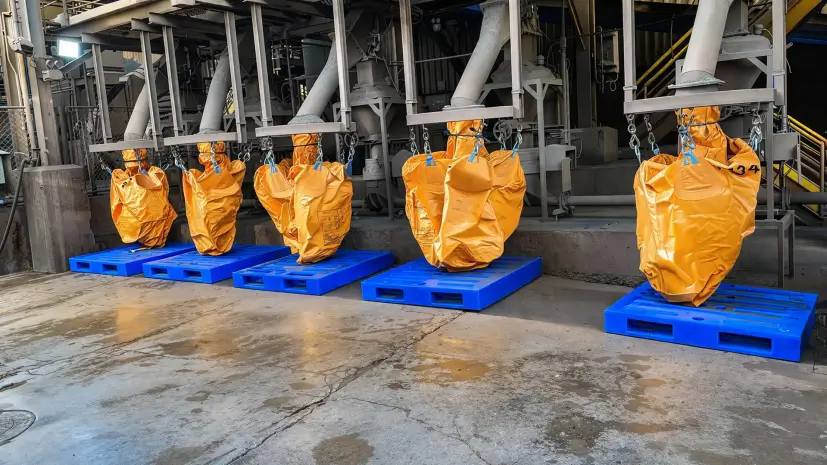


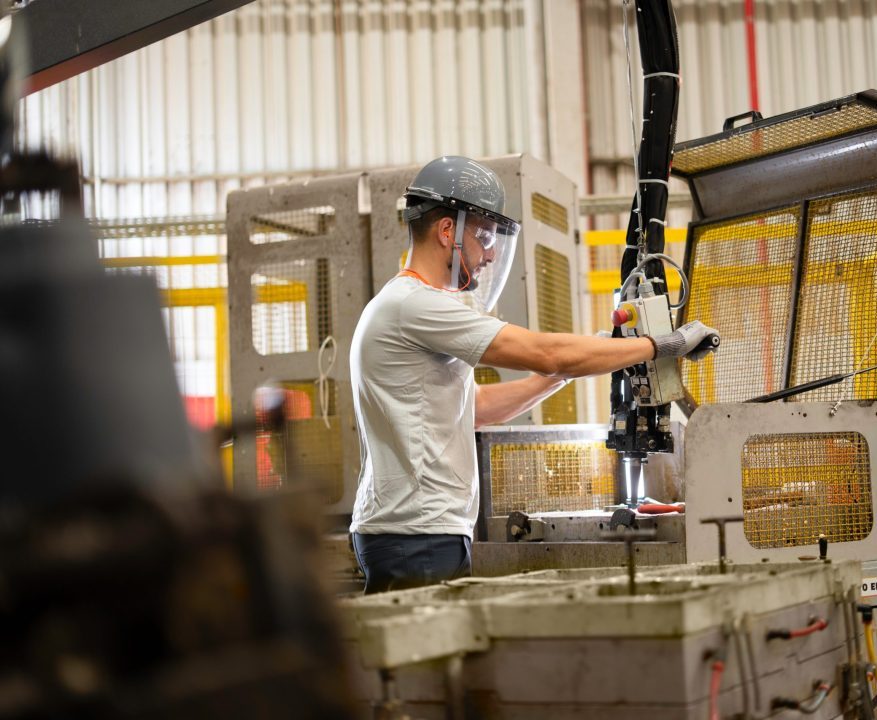
Automation and new technological resources make storage processes an increasingly important differentiator in the industry. There are already technologies capable of integrating all operations, analyzing performance indicators in real time and facilitating planning and decision-making, ensuring increased productivity, speed and lower costs.
Learn about the technological innovations used in storage
Companies are increasingly investing in automating the storage process. Warehouse automation offers resources such as order picking systems, pallet stacker cranes, operations shuttles, telescopic conveyors, palletizing robots and management software.
The automation of stacking and palletizing processes makes it possible to move larger quantities of products more quickly and efficiently, optimize the flow of goods in the loading/unloading area and facilitate the interface between the distribution center, the platform and the vehicles. It eliminates a large part of the labor employed, reducing operation and maintenance costs and avoiding errors and work accidents.
Automation also facilitates inventory management, which can be controlled and updated at any time. Assisted workstations come with software that provides instructions to operators on how to position pallets and improve performance, in order to reduce physical effort.
Warehouse management systems known as WMS (Warehouse Management System) make it possible to optimize storage activities, with better use of space and greater efficiency in organizing the flow and distribution of products.
Understand new cargo handling processes
The process of moving loads can be done using human physical strength or using equipment such as forklifts, pallet trucks, hydraulic carts and stacker cranes.
Forklifts can be the most cost-efficient solution in many applications. However, when labor or physical space are the main factors, automated solutions become increasingly economical.
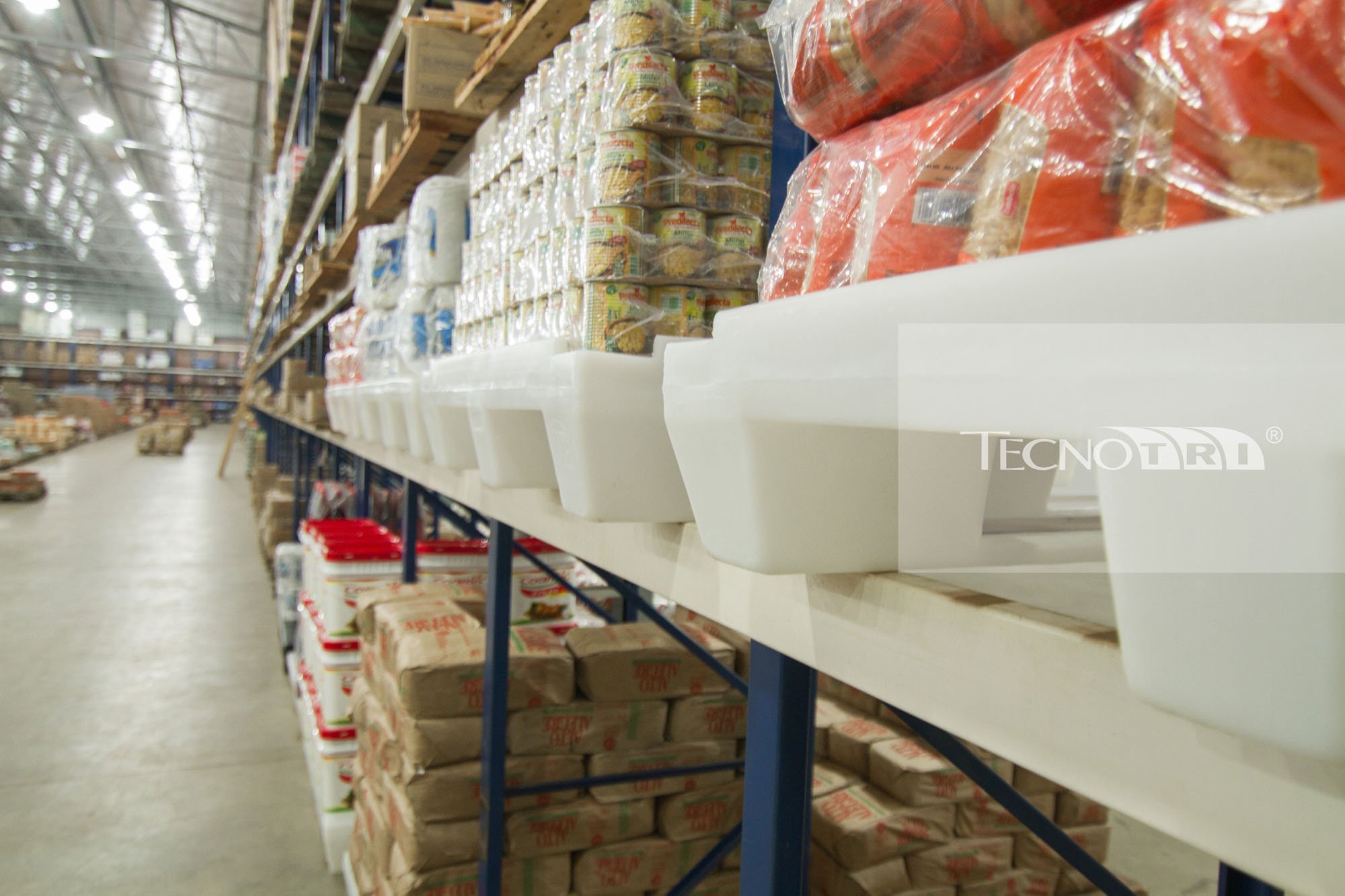
The shuttle is a compaction storage system designed to optimize pallet loading and unloading movements, preventing the operator from having to enter storage aisles. It is suitable for companies with a high volume of pallets per reference and high loading and unloading activity.
A mobile telescopic conveyor is a conveyor mounted on wheels or a conveyor belt that moves on suspended or floor tracks. Generally, the telescopic conveyor is part of a system, and is responsible for transporting the goods along its length to the next conveyor in the system.
Palletizing robots allow you to minimize error rates, make better use of physical space and reduce energy and transportation costs. They are capable of filling different pallet patterns in a smaller installation area and have a lower operating cost than the conventional storage process.
Stacker cranes are automatic storage systems, controlled via management software, ideal for permanent inventories and process control.
Its automated system provides increased storage capacity, reduced costs and operational resources required for movement and storage, elimination of errors and increased productivity.
The RFID (Radio Frequency Identification) tagging system makes it possible to know where each product is kept or to which destination it is being taken in real time.
See how pallets help with process automation
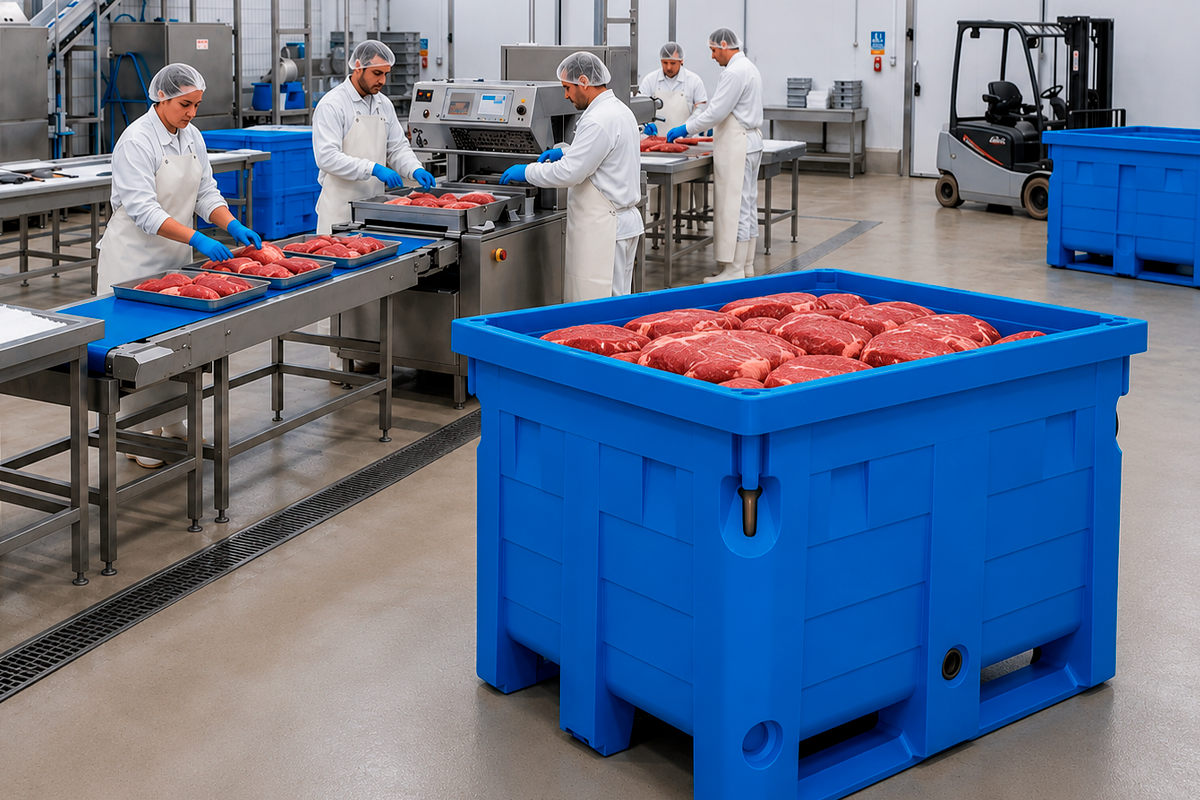
The use of pallets in storage and distribution processes guarantees better organization of products in a simple, fast and efficient way. Machines created for the automatic storage of pallets move in the warehouse aisles and perform the functions of entry, positioning and exit of goods.
In addition, the use of pallets and connected products contributes to smarter inventory management. Good management of physical and information flow, with the use of integrated management software (ERP), allows adding value to the supply chain and generating savings opportunities for the operation.
When transporting cargo, computerized trailers allow products to be loaded and unloaded completely automatically in a matter of minutes. Furthermore, monitoring and tracking goods makes operations faster, more accurate and safer.
[button text=”Find the solution for your logistics” style=”primary” size=”medium” radius=”99″ depth_hover=”2″ link=”https://conteudo.tecnotri.com.br/fale-consultor-pallet-plastico” target=”_blank”]
Understand how palletization works
Paletization is the arrangement of products in layers, forming stacks and obtaining a parallelepipedal volume, the height of which is determined by the weight and available space.
In palletizing, the distribution and height of the racks are determined according to the characteristics of the warehouse, the storage elements and the equipment used, taking into account the dimensions of these locations.

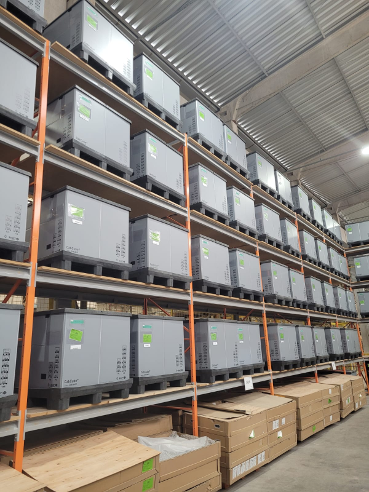
Palletization allows the use of narrow aisles and greater heights, improving the use of physical space with the use of forklifts or automatic stacker cranes.
The palletization of the storage system facilitates and speeds up access to each stored pallet, optimizing stock control and adapting operations to any space, size or weight of the merchandise that will be stored.
Learn the advantages of using rotomolded plastic pallets
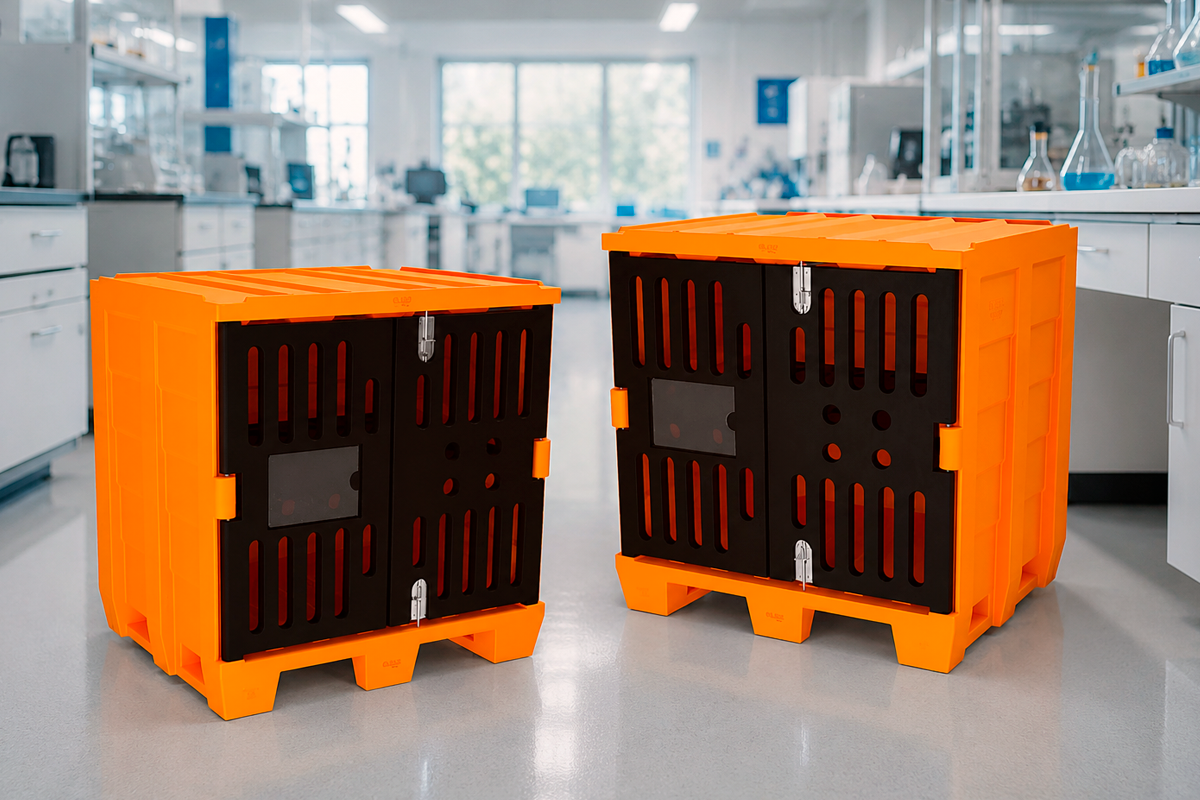
The plastic pallet is a customizable product, manufactured from molds, which can be developed according to customers’ logistical needs, favoring automation.
In addition, pallets favor the rationalization of storage spaces, the reduction of damage to products and the better use of vertical spaces. Its structure provides direct and individual access to each load unit, facilitating product distribution.
Produced in different colors, pallets favor more efficient organization of products, with easy identification of goods, good use of physical space and ownership traceability. Furthermore, they are up to 70% lighter than wooden pallets, have a constant weight and require no long-term maintenance.
Plastic pallets are versatile and can be configured for use on the ground, in sliding pallet racks, dynamic drive ins, racks and metal shelving. They have a modern system of interlocking crossbars that ensures quick and easy assembly and disassembly.
Due to its resistance, the pallet rack allows the storage of large and heavy products in a vertical position, optimizing the use of physical space and multiplying storage capacity.
The drive in mode is carried out by accumulation on a surface or height; The drive-thru system features two cargo access aisles, one on each side of the rack and the push-back storage is up to four pallets deep on each level.
So we can say that automation is capable of making the storage process more agile, efficient and safe, significantly contributing to increasing the industry’s productivity. The use of rotomolded plastic pallets contributes to better use of physical spaces, reducing costs and making operations safer and companies more competitive.
new RDStationForms(‘fale-com-um-consultor-pallet-plastico-3d7f42a3655b142eb498-html’, ‘UA-47968214-1’).createForm();