

A good distribution system is essential for increasing the efficiency of transporting goods, increasing stock availability and reducing customer service time. The use of pallets for handling, storing and moving cargo makes operations more agile and safe, reducing the need for labor and speeding up processes.
Learn how to plan distribution system resources
Planning the distribution of goods makes it possible to make decisions more efficiently, increase competitiveness and increase profit margins. With it, it is possible to determine the need to replenish stocks, define the best conditions for product distribution, optimize the use of labor, physical space and operational resources.
Distribution planning involves factors such as warehouse area and volume, employees, forklifts, racking, pallets, trucks and financial resources.
Defining the positioning and function of storage facilities allows you to create an efficient flow of materials and finished products throughout the entire supply chain.
Investment in logistics is essential to increase the level of quality of services provided by the warehouse. There are already technologies capable of integrating all operations in a distribution center and analyzing performance indicators in real time, thus facilitating planning and decision-making.
See how the product movement process works
The physical distribution of goods and inventory management are carried out in warehouses called Distribution Centers.
The process of receiving products begins when a vehicle enters to unload the goods at the Distribution Center. After removing the products, the physical counting and checking of the material begins.
Next, the product transfer and separation operations begin. The transfer consists of moving the material from the receiving area to the location where it will be stored, and the separation involves removing the material from the area where it was stored and taking it to the order consolidation area.
The process of moving loads can be done using human physical strength or using equipment such as forklifts and/or pallet trucks.
Learn about the advantages of using rotomolded pallets
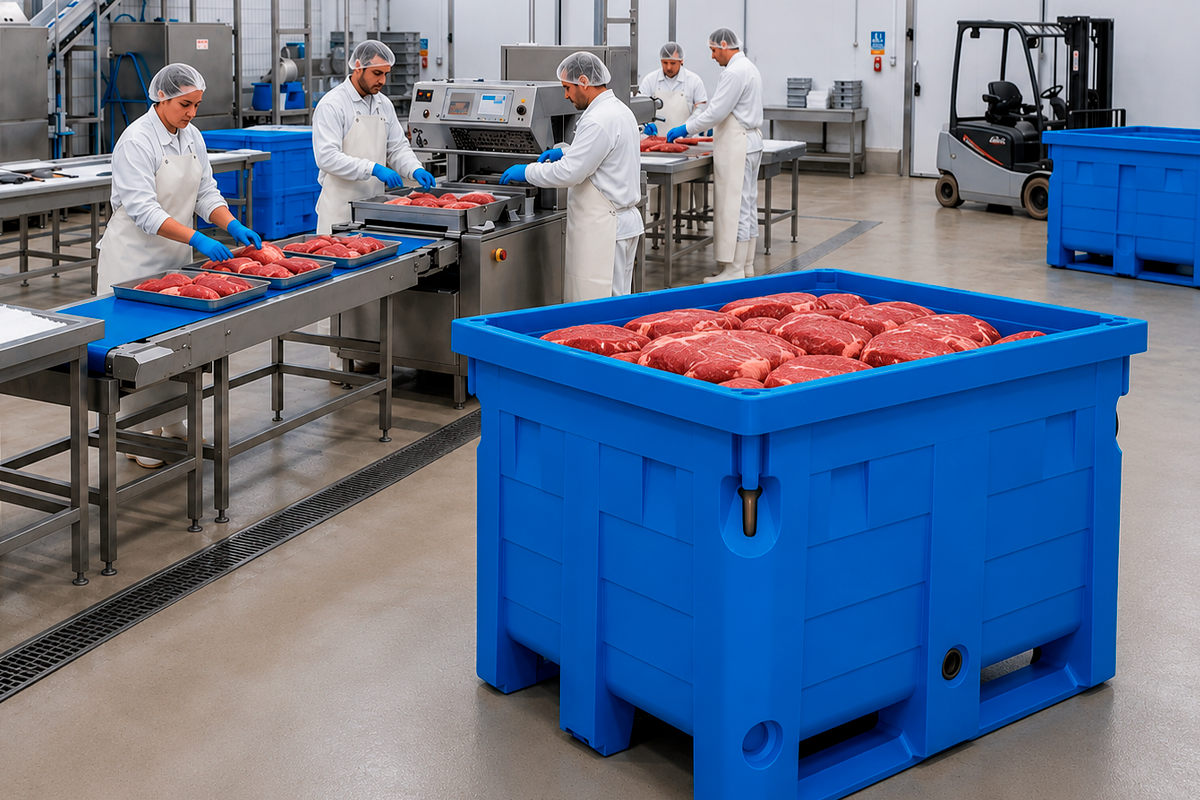
The rotomolded plastic pallet can be moved using a pallet truck, forklift (manual, semi-electric, electric, retractable), forklift tractor, all-terrain forklift, hydraulic cart and pallet truck (manual, with scale and electric).
Plastic pallets are versatile and can be configured for use on the ground, in sliding pallet racks, dynamic drive ins, racks and metal shelving. They have a modern system of interlocking beams that makes assembly and disassembly quick and easy.
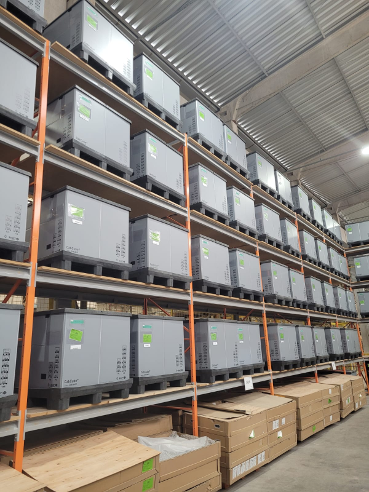
Due to its resistance, the pallet rack allows the storage of large and heavy products in a vertical position, optimizing the use of physical space and multiplying storage capacity. Its structure provides direct and individual access to each load unit, facilitating product distribution.
Produced in different colors, pallets enable more efficient organization of products, with easy identification of goods, good use of physical space and ownership traceability. Furthermore, they are up to 70% lighter than wooden pallets, have a constant weight and require no long-term maintenance.
Use technology to automate your processes
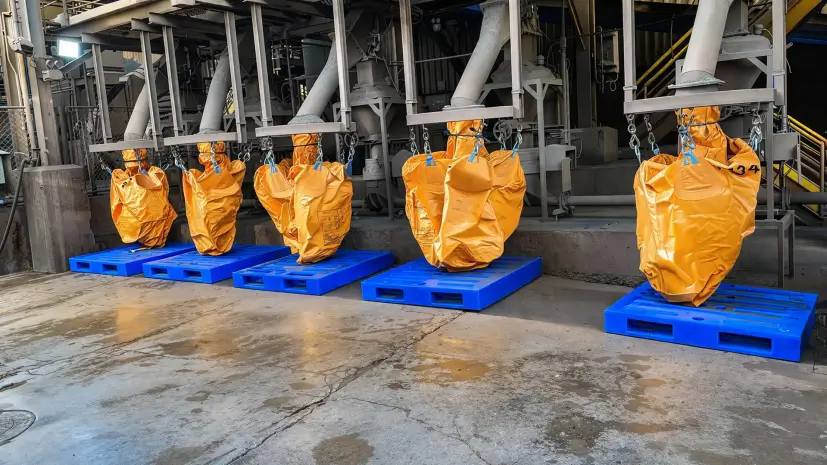
The automation of stacking and palletizing processes makes it possible to move larger quantities of products with greater agility and efficiency. It eliminates a large part of the labor employed, reducing operation and maintenance costs and avoiding errors and work accidents.
With the use of forklifts, pallet operations optimize the use of labor, reduce the man-hour cost ratio and save time in the loading and unloading stages of goods. Furthermore, pallets help to rationalize storage spaces, reduce damage to products and make better use of vertical spaces.
As we have seen, the use of rotomolded plastic pallets in distribution systems makes it possible to make cargo handling processes more agile and efficient, make better use of physical spaces, reduce costs and make companies more competitive.