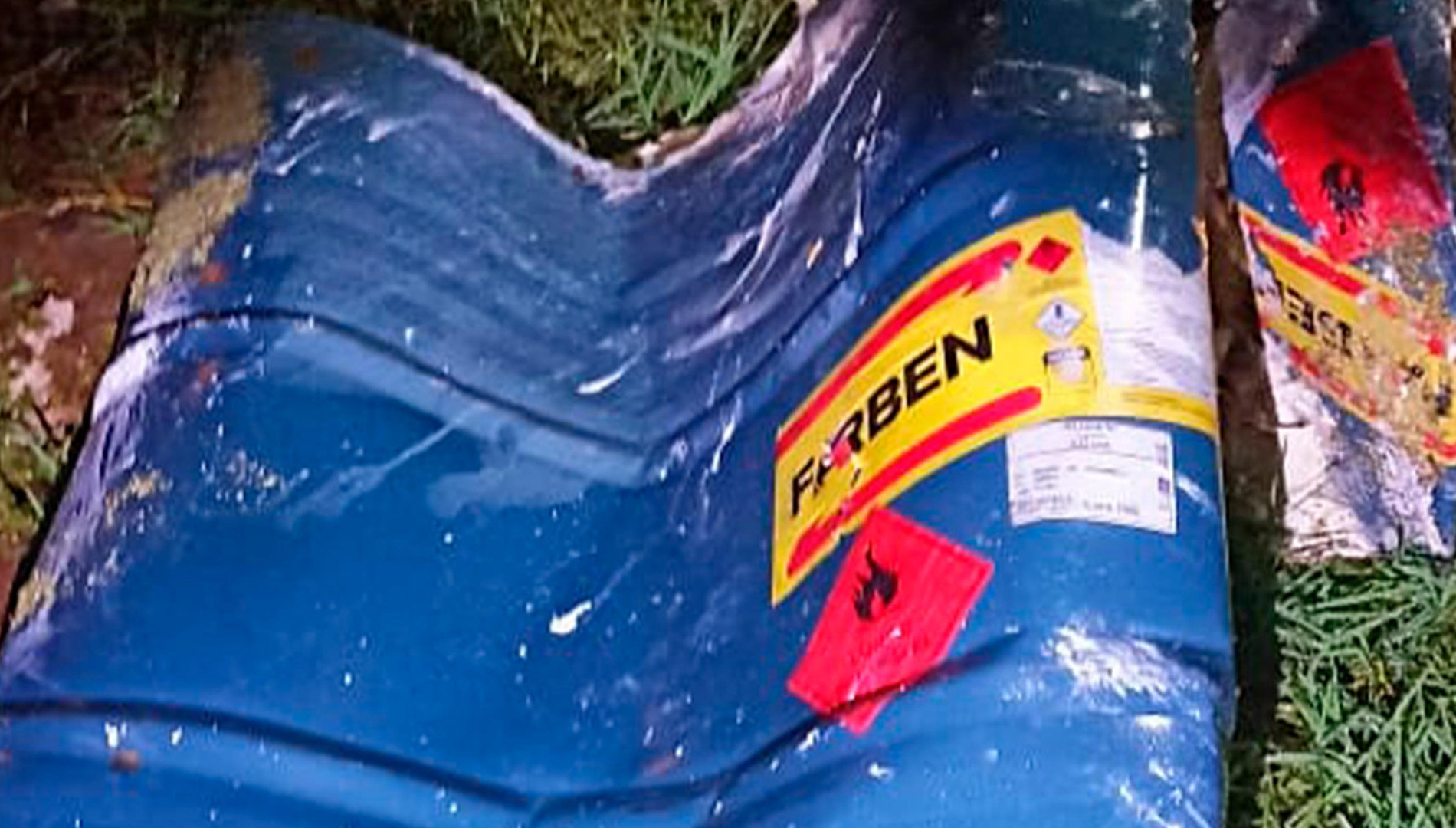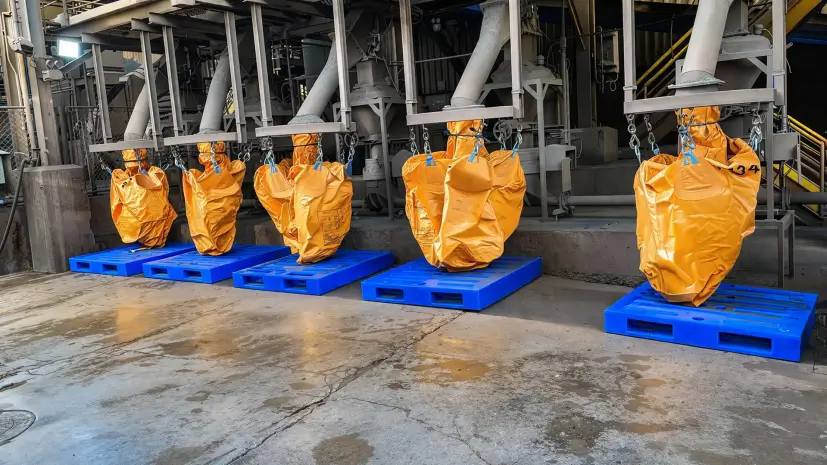


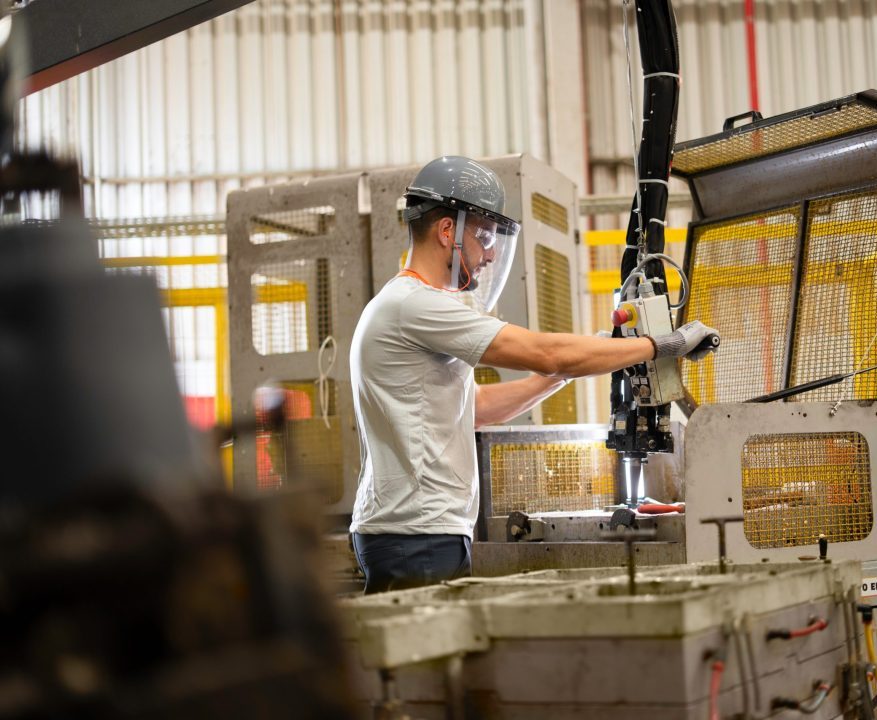
With the appreciation of environmental issues in today’s society, reverse waste logistics management has become extremely important for sectors that deal with products with an expiration date, such as the chemical and pharmaceutical industries.
Correct environmental practices, such as adequate disposal and treatment of waste, are fundamental to preserving the health of the population and the environment. Furthermore, they are a competitive differentiator for companies, which must also comply with legislation.
Learn how reverse logistics works in the industry
Reverse logistics is the process of planning, implementing and controlling reverse flows of raw materials for their appropriate recovery or disposal.
It aims to manage all the logistical points of returning goods to the production cycle, adding economic and environmental value to them. This is because waste generated in the healthcare sector can degrade the environment and pose a risk to public health and nature, due to the presence of pathogenic agents.
In Brazil, reverse logistics in industry is defined by the National Solid Waste Policy (PNRS). This guideline was created in 2010, based onLaw No. 12,305, to prohibit the incorrect disposal of waste in the environment. The legislation provides for a set of actions designed to enable the collection and return of solid waste to the business sector for reuse in its production cycle.
Therefore, products such as pesticides, batteries, tires, lubricating oils, fluorescent lamps and electronics need to have an appropriate final destination.
See how RFID helps logistics management models
But how can companies ensure that they are properly treating their waste? How to monitor the destination of products and record this information in a clear and reliable way?
RFID technology (in English, Radio Frequency Identification) has brought great advantages and facilities to the entire reverse logistics process. This system provides a means of individually identifying each product, recording its technical information and tracking it.
The labels attached to inputs, products and packaging have electronic components that record the serial number, model and manufacturer’s data. Therefore, RFID allows the industry to have information on when its product returns via consumer to a collection point and prove that it was disposed of appropriately.
Avoid contamination with containment basins
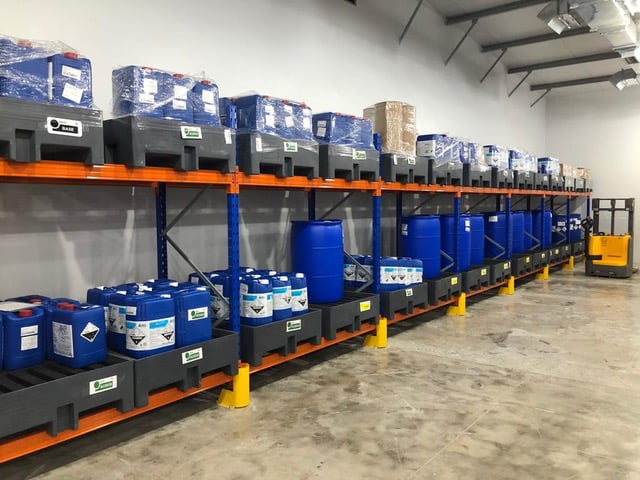
Developed to increase safety in the logistics of storing and moving packaging with dangerous liquids, containment basins ensure a reduction in the risk of contamination to the environment. They allow compliance with safety standards in sectors such as metallurgy, food, pharmaceuticals, agricultural implements, among others.
Containment basins are arranged underneath the IBCs, drums and gallons containing chemicals, in order to prevent leaks. Furthermore, they allow spilled liquid to be reused, thus reducing waste costs. The waste returns to the production process and can be sent for contamination-free recycling.
Lightweight, non-toxic and immune to chemical agents, the containment basin offers resistance to corrosion and the effects of time. Furthermore, it has a reversible face, capable of accommodating drums on one side and packages of different sizes on the other. Easy to disassemble, sanitize, and transport, this product can be handled with forklifts or pallet jacks.
See how to transport dangerous cargo
The transport of dangerous loads requires special care to ensure safety. The law determines the appropriate identification, packaging, labeling, packaging and documentation of these products. To guarantee their tightness in relation to the rest of the cargo, they must be segregated in cargo vaults.
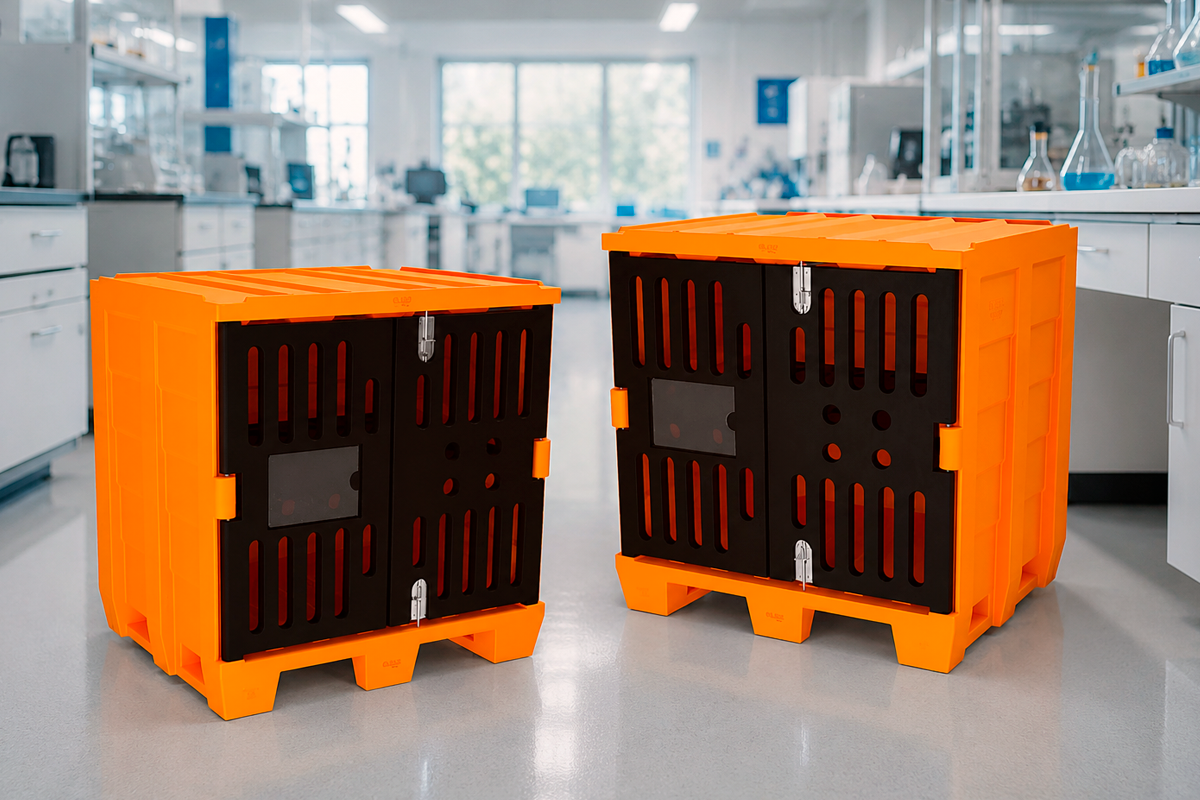
Developed to segregate incompatible and dangerous materials, cargo safes are widely used by transporters of medicines, chemical materials and food. These boxes have zippers to secure the cargo, with the purpose of segregating it during transportation of incompatible products.
Without seams or welding, the cargo safe is non-toxic, resistant and immune to chemical agents and has antimicrobial protection. With stainless steel closing latches and hinges, it allows the safe transport of different substances in the same container. In cases of leaks, there is no contamination of the environment, as the dangerous material is completely retained inside the safe.
As we have seen, reverse logistics in the chemical and pharmaceutical industry is fundamental, as it reduces the environmental and social impact caused by waste, in accordance with the requirements of legislation.
Did you like this article? Do you want to know more about the importance of reverse logistics in the chemical and pharmaceutical industry? So keep an eye on our blog for more articles like this!