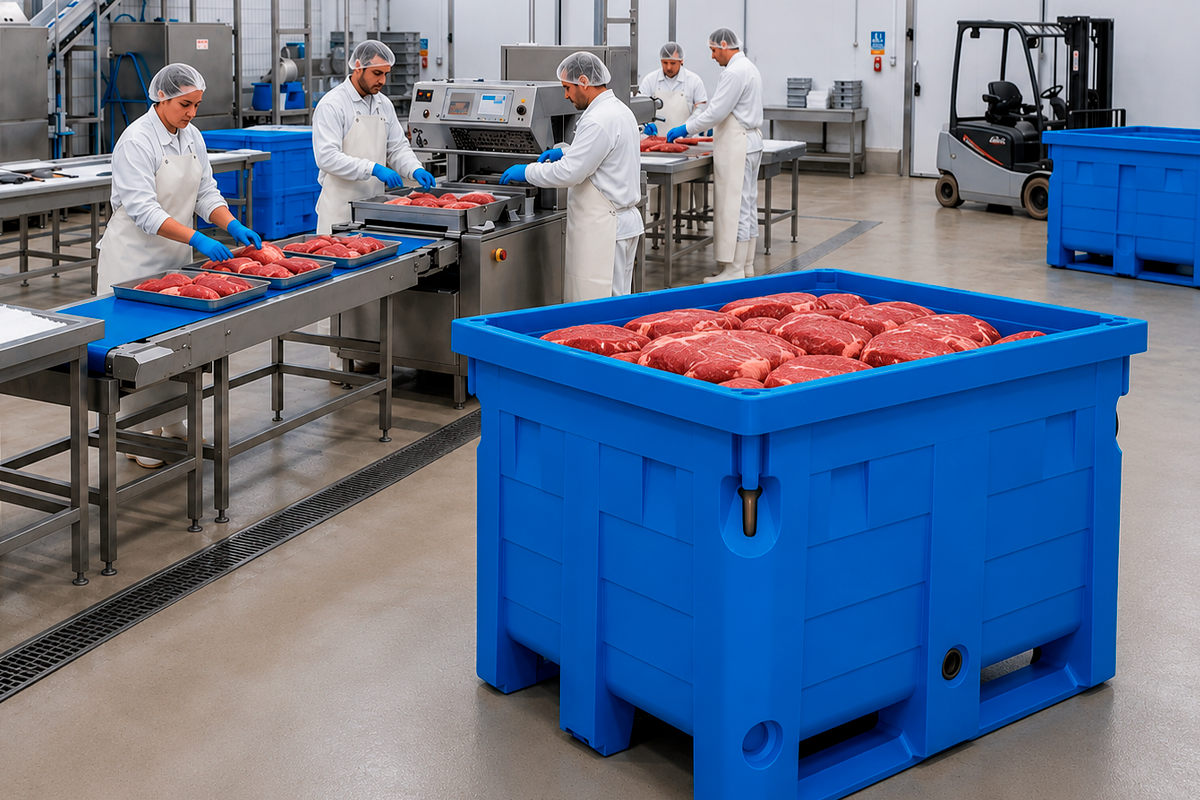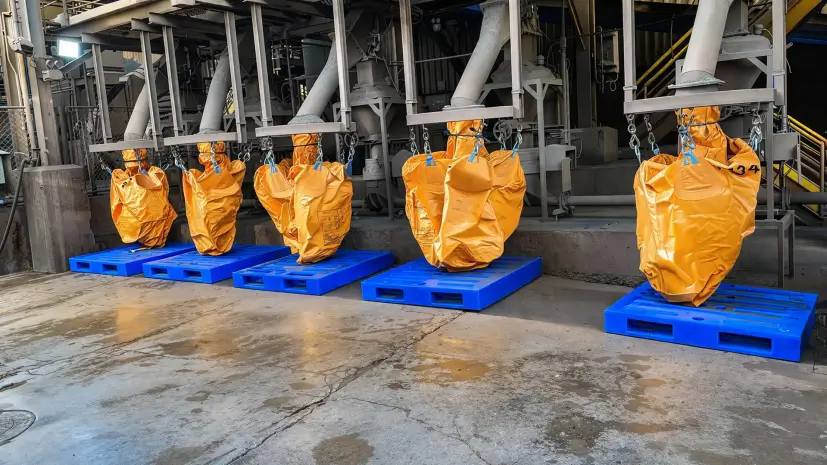


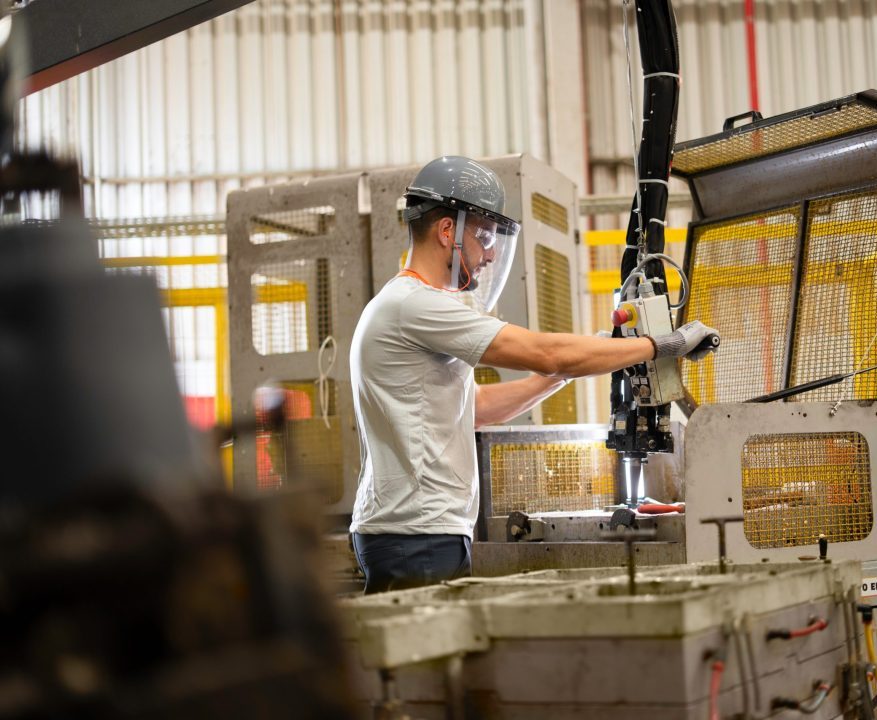
Pepsico Guarulhos, which works exclusively on the production of the chocolate drink Toddynho, uses rotomolded plastic pallets throughout the product production process, which has strict quality standards, to ensure the quality of its products.
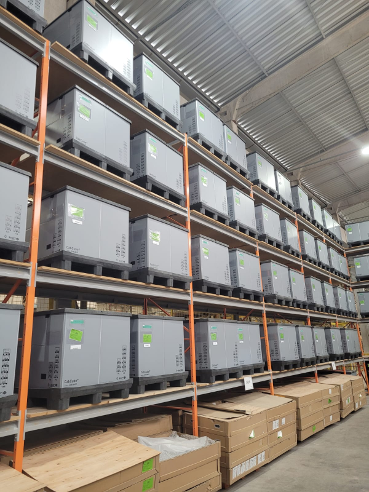
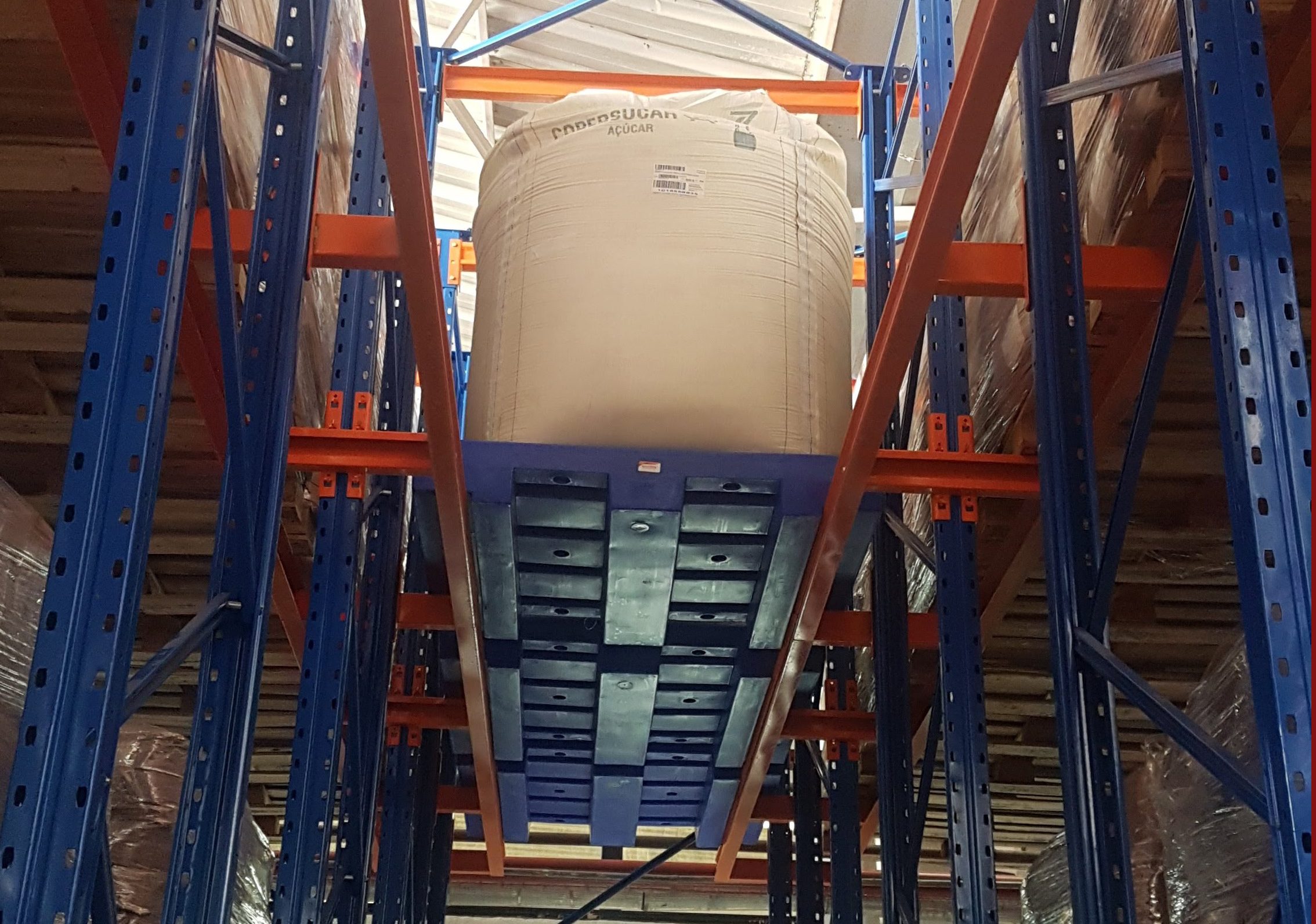
Pepsico’s transport solutions were developed by Tecnotri exclusively for the company. They were implemented in the big bag sugar stock (1200 kg) in dive-in. Previously, this stock was made on wooden CHEP pallets, but there were problems with pallet breakage, big bag tears and, mainly, with Anvisa inspection.
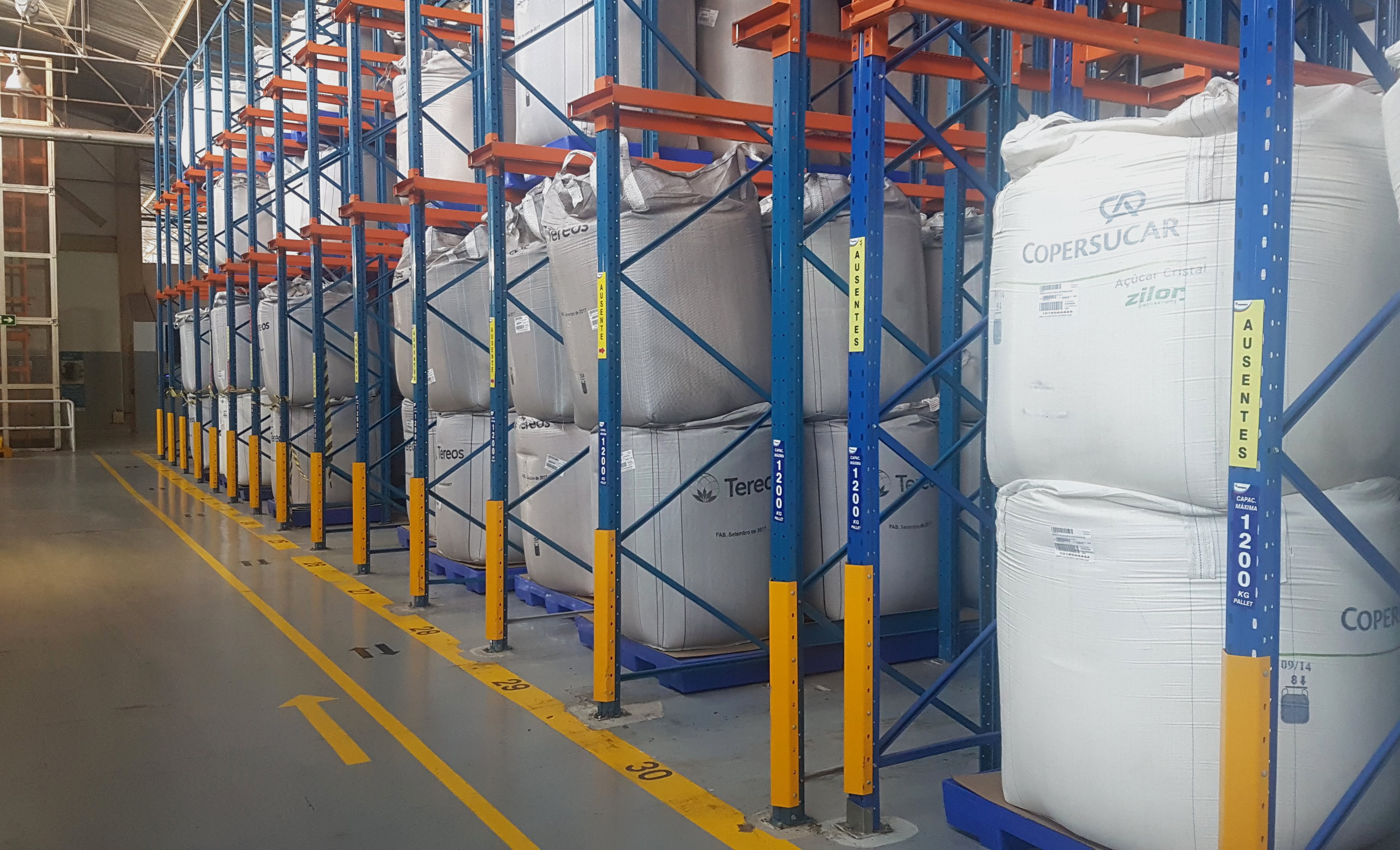
The big bag stock uses around 500 pallets and turns over in around three days. The use of rotomolded plastic pallets instead of CHEP pallets allowed savings of R$3.00 per month for each pallet.
Learn about Toddynho’s production
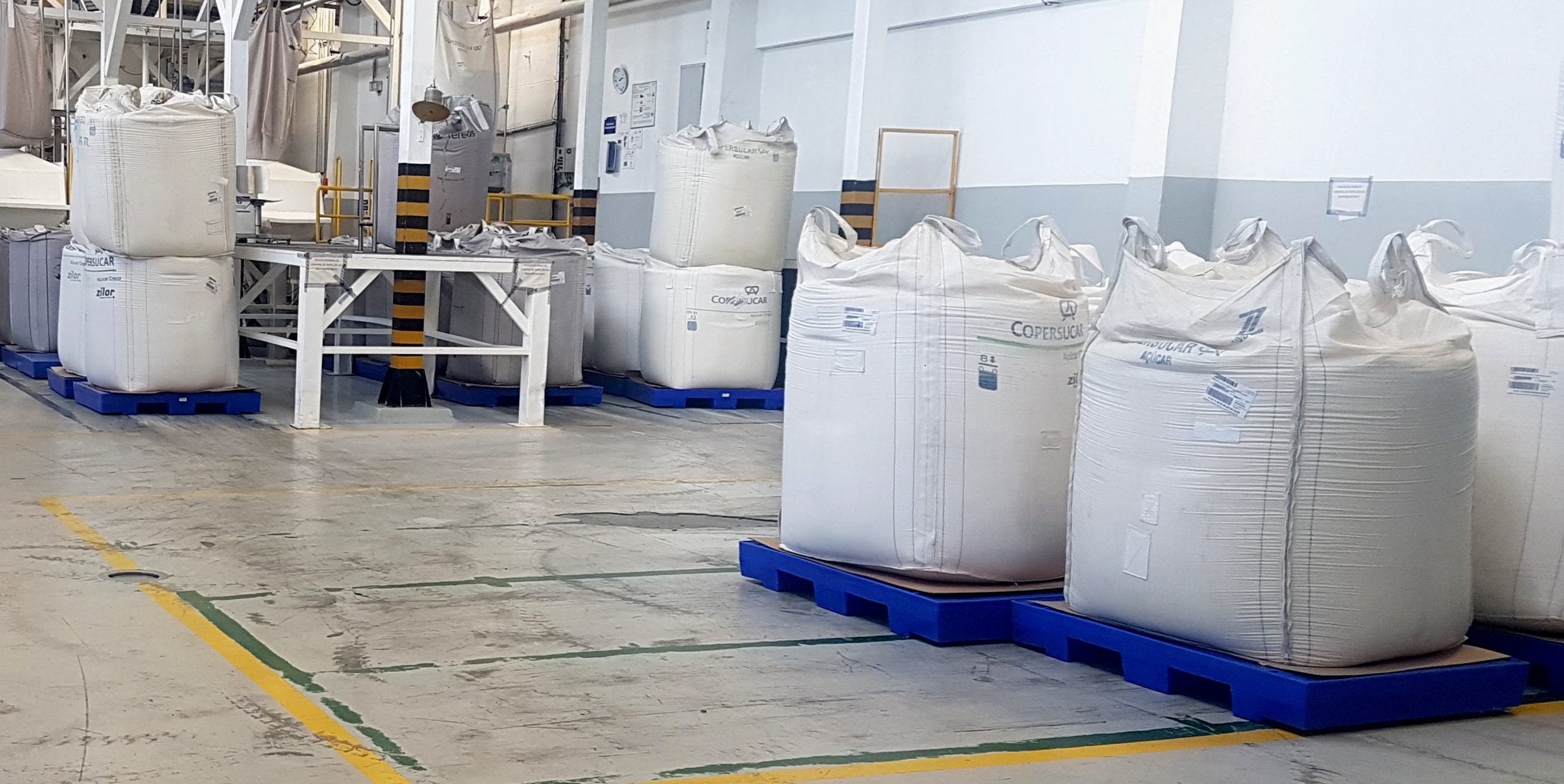
Upon arrival, the sugar bags are already placed in plastic pallets rotomolded and are then sent to the drive-in dynamic storage system, where they remain for approximately three days.
The big bags then feed a silo that supplies Toddynho’s production. After this supply, the pallet is sanitized and returns to the bag receiving process.
In production, cocoa is added, which enters the line after transferring the wooden pallet to the plastic pallet (Tecnotri yellow). During this transfer, the outer packaging of the cocoa bag is removed for cleaning purposes. In addition to cocoa, milk is added, which arrives at the factory in bulk.
[row]
[col span=”1/2″ ]
Avoid contamination when transporting food
To prevent food contamination, manufacturers must adopt good manufacturing practices, integrated pest control, standard operational hygiene procedures and hazard analysis and critical control points.
The adoption of good manufacturing practices is a requirement of current legislation. Its guidelines must be applied at all points in the production chain. Such as receiving raw materials, processing, packaging and transporting products, including selecting suppliers, training handlers, and water quality.
Learn about Anvisa’s rules
Anvisa determines that food must be stored in a way to prevent contamination and the proliferation of microorganisms. The storage location must be clean, with food kept or separated by type or group on pallets or pallets, which must be well maintained and clean.
[/col]
[col span=”1/2″ ]
new RDStationForms(‘fale-com-um-consultor-pallet-plastico-3d7f42a3655b142eb498-html’, ‘UA-47968214-1’).createForm();
[/col]
[/row]
Food storage conditions in the industry are regulated by federal legislation: Ordinance SVS/MS nº326, of July 30, 1997; and Resolution – RDC Anvisa nº 275, of October 21, 2002. Perishable products are regulated by Resolution – CISA/MA/MS nº 10, of July 31, 1984; and Resolution – RDC nº 216, of September 16, 2004.
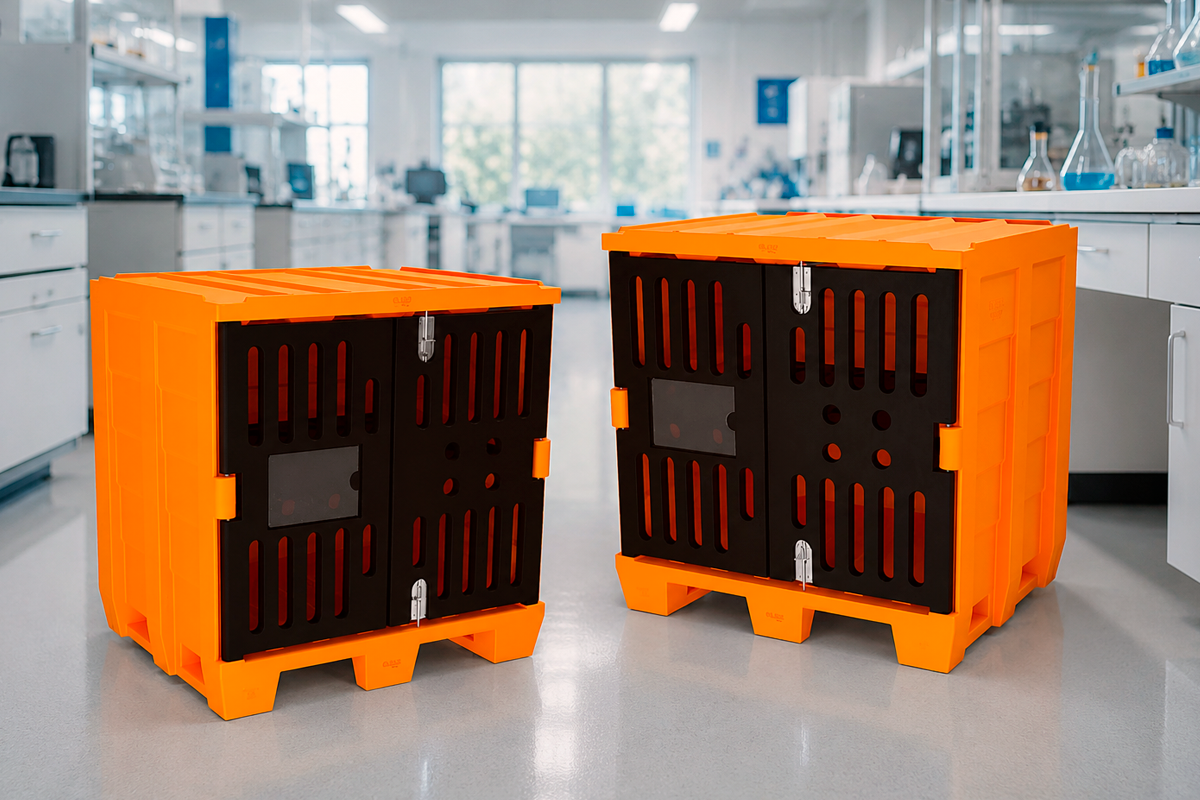
Since it can be washed and sanitized, the rotomolded plastic pallet is the best option to avoid contamination, meeting Anvisa’s sanitary requirements.
Prevent pest invasion
The presence of urban pests, such as rats, ants, pigeons and cockroaches, must be avoided at all costs and strictly monitored. Attention should be paid to the fact that sometimes, even if the place is clean and has good infrastructure, pests can invade the factory. This happens when transportation is carried out inappropriately, using cardboard boxes and wooden pallets.
The analysis of hazards and critical control points must take into account the physical, chemical and biological risks to which food is subject from raw material production, supply and handling to manufacturing, distribution and consumption of the finished product – which includes the transport and storage of raw materials and finished products.
As we have seen, the rotomolded plastic pallet is more hygienic, practical and meets health standards. Therefore, it is more suitable for use in the food industry. Plastic pallets have been adopted by the largest food companies. As is the case with Pepsico, which reduced costs, increased the efficiency of the production process and provided greater food safety and hygiene.
Did you like this article? Did you already know the importance of plastic pallets for the food industry? Leave your comment!