

The logistics management model has an immense impact on the distribution cost of most products. Its performance can have a major impact on the final result of an operation, influencing the buyer’s perception of the quality of the product or service provided. Therefore, in this article we will talk about which are the best logistics management models.
See how logistics management works
Physical distribution or outbound logistics refers to the process from when products are stored until they are delivered to customers, to fulfill their orders or fulfill ongoing supply contracts.
There are basically three types of logistics:
• Inbound, supply or Inbound Logistics: connects the company to its suppliers;
• Internal or operations logistics: refers to the control of movements and stocks during the product manufacturing process;
• Reverse logistics: involves the reverse flow of products, from customers to the company. This process has grown due to the increase in recycling initiatives in today’s society, often provided for in legislation.
Now, find out what the logistics management models are.
Learn about the main logistics management models
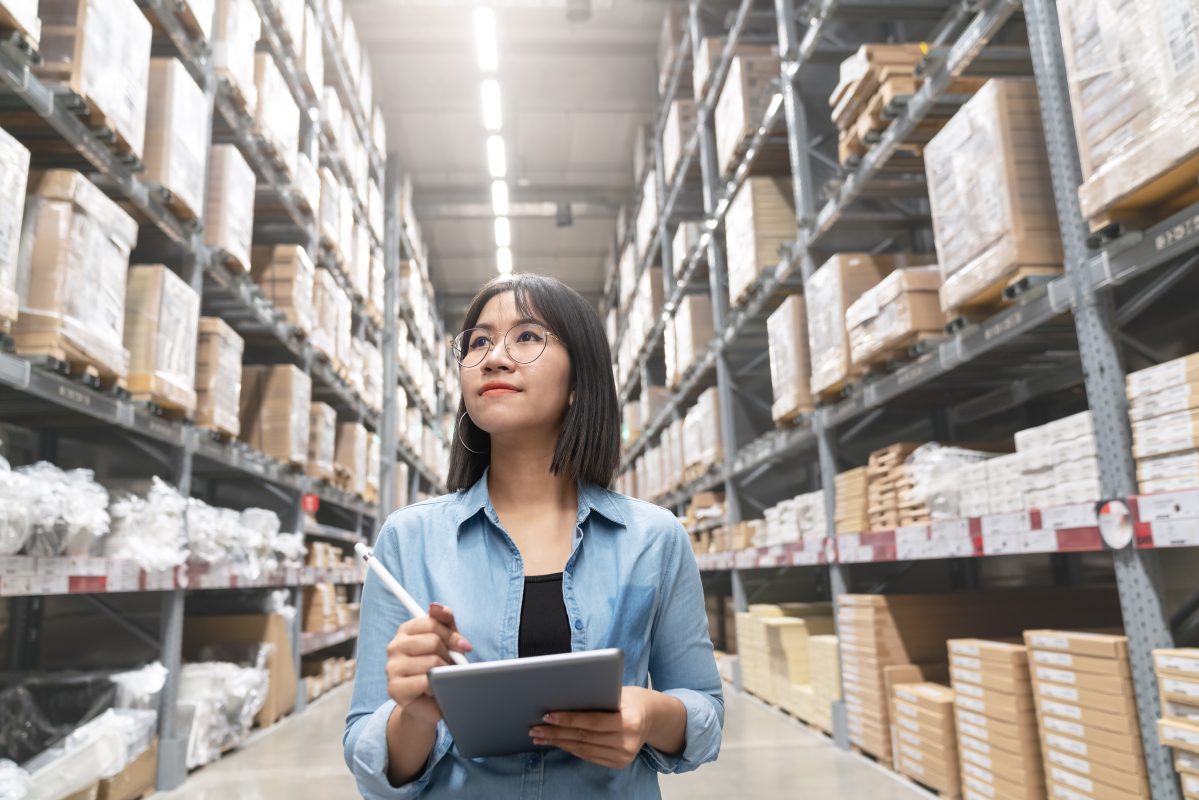
Distribution model is the shipping method used by a company to take its products from the point of origin to the point of sale where they will be sold. Each model includes at least three different parties: the goods manufacturer; the distributor or warehouse and the final point of sale.
The three main distribution models used by Brazilian companies are 100% direct, area distributors and logistics outsourcing.
Direct distribution
The most traditional of these is direct distribution. This model consists of sales carried out by the company itself with its fleet. Widely used by large organizations with national reach and high investment capacity, it involves high costs and investments. However, it is still a great option in cases of distribution to strategic regions.
This model is recommended for cases where distances are short in relation to the origin of the products. It is best suited to conditions of low service complexity, with easy access, little need for travel and opportunities for scale. Furthermore, one of its advantages is the possibility of brand exposure on routes with high traffic of people.
Area distributors
The area distributor model, also known as “resale”, consists of outsourcing the sales and delivery activities of a manufacturer’s products.
Widely used in the food and beverage sector, this model requires manufacturers to control the work of partner distributors. To this end, rules, responsibilities and service levels are defined, from the moment of choosing partners to controlling inventories and ensuring sell-out visibility.
This model has lower cost levels, which guarantees capillarity in distribution and, therefore, in sales. It is most suitable in cases where the market has a low share of the territory served in generating revenue and longer distances in relation to the place of origin of the products. It involves highly complex operations with a lot of customer dispersion.
Logistics outsourcing
Logistics outsourcing makes it possible to reduce companies’ logistics costs, since fleet and maintenance expenses are lower and managers can turn their focus to the companies’ core activities.
Outsourced models allow greater flexibility for logistics operations, as responsibility for logistics activities is passed on to an outsourced partner. However, it is essential that logistics managers are attentive and monitor the quality of the services provided. This way, they avoid problems, such as delays in deliveries and consequent financial losses.
>
Partial and selective outsourcing
Another possibility for logistics management is partial and selective outsourcing, also known as a hybrid model. It allows the company to operate with its own fleet throughout the year, but complement its structure by outsourcing transport services in months with greater demand. In this way, it is possible to optimize logistics operations without the need to increase your own fleet.
To operate with this model, high control of the operation is necessary, as it is necessary to manage two distribution models simultaneously and maintain a good relationship with partners.
See the advantages of using plastic pallets
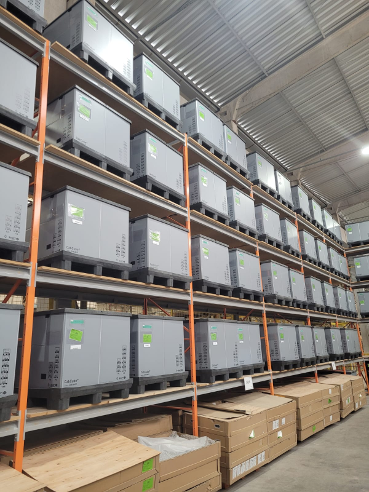
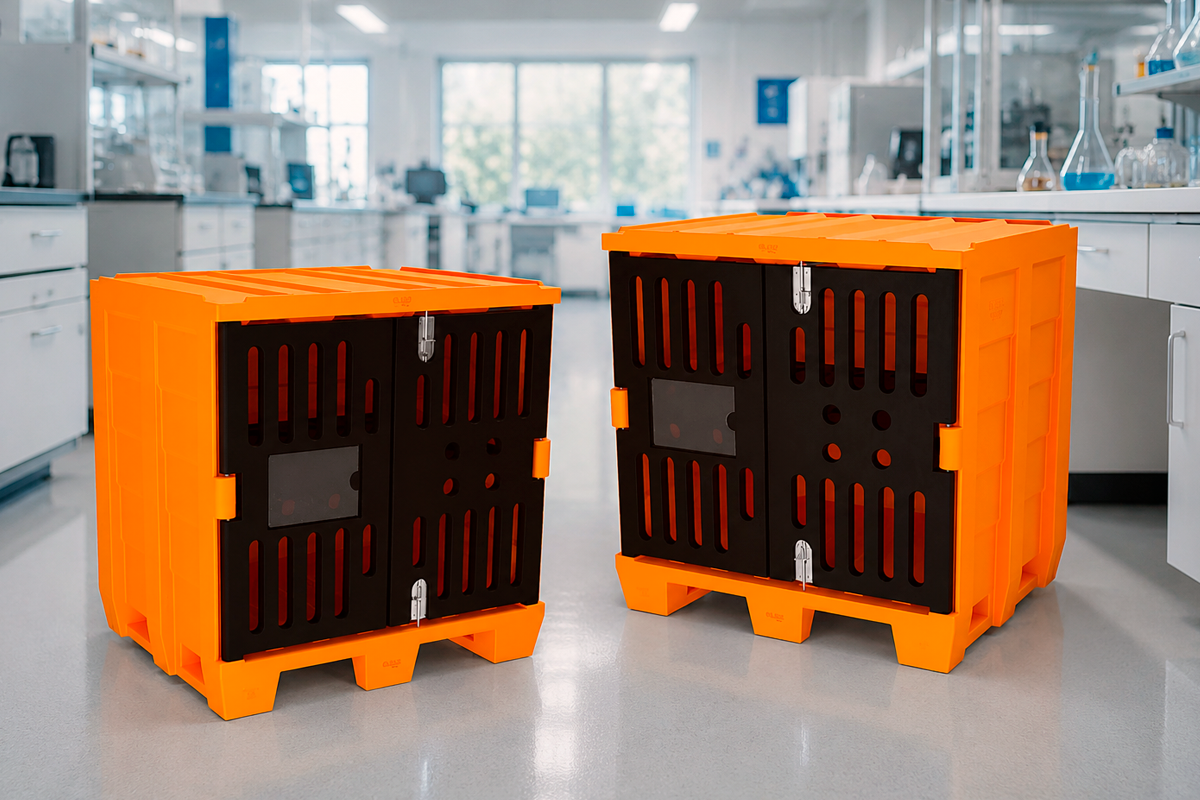
By having characteristics such as lightness, resistance and constant weight, these products help to optimize logistics operations. In this way, it allows for greater rationalization and standardization of the storage location, better use of physical space and acceleration of processes.
The rotomolded plastic pallet also favors reverse logistics, as it has expressive ownership identification. This can, therefore, provide information for managing the pallet with a freight forwarder, exporting company or inter-company material flow. It also enables traceability using, for example, Radio Frequency Identification or RFID.
There are several logistics management models capable of increasing efficiency at different stages of the processes and reducing costs. It is up to the manager of each company to choose which model is best suited to their needs.
Did you like our article? Do you think you now know more about logistics management? So keep an eye on our blog for more content like this! Until next time.