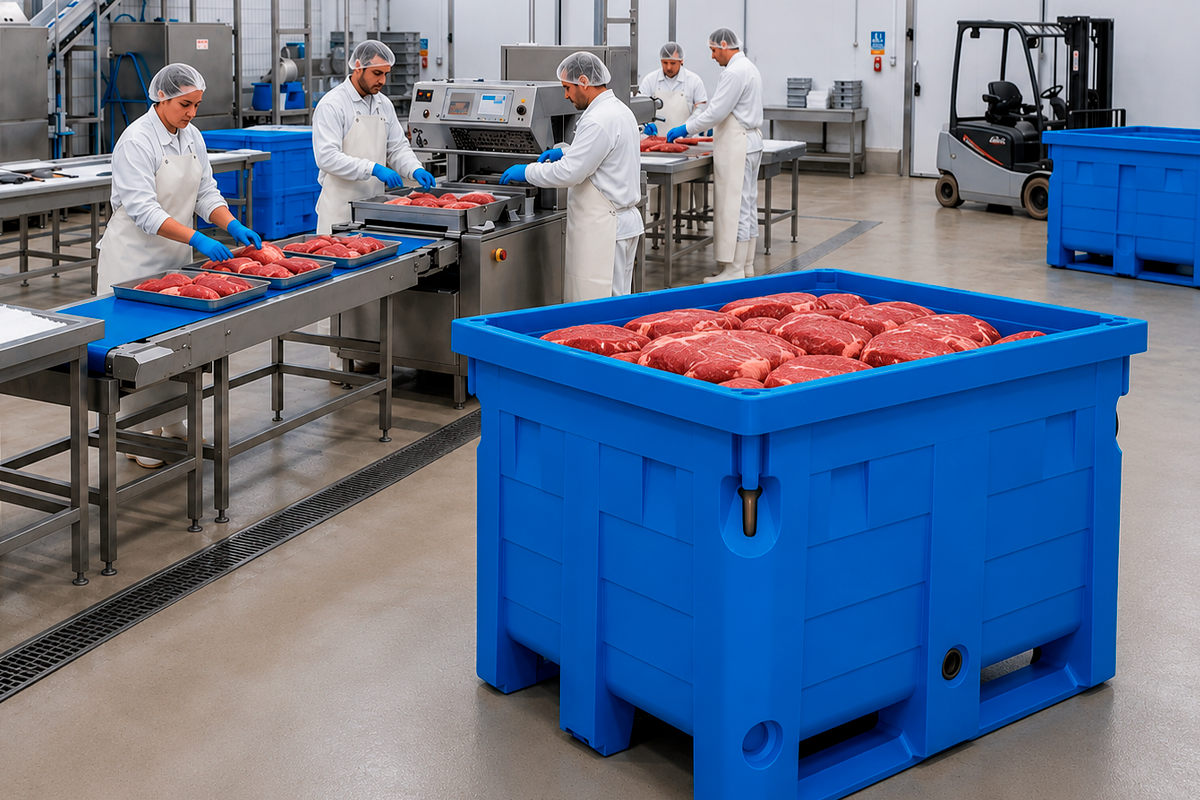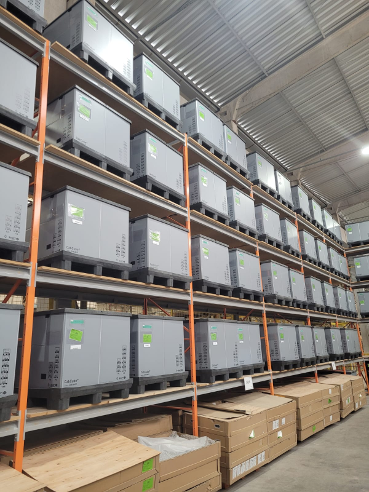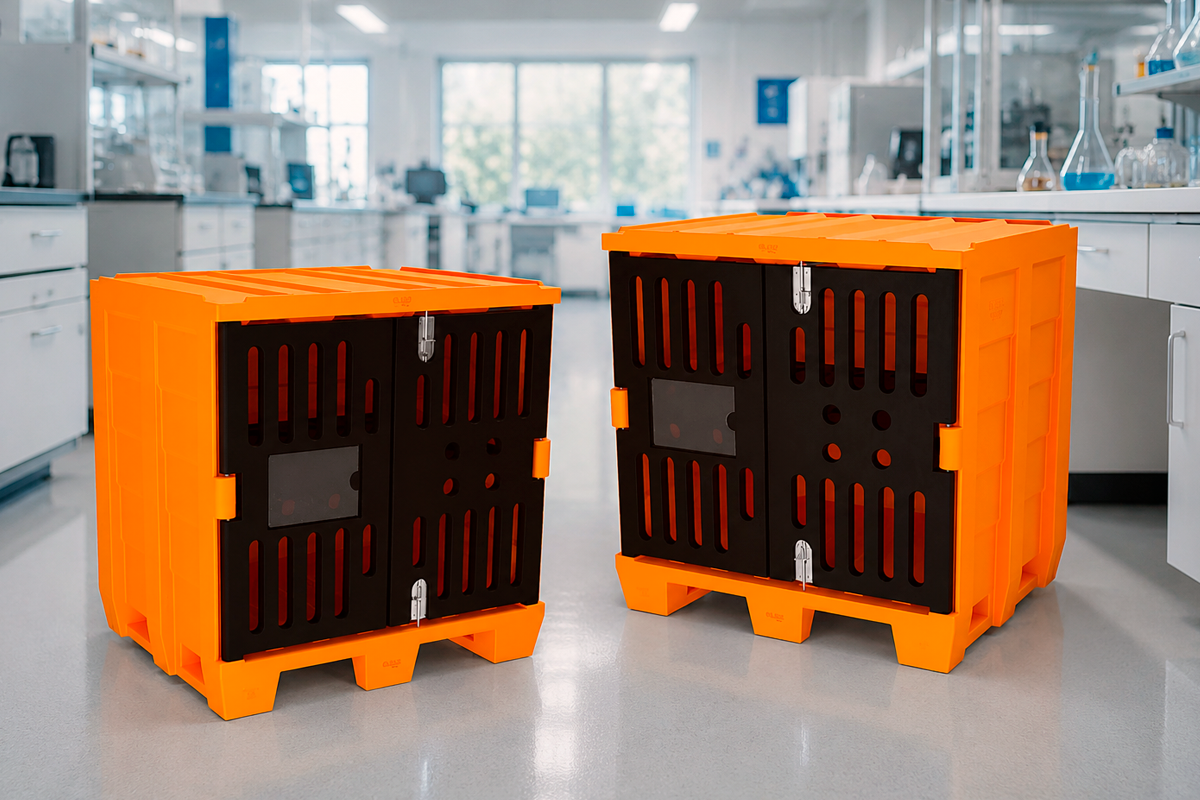


An IBC (Intermediate Bulk Container) is a reusable container used to store and transport liquids, solids and pastes in large volumes. It is important against leaks because it reduces the risk of accidents, facilitates safe handling and meets environmental safety standards.
Chemical product leaks can have serious consequences, both for the people who handle this type of cargo and for the environment. As a result, legislation has increasingly monitored companies regarding the control of their processes, in order to avoid the risk of these accidents.
To this end, training is carried out, the inclusion of safer procedures and investment in products suitable for risky activities. Among them, the container IBC, the subject of today’s article. Read on and learn everything about the topic.
First, check precautions against chemical spills
We need to create control measures to reduce the risk of leaks of dangerous items. We must carry out inspections regularly, strictly check the handling process and, if possible, automate it.
Generally, cases of accidents involving this type of merchandise happen during transport, as there are currently variables that are not controlled by the company, such as traffic.
In this way, it is possible to organize actions to increase safety in the storage and transportation of chemical products. Among the alternatives, it is worth ensuring that vehicles are checked frequently and have resources appropriate to their function. Drivers also need to be trained to handle goods and act in the event of incidents.
In addition, industries must follow all regulatory standards in the sector and invest in high-quality equipment, specific to ensuring greater practicality and safety in the transport of dangerous products.
What is the IBC?
The acronym IBC originated from the English term Intermediate Bulk Container, which is translated as Intermediate Container for Bulk Goods. The product is a multipurpose reservoir, used to transport liquid, solid, semi-solid and pasty loads. Also, there are two categories of IBC containers: rigid and flexible.
Rigid
Most used by the chemical industry, they are reusable and versatile, they have a pallet base, which allows them to be moved with forklifts and pallet trucks. The volume of rigid containers can vary, but the most common in Brazil is 1000 liters.
Flexible
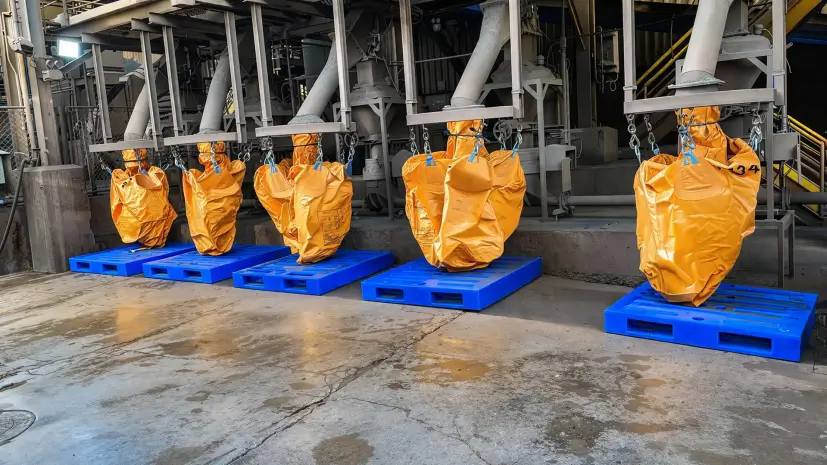
Also known as Big Bags, used in various segments of the industry, they are a type of bag, generally produced in polyethylene and polypropylene. Thus, they can be used to carry fluid materials, such as grains, sand and fertilizers. When emptied, it reduces in volume.
Use of IBC in the chemical industry
Understand why the IBC container is one of the most used alternatives by chemical industries.
Greater storage capacity
While barrels and drums, traditional options for carrying dangerous liquids, usually have a capacity of up to 200 liters, the most common IBC tanks on the national market can hold up to 1000 liters.
Security
They tend to be very resistant, offering greater practicality and firmness when handling.
Main benefits of IBC Container
In addition to capacity, the IBC container has other benefits, such as:
- Reduced risk of leaks and accidents;
- Easy transportation with forklifts and pallet trucks;
- Reusable and more economical in the long run;
- Occupies less space compared to drums and barrels;
- Meets environmental and transport safety standards;
- Versatile: can store liquids, solids and pastes;
- Safer for handling dangerous chemicals.
Pay attention to regulatory standards against leaks
There are some standards established for industries, related to the prevention of leaks of dangerous liquids. Among them, we can highlight the following:
- ISO 14001: defines the requirements for implementing the Environmental Management System (EMS) requirements. It enables companies to develop sustainable processes in their businesses, thus contributing to the environment and also to people’s health.
- NR 20: concerns the safety management of activities associated with flammable and combustible liquids in the processes of extraction, production, storage, transfer, handling and manipulation. It determines specific procedures to ensure that all such occupations are carried out in a safe manner.
- NR 17: is the ergonomics standard, which defines that companies have the obligation to evaluate the ergonomic working conditions for the employee and, thus, offering greater safety, comfort and well-being.
How do containment pallets help IBC prevent leaks?
Containment pallets, also called container pallets or containment basins, are specifically developed to ensure the containment of leaks. Furthermore, at Tecnotri, we attach the IBC to the containment pallet, preventing chemical, flammable, acidic and corrosive liquids from leaking from the reservoirs and contaminating the soil, the environment and people.
See the benefits of investing in containment pallets:
- The containment pallet helps the IBC against liquid leakage;
- Avoid fines and labor actions due to dangerousness;
- Avoid fines and criminal actions for environmental contamination;
- Provide a safe, clean and organized work environment;
- Solution for environmental protection of employees and property;
- Complies with Anvisa standards;
- They are light, non-toxic, easy to transport and to sanitize;
- They have a reversible face (grid), which can accommodate drums on one side or IBC and packages of different sizes on the other.
Discover Tecnotri solutions for the chemical industry.
In short, we have a line that prevents the leakage of dangerous liquids from contaminating the environment and people. Check it out by accessing our catalog for the chemical segment.

Take the opportunity to continue following our blog to check out topics like this and make your company’s processes safer and more efficient.