

Did you know that moving and storing cargo represents up to 50% of an industry’s costs? To reduce these expenses and optimize the operation, it is necessary to look for logistical strategies and equipment that can help simplify the process, improving cargo space and facilitating stock flows.
In this scenario, unitizing pallets are an excellent solution. Read on and understand what they are, what their advantages are and how they can make a difference in reverse logistics. Let’s go?
What is load unitization?
It is a logistical process that involves the consolidation of several goods into a single transport unit, such as pallets, containers or boxes.
This method aims to optimize the handling and storage of products, facilitating loading and unloading operations, in addition to reducing time and associated costs. Unitization is done in different sectors, including industry, commerce and transport.
By grouping multiple goods into a single unit, you can improve the protection of products from damage during loading. This is because the way products are packaged minimizes movement and impact within the unit.
In addition, unitization contributes to the standardization of logistics operations, which simplifies the tracking and identification of cargo, as well as inventory management. Therefore, it is an essential practice for modern logistics, offering significant benefits when it comes to operational efficiency and safety.
What is reverse logistics?
It is the process of managing and planning the flow of products, materials and information in the reverse direction of the supply chain. That is, from the consumer back to the manufacturer or point of origin.
This system is essential for product recovery, material recycling, proper waste disposal and reuse of components. In addition to its environmental benefits, it also offers economic advantages for companies.
By recovering and reusing materials, organizations can reduce production and raw material costs. The strategy also allows for the efficient management of returns, improving customer satisfaction and reinforcing the corporate image.
What are unitizing pallets?
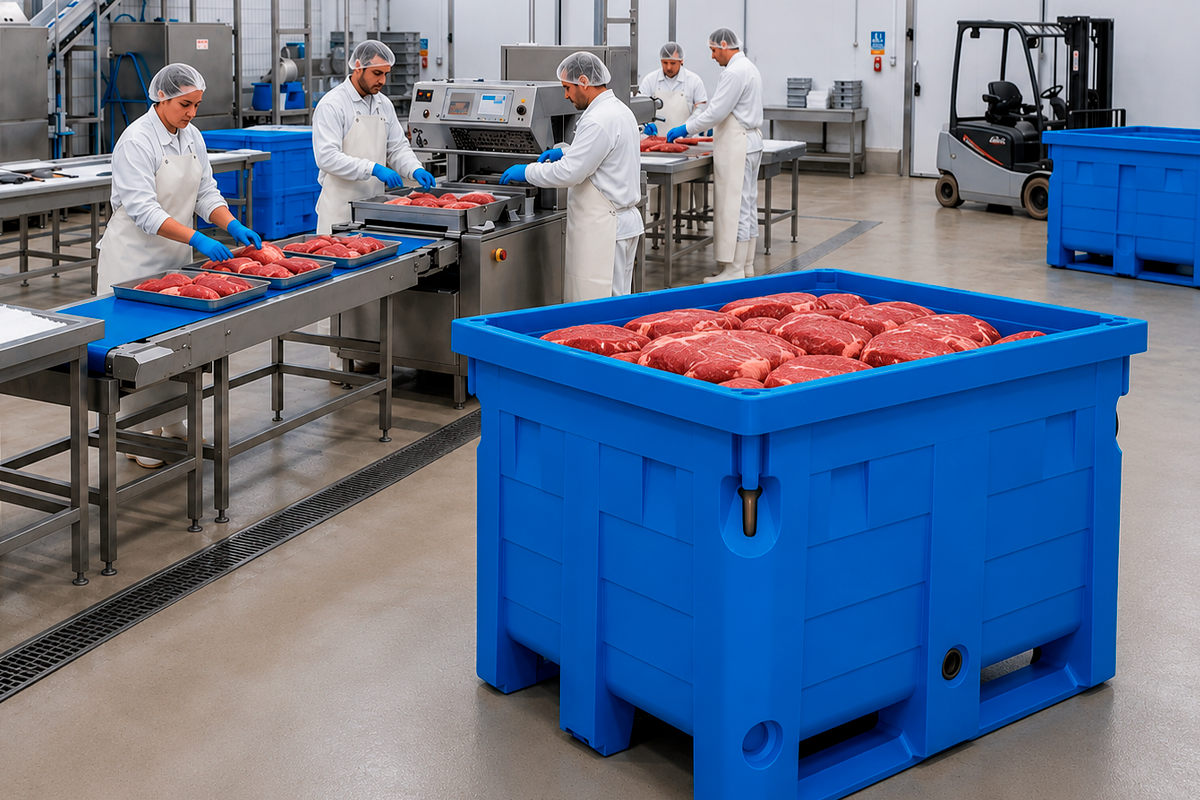
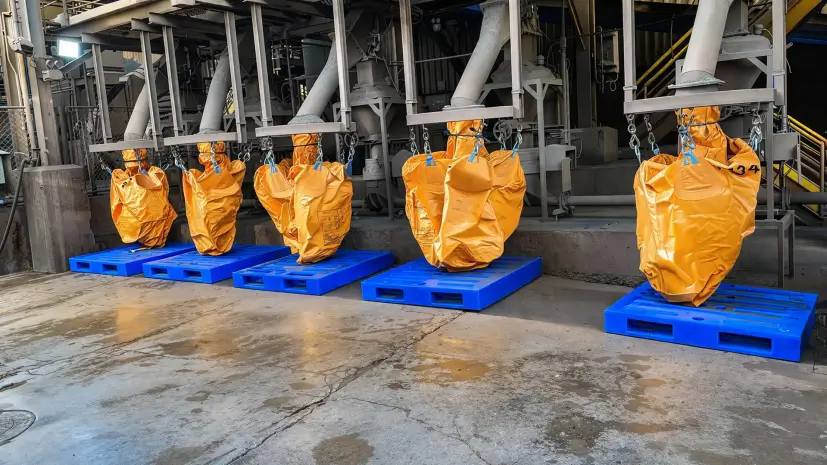
These pallets are flat, robust platforms used to group, store and transport goods efficiently. They serve as a base for stacking and securing products, facilitating handling using equipment such as forklifts and pallet jacks.
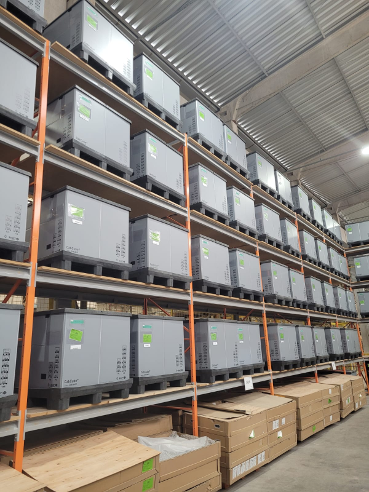
Unitizing pallets help standardize the movement of loads, optimizing space and improving organization in warehouses and during transport. With them, it is possible to guarantee uniform weight distribution and stabilization of the load, which prevents accidents and contributes to the integrity of the transported items.
What is the role of unitizing pallets in reverse logistics?
By investing in unitizing pallets at reverse logistics, you facilitate the collection, return and reuse of products and materials. From there, a standardized and secure basis is provided for grouping returned goods, recyclable items or defective products. The entire process will be much more efficient!
In addition, unitizing pallets allow for the systematic organization of products in distribution and storage centers, facilitating sorting, inspection and eventual reintegration into stock or appropriate disposal. In this way, the company optimizes costs and resources and simplifies the logistics operation.
In summary…
- Unitization is an efficient logistics strategy to facilitate loading and unloading operations.
- Reverse logistics refers to the process in which products are returned to the manufacturer or point of origin.
- To carry out load unitization, unitizing pallets are recommended, as they create a robust and safe base for grouping goods.
- This type of pallet plays an efficient role in reverse logistics, ensuring cost reduction and safety of the entire operation.
Discover the Tecnotri unitizer line
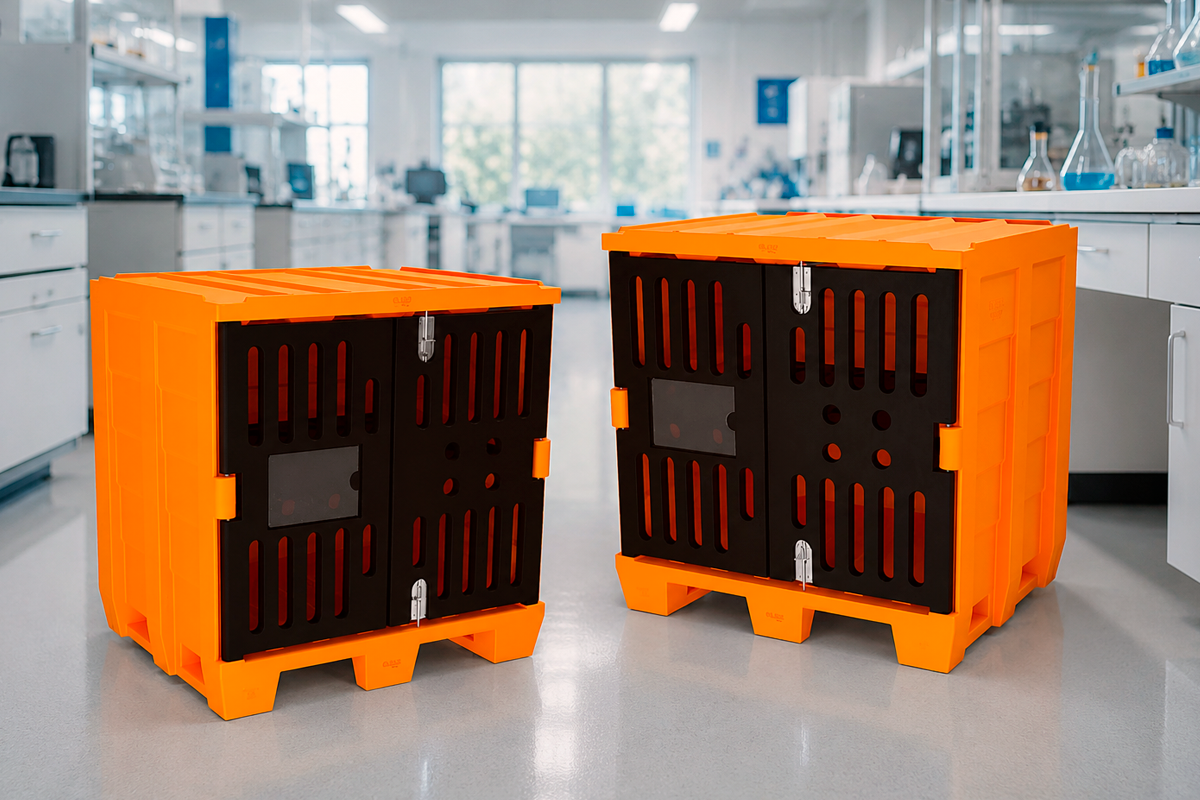
Tecnotri offers a line of unitizing pallets made from plastic, ensuring high load protection, lightness, easy cleaning and less environmental impact. Get in touch with our team to answer all your questions and request a quote.